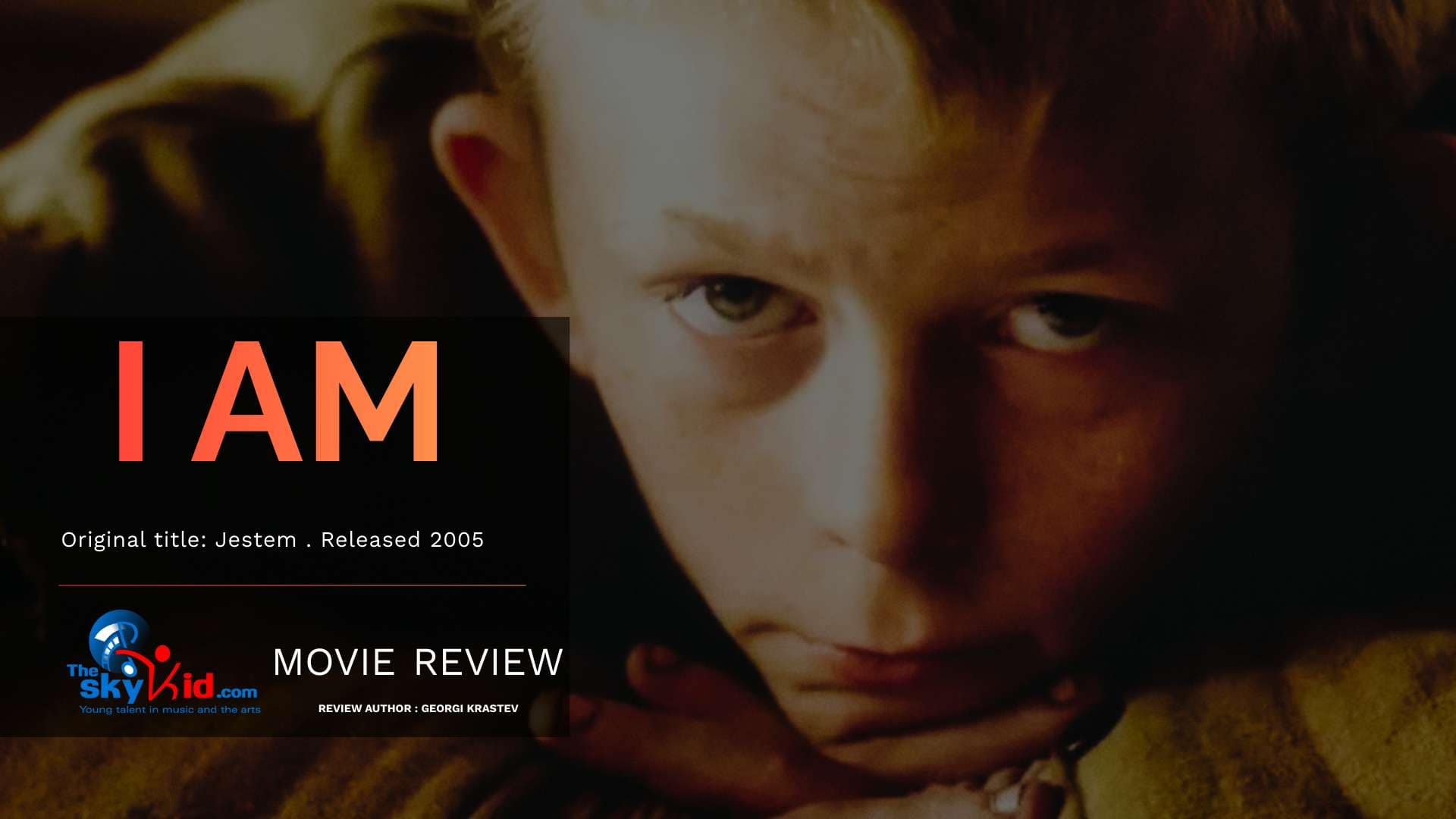
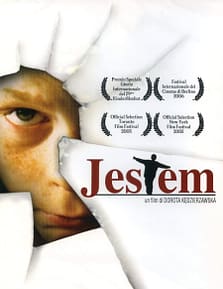
 Watching Jestem again, years after my initial viewing, I’m struck not just by the story but by how profoundly it can make one feel a child’s inner life.
In 2009, I wrote about this film, marveling at its visual poetry, the warm sepia tones, and Piotr Jagielski’s remarkable presence as the boy. Revisiting it now, I see even more clearly how the director of the film, Dorota Kedzierzawska, doesn’t just show us a boy navigating hardship—she pulls us inside his mind and soul.
From the very first scene, we are plunged into his world: a boy in a reform school, alone, trapped in systems that don’t care. When he escapes and returns to his home, only to find his mother indifferent, the emotional weight of abandonment hits fully. Her words—excuses, half-hearted affection—make us see why he asks the painful question: Who needs me? It’s heartbreaking, yes, but what affects me most as a viewer is understanding how a child comes to such a realization.
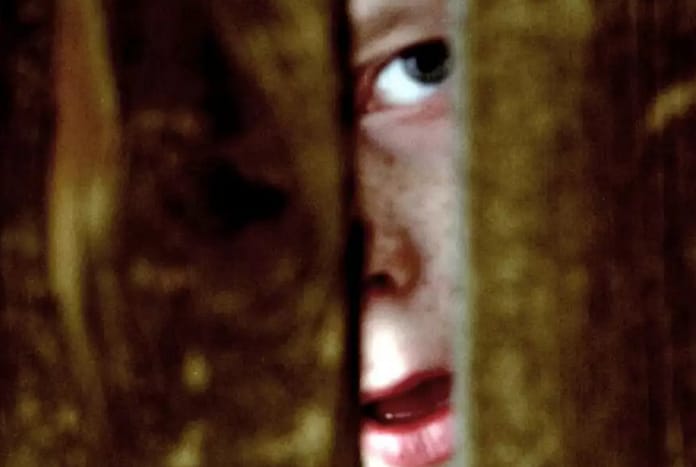
You feel the logic of his pain, the quiet accumulation of neglect, and it resonates deeply because Jagielski’s performance is nothing short of extraordinary. Every glance, every subtle twitch of emotion, is a window into a young life forced to reckon with loneliness far beyond its years.
You’re not just watching a boy experience hardship; you’re feeling the architecture of his mind and soul as he navigates neglect, longing, and fleeting moments of care. Every lingering shot, every subtle expression, every quiet musical cue is designed to pull you inside his perspective, so the film doesn’t just tell a story—it invites you to live it. A single look out from a broken window, a silhouette against the river, or the recall of a grandmother’s warmth can convey more than pages of dialogue ever could. Kedzierzawska’s direction, combined with Artur Reinhart’s cinematography, crafts a visual language that is intimate, immediate, and profoundly human.
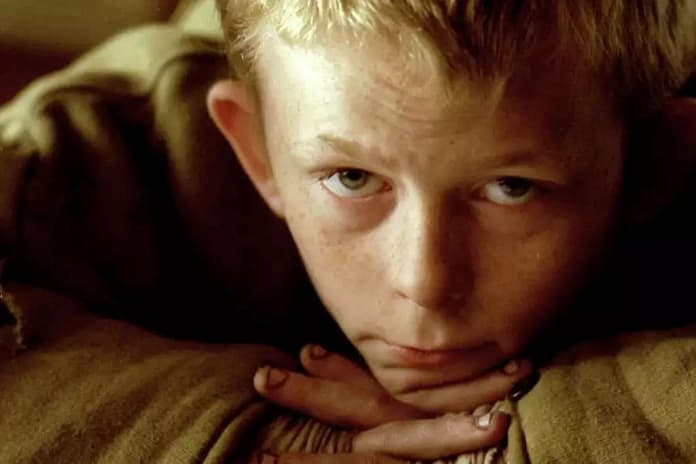
The film is, of course, a Coming-of-Age story, but unlike more conventional entries in the genre, it doesn’t sentimentalize or soften hardship. It confronts it head-on. The scene where the boy witnesses other children sniffing glue and smoking in a cellar—children who live with their families, unlike him—is particularly striking. It illustrates how survival alone can sharpen a moral and emotional perspective, even in someone so young.
Jagielski’s portrayal of the boy carries the emotional core of the film. The camera often lingers on his face, letting us inhabit his experience directly. In scenes of fleeting kindness—a shared meal, a gentle conversation, a playful moment—his reactions are layered and natural, conveying a sense of self-awareness and yearning that no adult actor could replicate. It’s a testament to both his talent and Kedzierzawska’s skill in guiding young performers.
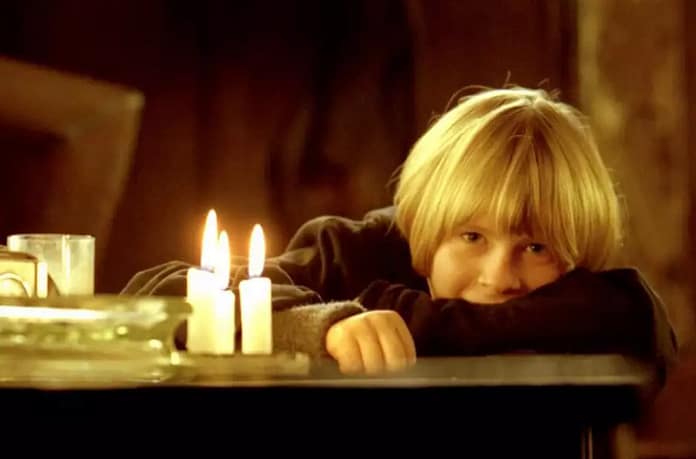
The supporting elements of the film—the musical score, the precise lighting, the careful pacing—serve not as decoration but as extensions of his inner world. Michael Nyman’s music subtly underscores the emotional currents, never overwhelming, always amplifying. Moments of silence, punctuated by environmental sounds—the river, a distant bell, a scuffing shoe—become part of the storytelling, embedding the viewer even deeper in the boy’s perspective.
Reflecting on my 2009 review, I’m reminded of the visceral reactions the film originally provoked: the sheer empathy for a child whose world is at once precarious and exquisitely observed. Revisiting it now, I am struck by the continuity in Kedzierzawska’s vision, which resonates through her later film, Tomorrow Will Be Better. Both films explore marginalized childhoods, the subtleties of human connection, and the quiet resilience of young protagonists. While Jestem confronts loneliness and neglect, Tomorrow Will Be Better focuses more on hope and adventure—but the through-line is unmistakable: Kedzierzawska immerses us in the emotional truth of childhood, in ways that are cinematic, poetic, and utterly human.
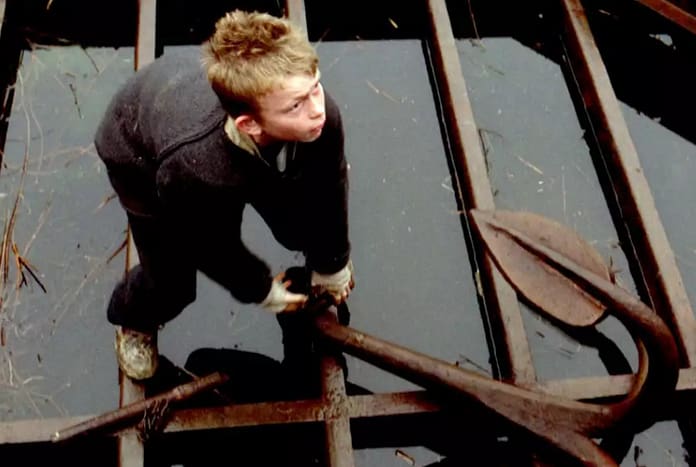
In the end, Jestem leaves one with more than admiration for craft or narrative. It leaves one changed. It reminds us of the fragility and strength of children, the consequences of adult neglect, and the surprising ways even small acts of care can transform a life. Piotr Jagielski’s performance anchors all of this—his boy is unforgettable, not just because of what he endures, but because he makes us feel it, as though we are walking beside him through every step of a difficult, fleeting childhood.
Jestem is a rare film: one that respects the intelligence of its young protagonist, the patience of its audience, and the subtlety of cinema itself. It is a story of survival, of longing, and of the complex architecture of a child’s mind—rendered with precision, empathy, and a profound emotional honesty that lingers long after the credits roll.