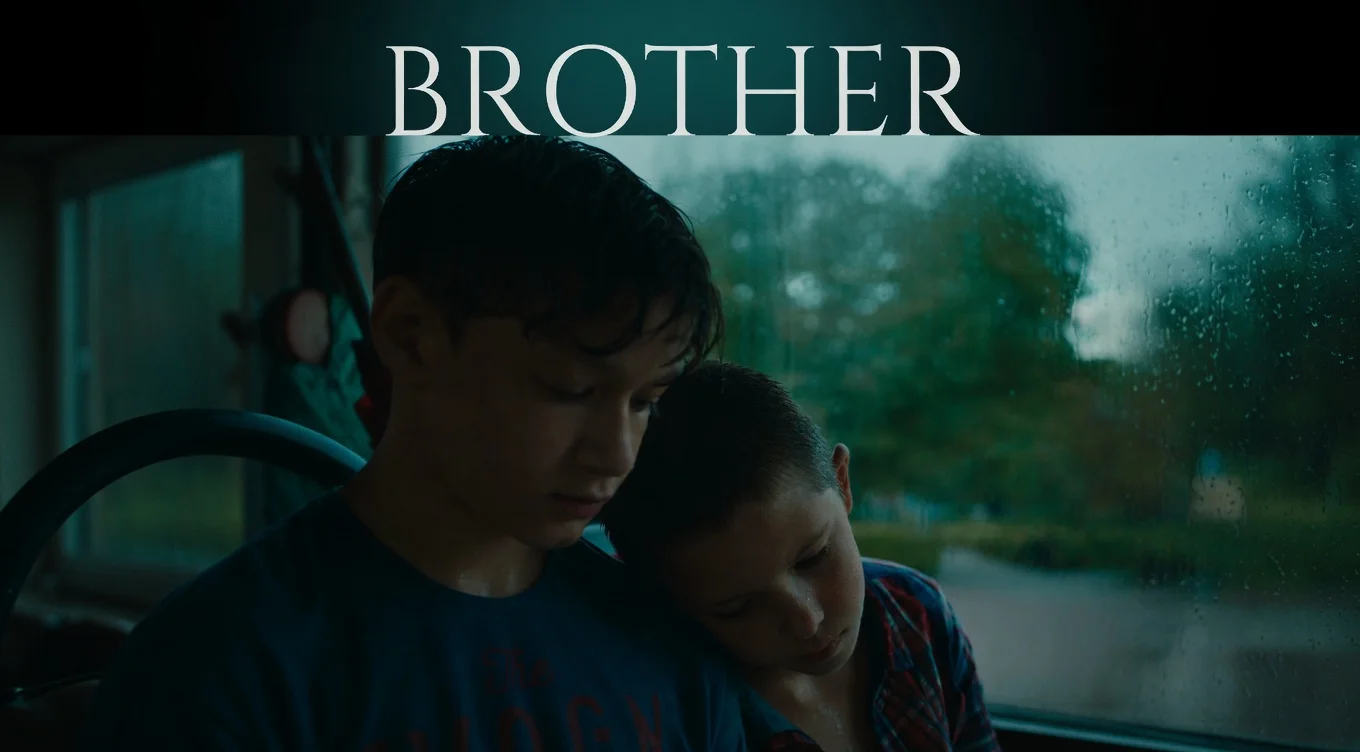
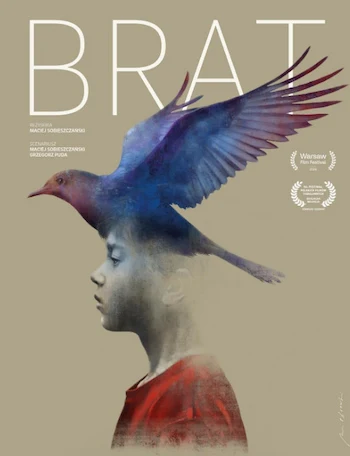
 There is a moment near the end of Maciej Sobieszczanski’s Brother where the camera lingers mercilessly on a young boy’s face. He’s holding a red phone to his ear. His brow furrows, his eyes drop. There are no swelling strings to tell us how to feel, no dramatic lighting to announce the tragedy. Just the flat, cold daylight of public transport and the ragged sound of the boy’s breathing. In this quiet, unflinching sequence, you watch a childhood disappear right in front of you.
Set in the tense, stifling housing estates of modern Poland, Brother is a powerful piece of social realism about the slow, crushing loss of innocence. The film follows two brothers forced to grow up too fast and fill a painful absence. Dawid (played with impressive stoicism by Filip Wilkomirski), a talented judoka, tries to act as the man of the house, constantly protecting his more impulsive younger brother, Michal (Tytus Szymczuk).
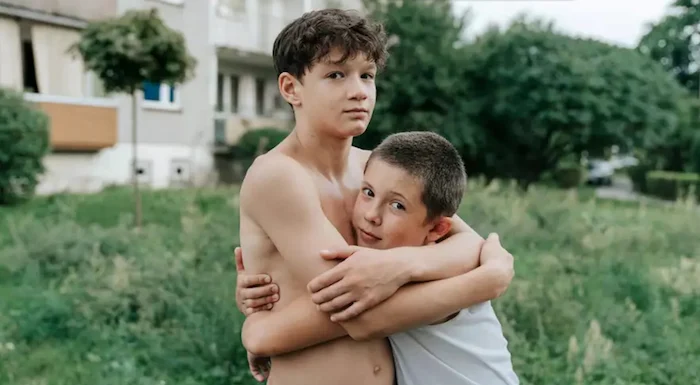
Their mother does her best to keep them grounded. Her love breaks through in small, fragile moments — most memorably in a handwritten note where she opens up about the pain their father has caused. She’s desperately trying to raise them right, even as his destructive influence lingers over the family. He is a phantom presence in their lives: we never actually see him, only hear his demanding voice echoing from the prison across the street.
The camera stays uncomfortably close during Dawid’s heated shouting matches through the fence, making it clear he’s trapped behind the bars of his own psychological prison.
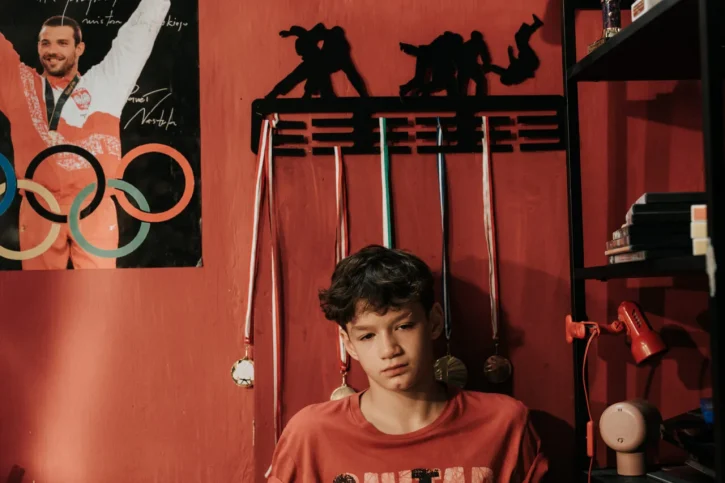
Sobieszczański shoots with the restless, handheld energy of adolescence itself. The film is rooted in the small, tactile details of everyday life — boiling eggs, stifling schoolyards — pulling you right into the boys’ unpredictable world. But the director knows exactly when to break his own rules. During Dawid’s judo tournaments, the camera suddenly shifts to a striking high angle, looking straight down at the mat. For a moment, the chaos of his life is contained within the strict geometry of the sport — brutal, exciting, and the only place where his struggle actually follows clear rules.
Much like Clenched Fist (2023), Brother builds huge emotional stakes out of ordinary, everyday survival. Its deepest ache comes from the tender ways it subverts our ideas of youth. When Dawid steps into the dark wooden confessional to confess his little brother’s sins for him, the shadows swallow him whole. He isn’t just trying to protect Michał from the streets — he’s trying to protect his soul from God.
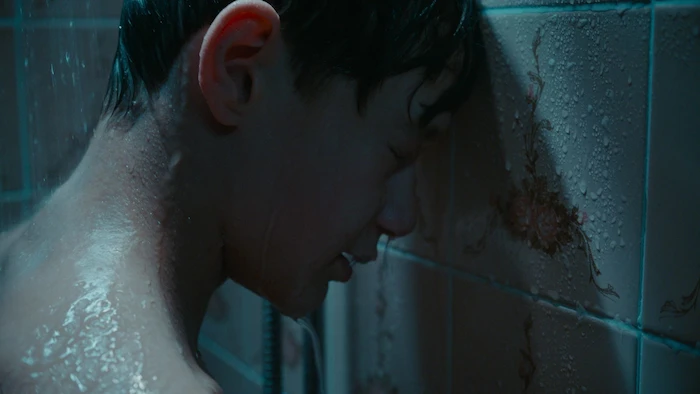
In a European cinema landscape full of melodrama, Brother stands out for refusing to lean on it. The film asks for your patience, hiding its emotional weight behind understated editing and quiet observation. But when the climax finally hits — when the story moves from the sweaty closeness of the two brothers to Michał’s long, solitary walk home through the cold — the impact is devastating.
It’s a stark reminder that sometimes the loudest shattering of innocence happens in complete silence.
Ultimately, Brother is a film that moved me deeply, offering a profoundly rewarding experience to anyone willing to give it their time. If you crave authentic, grounded cinema—stories rooted in the heavy, unvarnished reality of everyday life—this film will inevitably get under your skin. And for anyone who follows the coming-of-age genre, consider this essential viewing. It doesn’t just show you what it means to grow up; it makes you feel every quiet, agonizing second of it. Do yourself a favor and seek it out.