
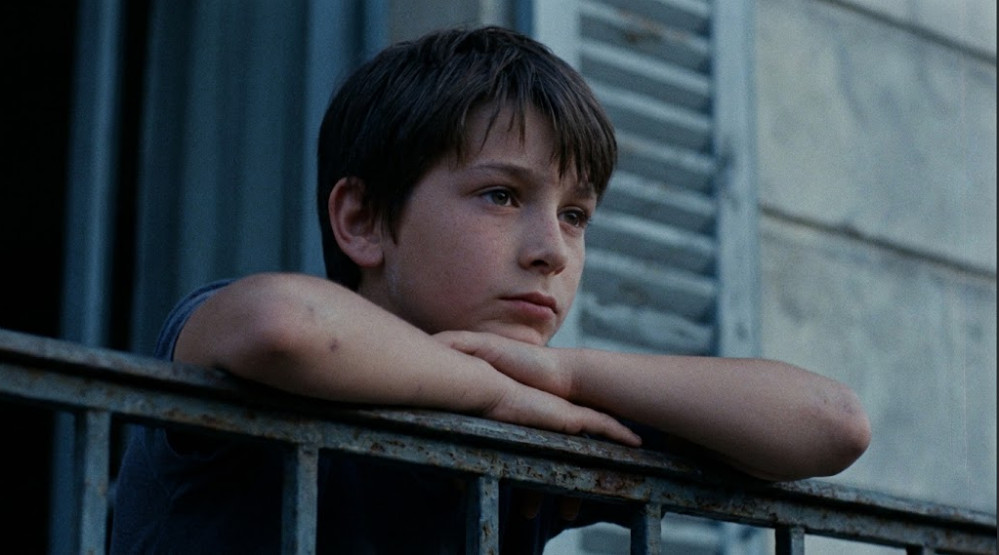
I have spent twenty years watching young actors do the hardest thing in cinema. They stand still and let a feeling arrive. Just a face, learning something it cannot yet name.
That is the whole craft of coming-of-age cinema, and it is why I keep returning to it.
Adults Explain Themselves
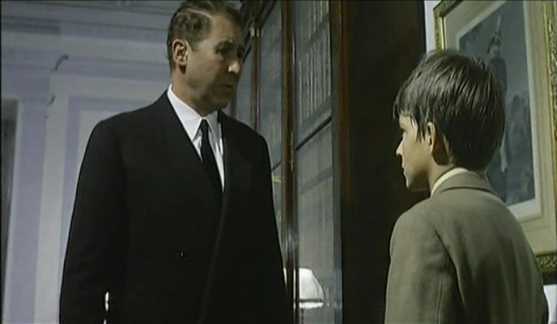
Adults on screen explain themselves. Children do not. They cannot, and the best films do not ask them to. A boy who has just lost something – a friend, a home, a version of himself – does not deliver a monologue about grief. He looks at a door. He counts the steps to it. He decides whether to open it. The camera stays. We do the rest.
This is the contract the genre makes with its audience. The film withholds the explanation, and the viewer supplies it from their own memory. That is why these films lodge so deep. We are not watching a story. We are remembering one.
The Mechanics of Stillness

The mechanics are simple and unforgiving. A long take asks a young performer to hold a thought without fidgeting. A close-up asks the audience to read a face the way we read a face across a table – for the flicker, not the declaration. A cut away at the wrong moment breaks the spell, because the spell is attention itself. The director’s job is mostly restraint: do not underline, do not score the tear before it comes, do not cut to the adult nodding wisely in the corner.
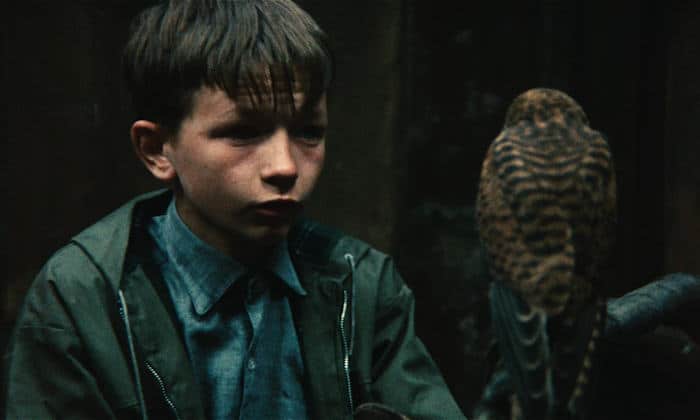
I think of the scenes that stayed with me longest. None of them are loud. A boy on a bicycle, pedalling nowhere in particular, because going home means admitting something changed. A girl practising a song in an empty room, stopping halfway, starting again quieter. A pair of friends sitting on a kerb, saying nothing, because the summer is ending and both of them know it and neither can say it. These scenes work because they trust the viewer to have lived something like them.
That trust is the difference between a film about youth and a film that understands it. The first performs innocence. The second respects it. It treats a twelve-year-old’s interior life as a complete world, not a rehearsal for adulthood. The stakes are not small because the characters are young. They are total, because at that age everything is first. First loss. First loyalty. First time standing up when standing up costs something.
The Courage to Wait
It takes courage to film a face and wait. It takes discipline to let silence do the work that dialogue usually does. And it takes a rare young performer to be watched without performing – to simply be, while the camera asks everything of them.
That is what I look for, still. Not a plot twist. Not a performance that announces itself. A moment where a young person looks at the world, and the world looks back, and something shifts that no one in the scene can explain. Because the best coming-of-age films do not tell us who we were. They remind us that we are still, somewhere, that person – standing at the door, deciding whether to open it.
