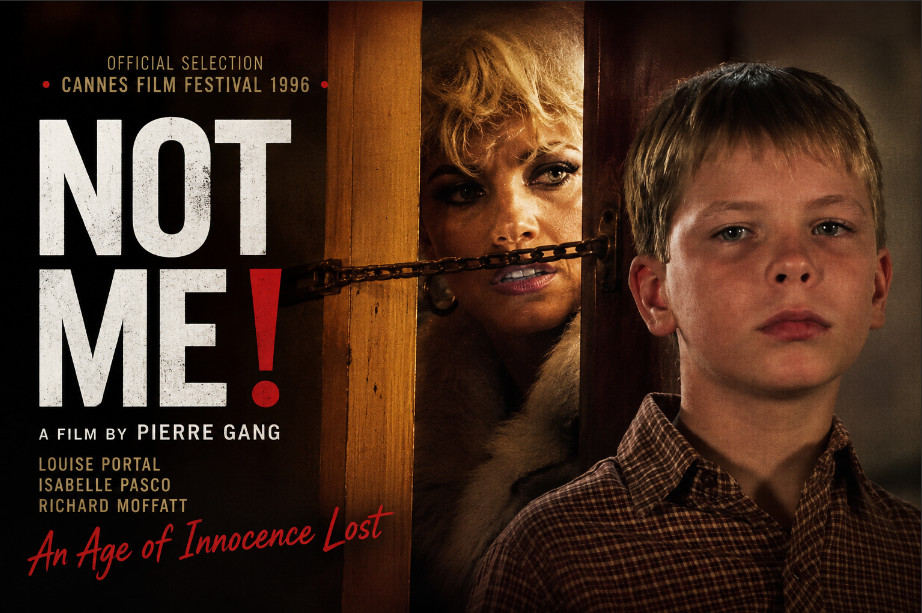
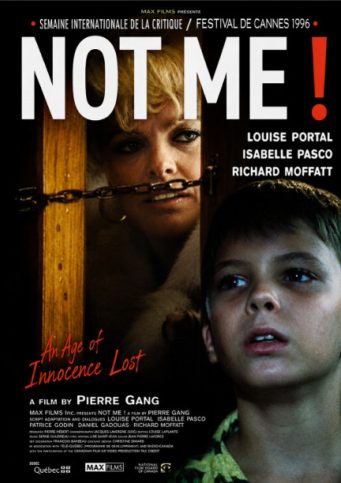
 There is a specific, fragile feeling I always look for when I watch a Coming-of-Age film. I look for that spark of recognition—that quiet, messy, often uncomfortable moment where a child first realizes the adult world isn’t as safe or simple as they thought. The Quebecois film Sous-sol (released internationally as Not Me) captures those nuances beautifully, but it does so in a way that left me feeling strangely conflicted.
Let me start with what the film gets absolutely right: the young actor, Richard Moffatt. He plays eleven-year-old René, and the entire emotional weight of the movie rests on his small shoulders. In what is sadly his only film role, he is completely believable. He doesn’t act out the awkwardness of growing up; he just lives in it. There is a deeply uncomfortable moment where he accidentally witnesses his parents making love, and the way he carries that sudden, heavy loss of innocence is genuinely touching.
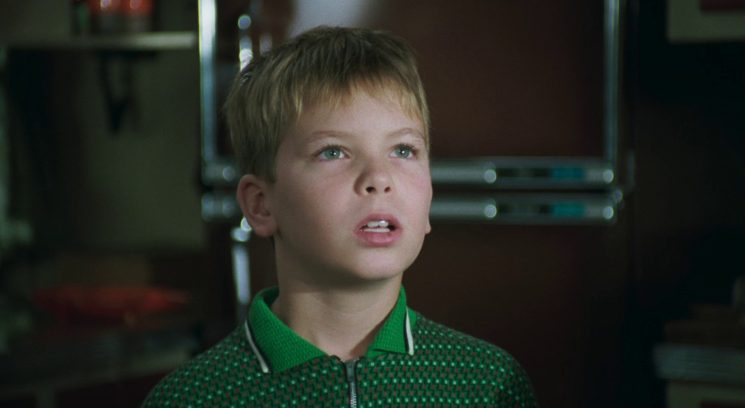
The film perfectly captures the quiet confusion of being an innocent boy who suddenly realizes that everyone around him—his parents, the neighbors, the entire adult world—seems completely obsessed with sex. He is a sponge soaking up a reality he doesn’t fully understand, set to a soundtrack of unpredictable jazz that feels just as messy as the world he’s observing.
From a technical standpoint, the film is incredibly strong. The camerawork and the editing are designed to make us feel exactly what René is feeling. The camera frequently lingers on his face in long, quiet takes. The editing cuts between the warm, cluttered nostalgia of a 1970s home and harsh, trapping shots of René framed against cracked green walls and dark vertical railings. You really feel his isolation. It’s a beautiful visual reminder that a cozy home can sometimes feel like a cage when you are desperate to understand the world outside.
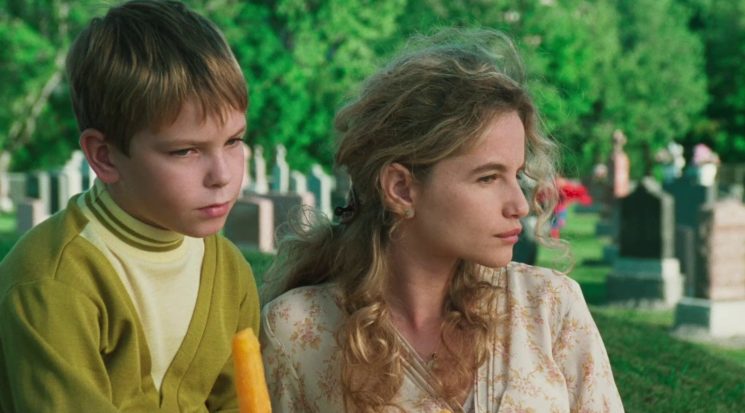
We do get glimpses of the boy beneath the burden. There are moments of genuine tenderness—like a woman quietly joining him on the stairs after a soft, tentative “bonjour”—and flashes of pure, uninhibited joy, like René singing and dancing down a hallway, or the two of them casually drinking straight from a bottle and a pitcher. These playful, lighter domestic scenes give the film a beating heart and remind us of the vibrant kid he is trying to be.
Yet, for all its technical precision and Moffatt’s remarkably sensitive performance, Sous-sol somehow keeps you at arm’s length.
René is profoundly overwhelmed. He doesn’t just watch the adult world; he actively shields himself from it. When a girl his own age tries to tease him and show him something, his instinct isn’t curiosity—it is flight. He literally runs away. And perhaps the most heartbreaking detail is how his pure, unblemished mind misinterprets the physical nature of relationships. When he witnesses couples together, he genuinely believes they are hurting each other.
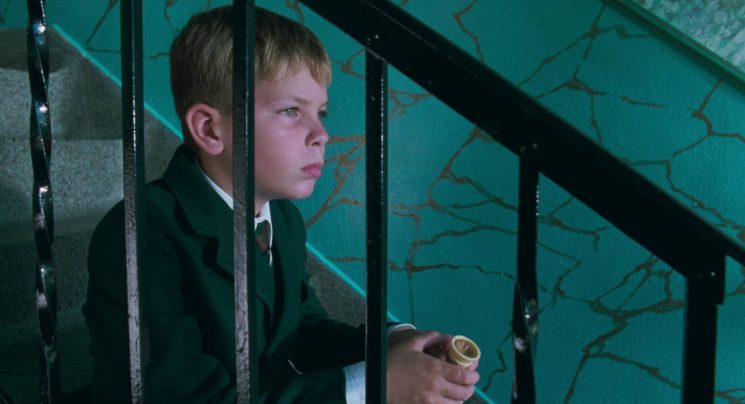
While this perfectly and tragically captures the mind of a child actively trying to defend his boyhood from a terrifying adult reality, it also means René spends the entire film in a defensive crouch. Because his primary instinct is to pull away, we never quite break through the glass to truly connect with him on a deeper, triumphant level. By the time the film reaches its abrupt, emotionally unresolved finale, I realized I admired the movie’s craft deeply, but it hadn’t captured my heart.
Sous-sol is a beautiful, melancholic look at the overwhelming alienation of youth, and Richard Moffatt’s quiet, protective performance deserves to be remembered. I just wish the film had allowed us to feel a little more with him, rather than just watching him run away.