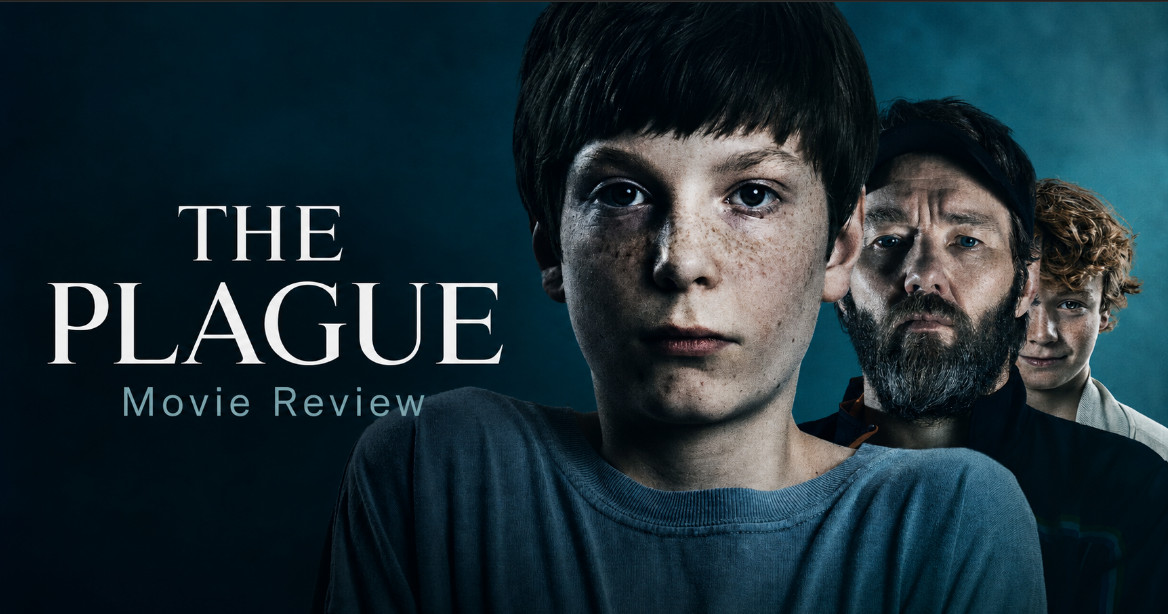
Sometimes, a film’s ability to simply keep you awake is the greatest testament to its power. Going into The Plague, I was completely exhausted, unsure if I’d even make it past the first act. But the film opens with a hypnotic, almost psychedelic sequence that grabs you by the throat and refuses to let go. Within the first few minutes, the film builds wildly distinct characters through careful choices in appearance and dialogue, and I found myself immediately taking sides.
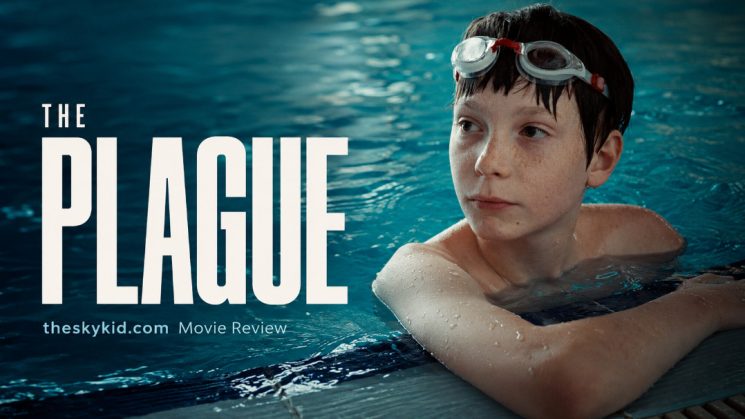
There is a distinct rawness to The Plague that immediately calls to mind Larry Clark’s Kids. The dialogue doesn’t feel scripted; it captures the exact, unfiltered way kids that age actually talk—or at least, how I remember talking and how I imagine they still do. The film doesn’t flinch from the messy reality of that age—the chaotic group energy, the implied (and sometimes overt) hormone-fueled group antics, and the unfiltered chaos of youth. Coupled with slow-motion sequences that give off heavy Peter Pan Lost Boys vibes, it creates a magnetic atmosphere. By the time the central group is established, I was already deeply intrigued by at least four of them.
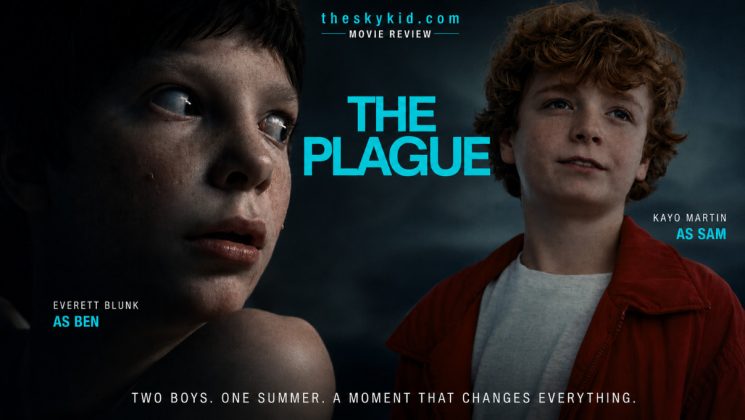
The ensemble cast is a huge part of what makes this film sing. Kayo Martin, whose presence I’d glimpsed on social media before, radiates a natural energy on screen; it feels less like acting and more like he’s simply existing in front of the camera.
Then there is Everett Blunk. If you follow my reviews here at theskykid.com, you might remember the huge impression he made on me in Griffin in Summer. In that review, I noted how Everett entirely carried the film and how his incredibly expressive face keeps you locked in. That same magnetism is present in The Plague. The dynamic here is slightly different, though; rather than carrying a solo act, his character is juxtaposed against Kayo Martin’s in a really compelling way, blending perfectly into the ensemble acting.
The Plague *2025* Trailer
The technical choices quietly elevate the whole thing. In his feature debut, writer-director Charlie Polinger keeps the camera restless yet intimate, lingering on almost uncomfortable close-ups of Everett’s face that feel like we’re eavesdropping on his thoughts. The editing shifts between dreamy slow-motion and sudden bursts of raw energy, perfectly mirroring the emotional whiplash of adolescence. The production design grounds it all, with locations that feel genuinely lived-in and authentic rather than artificially stylized.
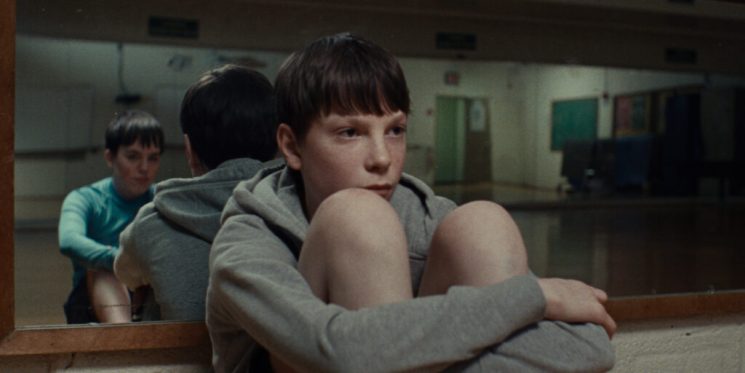
Beneath the surface-level teenage chaos, the story is remarkably deep. It tackles the universal realities of growing up, bullying, peer pressure, and the heavy toll of simply being different. I suppose at no stage in life is being “unique” completely acceptable to the masses.
Watching the film, I kept asking myself: what was my plague? For me, it was being the boy who was obsessed with Hanson when no other guys were. Even today, the pressure to conform doesn’t really go away. Most of my friends are married with kids, while I am still out doing raves, writing about Coming-of-Age films, and listening to treble-heavy music. I do these things because that is who I am, and I shouldn’t change for anyone or anything. It’s a rare cinematic achievement for a film to prompt that kind of self-affirmation while the credits are still rolling.
Ultimately, The Plague builds to a powerful and perfectly fitting finale. It is a film destined to appeal heavily to a niche audience—specifically, fans of the Coming-of-Age genre—but its thematic core is deeply universal. It pulls you in, holds up a mirror to the awkward defiance of youth, and leaves you reflecting on your own refusal to grow up the way everyone else expects you to.