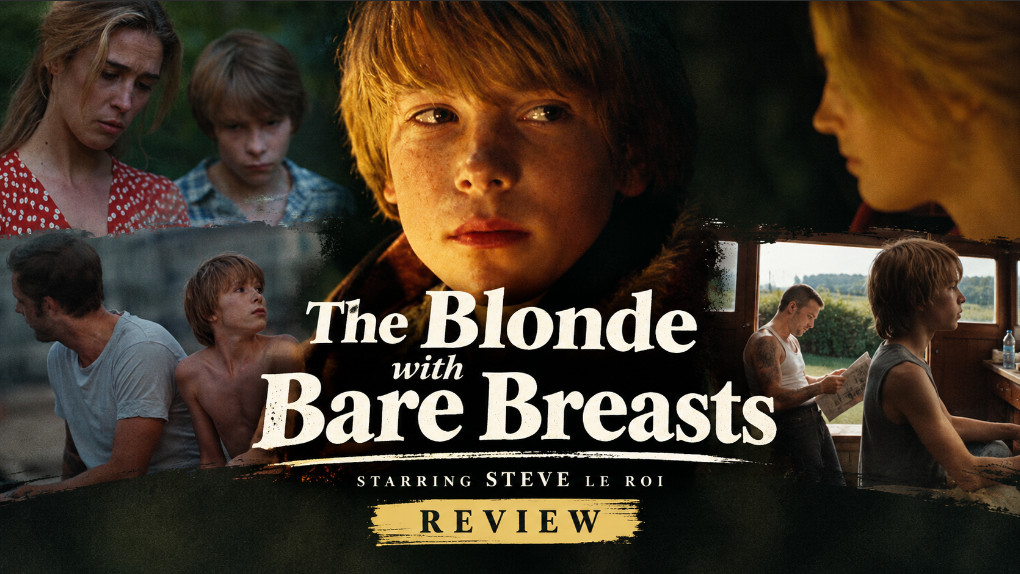
From its very first frames, The Blonde with Bare Breasts (La blonde aux seins nus) operates on an immediate, sensual charge. Propelled by an edgy, kinetic rock score and skillful extreme close-ups, the film instantly sets the high expectations of a gritty European drama. We are introduced to two brothers living on a marginal, floating barge—a liminal space completely detached from the safety of conventional society. When they steal a painting and subsequently “kidnap” the young female museum worker, the mechanical plot borders on the unbelievable, trading strict narrative logic for an adventurous, boundary-pushing mood.
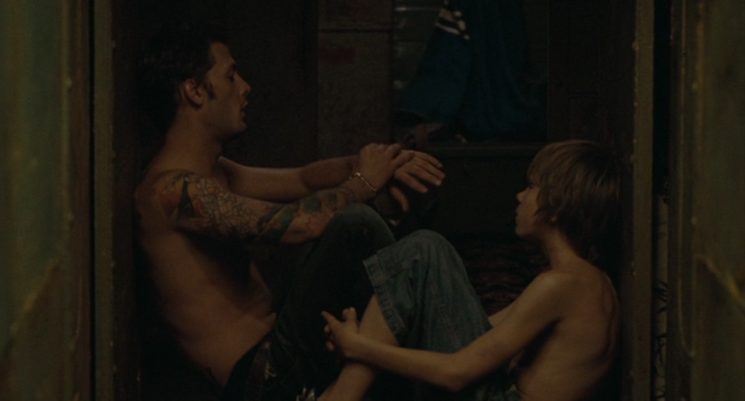
Yet, the sheer implausibility of the heist matters little, because I found myself instinctively drawn to the character of Louis. As the youngest and most permeable figure on the barge, he is undeniably the most dynamic presence on screen. The story is perceived entirely through his subjective gaze; the chaos affects him far more deeply than the rest. Ironically, their captive is a rebel who embraces the freedom of the open road more than they do. Far from a passive victim, her agency and sensuality actively destabilize the brothers’ relationship. She unapologetically teases both the older brother and Louis, sparking a bitter sibling rivalry and awakening an overwhelming, maddening first love that hits with the devastating gravity only adolescence can muster.
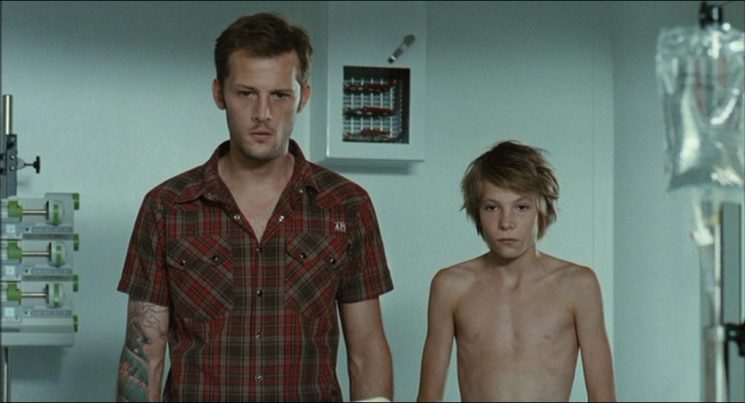
Director Manuel Pradal uses Steve Le Roi—a non-professional discovery found via street casting, much like Pradal’s earlier discovery of Vahina Giocante—to anchor this unbelievable crime plot in absolute adolescent authenticity. Stripped to the waist in nearly every scene, Louis’s constant physical exposure acts as a stark visual anchor for his innocence. Shot in harsh, low-key lighting with a single directional source, the camera frequently isolates Louis within the frame. His soft, exposed skin clashes violently against the grim, cluttered architecture of the barge and the streets of Paris. The adult world looms as a cage of rigid lines, pressing in on his slumped, withdrawn posture.
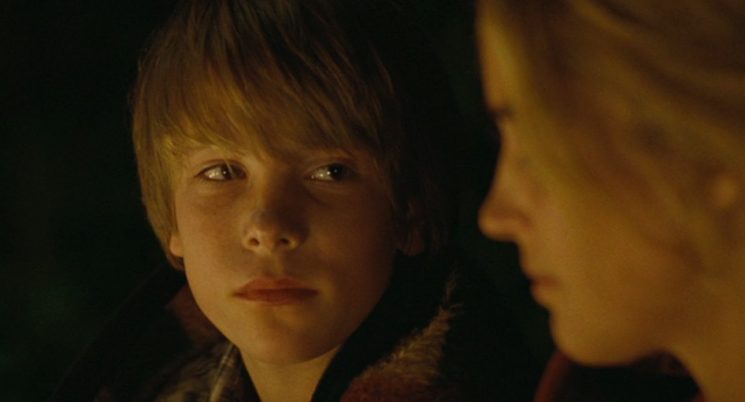
While the rock soundtrack pulses with chaotic energy during the mechanical chase sequences, it contrasts beautifully with the quieter, more observational passages focused on Louis’s restraint. In these silences, Le Roi delivers a masterclass in quiet, internalized processing. A bright catchlight in his eyes draws the audience directly into a searching, hesitant gaze, capturing the exact, heartbreaking moment a child seeks reassurance from an adult world that remains stubbornly opaque.
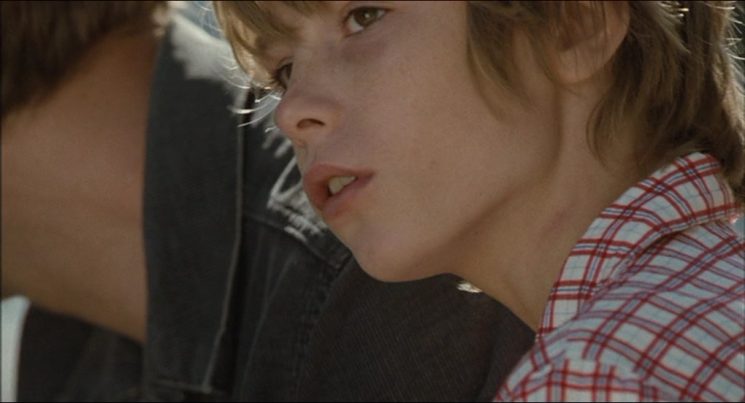
Ultimately, The Blonde with Bare Breasts is a remarkable film where many scenes repay close formal attention. From the meticulous framing of youth to the stark manipulation of light, the cinematic craft on display is undeniable, even if the execution is occasionally uneven—strongest in its intimate close-ups and atmospheric river sequences, and weaker in its genre-bound crime elements. While the heist occasionally drifts and strains credibility, the film thrives entirely as a Coming-of-Age narrative. It channels the complex sibling solidarity of Frantsuz and the sun-drenched growth of Summer Rebels, all while capturing the early romantic curiosity seen in Theis and Nico. By maintaining a sustained interest in Louis’s face and body, the film rarely loses its grip on our attention. Pradal’s work proves that the mechanics of a heist matter far less than how the danger, and the desire, etch themselves onto a young boy’s face.