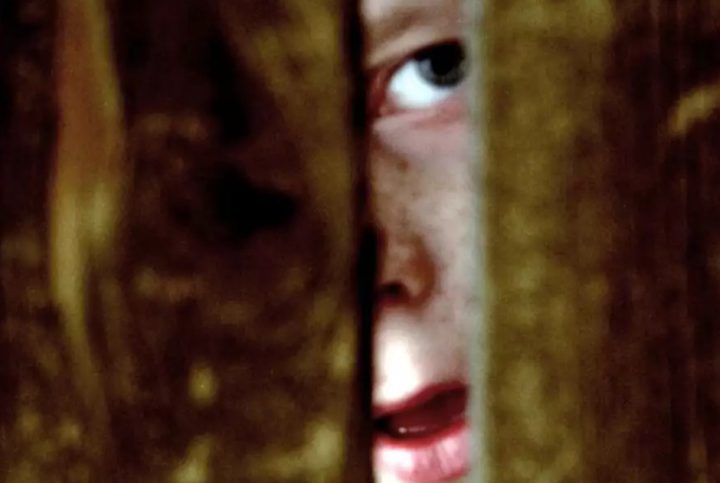
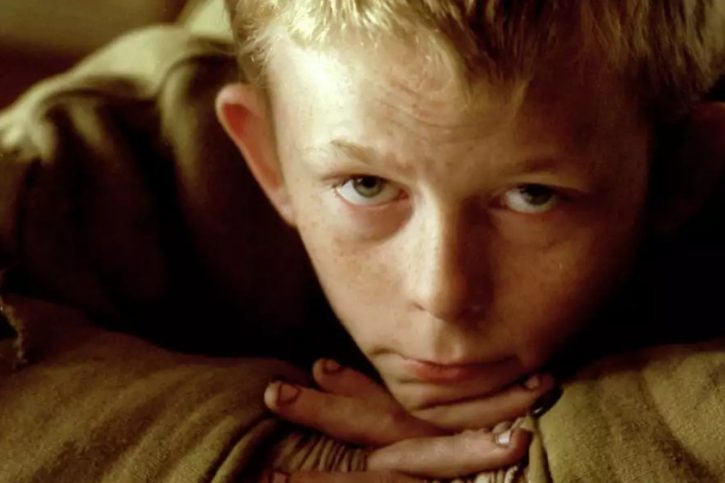
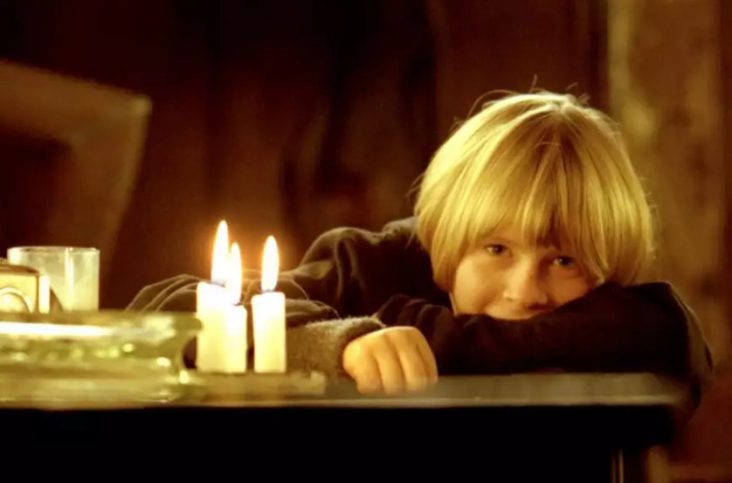
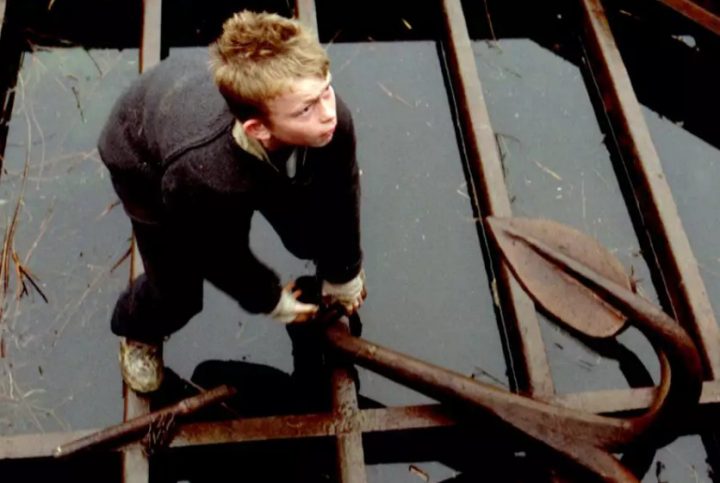
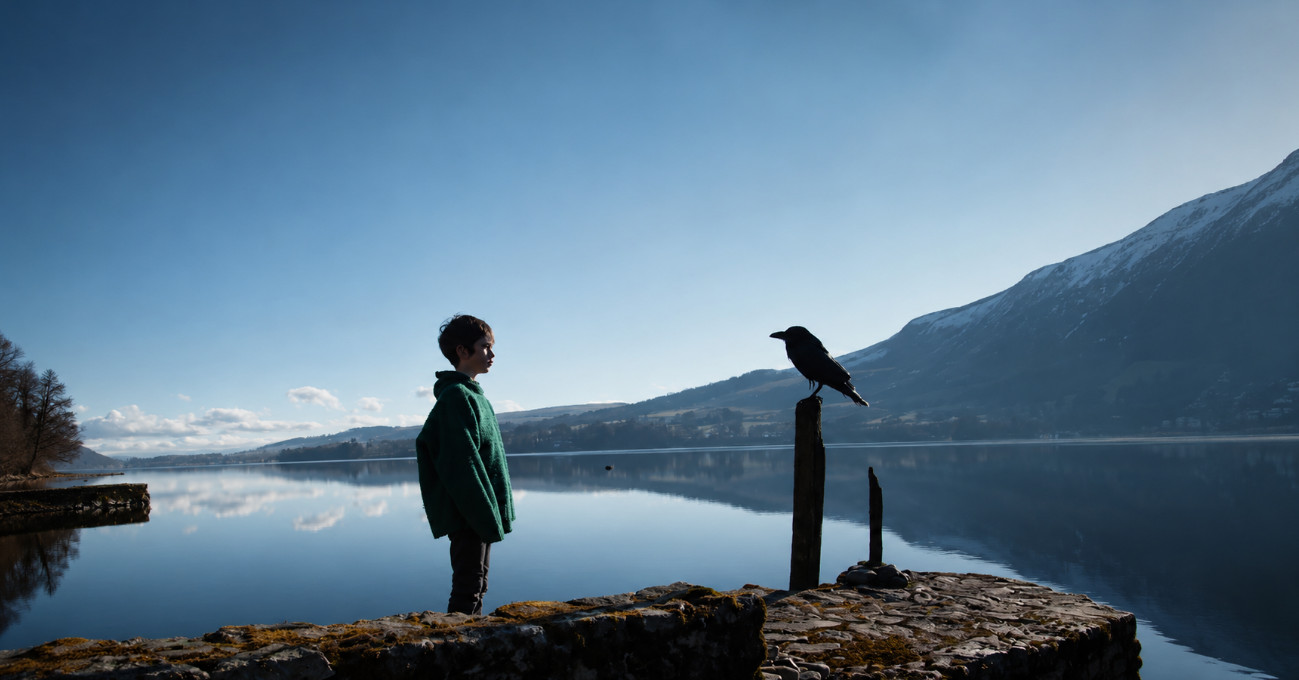
The Raven on the Jetty opens with a haunting score and an intimate close-up of a young boy’s face. It immediately establishes the chilling, beautiful mise-en-scène so characteristic of British and Irish cinema, leading me to believe I was in for a deeply atmospheric experience. Unfortunately, I quickly realized that this quiet, contemplative mood is merely a mask for a fatal cinematic flaw: weaponized boredom.
The story centers on nine-year-old Thomas (played brilliantly by Connor O’Hara), who we eventually learn has refused to speak for two years. For the first eight minutes—even during his own birthday—he remains entirely mute, leaving us to rely solely on his expressive face. As a fan of Coming-of-Age narratives, I was initially intrigued by this purely visual characterization. Yet, the film’s greatest failure reveals itself almost immediately: the director wields the camera as a clinical, detached bystander. Instead of allowing the audience to share in Thomas’s internal world, we are held at arm’s length. The boy is constantly observed, but rarely understood.
Thomas carries the emotional burden of The Raven on the Jetty, even when the film keeps him at a frustrating distance.
Because the camera refuses to grant us any cinematic empathy, this extreme emotional distance turns the narrative into an endurance test. The pacing is agonizingly sluggish, dragging so heavily that it tests the limits of a viewer’s patience long before the thirty-minute mark. When the story later attempts to pivot into a father-son dynamic—evoking memories of Luís Filipe Rocha’s far superior Goodbye, Father (1996)—it falls completely flat, hampered further by unconvincing performances from the adult cast.
Connor O’Hara is the solitary redeeming quality here. He is on screen for almost the entire runtime, and his expressive face carries an unfair amount of the film’s dramatic weight. If it weren’t for his performance, I couldn’t think of a single reason to keep watching.
Trailer
There is a fine line between contemplative cinema and a film that mistakes emotional stagnation for artistic depth. The Raven on the Jetty crosses that line. I persisted because I wanted to give it a fair chance for this review, but its severe pacing and profound emotional detachment make it nearly impossible to recommend. Casual viewers will likely abandon it early on, and even dedicated Coming-of-Age fans will find themselves alienated. Ultimately, you are better off skipping this one.
The Raven on the Jetty (2015)
In short
The Raven on the Jetty opens with a haunting score and an intimate close-up of a young boy's face. Unfortunately, I quickly realized that this quiet, contemplative mood is merely a mask for a fatal cinematic flaw: weaponized boredom.
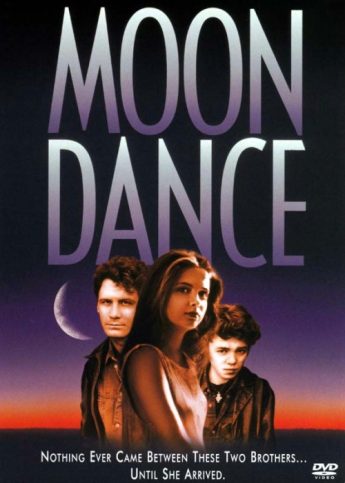
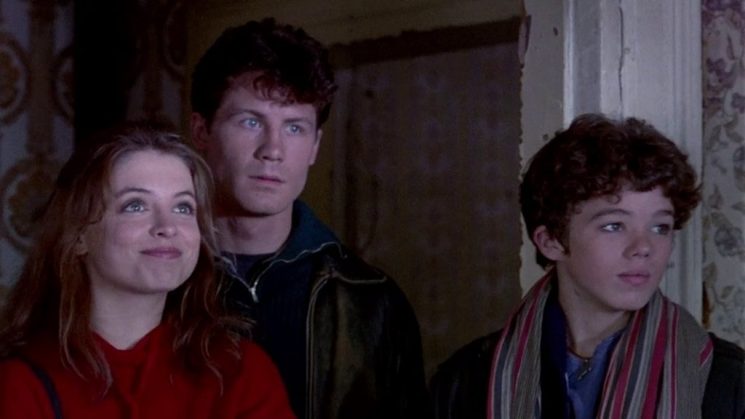
A truly great Coming-of-Age film has to do more than simply show adolescence unfolding; it needs to make you actually feel the ache of it. Moondance (1994), based on the novel The White Hare, sets itself up right away as a classic, untamed adventure, but it ultimately struggles to cross that threshold.
We quickly meet two brothers, Patrick and the younger Dominic, living a wild, unsupervised life in the countryside. The arrival of Anya, an older girl brought in to help for the summer, is bound to shake up their remote, boyish world. She and Patrick hit it off, pulling her into the boys’ daily adventures. It’s clear from the start where the story is heading, which means there are very few surprises.
Moondance Trailer
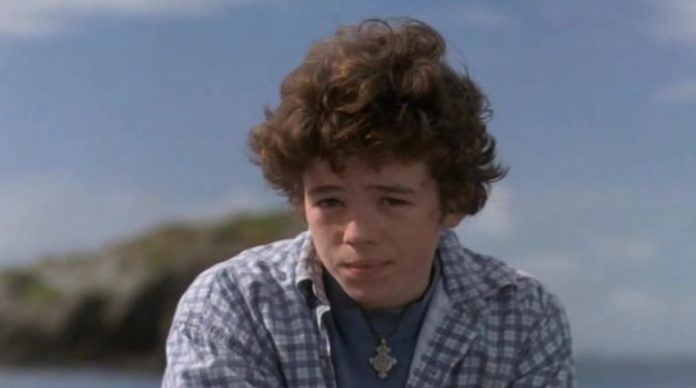
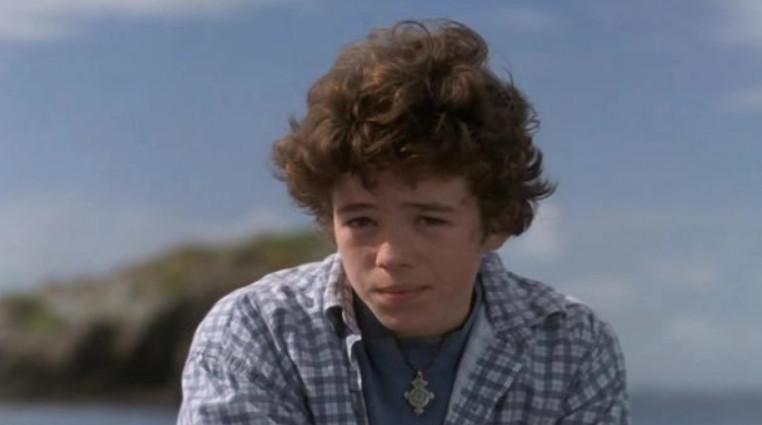
Despite the familiar story, the best part of Moondance is easily Rúaidhrí Conroy’s performance as Dominic. He is the true focus of the narrative and the emotional anchor of the film. Conroy brilliantly captures those messy, confusing early teen years. As the younger brother who hates being treated like a child, his silent, jealous looks at Patrick and Anya speak volumes. He beautifully portrays a boy caught in a storm of emotions—navigating confusion, resentment, and a complicated affection for both his brother and Anya.
Rúaidhrí Conroy’s performance as Dominic
However, the direction is so restrained that it forces Conroy’s expressive gaze to do all the heavy lifting. Because of this, I found myself admiring Conroy’s performance more than actually sharing Dominic’s turmoil. What frustrated me most is that the film clearly has the ingredients for something more emotionally piercing, yet it keeps me at arm’s length. While you can sense the tension when Anya is alone with one of the brothers, it strangely disappears when all three are on screen together. The camera work remains too distant. I kept waiting for the film to let me into Dominic’s confusion rather than simply asking me to admire Conroy’s ability to suggest it. Instead of using tight, up-close shots to make us experience his anxiety, the camera settles for polite, traditional angles. It captures the setting beautifully, but remains fundamentally cold.
This detachment carries over to the soundtrack. The music is far too literal, leaning on lyrics that just narrate what is happening on screen instead of drawing you into Dominic’s headspace. Rather than a score that swells with the unpredictable highs and lows of adolescence, the music feels passive rather than emotionally revealing, offering obvious cues rather than genuine emotional force.
In the end, Moondance is a decent story lifted by a standout lead performance, but it never takes the visual or musical risks needed to truly get inside its main character’s head. It watches adolescent confusion from a safe distance, leaving the audience on the outside looking in, rather than giving us the lasting, personal connection that makes the best Coming-of-Age movies so special.
Moondance (1994)
In short
Moondance is a decent story lifted by a standout lead performance, but It watches adolescent confusion from a safe distance.
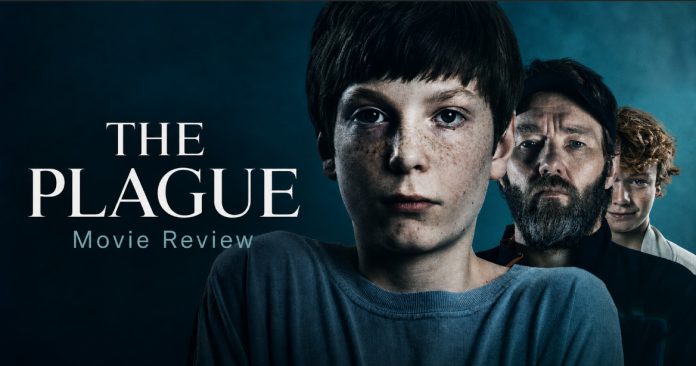
Sometimes, a film’s ability to simply keep you awake is the greatest testament to its power. Going into The Plague, I was completely exhausted, unsure if I’d even make it past the first act. But the film opens with a hypnotic, almost psychedelic sequence that grabs you by the throat and refuses to let go. Within the first few minutes, the film builds wildly distinct characters through careful choices in appearance and dialogue, and I found myself immediately taking sides.
There is a distinct rawness to The Plague that immediately calls to mind Larry Clark’s Kids. The dialogue doesn’t feel scripted; it captures the exact, unfiltered way kids that age actually talk—or at least, how I remember talking and how I imagine they still do. The film doesn’t flinch from the messy reality of that age—the chaotic group energy, the implied (and sometimes overt) hormone-fueled group antics, and the unfiltered chaos of youth. Coupled with slow-motion sequences that give off heavy Peter Pan Lost Boys vibes, it creates a magnetic atmosphere. By the time the central group is established, I was already deeply intrigued by at least four of them.
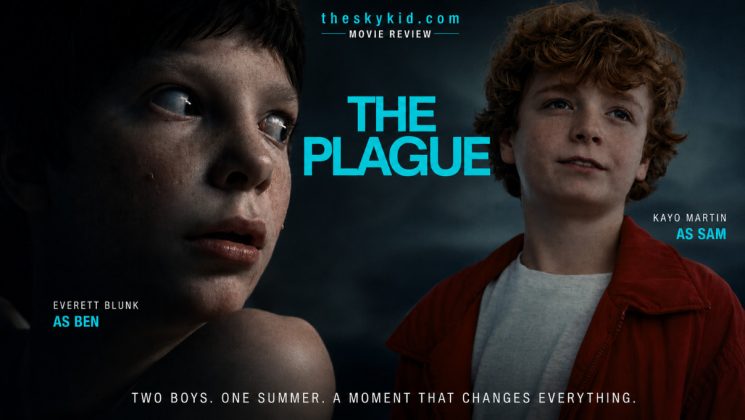
The ensemble cast is a huge part of what makes this film sing. Kayo Martin, whose presence I’d glimpsed on social media before, radiates a natural energy on screen; it feels less like acting and more like he’s simply existing in front of the camera.
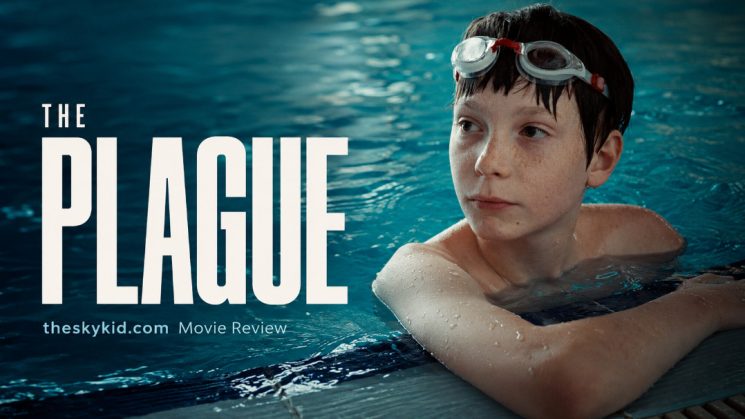
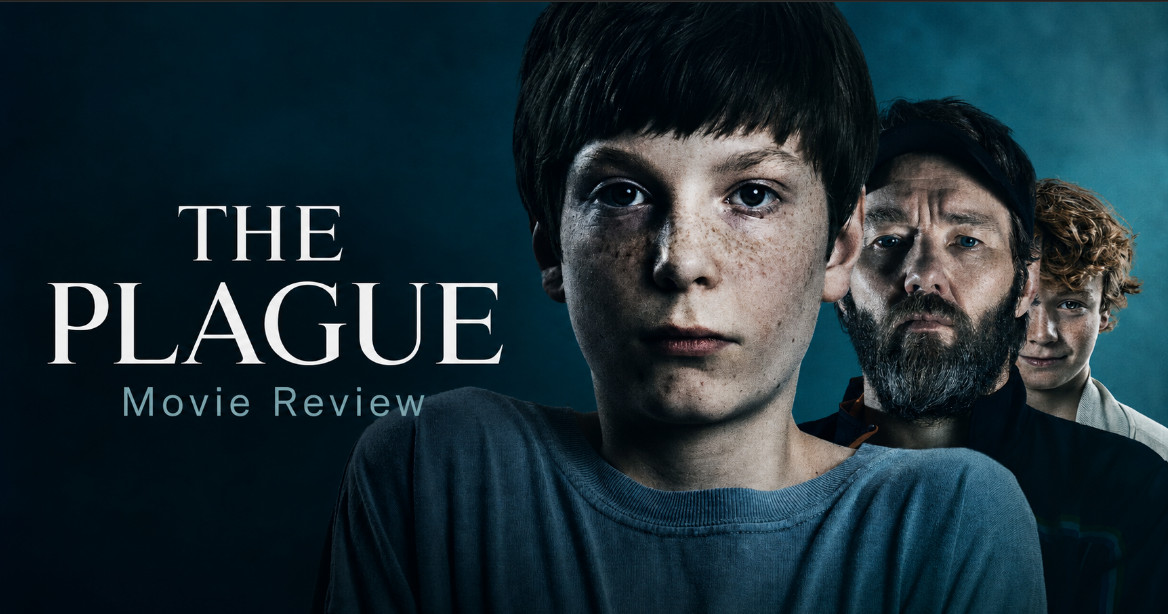
Then there is Everett Blunk. If you follow my reviews here at theskykid.com, you might remember the huge impression he made on me in Griffin in Summer. In that review, I noted how Everett entirely carried the film and how his incredibly expressive face keeps you locked in. That same magnetism is present in The Plague. The dynamic here is slightly different, though; rather than carrying a solo act, his character is juxtaposed against Kayo Martin’s in a really compelling way, blending perfectly into the ensemble acting.
The Plague *2025* Trailer
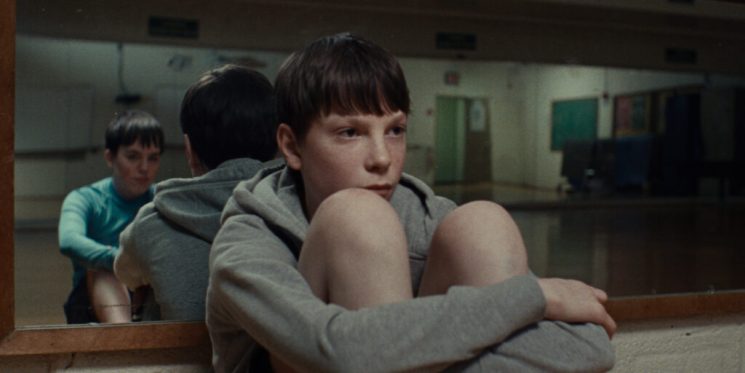
The technical choices quietly elevate the whole thing. In his feature debut, writer-director Charlie Polinger keeps the camera restless yet intimate, lingering on almost uncomfortable close-ups of Everett’s face that feel like we’re eavesdropping on his thoughts. The editing shifts between dreamy slow-motion and sudden bursts of raw energy, perfectly mirroring the emotional whiplash of adolescence. The production design grounds it all, with locations that feel genuinely lived-in and authentic rather than artificially stylized.
That stare. Everett Blunk in The Plague.
Beneath the surface-level teenage chaos, the story is remarkably deep. It tackles the universal realities of growing up, bullying, peer pressure, and the heavy toll of simply being different. I suppose at no stage in life is being “unique” completely acceptable to the masses.
Watching the film, I kept asking myself: what was my plague? For me, it was being the boy who was obsessed with Hanson when no other guys were. Even today, the pressure to conform doesn’t really go away. Most of my friends are married with kids, while I am still out doing raves, writing about Coming-of-Age films, and listening to treble-heavy music. I do these things because that is who I am, and I shouldn’t change for anyone or anything. It’s a rare cinematic achievement for a film to prompt that kind of self-affirmation while the credits are still rolling.
Ultimately, The Plague builds to a powerful and perfectly fitting finale. It is a film destined to appeal heavily to a niche audience—specifically, fans of the Coming-of-Age genre—but its thematic core is deeply universal. It pulls you in, holds up a mirror to the awkward defiance of youth, and leaves you reflecting on your own refusal to grow up the way everyone else expects you to.
Being Yourself Is the Real Plague: A Review of The Plague (2025)
In short
The Plague is a raw, visually magnetic coming-of-age film that captures the messy reality of youth and serves as a powerful reminder to unapologetically be yourself.
I have watched and reviewed thousands of Coming-of-Age films. I know their rhythm, the way they usually breathe, and how quickly they pull us into the messy, vibrant hearts of their young protagonists.
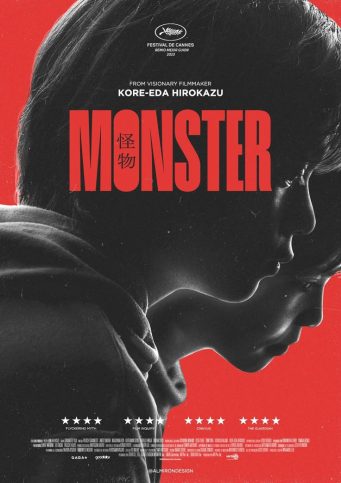
Hirokazu Kore–eda’s Monster does none of that.
Stepping into another of his youth narratives—my first since the brilliant Nobody Knows (2004)—I expected an immediate, intimate connection. Instead, for the first hour, the film actively locks us out. We are trapped in the sterile, suffocating hallways of a middle school, watching a mother and school officials talk completely past one another.
The adults are trapped in their societal roles, obsessed with saving face, while the boys at the center remain entirely out of focus. It is a punishingly slow, cold start. Honestly? Most people will be tempted to turn it off.
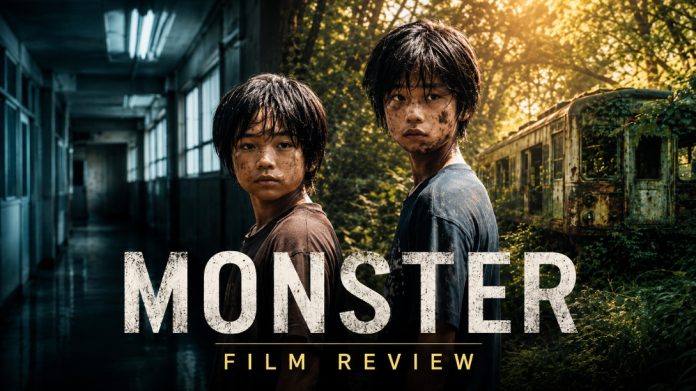
That distant gaze: a boy locked out of the adult world in the opening act of Monster.
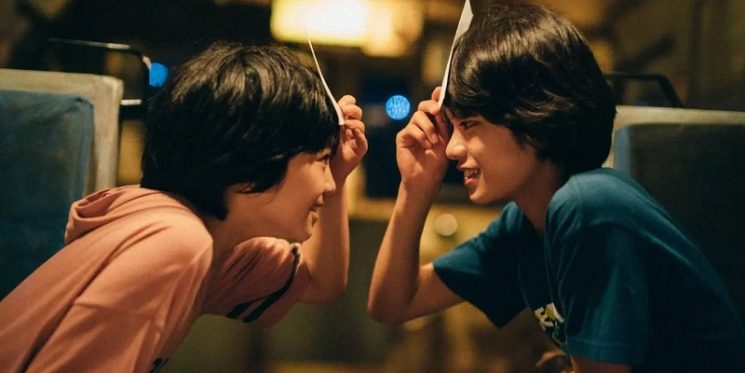
But if you survive that institutional gauntlet, the film rewards you with one of the most devastating perspective shifts in modern cinema. The timeline loops back, the claustrophobia shatters, and we finally slip away with young Minato (Soya Kurokawa) and Yori (Hinata Hiiragi) into an abandoned train car hidden deep in a sun-drenched forest.
Monster – Trailer
Here, away from the judging eyes of society, the film finds its true heartbeat. Two kids simply try to name feelings they don’t yet have the vocabulary for. Watching them build their fragile sanctuary pulled me straight back to my own youth—the intense, secret worlds you create with a best friend that leave such a heavy absence when summer ends. By forcing us to suffer through the adults’ absolute blindness first, Kore-eda makes a bittersweet confession: we can never fully step back into the shoes of a child. We can only reach backward through the hazy, often distorted lens of memory.
This structural brilliance comes at a cost. Because we are held at arm’s length for so long, the film prevents us from forging the immediate, desperate bond that is the soul of the Coming-of-Age genre. By the time we finally enter Minato and Yori’s world, the emotional tether has already been stretched too thin.
So, can I recommend it? Not wholeheartedly. If you’re a cinephile hungry for a masterful puzzle about perspective and societal blindness, Monster is an undeniable achievement. But if you come here looking for a film that will instantly grip your heart and immerse you in the emotional warmth of youth, you will likely find yourself left out in the cold.
Monster (2023) – The Coming-of-Age Film That Refuses to Let You In
In short
Kore-eda’s Monster is a structurally masterful but emotionally withholding coming-of-age drama that locks viewers out for its first hour before rewarding patience with a heartbreaking perspective shift and a bittersweet reminder that we can never fully return to childhood.
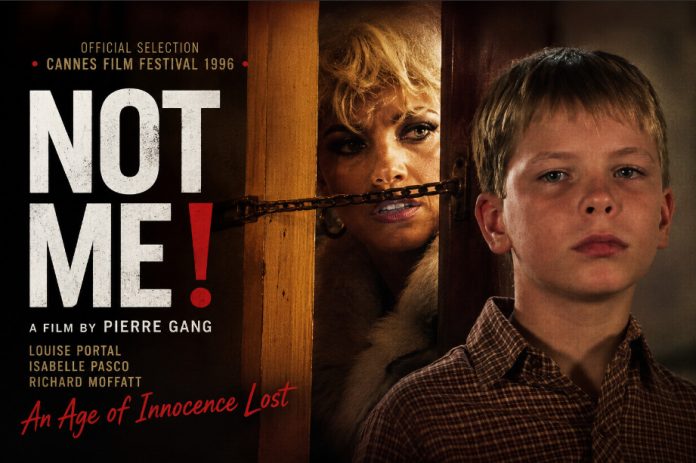
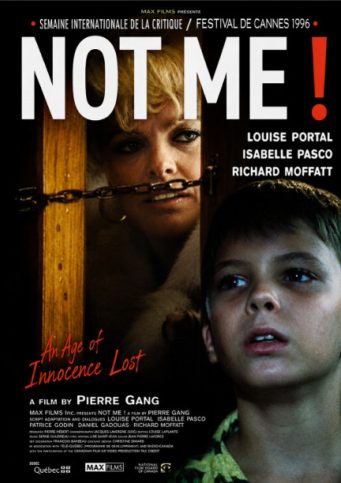
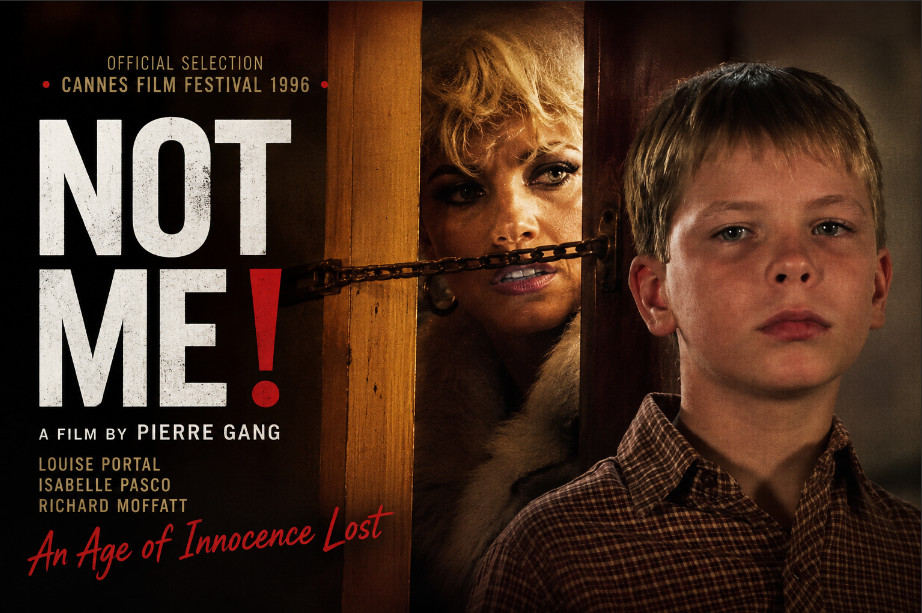
There is a specific, fragile feeling I always look for when I watch a Coming-of-Age film. I look for that spark of recognition—that quiet, messy, often uncomfortable moment where a child first realizes the adult world isn’t as safe or simple as they thought. The Quebecois film Sous-sol (released internationally as Not Me) captures those nuances beautifully, but it does so in a way that left me feeling strangely conflicted.
Let me start with what the film gets absolutely right: the young actor, Richard Moffatt. He plays eleven-year-old René, and the entire emotional weight of the movie rests on his small shoulders. In what is sadly his only film role, he is completely believable. He doesn’t act out the awkwardness of growing up; he just lives in it. There is a deeply uncomfortable moment where he accidentally witnesses his parents making love, and the way he carries that sudden, heavy loss of innocence is genuinely touching.
Richard Moffatt as Rene — the exact moment a child first senses that the adult world is far more complicated than he thought.
The film perfectly captures the quiet confusion of being an innocent boy who suddenly realizes that everyone around him—his parents, the neighbors, the entire adult world—seems completely obsessed with sex. He is a sponge soaking up a reality he doesn’t fully understand, set to a soundtrack of unpredictable jazz that feels just as messy as the world he’s observing.
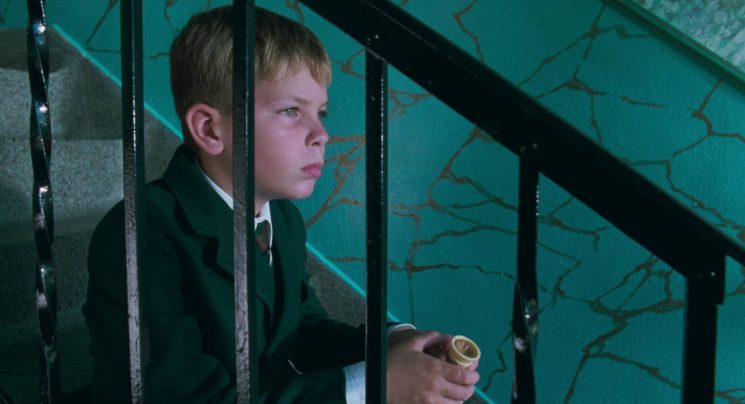
From a technical standpoint, the film is incredibly strong. The camerawork and the editing are designed to make us feel exactly what René is feeling. The camera frequently lingers on his face in long, quiet takes. The editing cuts between the warm, cluttered nostalgia of a 1970s home and harsh, trapping shots of René framed against cracked green walls and dark vertical railings. You really feel his isolation. It’s a beautiful visual reminder that a cozy home can sometimes feel like a cage when you are desperate to understand the world outside.
Richard Moffatt as René with the French woman who rents the room upstairs — the secret object of his boyhood crush
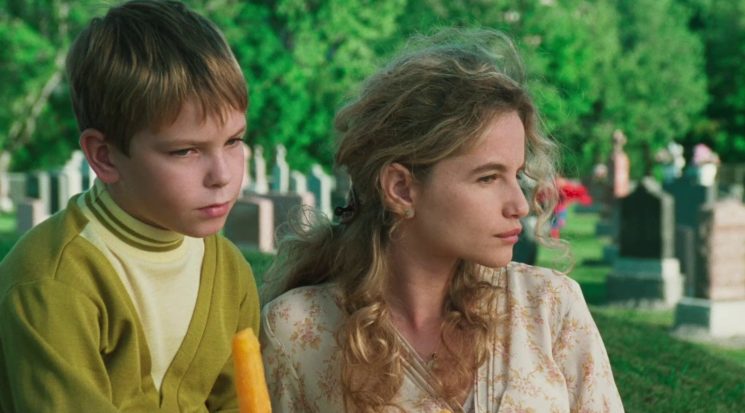
We do get glimpses of the boy beneath the burden. There are moments of genuine tenderness—like a woman quietly joining him on the stairs after a soft, tentative “bonjour”—and flashes of pure, uninhibited joy, like René singing and dancing down a hallway, or the two of them casually drinking straight from a bottle and a pitcher. These playful, lighter domestic scenes give the film a beating heart and remind us of the vibrant kid he is trying to be.
Yet, for all its technical precision and Moffatt’s remarkably sensitive performance, Sous-sol somehow keeps you at arm’s length.
René is profoundly overwhelmed. He doesn’t just watch the adult world; he actively shields himself from it. When a girl his own age tries to tease him and show him something, his instinct isn’t curiosity—it is flight. He literally runs away. And perhaps the most heartbreaking detail is how his pure, unblemished mind misinterprets the physical nature of relationships. When he witnesses couples together, he genuinely believes they are hurting each other.
Rene (Richard Moffatt) in the stairwell. The cracked green walls, the iron railings, and the quiet, guarded look of a child who has begun to sense that home itself can sometimes feel like a cage.
While this perfectly and tragically captures the mind of a child actively trying to defend his boyhood from a terrifying adult reality, it also means René spends the entire film in a defensive crouch. Because his primary instinct is to pull away, we never quite break through the glass to truly connect with him on a deeper, triumphant level. By the time the film reaches its abrupt, emotionally unresolved finale, I realized I admired the movie’s craft deeply, but it hadn’t captured my heart.
Sous-sol is a beautiful, melancholic look at the overwhelming alienation of youth, and Richard Moffatt’s quiet, protective performance deserves to be remembered. I just wish the film had allowed us to feel a little more with him, rather than just watching him run away.
Holding the World at Bay: Sous-sol (Not Me)
In short
A quietly devastating Quebecois Coming-of-Age drama anchored by Richard Moffatt’s remarkable performance as a boy whose innocence fractures under the weight of adult secrets.
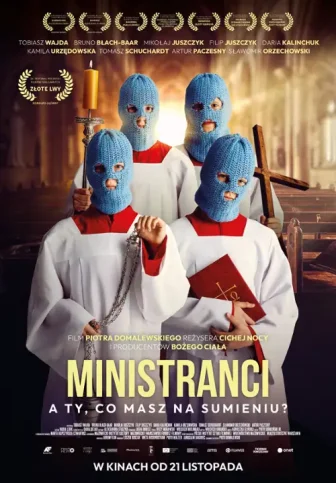
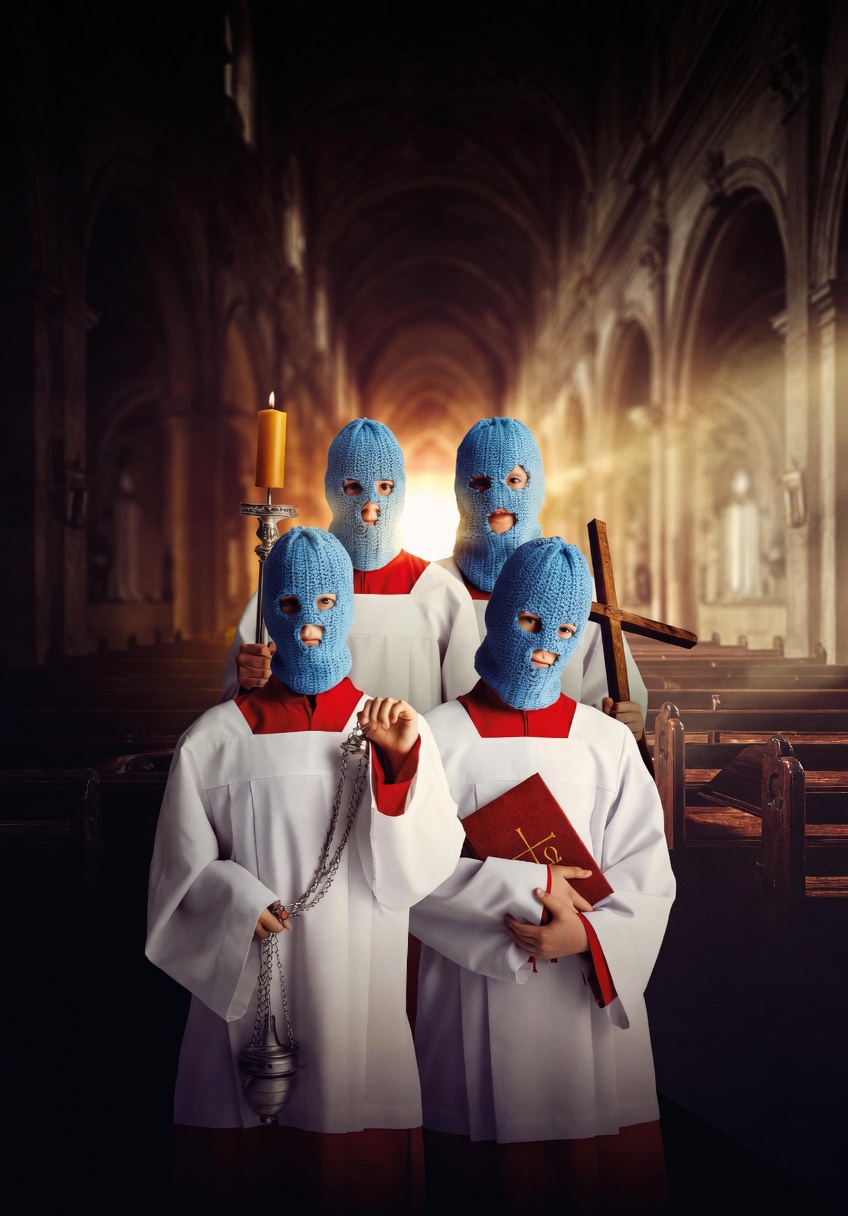
Over the years I’ve been writing for TheSkyKid.com, I’ve found myself consistently drawn to the kinetic, boundary-pushing nature of Polish Coming-of-Age cinema. From the visceral, hyper-stylized anxieties of Baby Bump, to the haunting isolation of Jestem (I Am), and the captivating historical echoes of Wenecja (Venice), Poland has a knack for producing films that refuse to treat youth with kid gloves. Now comes writer-director Piotr Domalewski‘s The Altar Boys (originally titled Ministranci)—a film that immediately carves out its own strikingly original space. It opens by plunging us into a world that feels incredibly specific: a Polish Catholic altar boy competition.
As someone who is not Catholic, my knowledge of these rituals comes mostly from whatever I have absorbed watching other movies. I’ve explored this specific territory before on the site—most notably in my review of the 2002 indie The Dangerous Lives of Altar Boys.
Nevertheless, where that American film used Catholic schooling primarily as a backdrop for comic-book escapism and cynical rebellion against an oppressive institution, Domalewski carves out a profoundly different emotional space. At first glance, the heavy, echoing spaces of the church might suggest a traditional story of religious oppression, but the director subverts this cliché with real subtlety.
The Altar Boys 2025 – Trailer
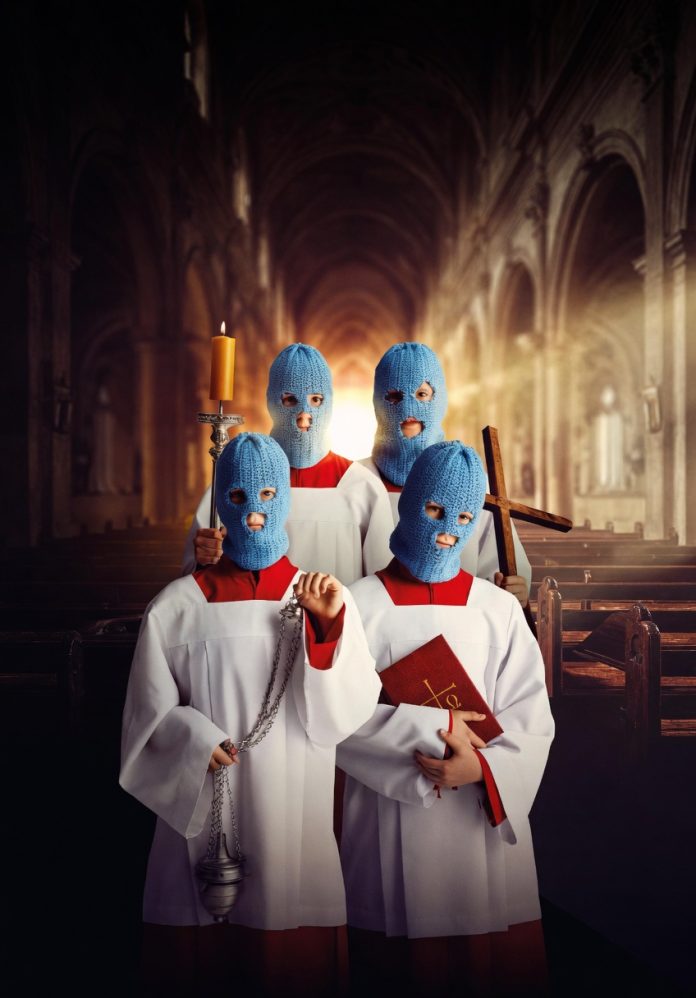
These boys aren’t forced into the pews; they genuinely love their parish. The film’s true tension arises as they try to carry their earnest devotion into the bruising reality of modern adolescence. The distant, unsettling drumbeat of the Russia-Ukraine conflict, the voyeurism of smartphone cameras, and the visceral cruelty of schoolyard bullying bleed into their lives. This clash is scored (and sometimes literally performed) with aggressive bursts of hip-hop, both diegetic and non-diegetic. The rap tracks are not a rebellion against faith; they are its modern, kinetic expression: a desperate, youthful drive to change the broken world around them for God.
The fiercely talented young cast of The Altar Boys — many making their feature debuts — in Piotr Domalewski’s strikingly original film.
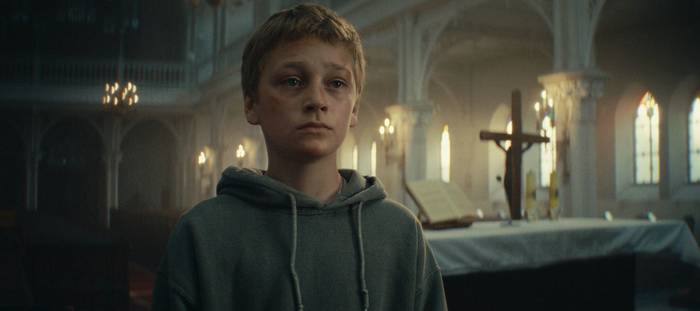
Amidst this modern chaos, what truly anchors The Altar Boys is its quiet, observant realism. Domalewski trusts his young ensemble. Instead of relying on sweeping, manipulative camera movements or loud melodrama to force us into feeling their angst, the director strips everything back. The camera traps us in a lived-in, intimate proximity with our main boy, Filip (portrayed with quiet, aching brilliance by Tobiasz Wajda). Yet, it never loses sight of the infectious, shared energy of his crew. I was struck by how the film simply watches the boys watch the world, their collective bond acting as a shield against the cruelty outside. We feel the heavy stakes of Filip’s moral dilemmas leak through small, physical truths—a furrowed brow, a slight head tilt, a slow blink.
Tobiasz Wajda delivers a quietly powerful performance as Filip
If you ask me what truly elevates The Altar Boys to top-tier Coming-of-Age cinema, it is the combination of a strikingly distinctive plot and its astonishingly authentic portrayal of youth. Domalewski trusts his young cast completely, which is staggering when you realize that most of these extremely convincing young actors are making their cinematic debuts here. You do not need to know the liturgy to feel the weight of these boys’ choices, but Ican only imagine that for practicing Catholics, the moral dilemmas presented here feel acutely, almost painfully, resonant.
As Filip and his friends navigate this clash between their holy idealism and schoolyard cruelty, the film doesn’t just watch them make impossible choices—it turns the moral weight outward and engages us. It does not force a heavy-handed message on you in the dark; instead, it provokes you to think. It quietly invites the viewer to wrestle with the exact same anxieties, lingering in your mind long after the credits roll.
The Altar Boys (2025)
In short
The Altar Boys is top-tier Coming-of-Age cinema — a strikingly original and quietly powerful film that refuses to treat its young characters with kid gloves.
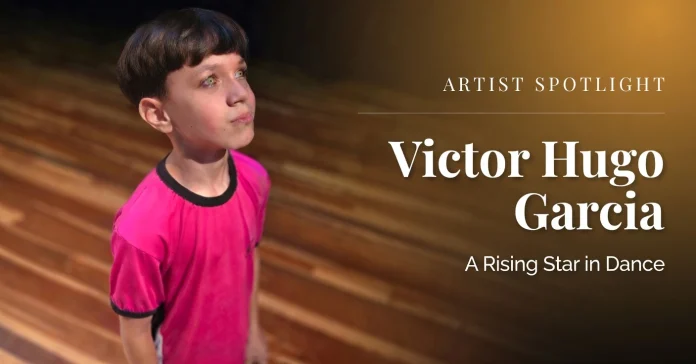
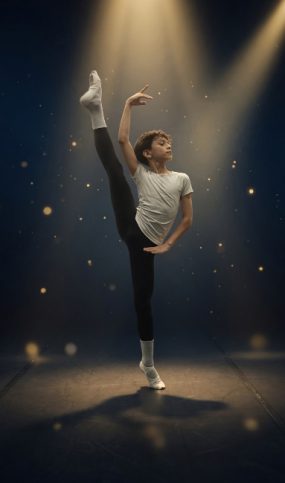
We cover performing arts extensively, and most of you are aware of our deep-dive coverage of Billy Elliot the Musical. Yet, every once in a while, a young performer makes such a big impression on me that I feel an absolute need to introduce his talent to the world.
That is exactly what prompted this spotlight on the exceptionally talented Victor Hugo Garcia. I have been following his Instagram (@victor_hugo_garcia_dance) for a while now, and his dedication and skill never cease to impress me.
This rising young Brazilian ballet dancer trains at the Studio de Dança Shirley Santos in Planaltina, DF. Victor’s extraordinary progress is deeply rooted in the expert guidance of his teacher, Shirley Santos, the studio’s founder and director. With more than 40 years dedicated to dance as a ballerina, choreographer, and passionate educator, Santos has built a nurturing environment where technical precision meets genuine artistic expression.
Her holistic approach has been instrumental in shaping Victor’s elegant style and joyful presence on stage. That strong classical foundation is highly evident in his dancing, characterized by clean lines, powerful jumps and turns, and captivating contemporary work. From his Instagram posts, he comes across as joyful, outgoing, energetic, humble, passionate, and a wonderfully positive role model for boys in dance.
His talent is already being recognized on massive platforms. At the Festival de Dança de Joinville 2025—the largest dance festival on the planet—the then 12-year-old Victor stole the show. He earned 2nd place on the main Palcão stage with his sparkling Harlequinade variation, 1st place on the Sapatilha stage with the neoclássico solo “Controlador do Tempo”, and another 2nd place with his playful Bobo da Corte variation.
In a local interview right after the competition, he smiled and said:
“É uma sensação muito legal, porque você vai pro maior festival do mundo e volta premiado. Eu amei muito estar lá.” (It’s an amazing feeling—you go to the world’s biggest festival and come back with awards. I loved being there so much.)
His success certainly didn’t stop there. Victor also placed in the Top 6 at the Youth America Grand Prix (YAGP) Brasília regional in 2025, which earned him a coveted spot in the prestigious YAGP 2026 International Finals in Houston, Texas. He followed that up with another Top 6 finish at the São Paulo regional, proving once again that this young Brazilian talent is ready to shine on the global stage.
To see exactly what I mean, you have to watch him in action. One of my favorite recent performances is his beautiful and expressive solo, “Milonga Al Compás del Corazón” (March 2026). It perfectly highlights his musicality and emotional depth beyond traditional classical ballet. I’ve embedded it below so you can experience it right here:
In one of his latest Instagram posts, Victor shared a beautiful reminder that it’s not enough to just dream—you have to plan, sacrifice, and work hard every single day. When you watch him dance, you can see exactly how that dedication pays off. Everything flows with a natural grace.
His dancing possesses a lovely, floating quality that makes even the most physically demanding steps look completely effortless and full of life. And precisely because he is still a young boy, Victor’s performances feel especially moving—his bright, expressive eyes and confident, elegant stance bring such sincerity and pure joy to every movement that you can’t help but be completely captivated.
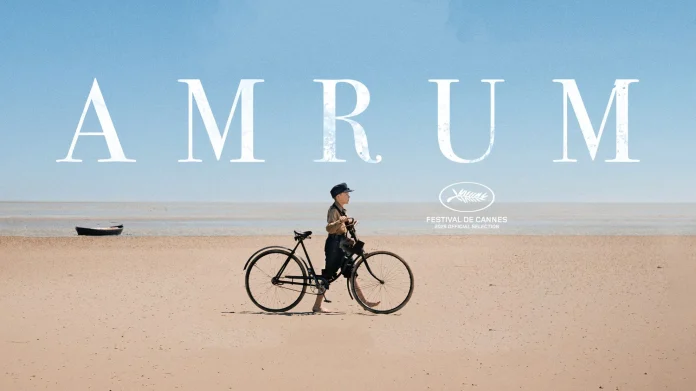
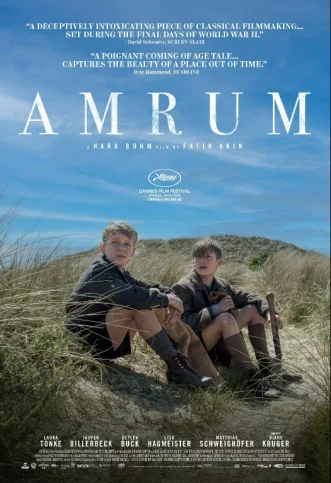
The opening of Fatih Akin’s Amrum echoes the steady, grounded realism of the 2018 short film Turning Tide. It instantly pulls us into a world defined by vast plains and heavy skies. The film plunges you into its setting without holding your hand. For non-German audiences, the opening scenes can be slightly disorienting. The remote geography of the Frisian island and its distinct local dialect create an initial wave of confusion. Yet this brief frustration ultimately serves the narrative perfectly. My own sense of being lost mirrors the profound isolation of the setting.
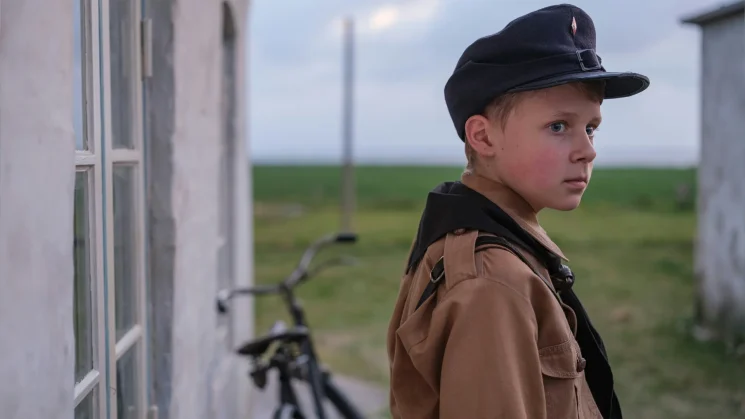
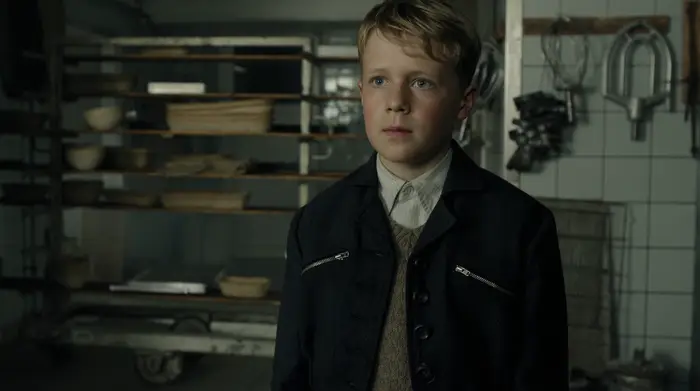
Set just before the fall of the Third Reich, the film follows 12-year-old Nanning (Jasper Billerbeck). The island serves as a geographical refuge for Nanning, his mother, and his younger siblings, while his father, a famous Nazi author, remains away at war. Yet it quickly becomes a psychological battleground. Nanning must navigate the conflicting signals of the collapsing regime while confronting the quiet, indifferent reality of the natural world around him.”
12-year-old Nanning (Jasper Billerbeck) in Fatih Akin’s Amrum
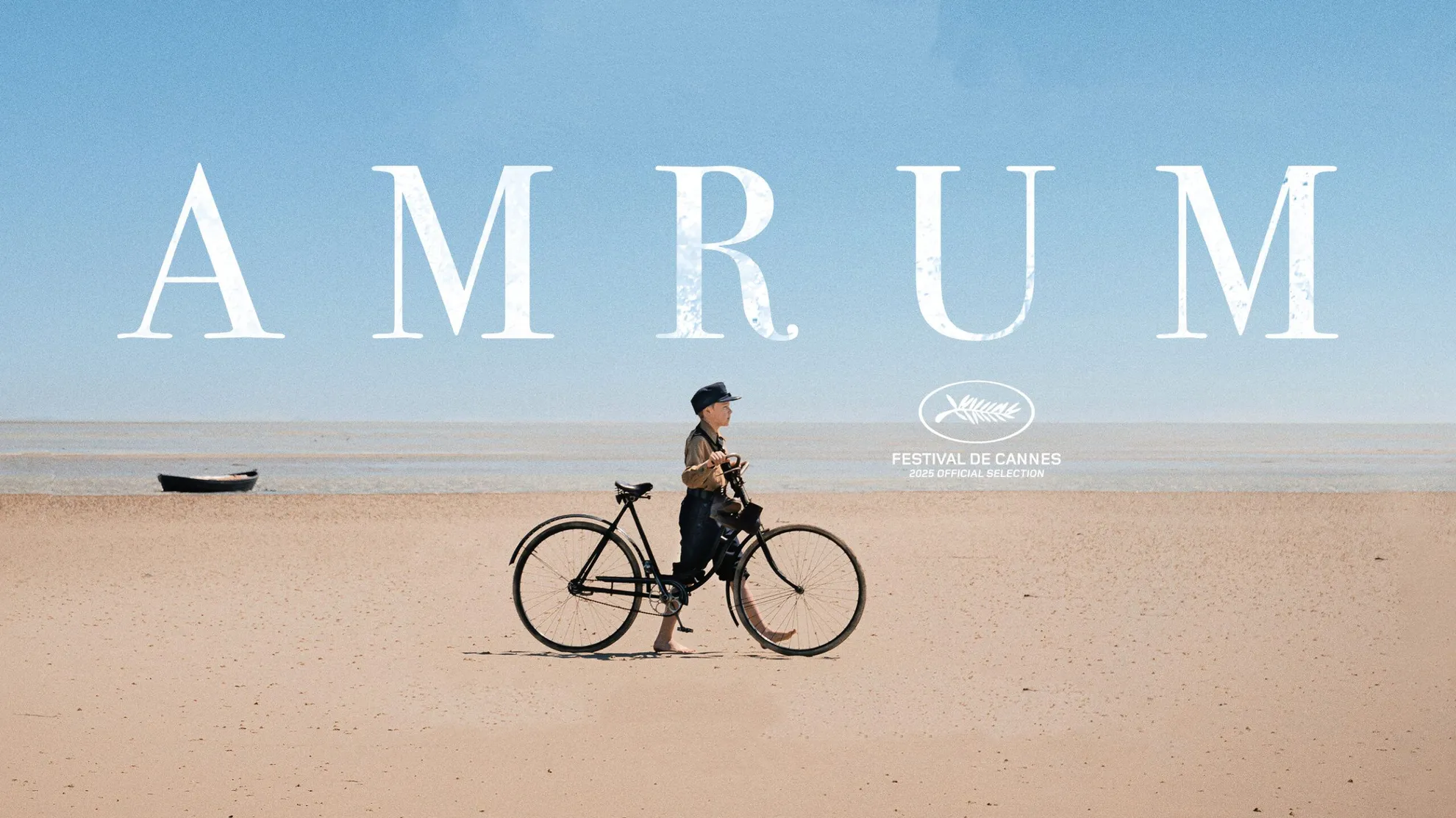
The emotional weight of the film rests squarely on the boy’s small frame. He is constantly juxtaposed against open, isolated landscapes. Akin’s camera refuses to flatter or sentimentalize. Instead, it stays low, locked at Nanning’s eye level, and pushes the horizon line oppressively high. The sea and sky do not liberate the boy; they press down on him. Nature itself becomes a beautiful cage that mirrors the crushing collapse of an entire generation’s reality. Nanning carries not just his own isolation. He is the avatar for every boy raised in the Hitler Youth whose worldview is quietly shattering.
Nanning (Jasper Billerbeck) stands small against the vast, indifferent landscape that becomes his beautiful cage
Visually, the film is defined by a muted, desaturated palette that anchors the story firmly in the past. It feels like a lived-in, worn memory. The atmosphere echoes that of other German Coming-of-Age films, such as The German Lesson (2019). The costumes—dark jackets, knee socks, practical satchels—ground me in unromanticized authenticity. The film is also brilliantly stripped of a heavy musical score. Instead, I hear the silence: the crunch of footsteps, the hum of crickets. The story is deeply interested in the small, unremarkable rhythms that quietly shape a child’s day.
Nanning (Jasper Billerbeck) quietly carrying new adult weight in the unremarkable rhythms of island life.
The performance by young Jasper Billerbeck is almost entirely physical and inward. The camera does not perform for him. Instead, it lingers on small adjustments in his posture and the stillness of his gaze. I see his childish hands engaged in the unremarkable rhythms of island life, but they now carry new, adult weight. In a time defined by scarcity, he trades the carefree innocence of childhood for the quiet, exhausting responsibilities of providing. He takes on chores not out of desperate survival, but because he is willing to do whatever it takes to secure a bit of milk, butter, or white bread for his mother. When I watch him endure these trials, the experience is raw. I found myself physically flinching at the screen—not because of explosive violence but because of the sheer physical toll this premature growing up etches into his small frame.
Amrum ( 2025) – Trailer
Rather than manipulating us with constant, tear-jerking melodrama, the camera adopts a disciplined, observational distance. Watching Amrum feels like reading a profound book. I felt like an observer of a rite of passage, not a participant drowning in emotion. Billerbeck is allowed to be quietly competent and visibly a child—no forced wonder, no manufactured innocence.
Director Fatih Akin is clearly aware of the power in Billerbeck’s specific look. The direction is so restrained that, when Akin finally cuts to rare, striking close-ups of Nanning’s blue-eyed, blond face, the impact is jarring. I am not just looking at a boy. I am looking squarely at the shattered “ideal” of a toxic regime.
Amrum stands as a poignant triumph not through explosive drama but through what is simply and quietly watched. It is a masterclass in cinematic restraint that exposes the sacrifices and tragedy of a lost generation.
Amrum Film Review: A Masterclass in Restraint by Fatih Akin
In short
Set during the collapse of the Third Reich, Fatih Akin’s Amrum is a devastatingly quiet coming-of-age story that captures the physical and psychological toll of a lost generation.
Some lessons are taught with words… others with a steady hand and a watchful eye.
The film surprised me. I knew Anya’s Bell was an American production, so I went in with my guard up. Having watched so many European dramas, I’ve come to expect that American films can often be more emotionally manipulative. The opening reinforced that expectation right away: these almost too-perfect suburban lawns, vintage automobiles idling in the background, the faint outline of leafy trees, and a musical score that is a bit overly dramatic and noticeable.
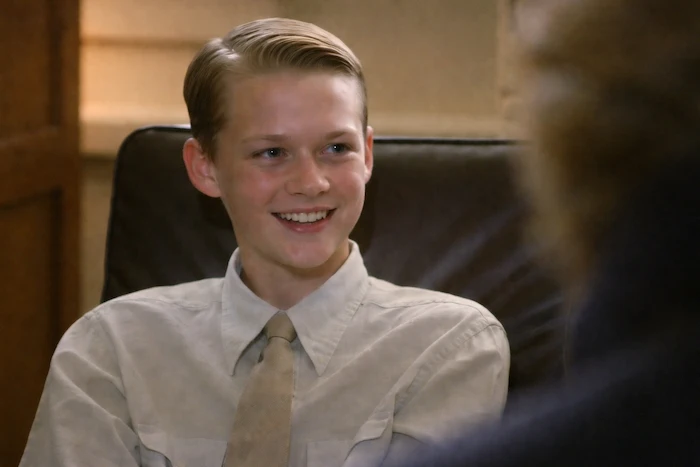
I immediately braced myself for manipulation. But despite the defences I had built, the movie bypassed my cynicism and reached something deep and inspirational. It might not be a masterpiece of gritty “realism,” but it achieves a profound emotional truth that genuinely enriches the viewer. And Mason Gamble is the phenomenal anchor who makes that touching story work.
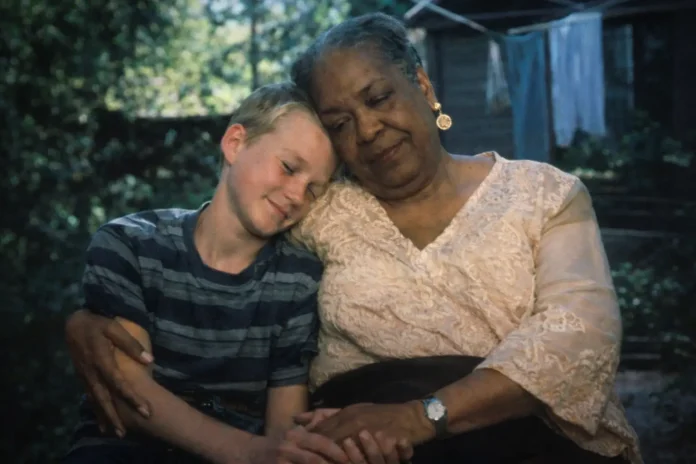
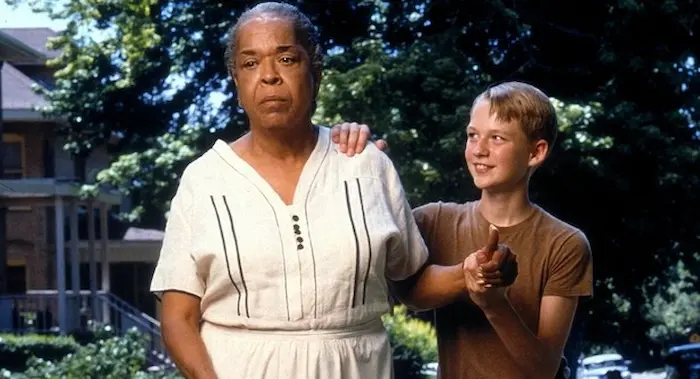
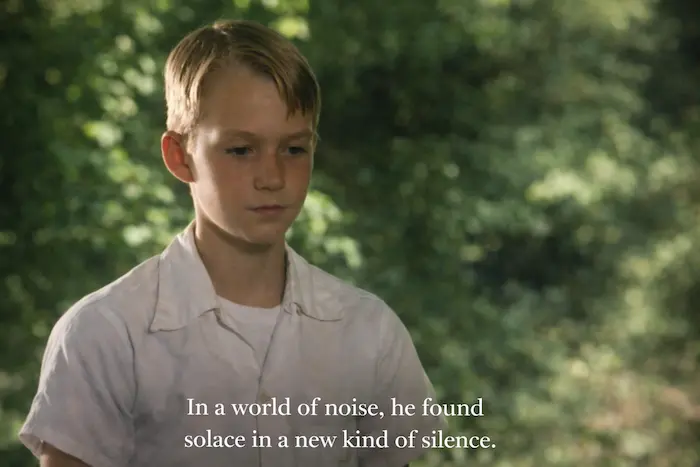
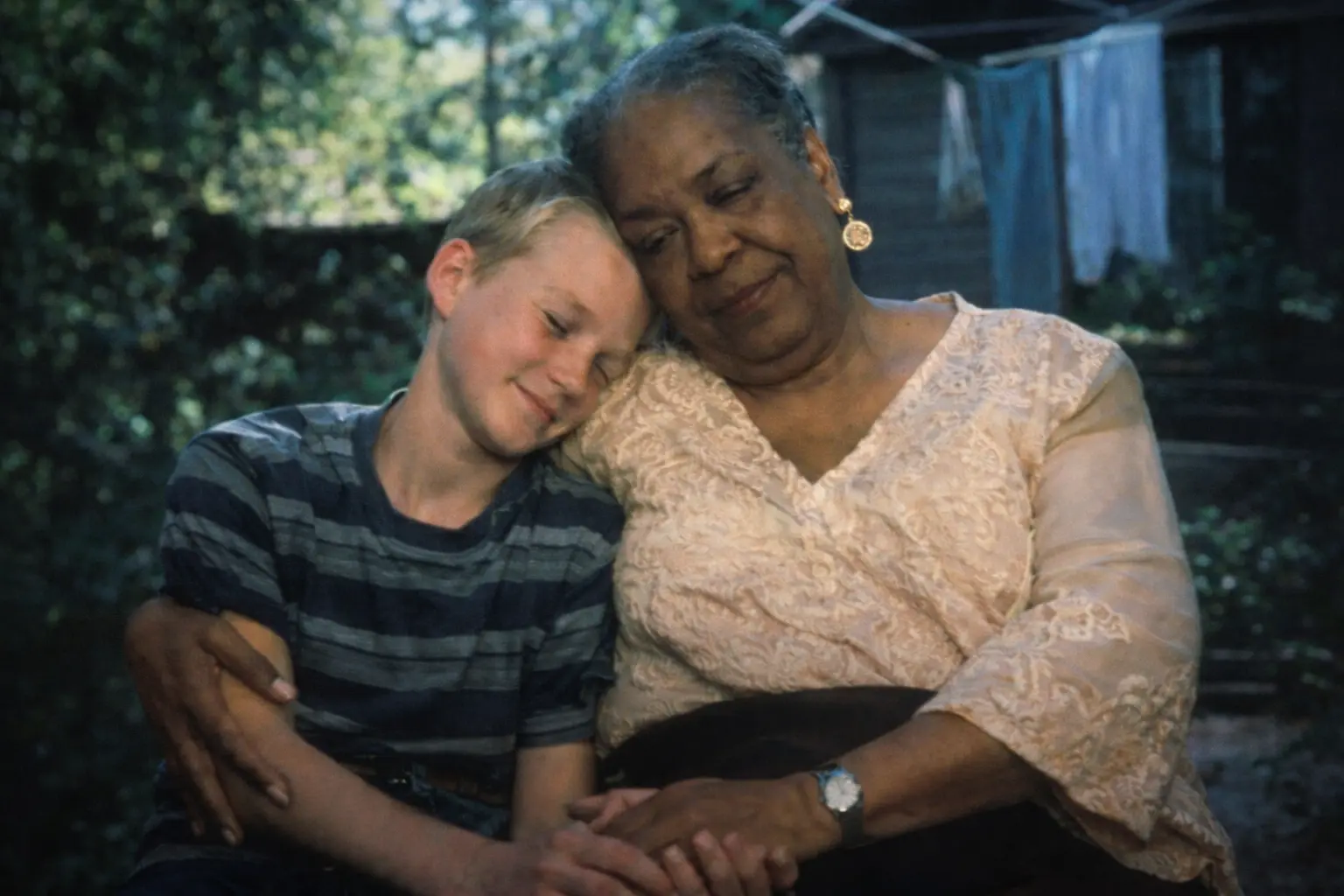
Mason Gamble in Anya’s Bell — where silence speaks louder than words.
That perfect suburban neighbourhood looks so clean and ideal on the surface, but it actually feels like a trap. There is this constant invisible judgment everywhere. Scott (Gamble) does not just appear rumpled and messy—he is carrying around this heavy “slow” label that teachers, classmates, and worst of all, his own mother keep putting on him. You can see how deeply he has started to believe it himself. What hit me hardest was realizing how much of his pain lives in those quiet moments when nothing is being said out loud.
Then the story takes a turn I did not anticipate. Instead of the usual older-male-mentor template, Scott finds refuge with Anya, an older, blind Black woman. When he retreats from the sun-dappled, glaring porch light into the shadowed hallway of her house, the rigid suburban rules seem to dissolve. It reminded me of the old man who used to fix my bike when I was a kid—an adult completely outside my family who offered a judgment-free space. In Anya’s unseeing, accepting presence, both Scott and I felt the safety of being outsiders together.
Still, the moments that truly stay with me come from Gamble’s body more than any dialogue. It is difficult to reconcile that this is the same boy who once bounced through Dennis the Menace with all that hyperactive mischief. (Interestingly, his alternative name on IMDb is listed as “Some Kid Who Went On To Do Nothing”—a self-deprecating joke that perfectly matches the un-Hollywood, grounded reality he brings to this role.)
Here he anchors the film’s polished surface with something that feels completely unscripted and raw. When the emotional pressure mounts, there are no big, theatrical speeches. Instead, the camera simply catches the subtle, downward shifts in his posture—the way he physically carries the weight of his isolation. That quiet, unflashy physical acting does all the emotional work, turning his internal struggle into something I could feel in my own chest.
Anya’s Bell does not shout for attention, and because it is a hard-to-find television movie, it almost completely passes under the cultural radar. Yet what lingers is its quiet, provocative beauty. It gently forces me to remember my own first experiences of emotional exile—those fragile, terrifying moments when you realise you do not quite belong. It is a rare film that does not just entertain; it leaves a small, lasting mark, quietly inviting you to walk away from the screen a little more empathetic than when you first pressed play.
Anya’s Bell (1999) Movie Review
In short
Character/Acting
Score/Soundtrack
Cinematography
Storyline/Screenplay
Production
Direction
Reader Rating0 Votes
Mason Gamble's raw, physical performance
Subverts the typical coming-of-age mentor trope
Effective visual contrasts (sunlight vs. shadow)
Overly dramatic, noticeable musical score
Initially feels like a manipulative, "too-perfect" TV movie
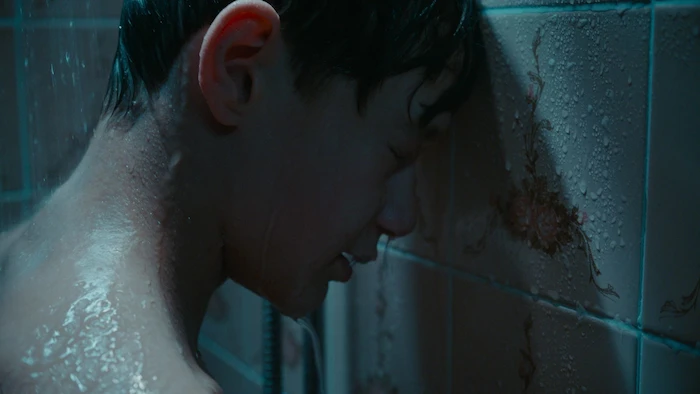
There is a moment near the end of Maciej Sobieszczanski’s Brother where the camera lingers mercilessly on a young boy’s face. He’s holding a red phone to his ear. His brow furrows, his eyes drop. There are no swelling strings to tell us how to feel, no dramatic lighting to announce the tragedy. Just the flat, cold daylight of public transport and the ragged sound of the boy’s breathing. In this quiet, unflinching sequence, you watch a childhood disappear right in front of you.
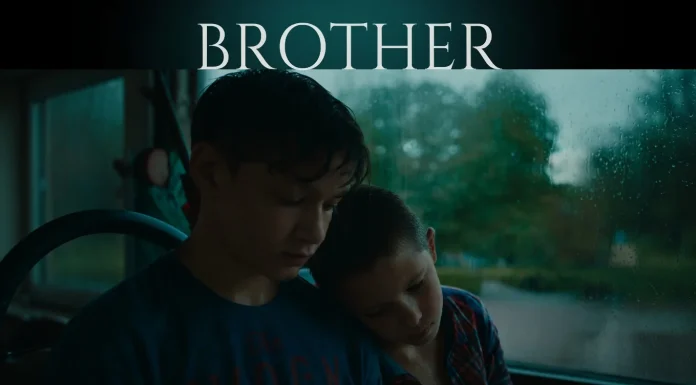
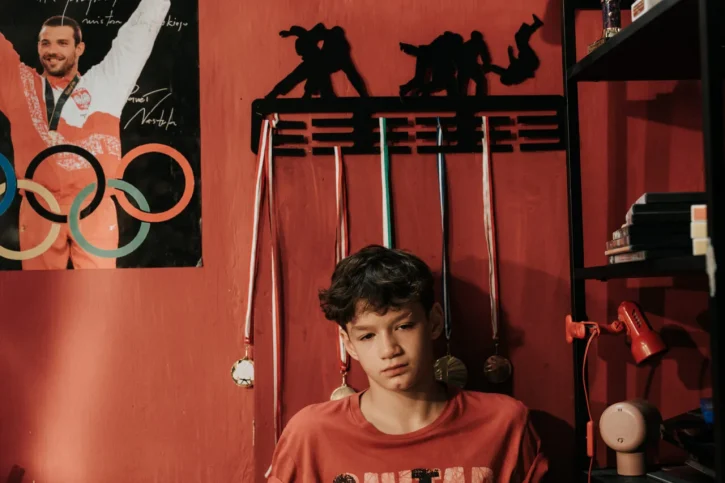
Set in the tense, stifling housing estates of modern Poland, Brother is a powerful piece of social realism about the slow, crushing loss of innocence. The film follows two brothers forced to grow up too fast and fill a painful absence. Dawid (played with impressive stoicism by Filip Wilkomirski), a talented judoka, tries to act as the man of the house, constantly protecting his more impulsive younger brother, Michal (Tytus Szymczuk).
Filip Wilkomirski and Tytus Szymczuk in Brother (2025)
Their mother does her best to keep them grounded. Her love breaks through in small, fragile moments — most memorably in a handwritten note where she opens up about the pain their father has caused. She’s desperately trying to raise them right, even as his destructive influence lingers over the family. He is a phantom presence in their lives: we never actually see him, only hear his demanding voice echoing from the prison across the street.
The camera stays uncomfortably close during Dawid’s heated shouting matches through the fence, making it clear he’s trapped behind the bars of his own psychological prison.
Filip Wiłkomirski as Dawid, the stoic heart of Maciej Sobieszczanski’s Brother.
Sobieszczański shoots with the restless, handheld energy of adolescence itself. The film is rooted in the small, tactile details of everyday life — boiling eggs, stifling schoolyards — pulling you right into the boys’ unpredictable world. But the director knows exactly when to break his own rules. During Dawid’s judo tournaments, the camera suddenly shifts to a striking high angle, looking straight down at the mat. For a moment, the chaos of his life is contained within the strict geometry of the sport — brutal, exciting, and the only place where his struggle actually follows clear rules.
Much like Clenched Fist (2023), Brother builds huge emotional stakes out of ordinary, everyday survival. Its deepest ache comes from the tender ways it subverts our ideas of youth. When Dawid steps into the dark wooden confessional to confess his little brother’s sins for him, the shadows swallow him whole. He isn’t just trying to protect Michał from the streets — he’s trying to protect his soul from God.
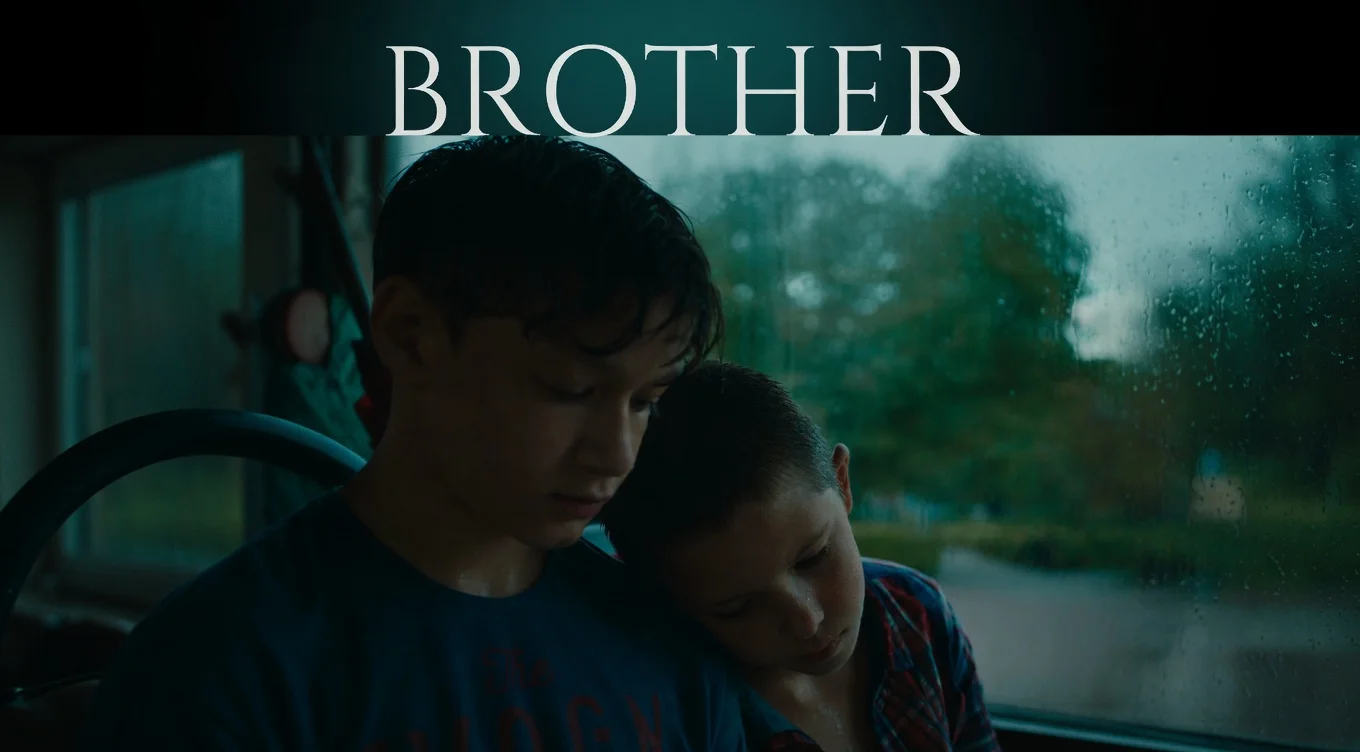
The quiet, resilient bond of brotherhood anchors the tense, stifling world of Maciej Sobieszczanski’s Brother.
In a European cinema landscape full of melodrama, Brother stands out for refusing to lean on it. The film asks for your patience, hiding its emotional weight behind understated editing and quiet observation. But when the climax finally hits — when the story moves from the sweaty closeness of the two brothers to Michał’s long, solitary walk home through the cold — the impact is devastating.
It’s a stark reminder that sometimes the loudest shattering of innocence happens in complete silence.
Ultimately, Brother is a film that moved me deeply, offering a profoundly rewarding experience to anyone willing to give it their time. If you crave authentic, grounded cinema—stories rooted in the heavy, unvarnished reality of everyday life—this film will inevitably get under your skin. And for anyone who follows the coming-of-age genre, consider this essential viewing. It doesn’t just show you what it means to grow up; it makes you feel every quiet, agonizing second of it. Do yourself a favor and seek it out.
Brother (2025)
In short
Stripping away all Hollywood melodrama, Brother delivers a raw, visually stunning masterclass in the social-realist coming-of-age story.
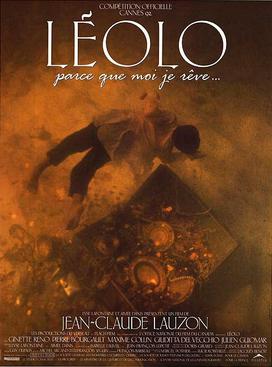
Watching the start of Jean-Claude Lauzon’s 1992 Québécois film, Léolo, it doesn’t feel like a normal movie. It feels like prying into an adult’s most intimate, unfiltered memories of his youth. Between the haunting chanting on the soundtrack and the grainy footage, there is a heavy, uncomfortable vibe right from the opening.
As the adult narrator talks about his childhood, the screen keeps fading to black. It feels almost like he’s blinking away memories that are too hard to look at for very long.
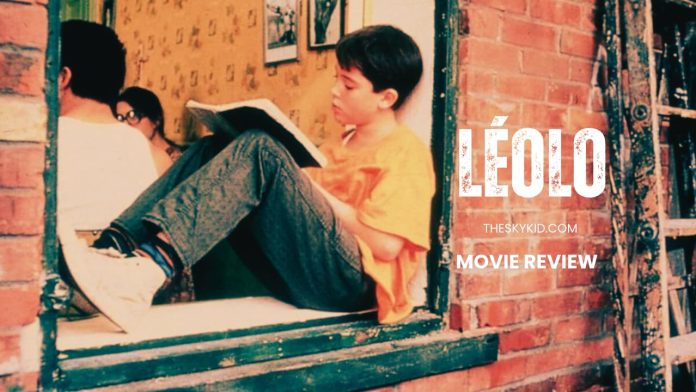
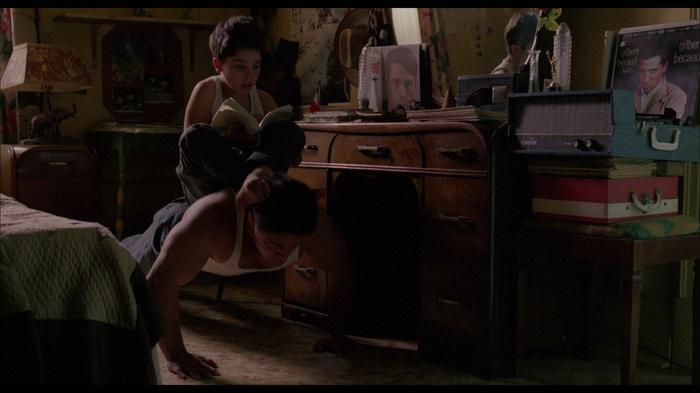
The atmosphere in the house is punctuated by bizarre, awkward family rituals. But then the film gives us a simple scene of Léolo reading on his balcony, silently watching the neighbor girl he is deeply in love with. This isn’t your typical childhood crush; it’s an obsession that reshapes his entire identity. He watches her change clothes or perform “favors” for his grandfather, and instead of turning away, he uses her as the blueprint for his escape.
The movie focuses on everyday sounds like laundry flapping in the wind, finding pure poetry right in the middle of poverty. He escapes into those daydreams because he has to.
Maxime Collin
None of this voyeurism would work without Maxime Collin, who plays the young Léolo. He is extremely sympathetic and delivers a remarkably strong, convincing performance. There is a raw authenticity to him that makes the film feel almost documentary-like, as if the director is simply saying, “Here is the boy I was.” The film doesn’t necessarily force you to fully identify with the protagonist, but Collin’s presence easily involves you in the story.
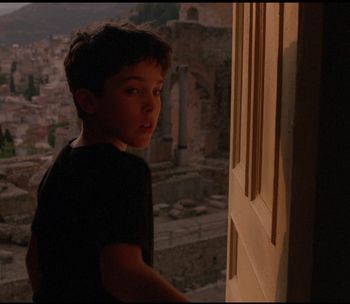
His performance is quiet and observational, which seamlessly matches the film’s voyeuristic tone. He has these incredibly expressive, soulful eyes that convey an entire inner world: watchful, melancholic, and prematurely wise. The adult voice-over works beautifully precisely because Collin’s on-screen presence grounds every poetic line in lived truth. Without his subtle, grounded performance, the film’s delicate blend of poetry, horror, and dark humor would completely collapse.
The moment that truly hooked me was how the movie shows his birth. We see a surreal fantasy where a market truck spills its load, and his mother tumbles into a massive mountain of red tomatoes. Instantly, the film cuts straight to him being born in a hospital. It took me a second to realize what was happening: Léolo is using his imagination to completely reject his own family. He decides those red tomatoes made him Italian. He isn’t Leo, he is Léolo. It’s a brilliant, sad way to show how a kid uses daydreams as a shield to survive his own life.
As the film goes on, the voyeurism shifts, becoming incredibly intimate and surprisingly exciting. There are these scenes where Léolo starts discovering his own body—or, as he calls it, the “tail between his legs.”
We watch him from above, locked in the bathroom with a hidden magazine, exploring with pure curiosity. He even does some wild, messy experiments with a piece of a pig’s liver. The most honest part of it is that he figures out he likes it, so he keeps doing it over and over.
Sitting there watching his new obsession, I was intrigued and honestly found it kind of cute. It instantly brought back the awe and sheer awkwardness of my own preteen experimentations. The movie acts as a profound mirror, and I think it is absolutely inevitable that anyone who watches this film will find their own clumsy, secret memories flashing right over Léolo’s.
As the film moves into its second half, the pacing opens up, throwing a wider variety of wild experiences at us and weaving in this brilliant, biting dark humor. But underneath the laughs, the film’s terrifying reality comes into full focus: Léolo’s family is genuinely, clinically ill.
Through all this bleakness, that calm, poetic voice-over acts as a life raft. It constantly tricks us into believing these are nostalgic memories and that everything will eventually be okay, keeping us floating above the crushing tragedy of his reality.
As a whole, Léolo is an exemplary Coming-of-Age film, but it requires a specific interest in the genre to fully appreciate it. Because it is a Québécois production, it has a distinctly raw aesthetic that puts it on par with Scandinavian cinema, rather than your typical Hollywood movie.
A general audience might find the first half a bit too slow or philosophical and be tempted to give up. Don’t. If you accept the role of the voyeur and give it a chance, the second half pays off in ways that are deeply intriguing and completely unforgettable. If you want a movie that doesn’t gloss over youth, but actually makes you feel the messy, tragic, and beautiful reality of it, Léolo is an absolute must-watch.
Léolo(1992)
In short
Léolo is an exemplary Coming-of-Age film, but it requires a specific interest in the genre to fully appreciate it.
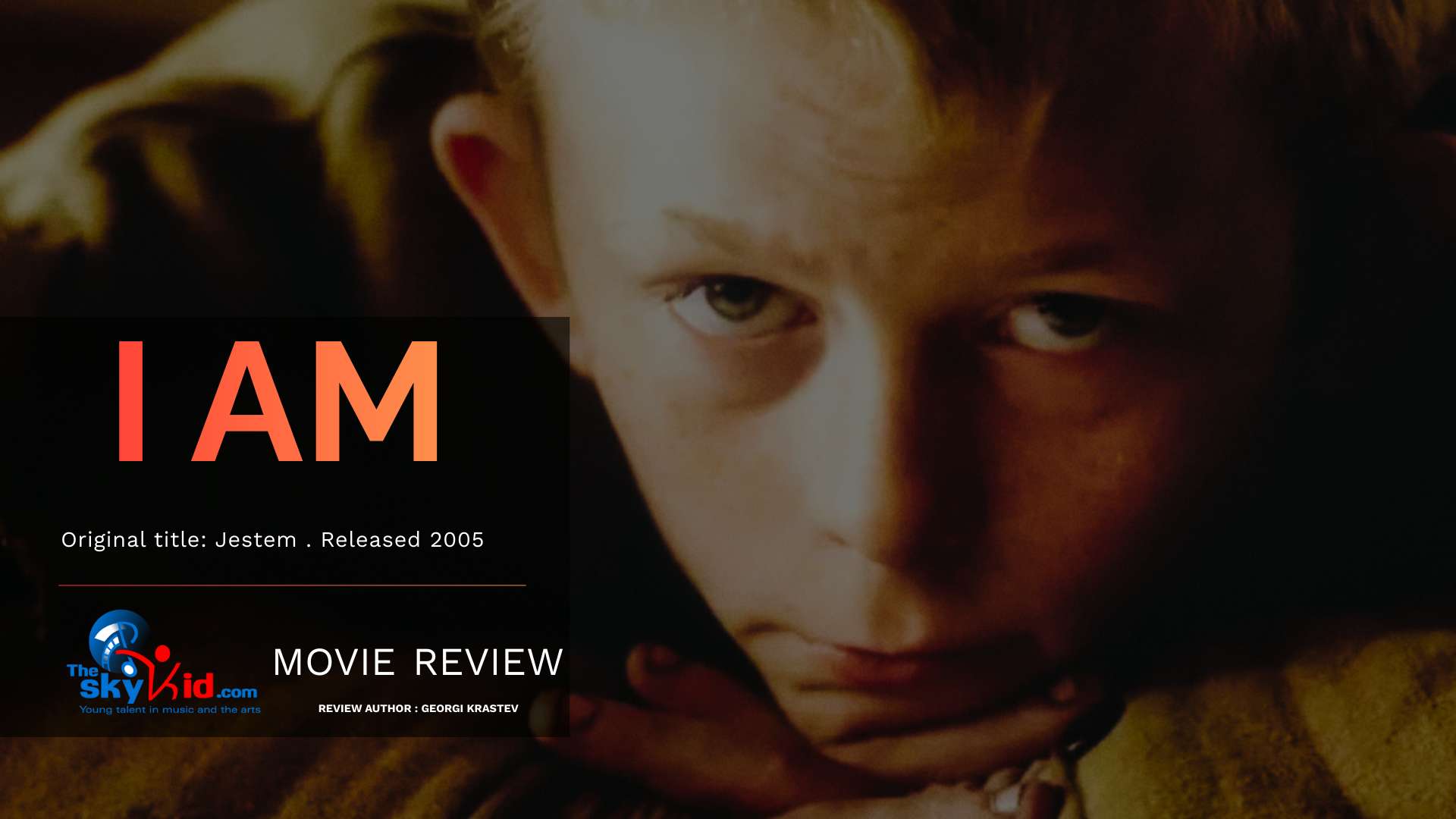
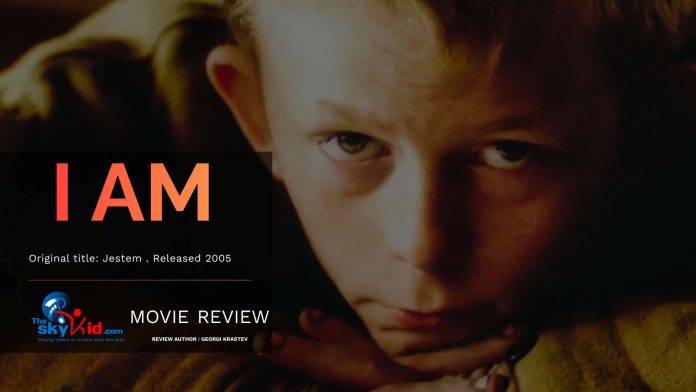
Watching Jestem again, years after my initial viewing, I’m struck not just by the story but by how profoundly it can make one feel a child’s inner life.
In 2009, I wrote about this film, marveling at its visual poetry, the warm sepia tones, and Piotr Jagielski’s remarkable presence as the boy. Revisiting it now, I see even more clearly how the director of the film, DorotaKedzierzawska, doesn’t just show us a boy navigating hardship—she pulls us inside his mind and soul.
From the very first scene, we are plunged into his world: a boy in a reform school, alone, trapped in systems that don’t care. When he escapes and returns to his home, only to find his mother indifferent, the emotional weight of abandonment hits fully. Her words—excuses, half-hearted affection—make us see why he asks the painful question: Who needs me? It’s heartbreaking, yes, but what affects me most as a viewer is understanding how a child comes to such a realization.
You feel the logic of his pain, the quiet accumulation of neglect, and it resonates deeply because Jagielski’s performance is nothing short of extraordinary. Every glance, every subtle twitch of emotion, is a window into a young life forced to reckon with loneliness far beyond its years.
You’re not just watching a boy experience hardship; you’re feeling the architecture of his mind and soul as he navigates neglect, longing, and fleeting moments of care. Every lingering shot, every subtle expression, every quiet musical cue is designed to pull you inside his perspective, so the film doesn’t just tell a story—it invites you to live it. A single look out from a broken window, a silhouette against the river, or the recall of a grandmother’s warmth can convey more than pages of dialogue ever could. Kedzierzawska’s direction, combined with Artur Reinhart’s cinematography, crafts a visual language that is intimate, immediate, and profoundly human.
Piotr Jagielski
The film is, of course, a Coming-of-Age story, but unlike more conventional entries in the genre, it doesn’t sentimentalize or soften hardship. It confronts it head-on. The scene where the boy witnesses other children sniffing glue and smoking in a cellar—children who live with their families, unlike him—is particularly striking. It illustrates how survival alone can sharpen a moral and emotional perspective, even in someone so young.
Jagielski’s portrayal of the boy carries the emotional core of the film. The camera often lingers on his face, letting us inhabit his experience directly. In scenes of fleeting kindness—a shared meal, a gentle conversation, a playful moment—his reactions are layered and natural, conveying a sense of self-awareness and yearning that no adult actor could replicate. It’s a testament to both his talent and Kedzierzawska’s skill in guiding young performers.
The supporting elements of the film—the musical score, the precise lighting, the careful pacing—serve not as decoration but as extensions of his inner world. Michael Nyman’s music subtly underscores the emotional currents, never overwhelming, always amplifying. Moments of silence, punctuated by environmental sounds—the river, a distant bell, a scuffing shoe—become part of the storytelling, embedding the viewer even deeper in the boy’s perspective.
Reflecting on my 2009 review, I’m reminded of the visceral reactions the film originally provoked: the sheer empathy for a child whose world is at once precarious and exquisitely observed. Revisiting it now, I am struck by the continuity in Kedzierzawska’s vision, which resonates through her later film, Tomorrow Will Be Better. Both films explore marginalized childhoods, the subtleties of human connection, and the quiet resilience of young protagonists. While Jestem confronts loneliness and neglect, Tomorrow Will Be Better focuses more on hope and adventure—but the through-line is unmistakable: Kedzierzawska immerses us in the emotional truth of childhood, in ways that are cinematic, poetic, and utterly human.
In the end, Jestem leaves one with more than admiration for craft or narrative. It leaves one changed. It reminds us of the fragility and strength of children, the consequences of adult neglect, and the surprising ways even small acts of care can transform a life. Piotr Jagielski’s performance anchors all of this—his boy is unforgettable, not just because of what he endures, but because he makes us feel it, as though we are walking beside him through every step of a difficult, fleeting childhood.
Jestem is a rare film: one that respects the intelligence of its young protagonist, the patience of its audience, and the subtlety of cinema itself. It is a story of survival, of longing, and of the complex architecture of a child’s mind—rendered with precision, empathy, and a profound emotional honesty that lingers long after the credits roll.
Jestem (I Am) – A Profound Coming-of-Age Masterpiece
In short
If you're seeking a profoundly empathetic and visually poetic film that immerses you in the resilient inner world of a neglected child, I highly recommend I am for its transformative portrayal of loneliness, survival, and human connection that lingers long after viewing.
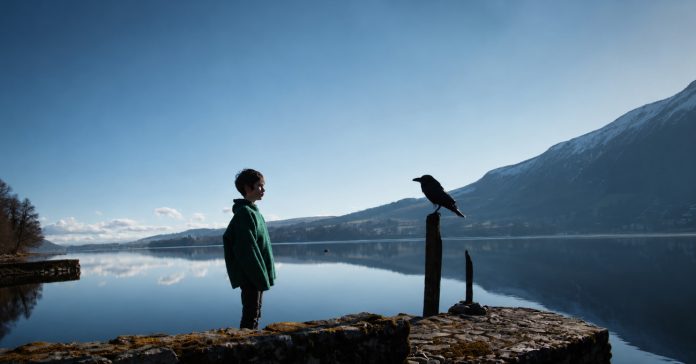
 The Raven on the Jetty opens with a haunting score and an intimate close-up of a young boy’s face. It immediately establishes the chilling, beautiful mise-en-scène so characteristic of British and Irish cinema, leading me to believe I was in for a deeply atmospheric experience. Unfortunately, I quickly realized that this quiet, contemplative mood is merely a mask for a fatal cinematic flaw: weaponized boredom.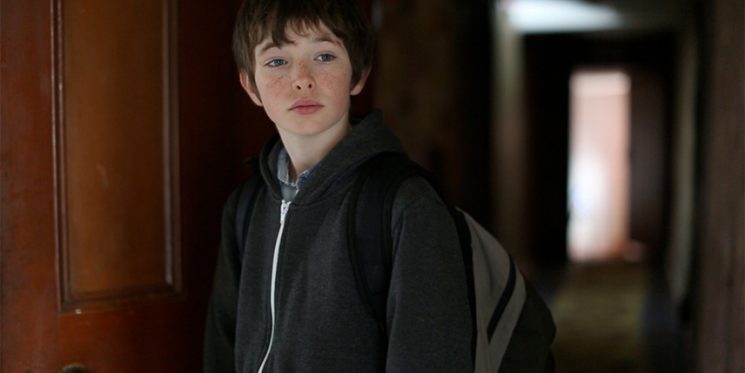
 A truly great Coming-of-Age film has to do more than simply show adolescence unfolding; it needs to make you actually feel the ache of it. Moondance (1994), based on the novel The White Hare, sets itself up right away as a classic, untamed adventure, but it ultimately struggles to cross that threshold.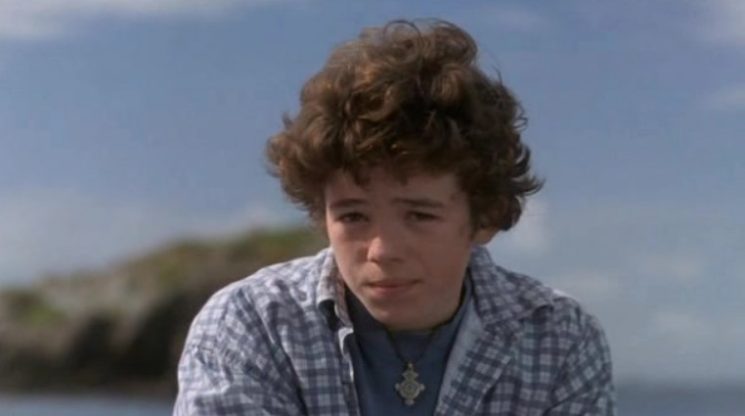
 I have watched and reviewed thousands of Coming-of-Age films. I know their rhythm, the way they usually breathe, and how quickly they pull us into the messy, vibrant hearts of their young protagonists.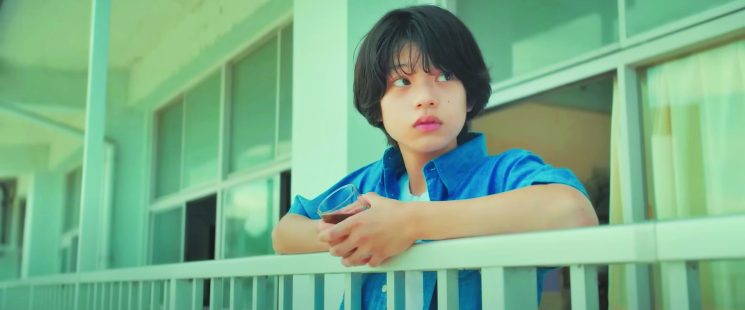
 There is a specific, fragile feeling I always look for when I watch a Coming-of-Age film. I look for that spark of recognition—that quiet, messy, often uncomfortable moment where a child first realizes the adult world isn’t as safe or simple as they thought. The Quebecois film Sous-sol (released internationally as Not Me) captures those nuances beautifully, but it does so in a way that left me feeling strangely conflicted.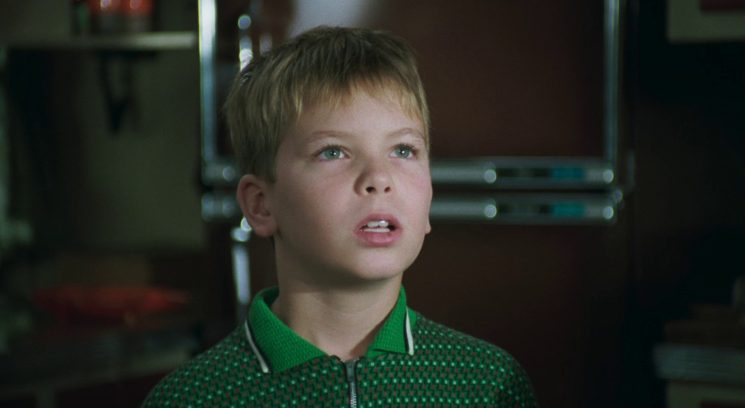
 Over the years I’ve been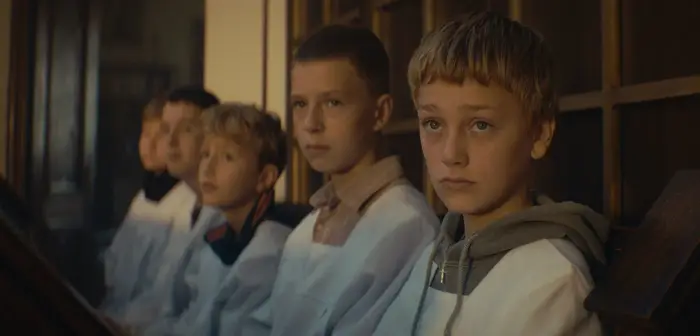
 The opening of Fatih Akin’s Amrum echoes the steady, grounded realism of the 2018 short film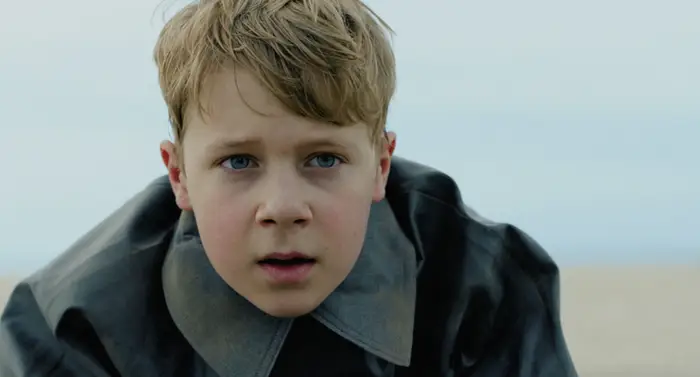
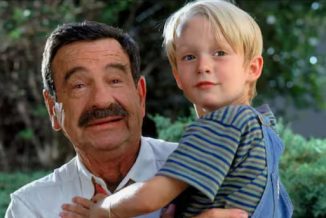 Still, the moments that truly stay with me come from Gamble’s body more than any dialogue. It is difficult to reconcile that this is the same boy who once bounced through Dennis the Menace with all that hyperactive mischief. (Interestingly, his alternative name on IMDb is listed as “Some Kid Who Went On To Do Nothing”—a self-deprecating joke that perfectly matches the un-Hollywood, grounded reality he brings to this role.)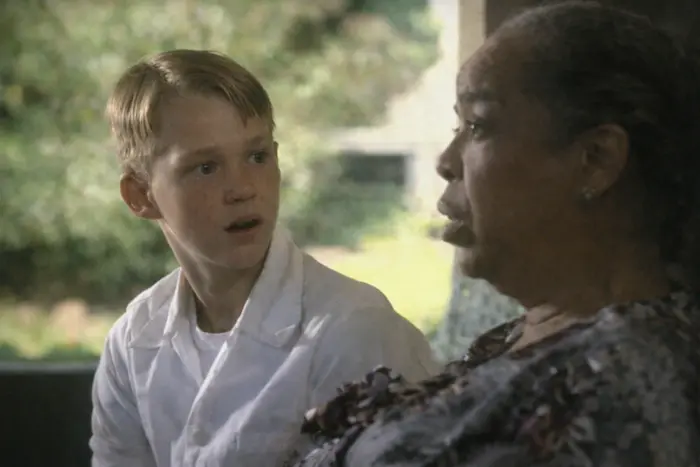
 There is a moment near the end of Maciej Sobieszczanski’s Brother where the camera lingers mercilessly on a young boy’s face. He’s holding a red phone to his ear. His brow furrows, his eyes drop. There are no swelling strings to tell us how to feel, no dramatic lighting to announce the tragedy. Just the flat, cold daylight of public transport and the ragged sound of the boy’s breathing. In this quiet, unflinching sequence, you watch a childhood disappear right in front of you.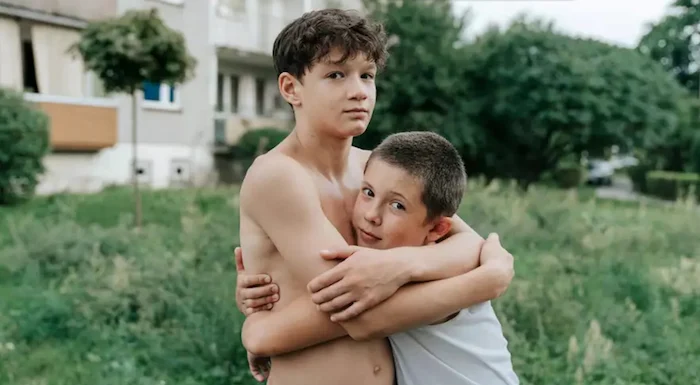
 Watching the start of Jean-Claude Lauzon’s 1992 Québécois film, Léolo, it doesn’t feel like a normal movie. It feels like prying into an adult’s most intimate, unfiltered memories of his youth. Between the haunting chanting on the soundtrack and the grainy footage, there is a heavy, uncomfortable vibe right from the opening.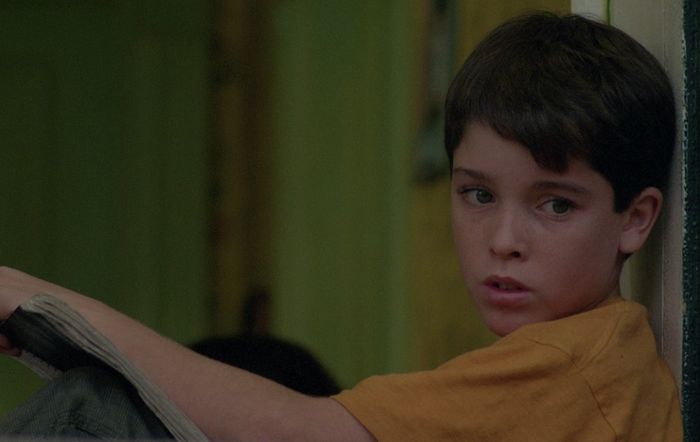
 His performance is quiet and observational, which seamlessly matches the film’s voyeuristic tone. He has these incredibly expressive, soulful eyes that convey an entire inner world: watchful, melancholic, and prematurely wise. The adult voice-over works beautifully precisely because Collin’s on-screen presence grounds every poetic line in lived truth. Without his subtle, grounded performance, the film’s delicate blend of poetry, horror, and dark humor would completely collapse.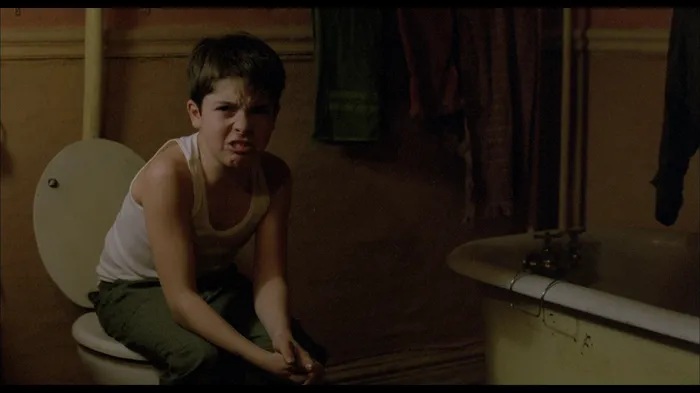
 Sitting there watching his new obsession, I was intrigued and honestly found it kind of cute. It instantly brought back the awe and sheer awkwardness of my own preteen experimentations. The movie acts as a profound mirror, and I think it is absolutely inevitable that anyone who watches this film will find their own clumsy, secret memories flashing right over Léolo’s.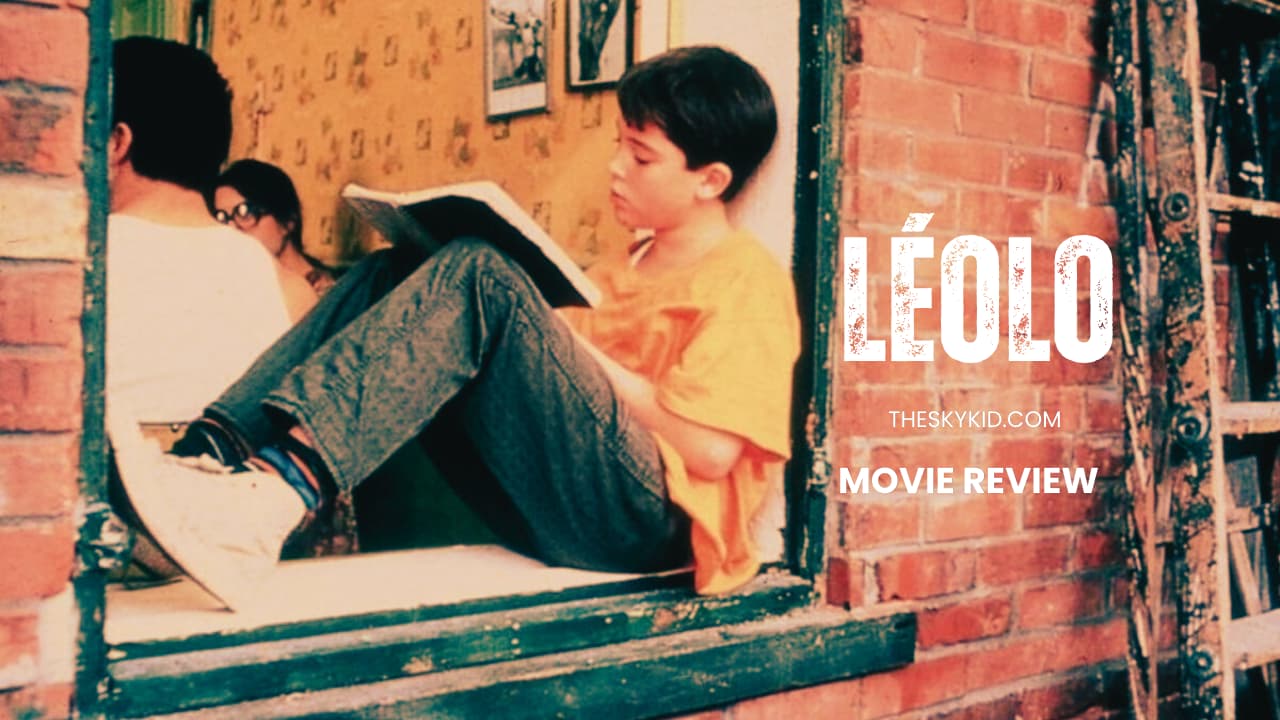
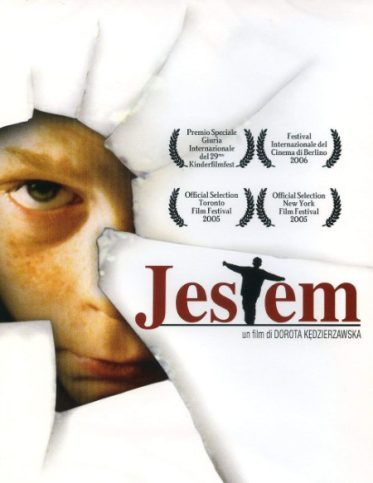 Watching Jestem again, years after my initial viewing, I’m struck not just by the story but by how profoundly it can make one feel a child’s inner life.