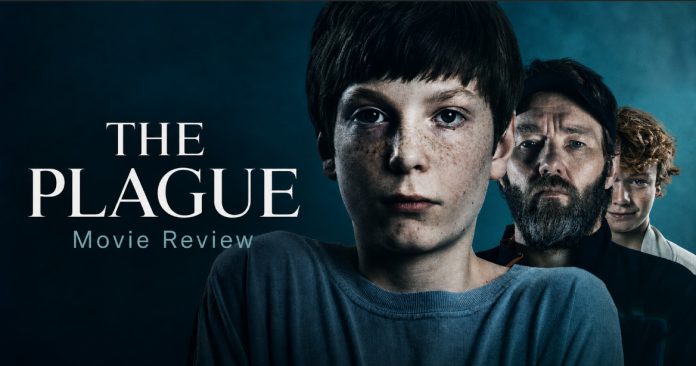
Sometimes, a film’s ability to simply keep you awake is the greatest testament to its power. Going into The Plague, I was completely exhausted, unsure if I’d even make it past the first act. But the film opens with a hypnotic, almost psychedelic sequence that grabs you by the throat and refuses to let go. Within the first few minutes, the film builds wildly distinct characters through careful choices in appearance and dialogue, and I found myself immediately taking sides.
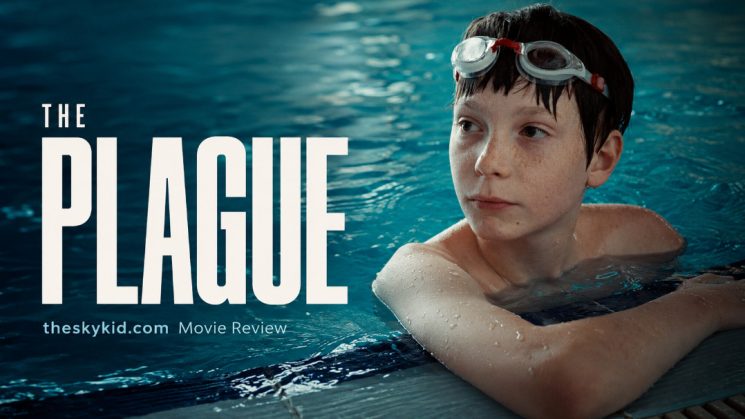
There is a distinct rawness to The Plague that immediately calls to mind Larry Clark’s Kids. The dialogue doesn’t feel scripted; it captures the exact, unfiltered way kids that age actually talk—or at least, how I remember talking and how I imagine they still do. The film doesn’t flinch from the messy reality of that age—the chaotic group energy, the implied (and sometimes overt) hormone-fueled group antics, and the unfiltered chaos of youth. Coupled with slow-motion sequences that give off heavy Peter Pan Lost Boys vibes, it creates a magnetic atmosphere. By the time the central group is established, I was already deeply intrigued by at least four of them.
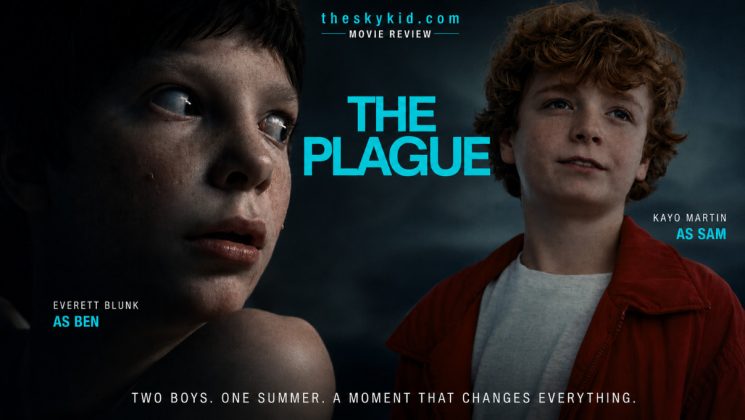
The ensemble cast is a huge part of what makes this film sing. Kayo Martin, whose presence I’d glimpsed on social media before, radiates a natural energy on screen; it feels less like acting and more like he’s simply existing in front of the camera.
Then there is Everett Blunk. If you follow my reviews here at theskykid.com, you might remember the huge impression he made on me in Griffin in Summer. In that review, I noted how Everett entirely carried the film and how his incredibly expressive face keeps you locked in. That same magnetism is present in The Plague. The dynamic here is slightly different, though; rather than carrying a solo act, his character is juxtaposed against Kayo Martin’s in a really compelling way, blending perfectly into the ensemble acting.
The Plague *2025* Trailer
The technical choices quietly elevate the whole thing. In his feature debut, writer-director Charlie Polinger keeps the camera restless yet intimate, lingering on almost uncomfortable close-ups of Everett’s face that feel like we’re eavesdropping on his thoughts. The editing shifts between dreamy slow-motion and sudden bursts of raw energy, perfectly mirroring the emotional whiplash of adolescence. The production design grounds it all, with locations that feel genuinely lived-in and authentic rather than artificially stylized.
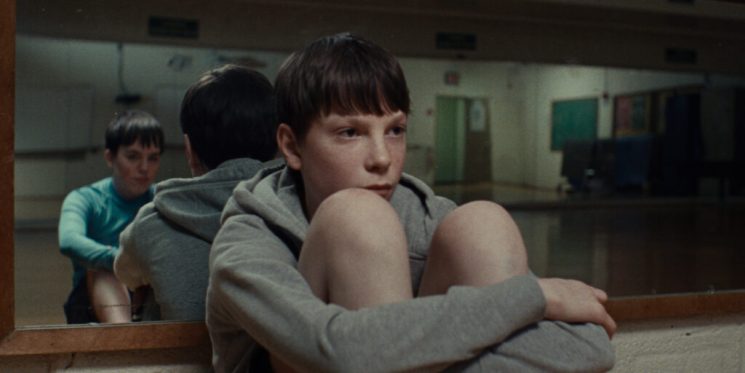
Beneath the surface-level teenage chaos, the story is remarkably deep. It tackles the universal realities of growing up, bullying, peer pressure, and the heavy toll of simply being different. I suppose at no stage in life is being “unique” completely acceptable to the masses.
Watching the film, I kept asking myself: what was my plague? For me, it was being the boy who was obsessed with Hanson when no other guys were. Even today, the pressure to conform doesn’t really go away. Most of my friends are married with kids, while I am still out doing raves, writing about Coming-of-Age films, and listening to treble-heavy music. I do these things because that is who I am, and I shouldn’t change for anyone or anything. It’s a rare cinematic achievement for a film to prompt that kind of self-affirmation while the credits are still rolling.
Ultimately, The Plague builds to a powerful and perfectly fitting finale. It is a film destined to appeal heavily to a niche audience—specifically, fans of the Coming-of-Age genre—but its thematic core is deeply universal. It pulls you in, holds up a mirror to the awkward defiance of youth, and leaves you reflecting on your own refusal to grow up the way everyone else expects you to.
 I have watched and reviewed thousands of Coming-of-Age films. I know their rhythm, the way they usually breathe, and how quickly they pull us into the messy, vibrant hearts of their young protagonists.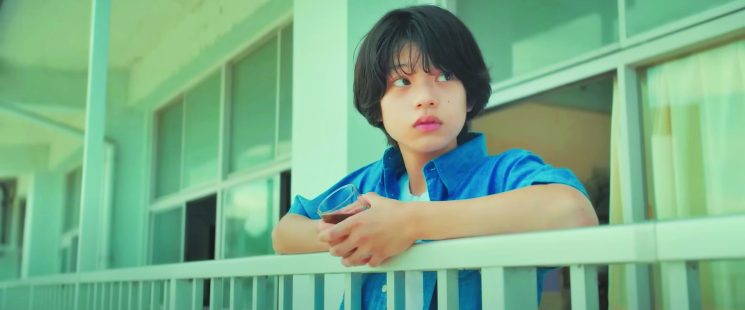
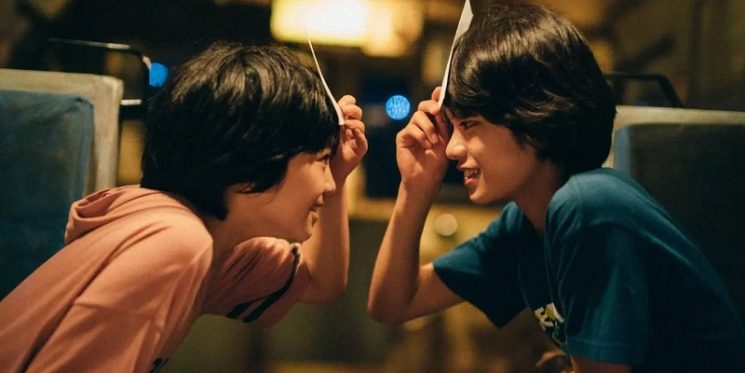
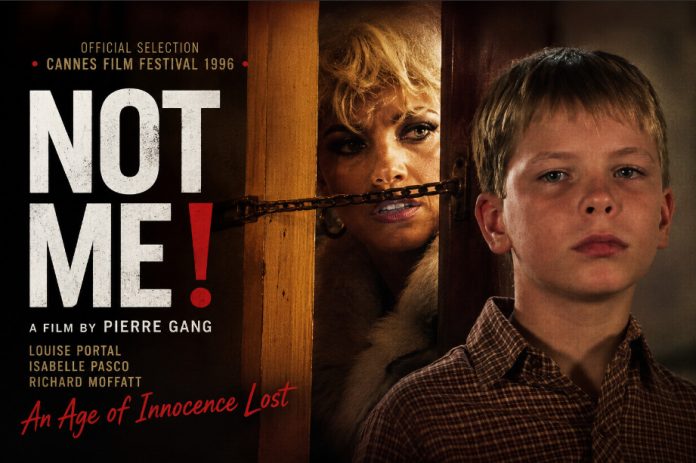
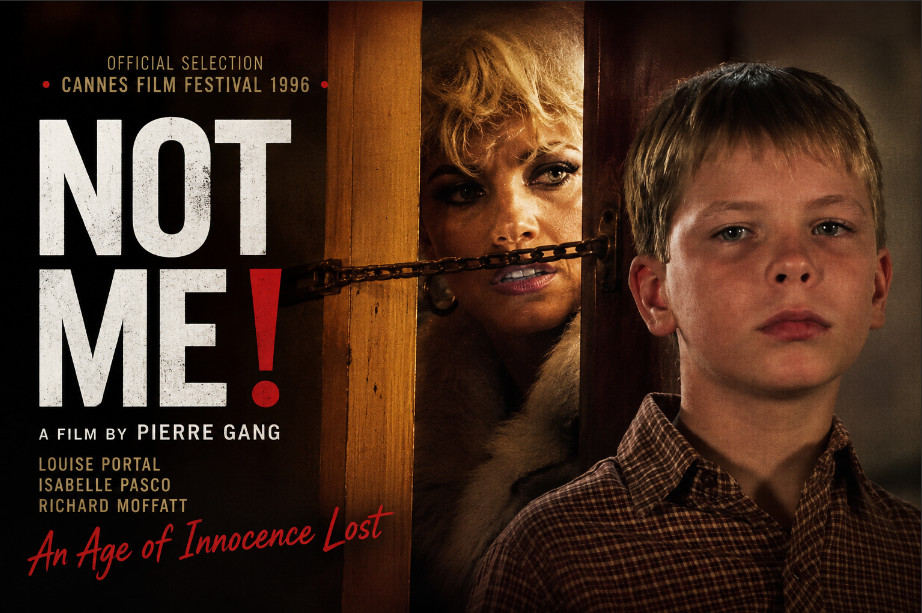
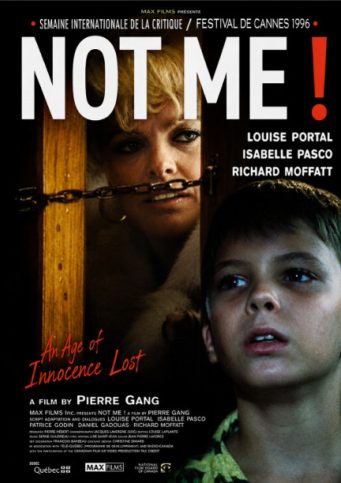 There is a specific, fragile feeling I always look for when I watch a Coming-of-Age film. I look for that spark of recognition—that quiet, messy, often uncomfortable moment where a child first realizes the adult world isn’t as safe or simple as they thought. The Quebecois film Sous-sol (released internationally as Not Me) captures those nuances beautifully, but it does so in a way that left me feeling strangely conflicted.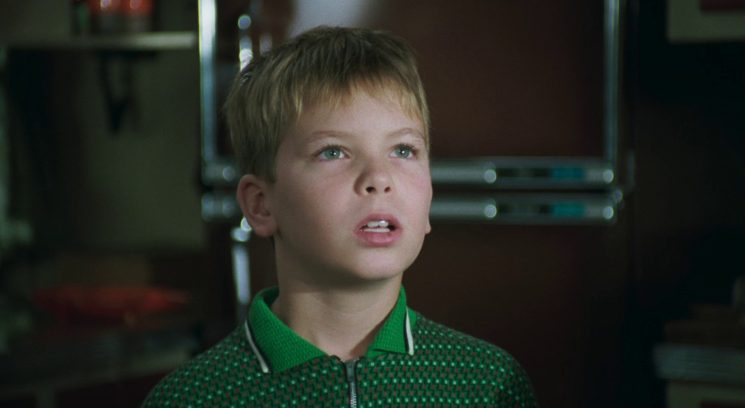
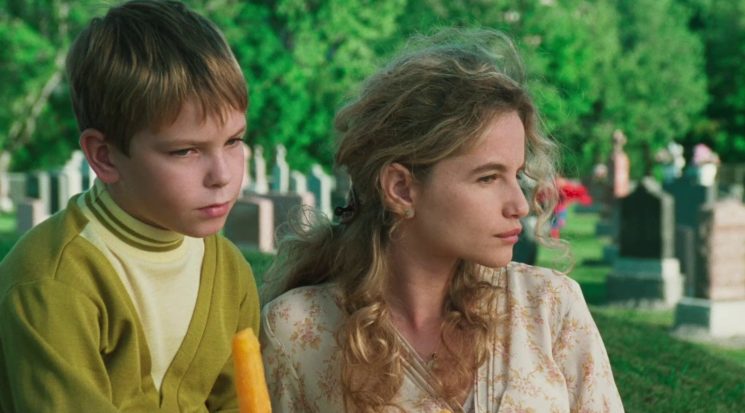
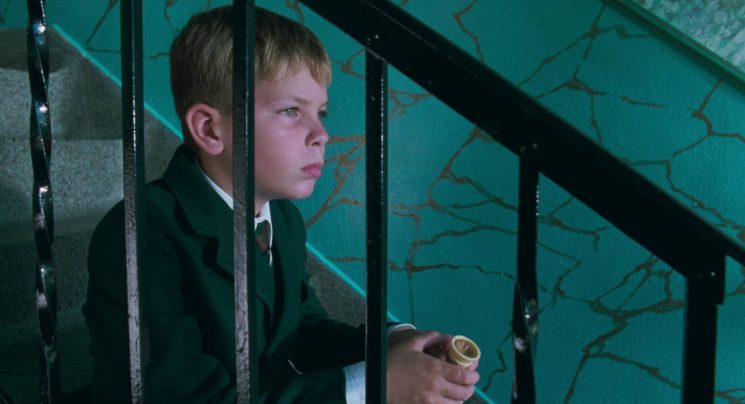
 Over the years I’ve been
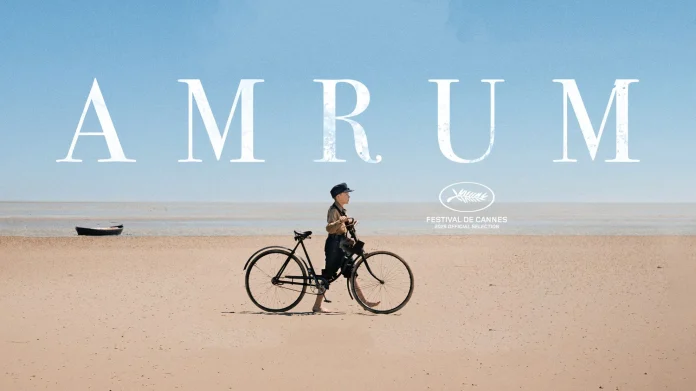
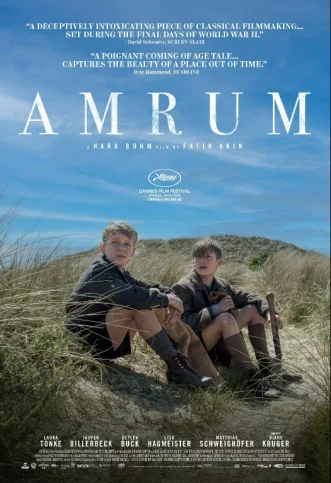 The opening of Fatih Akin’s Amrum echoes the steady, grounded realism of the 2018 short film
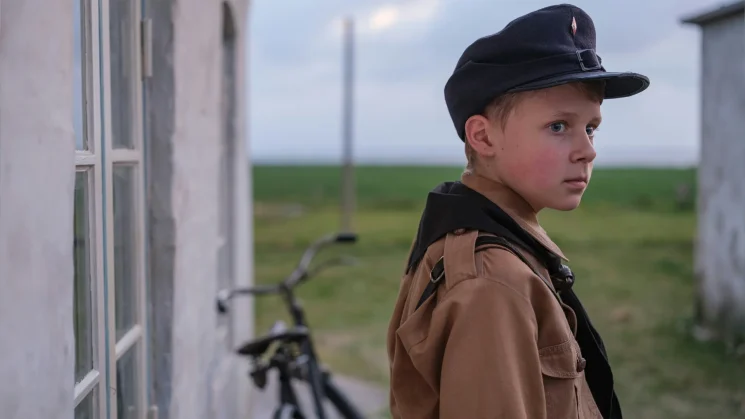
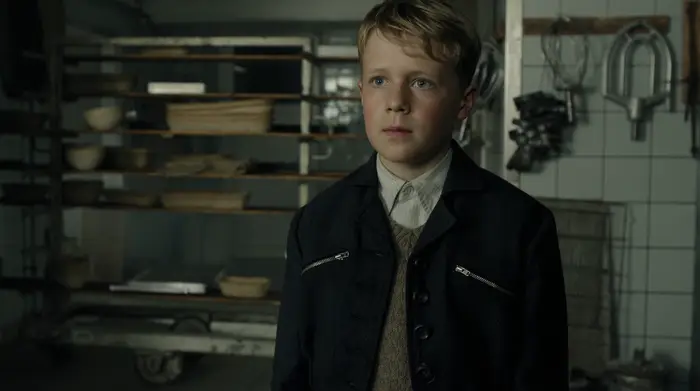
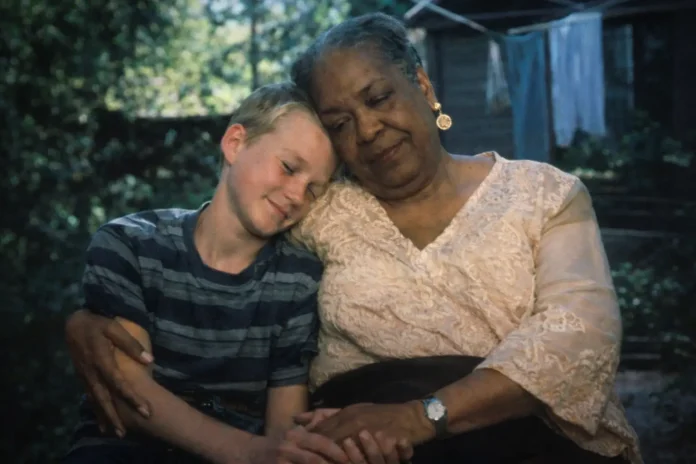
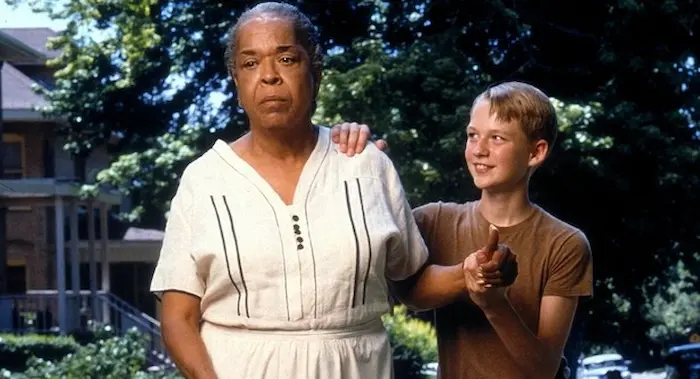
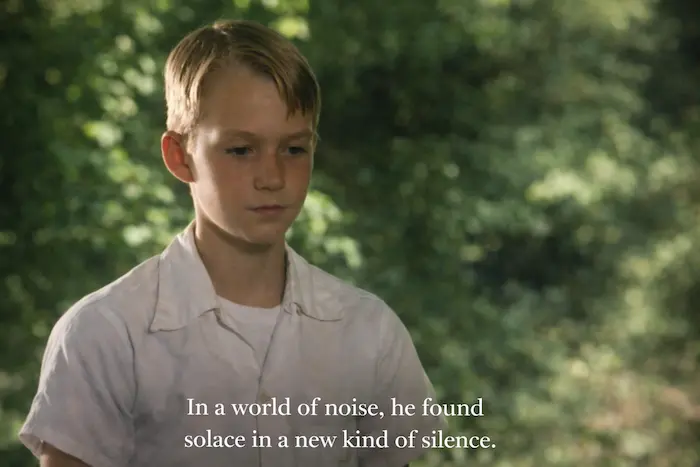
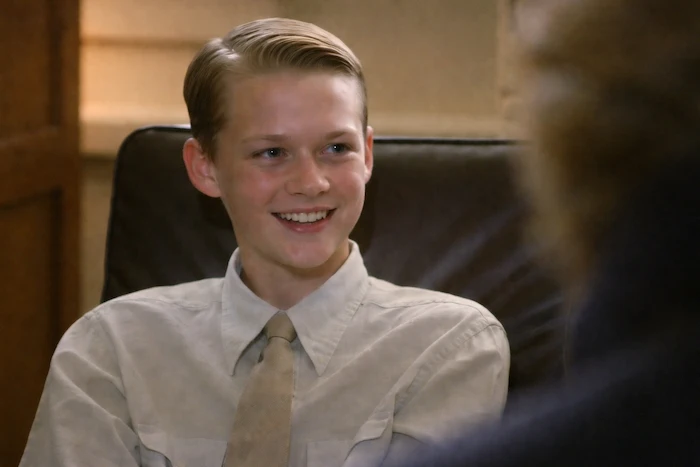
 Still, the moments that truly stay with me come from Gamble’s body more than any dialogue. It is difficult to reconcile that this is the same boy who once bounced through Dennis the Menace with all that hyperactive mischief. (Interestingly, his alternative name on IMDb is listed as “Some Kid Who Went On To Do Nothing”—a self-deprecating joke that perfectly matches the un-Hollywood, grounded reality he brings to this role.)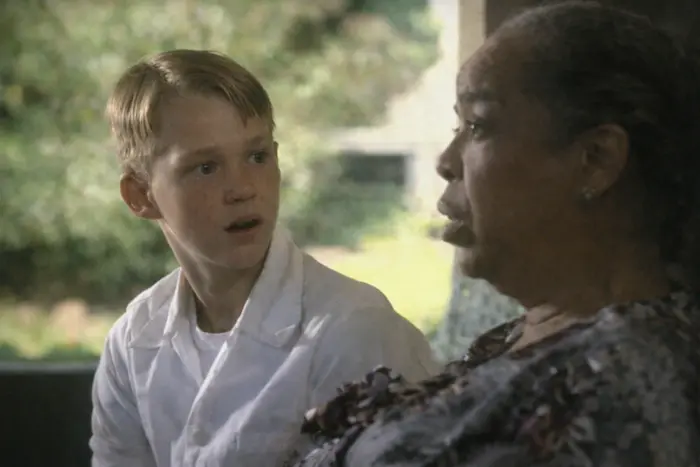
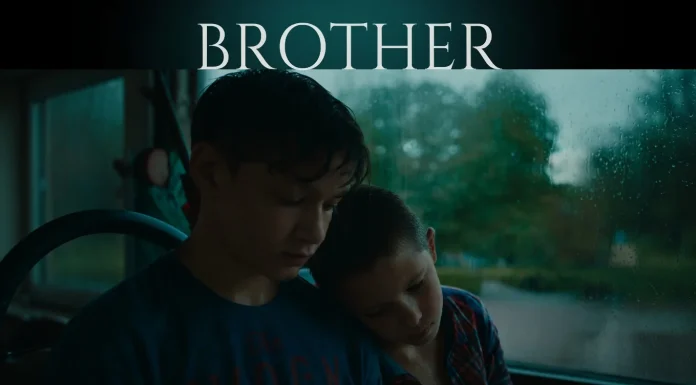
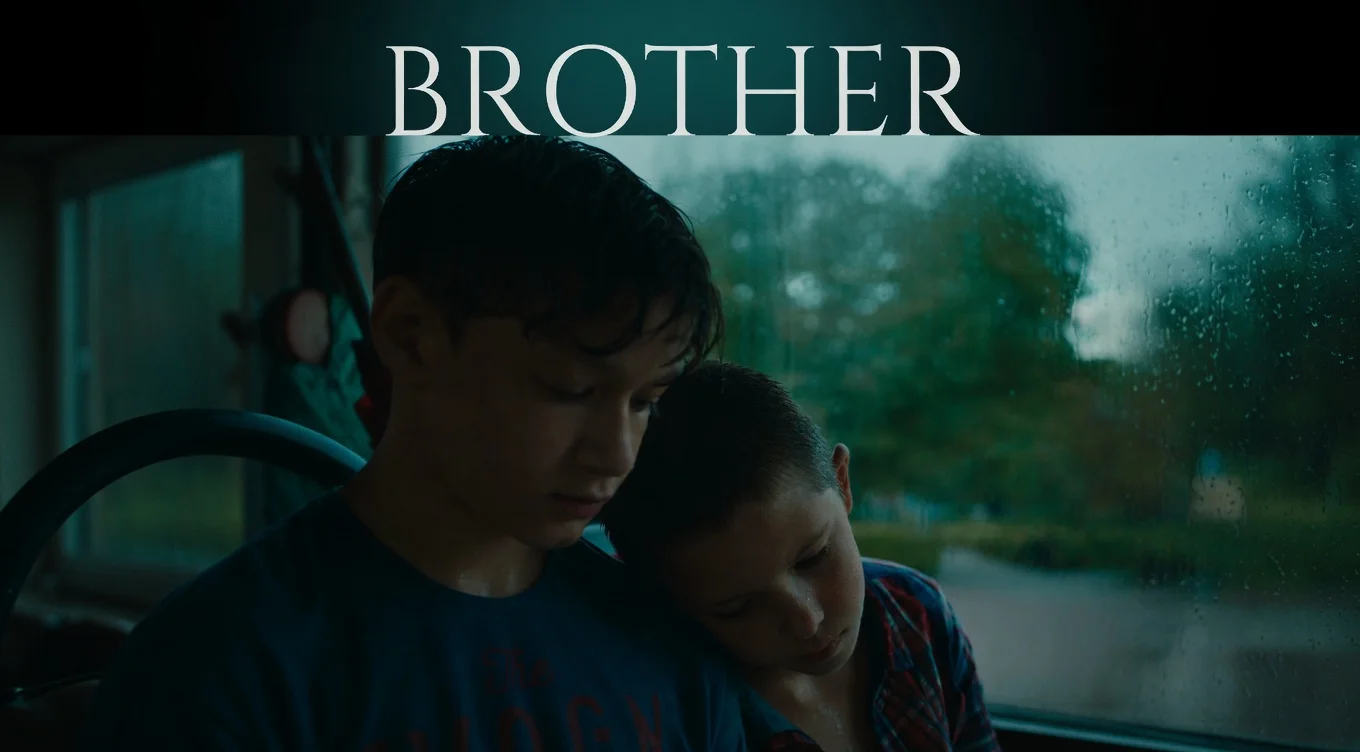
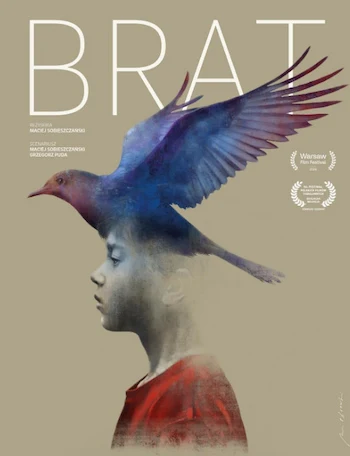 There is a moment near the end of Maciej Sobieszczanski’s Brother where the camera lingers mercilessly on a young boy’s face. He’s holding a red phone to his ear. His brow furrows, his eyes drop. There are no swelling strings to tell us how to feel, no dramatic lighting to announce the tragedy. Just the flat, cold daylight of public transport and the ragged sound of the boy’s breathing. In this quiet, unflinching sequence, you watch a childhood disappear right in front of you.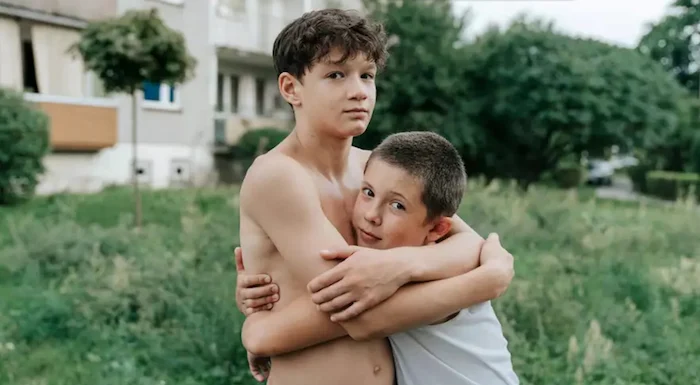
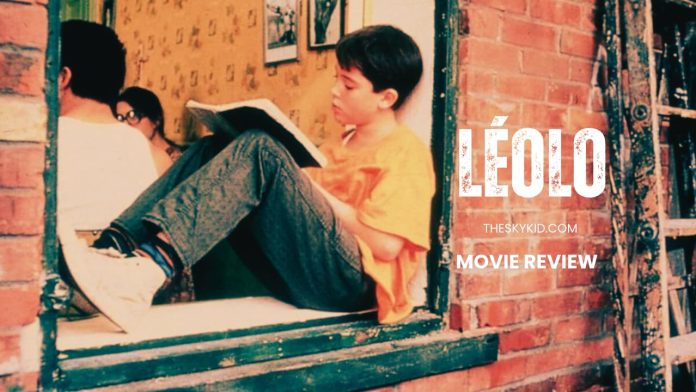
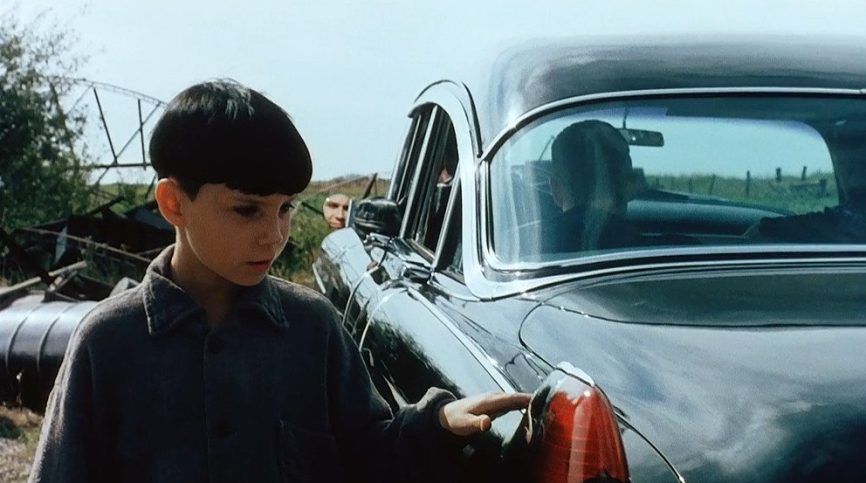
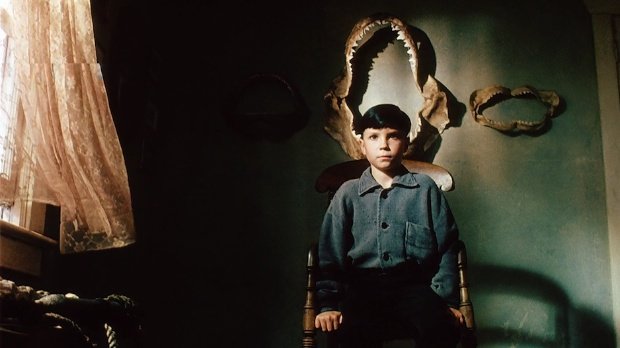
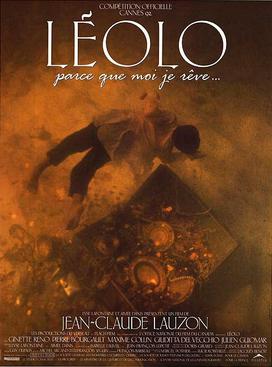 Watching the start of Jean-Claude Lauzon’s 1992 Québécois film, Léolo, it doesn’t feel like a normal movie. It feels like prying into an adult’s most intimate, unfiltered memories of his youth. Between the haunting chanting on the soundtrack and the grainy footage, there is a heavy, uncomfortable vibe right from the opening.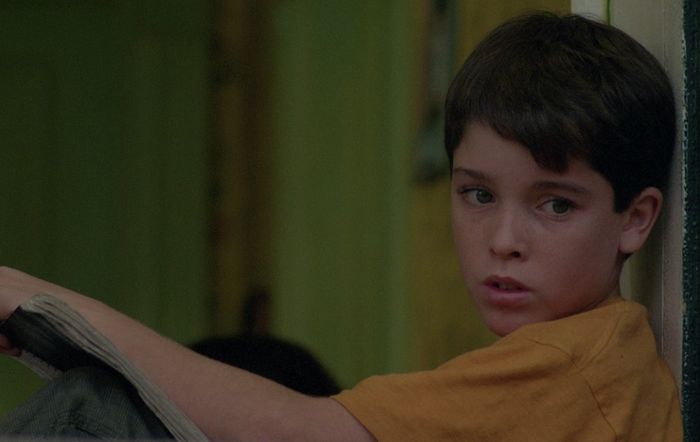
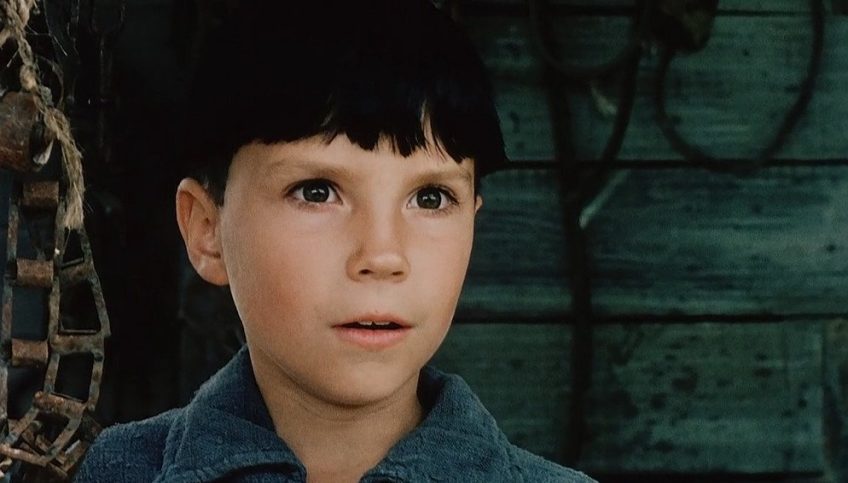
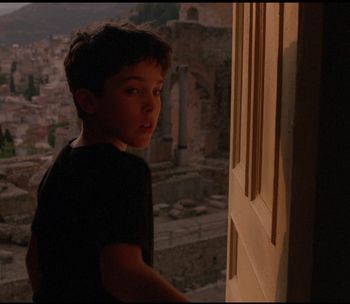 His performance is quiet and observational, which seamlessly matches the film’s voyeuristic tone. He has these incredibly expressive, soulful eyes that convey an entire inner world: watchful, melancholic, and prematurely wise. The adult voice-over works beautifully precisely because Collin’s on-screen presence grounds every poetic line in lived truth. Without his subtle, grounded performance, the film’s delicate blend of poetry, horror, and dark humor would completely collapse.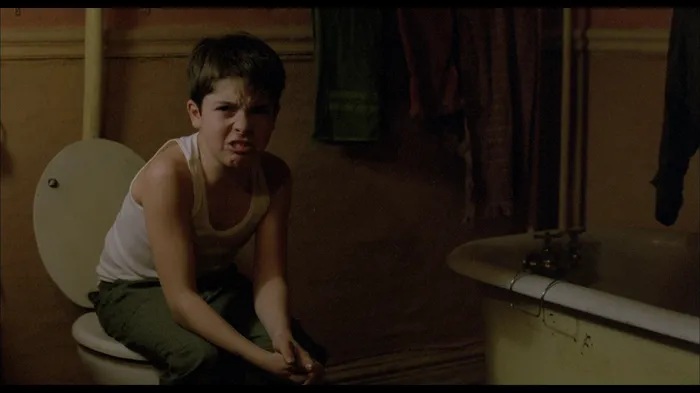
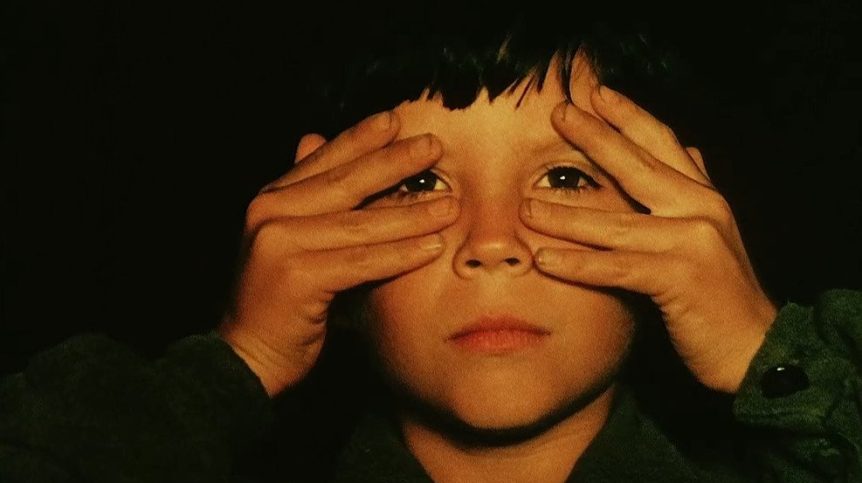
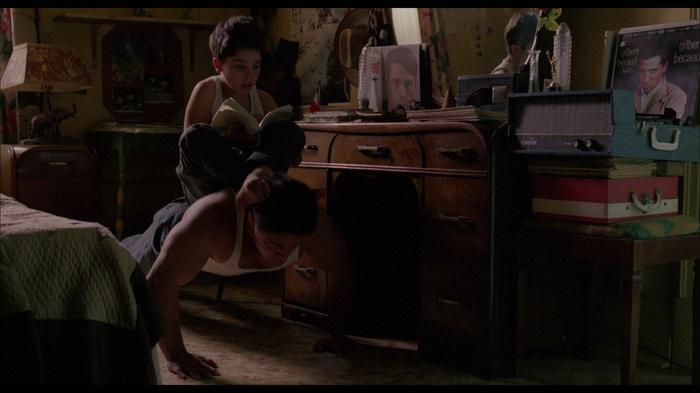 Sitting there watching his new obsession, I was intrigued and honestly found it kind of cute. It instantly brought back the awe and sheer awkwardness of my own preteen experimentations. The movie acts as a profound mirror, and I think it is absolutely inevitable that anyone who watches this film will find their own clumsy, secret memories flashing right over Léolo’s.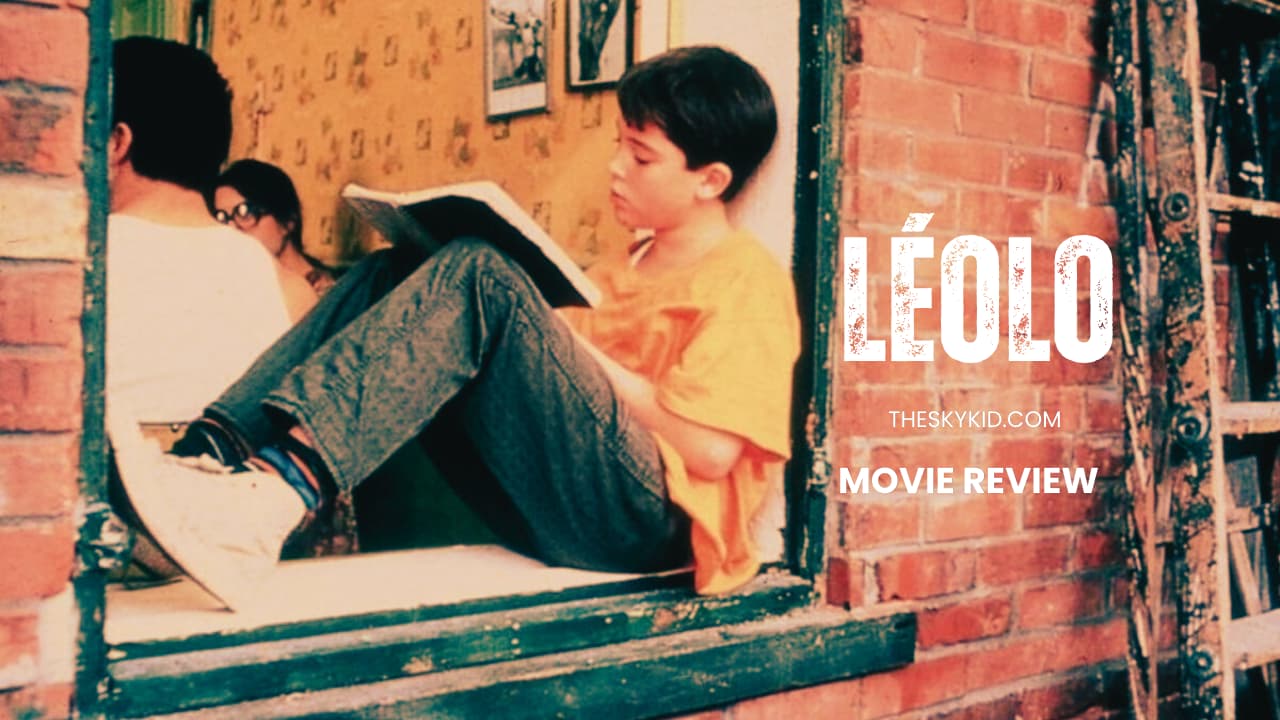
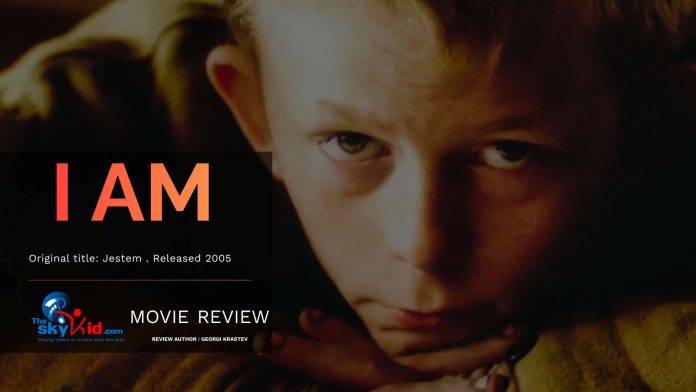
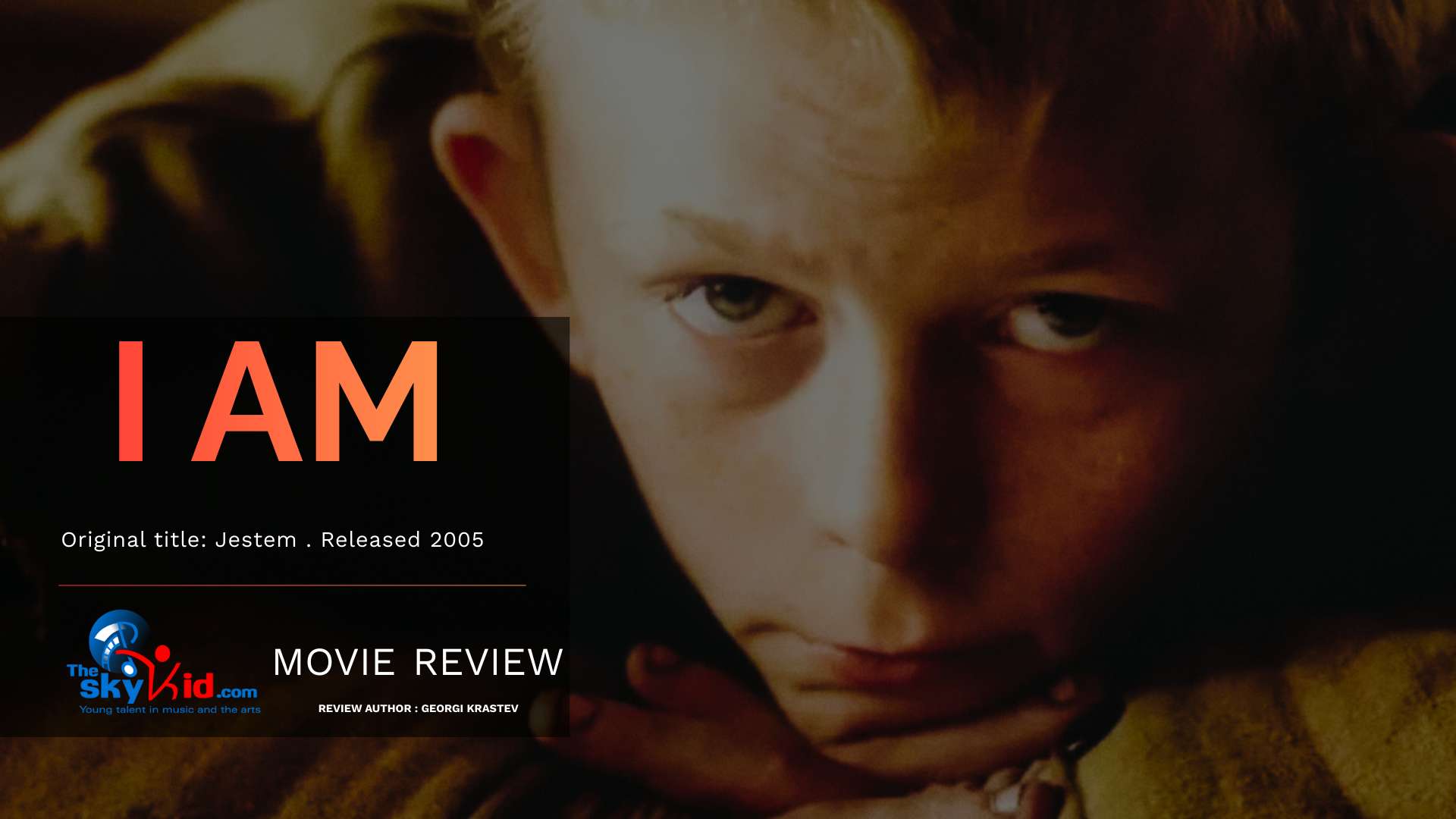
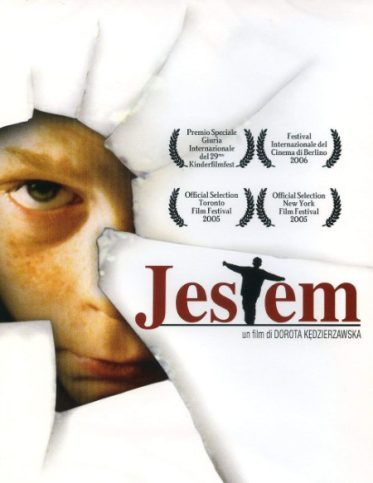 Watching Jestem again, years after my initial viewing, I’m struck not just by the story but by how profoundly it can make one feel a child’s inner life.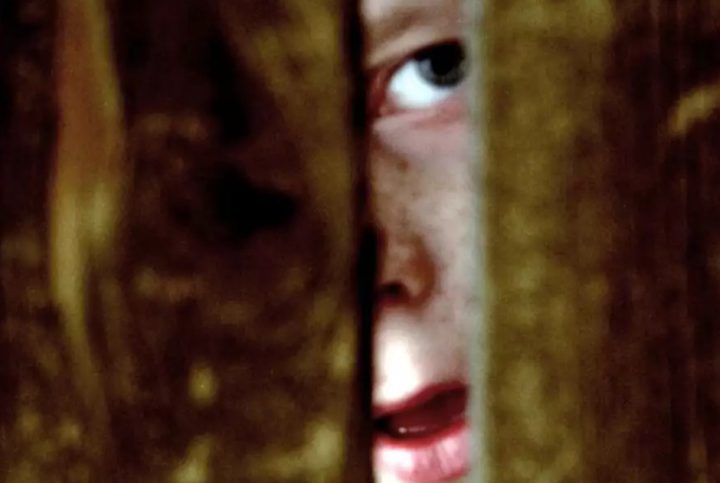
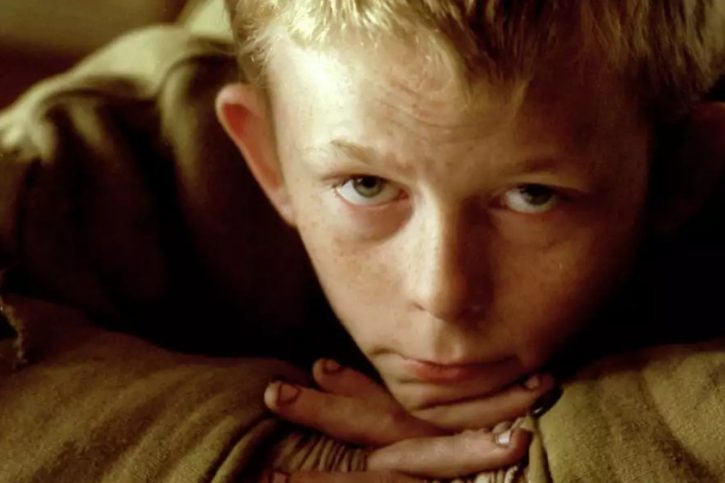
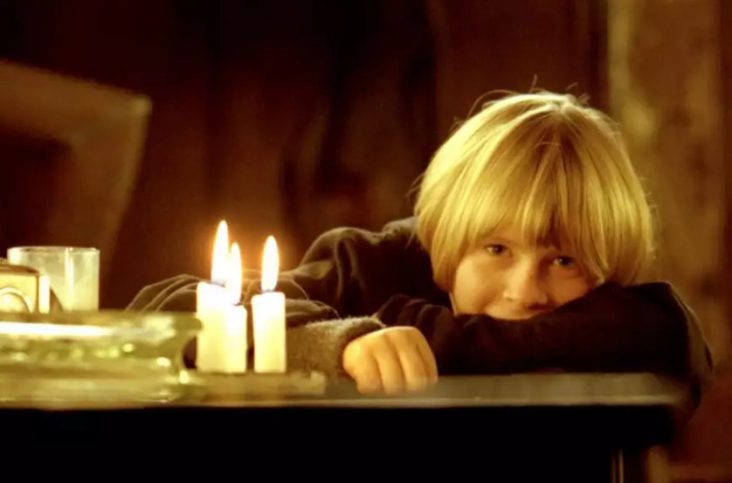
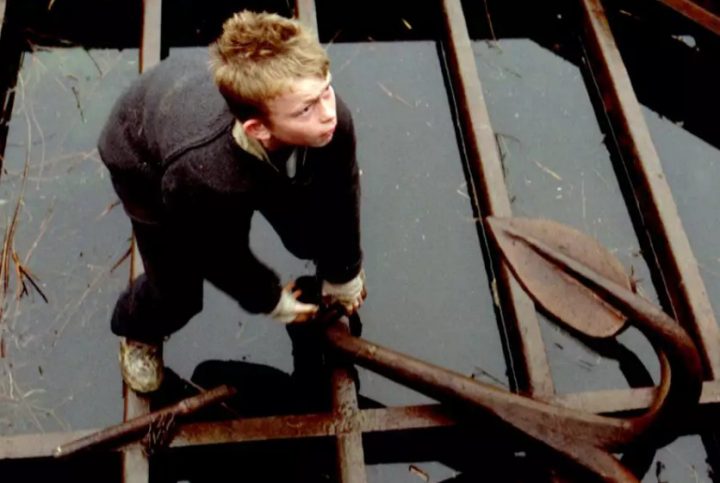
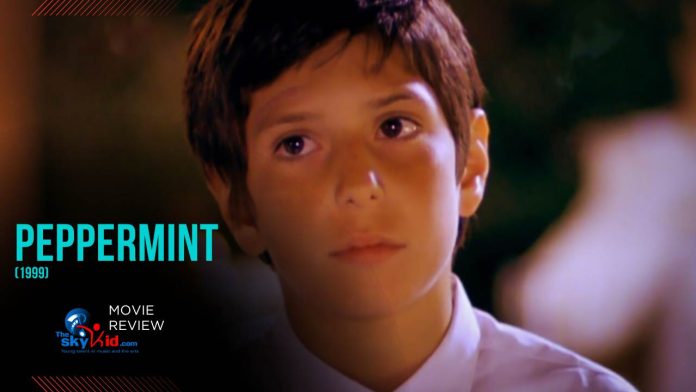
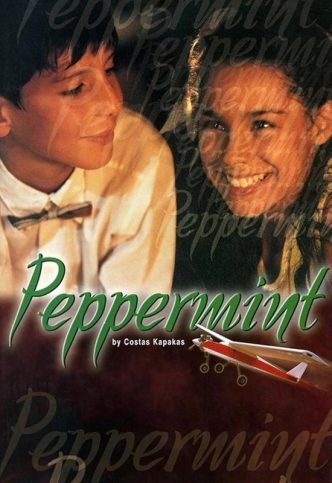 I watched Peppermint, a Greek Coming-of-Age film from 1999, mostly because of the young actor playing Stefanos — Giorgos Gerontidakis. His performance as the 11-year-old Stefanos Karouzos earned him several awards and critical acclaim. He’s expressive, charming, and carries the childhood story beautifully, giving the film much of its emotional weight.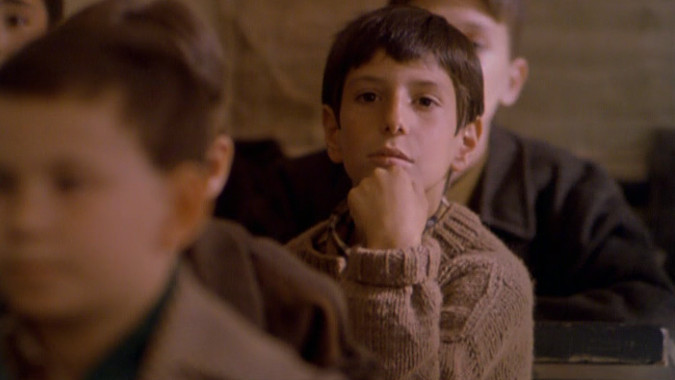

 I first