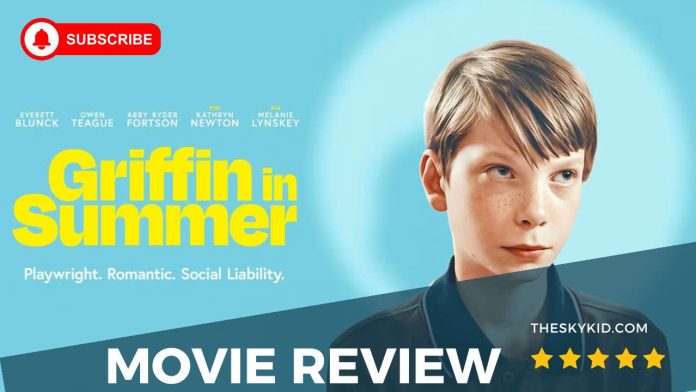
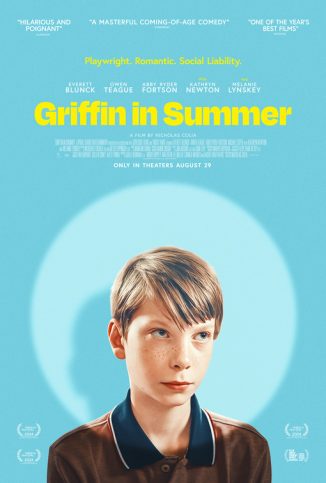
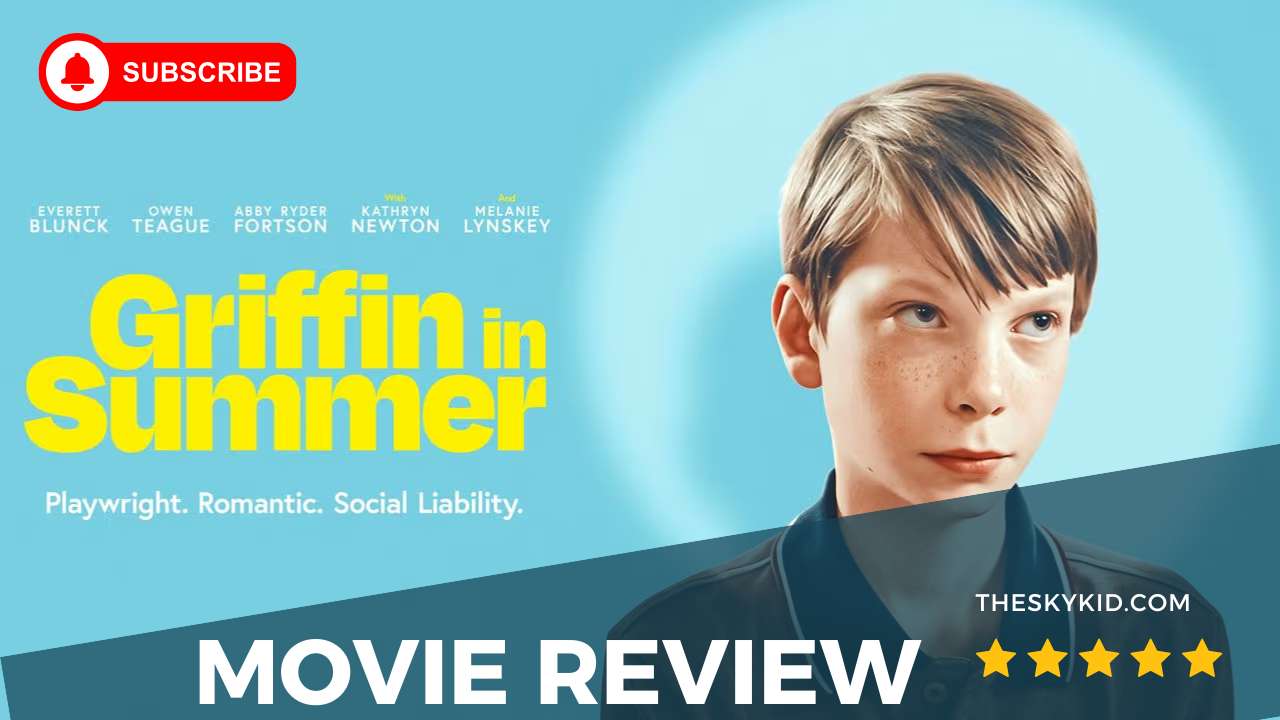
 Griffin in Summer is an American independent film that immediately caught my attention. The quirky poster showing a young boy with a peculiar expression hints at a story about a confident, unique kid stepping into adolescence. Going in, I expected an indie Coming-of-Age story with surprises, and the film delivers from the very first moments.
The opening talent show sets the mood with anticipation and awkwardness, while Griffin’s confident yet unconventional performance immediately marks him as a distinctive young voice.
The close-up of Griffin on stage during the school talent show demonstates his skill and hints at his vulnerability early on. His monologue, touching on themes beyond his years, is both intriguing and a little uneasy, highlighting the gap between his insight and what others around him might notice. The establishing shots of American suburbia set the story in a familiar place, contrasting Griffin’s boldness with the ordinary world around him.
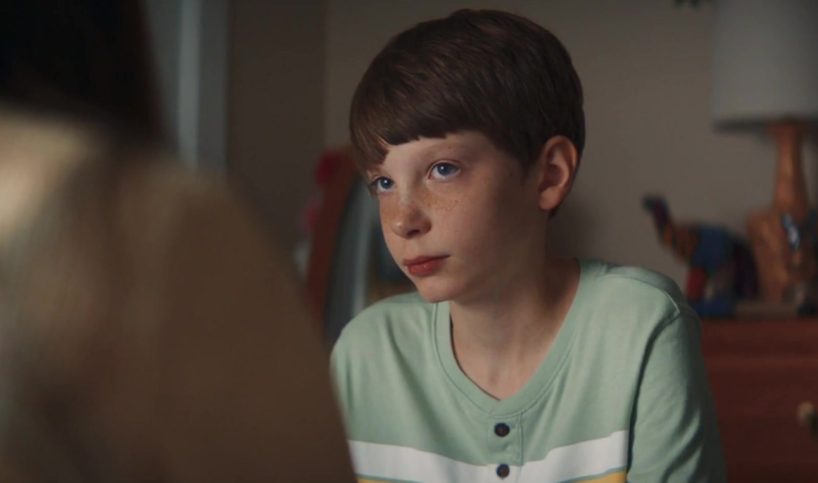
Dialogue with his mother shows how much Griffin loves theater and how he’d rather focus on it than do typical “boyish” summer activities. He’s an aspiring playwright, which drives his confidence and dedication. Interestingly, he mostly calls his mother by name instead of “Mom,” which makes their relationship feel a bit distant and shows how independent he is. He only calls her “Mom” later, in a moment when he really needs her, giving the scene a subtle emotional weight.
The concern in the household comes mostly from his mother, as his father is largely absent and not very involved, making Griffin’s individuality and self-reliance even more striking. This dynamic echoes the tension seen in Young Sheldon, with Iain Armitage’s character, where a parent struggles to understand a gifted child.
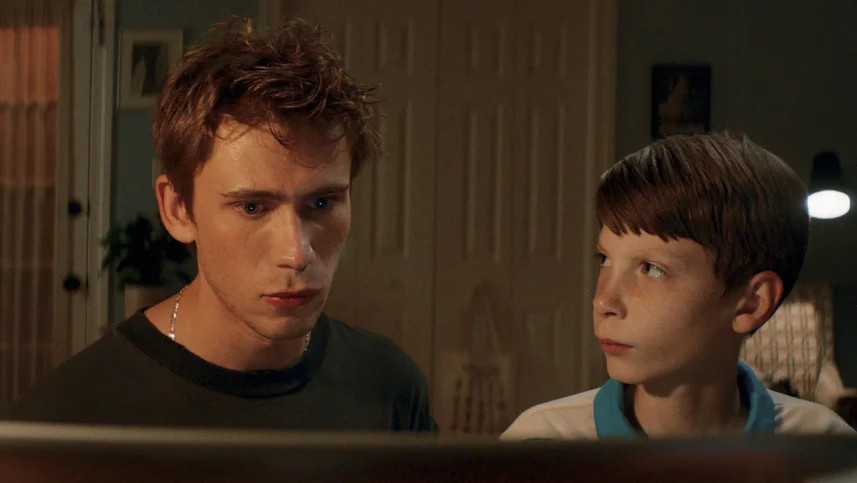
Later, Griffin notices the man his mother hired for repairs, Brad (Owen Teague), who becomes an older brother-like figure to him. Griffin even swears a little (“shit”) to sound more mature. The scene is funny and awkward — Griffin repeats himself nervously, trying to appear cool, while Brad mostly ignores him. There’s a quiet spark in the way Griffin watches Brad, a mix of admiration and curiosity that feels more personal than casual. Close-ups and tracking shots on Griffin’s face capture his tension and excitement, highlighting his emerging social awareness and experimentation with identity.
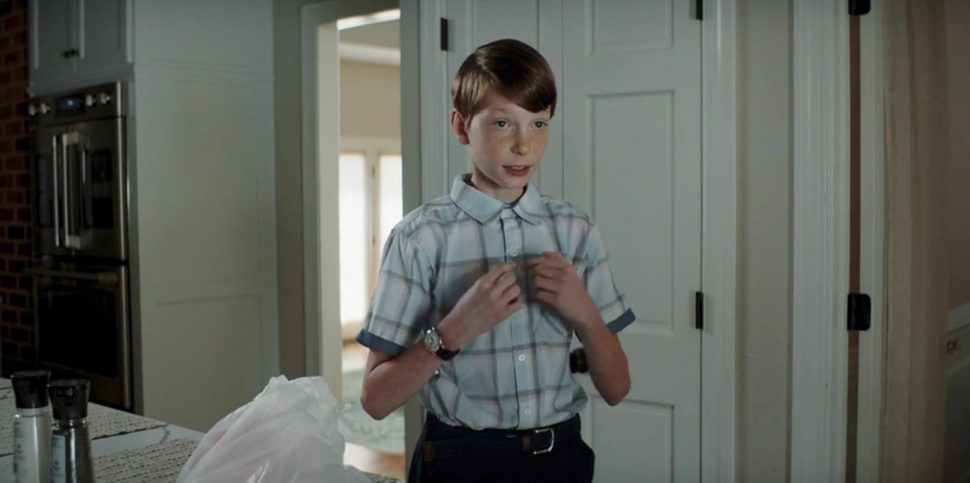
Everett Blunck carries the film as Griffin. On screen for most of the film, his expressive face keeps you engaged, making the character compelling. It’s interesting that he’s from Montana and mostly did Westerns before — quite a change from this artsy, Coming-of-Age role. Griffin reminded me a bit of Nate, Rueby Wood’s character in Better Nate Than Ever, both in confidence and individuality, and in how their personalities stand out in their world. He also shares qualities with Gil, P.J. Verhoest’s character in A Very Serious Person (2006), both in personality and in the story’s overall feel, adding another reference point for fans of thoughtful adolescent films.
The film is full of Coming-of-Age themes, focusing on Griffin’s self-discovery but also touching nearly all characters. There are subtle hints and layered details throughout the story — little nuances and innuendos that keep you watching closely and noticing something new each time. The final close-up of Griffin is especially powerful, and the film often feels like a play he might have written — creative, layered, and reflective.
I really enjoyed the film. Its independent feel, quirkiness, and strong central character make it a fresh experience. Fans of Coming-of-Age cinema will appreciate the depth and character focus, but even those who don’t usually watch the genre will find something different and engaging here. Griffin’s story delivers a thoughtful, well-acted, and unique Coming-of-Age journey, with enough charm and subtlety to linger in your mind long after the credits roll.
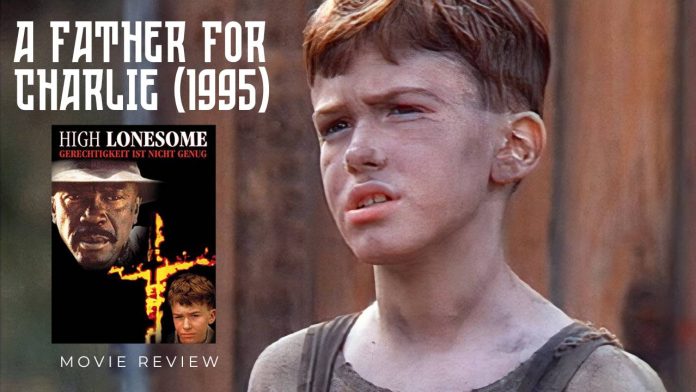
 A Father for Charlie is one of those quietly emotional films that stays with you longer than you’d expect. Despite being made for television, this production is of high quality. Its simplicity allows the story and characters to shine, making it a delightful surprise for viewers.
 All the actors deliver honest performances, with particular note of the one portraying Walter (Louis Gossett, Jr.) — whose quiet dignity contrasts painfully with the way he’s treated by others.
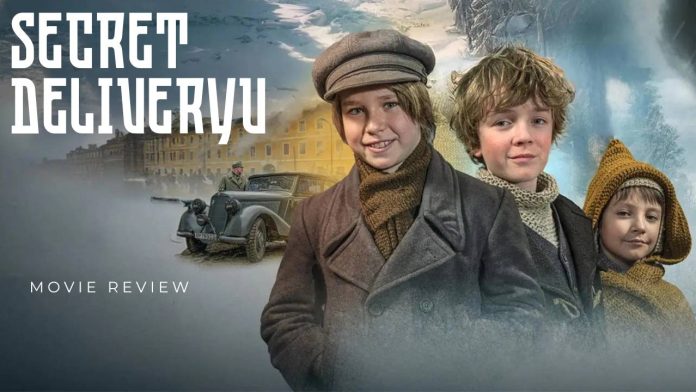
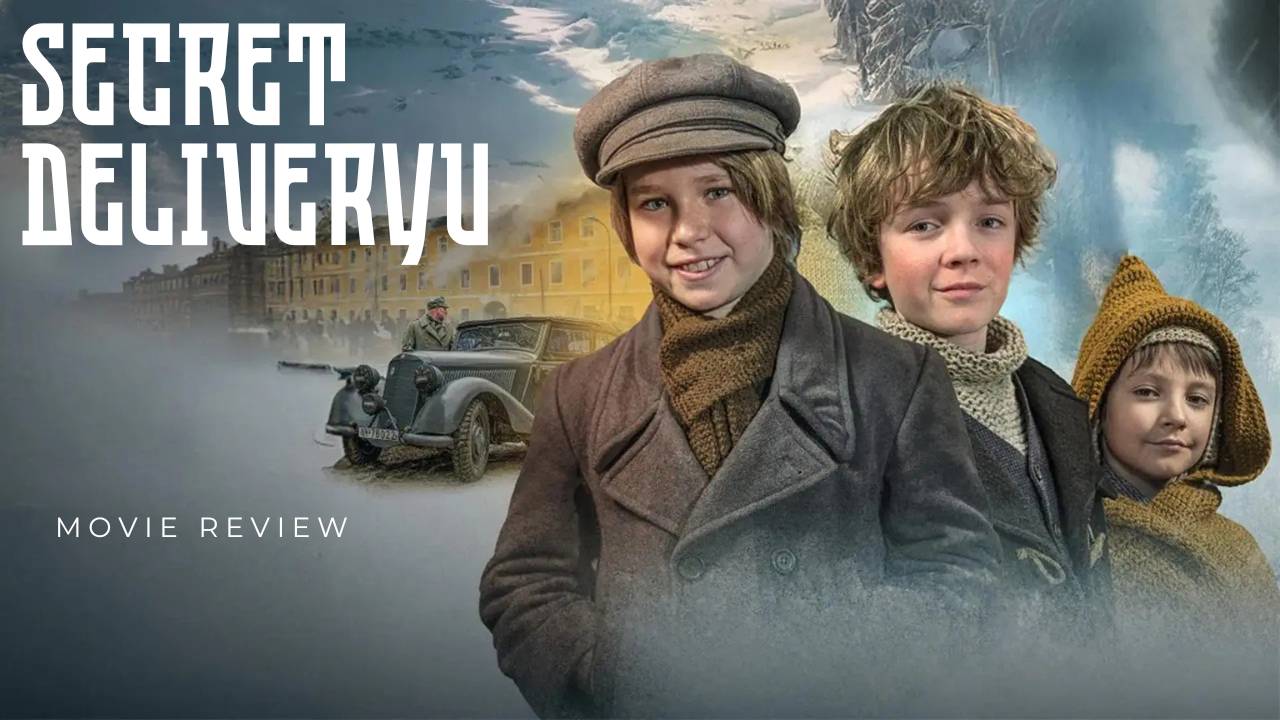
 Set in the final months of World War II, Secret Delivery, a 2025 Czech film, opens with soft narration and historical texture. Through the voice of a woman recalling her childhood—later revealed to be the sister of one of the central characters—we’re gently introduced to a time when the German Reich still refused to admit defeat, and danger loomed behind every village corner. The film’s tone is observational and restrained, with the camera allowing the viewer to quietly witness rather than directly feel.

 I approached

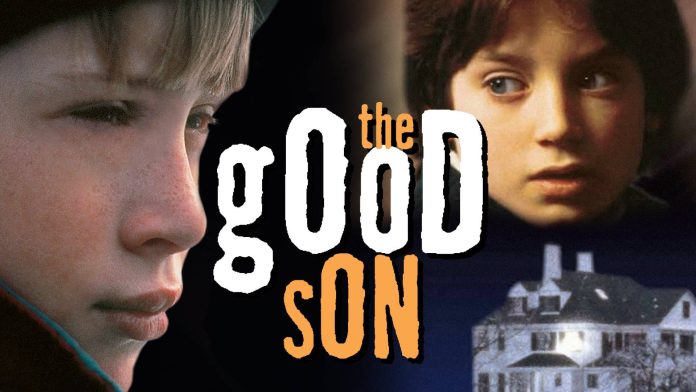
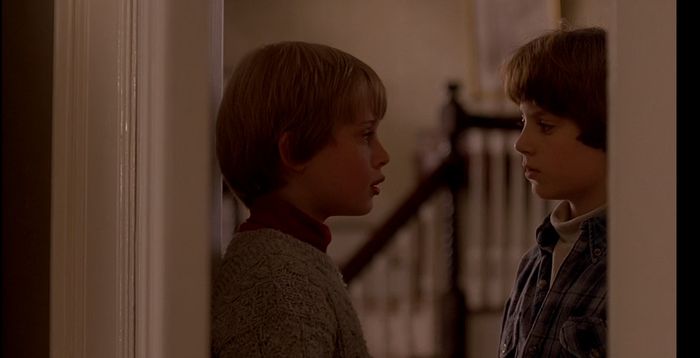
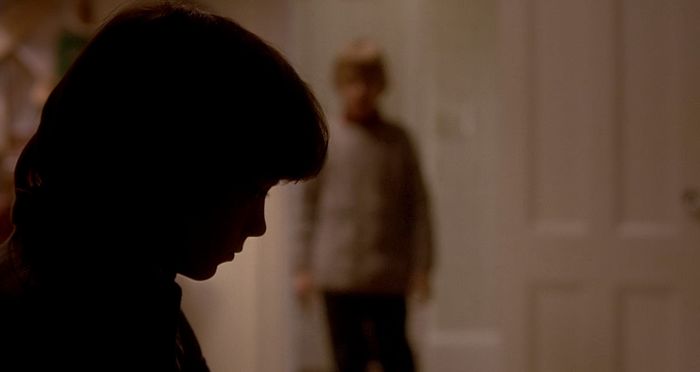
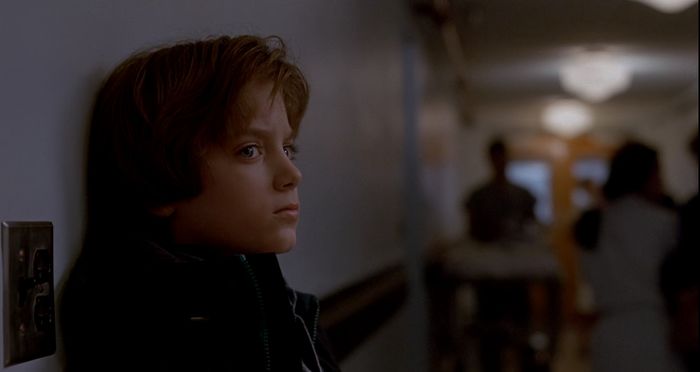
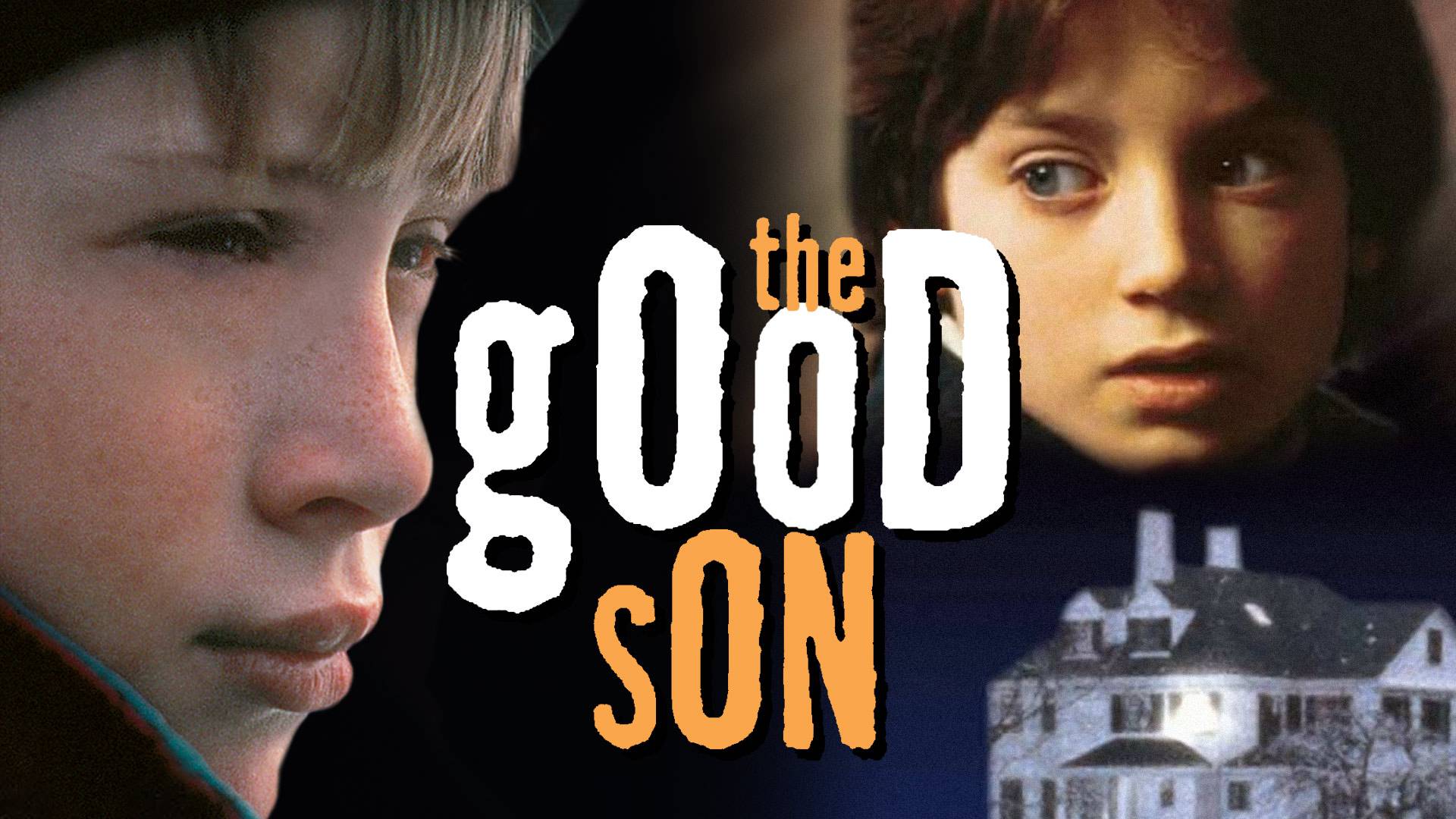
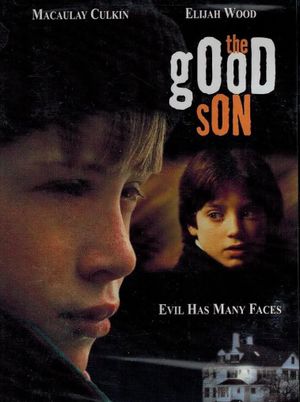 When I first watched The Good Son, my age was not much different than that of one of its protagonists. So many years later, I decided to watch and review it from a different perspective.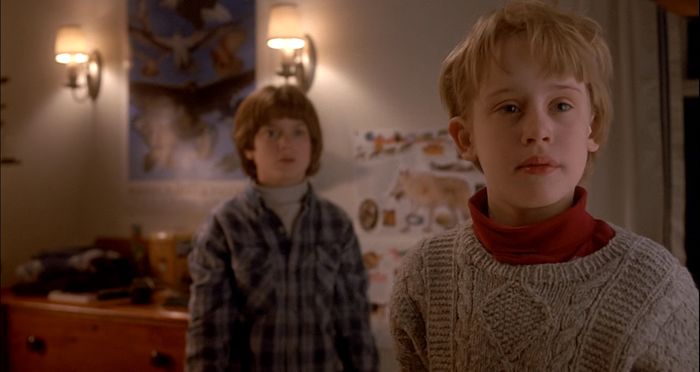
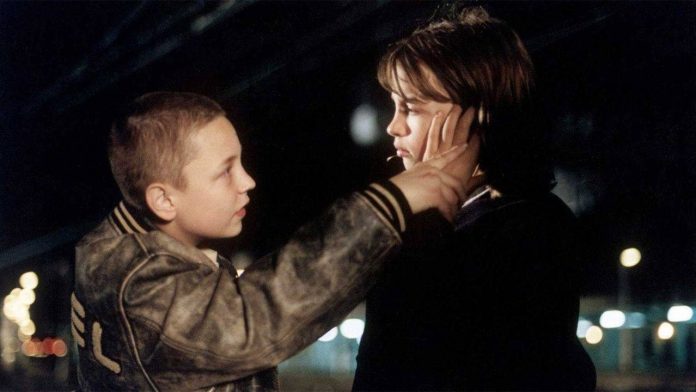
 Some films leave an impression. Others leave a scar. The Devils (2002) is the latter. I chose it without knowing exactly what to expect, but from the very first scene, I was completely drawn in.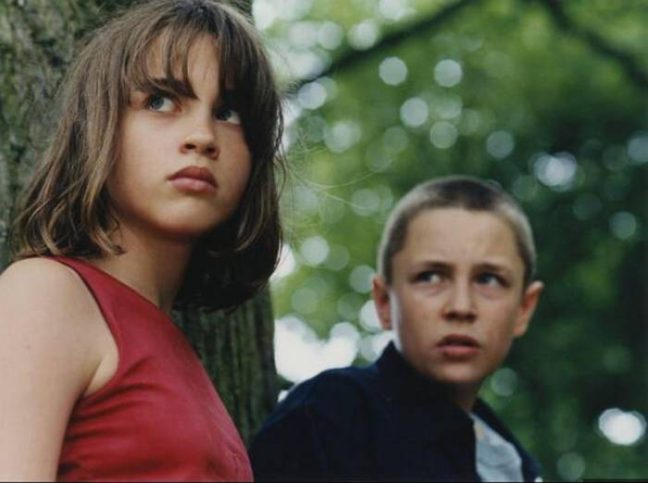
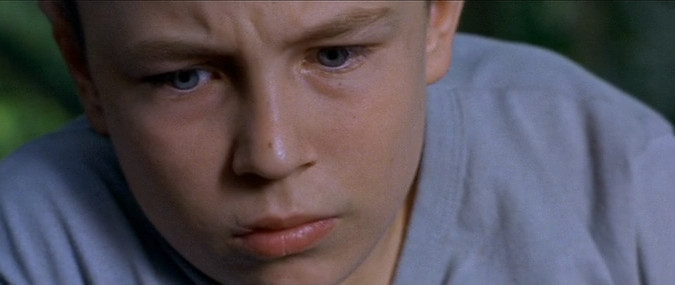
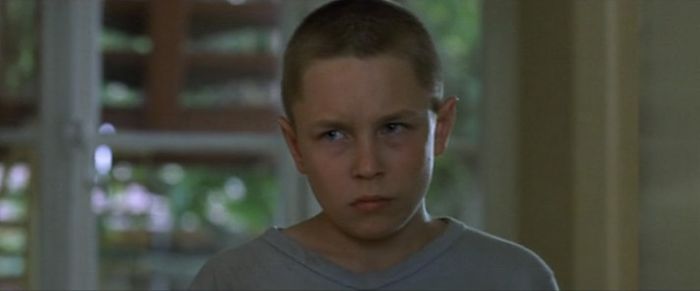
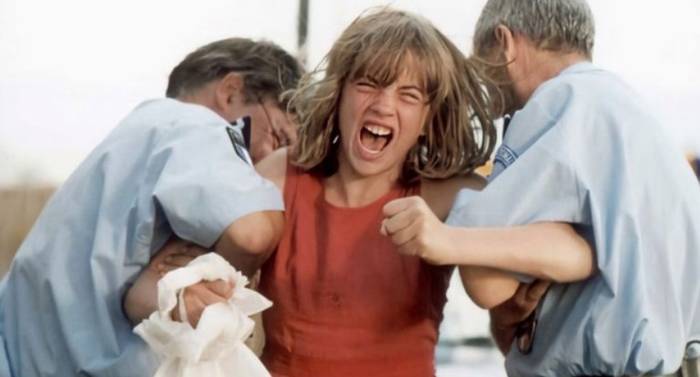
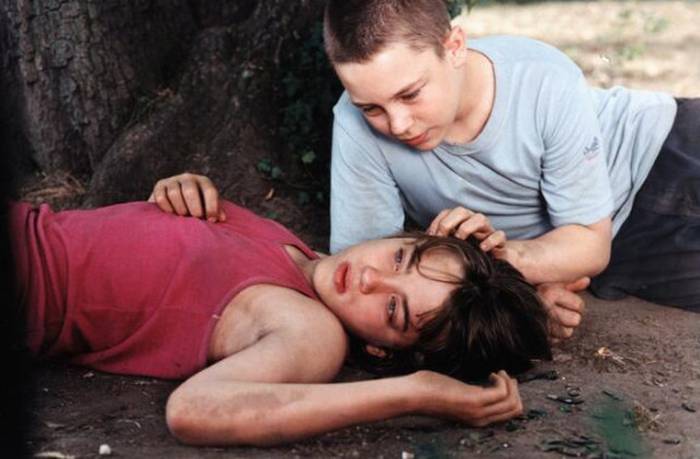
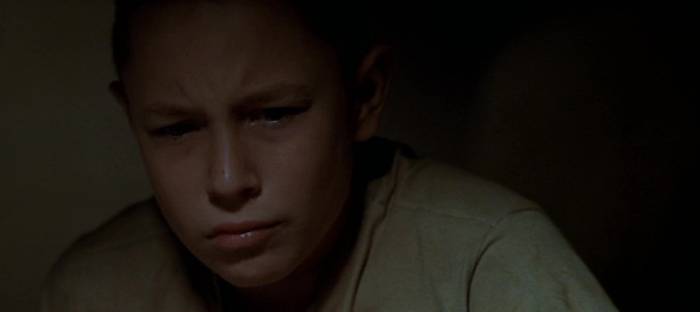


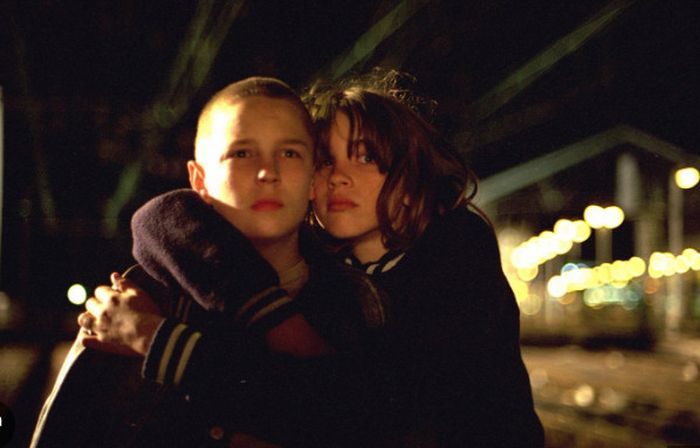
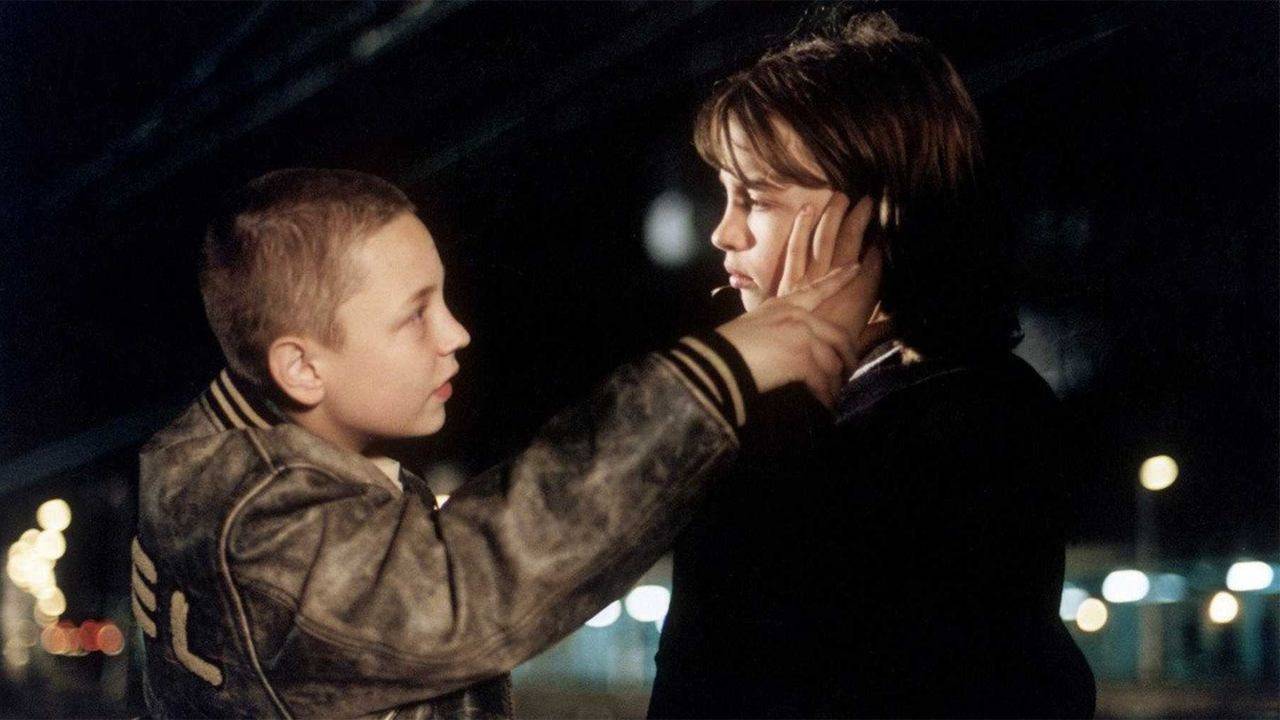
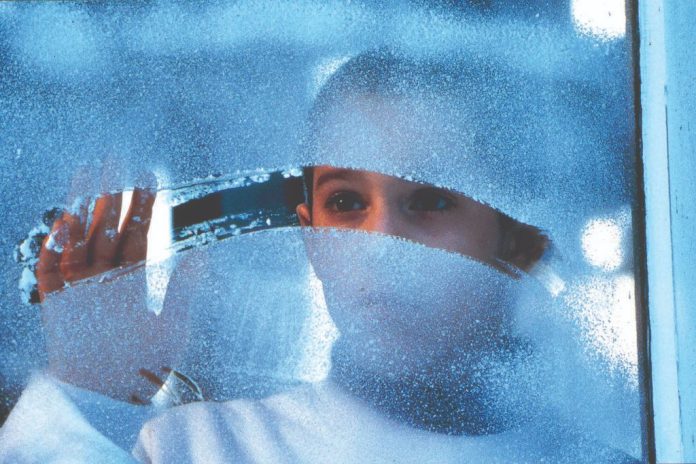
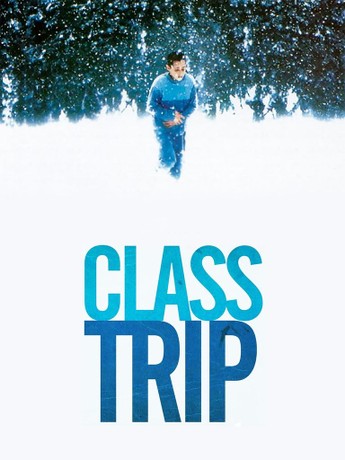 I chose Class Trip to view because its synopsis promised a Coming-of-Age story. I knew both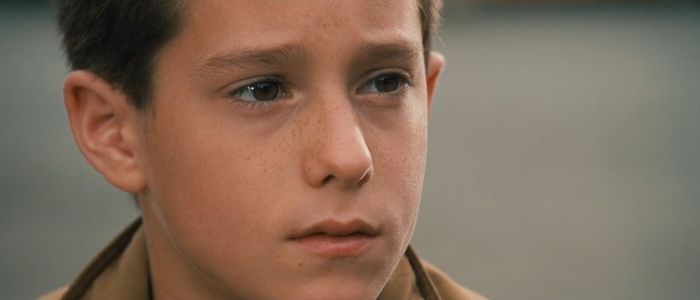
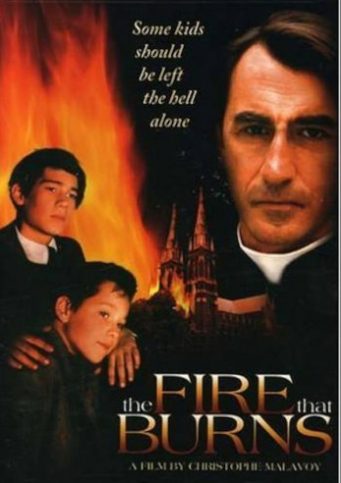 Having been captivated by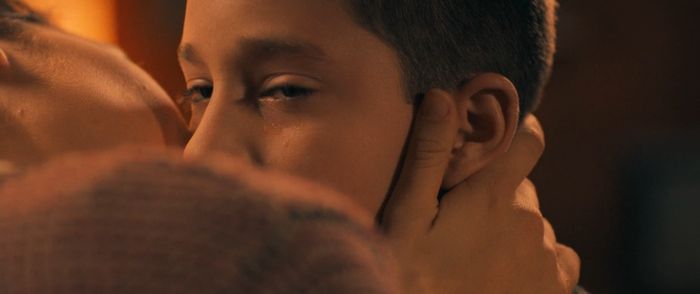
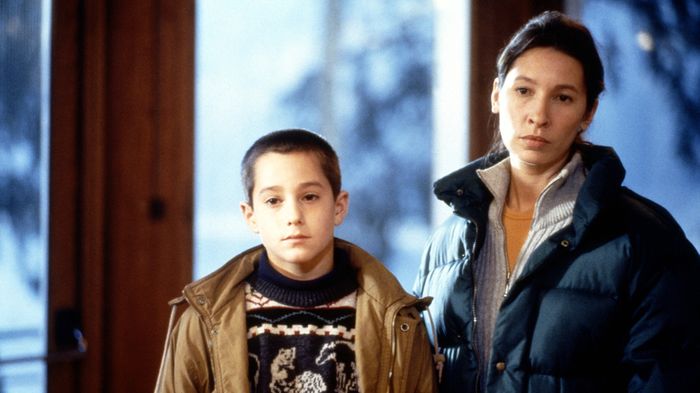
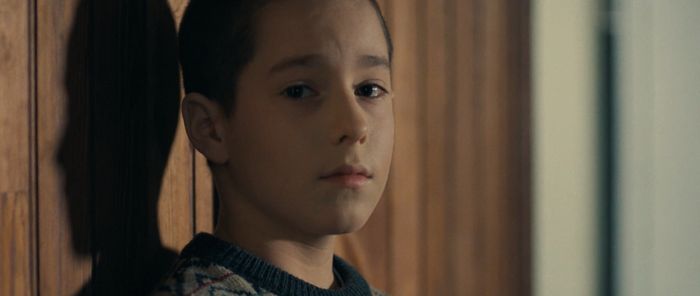
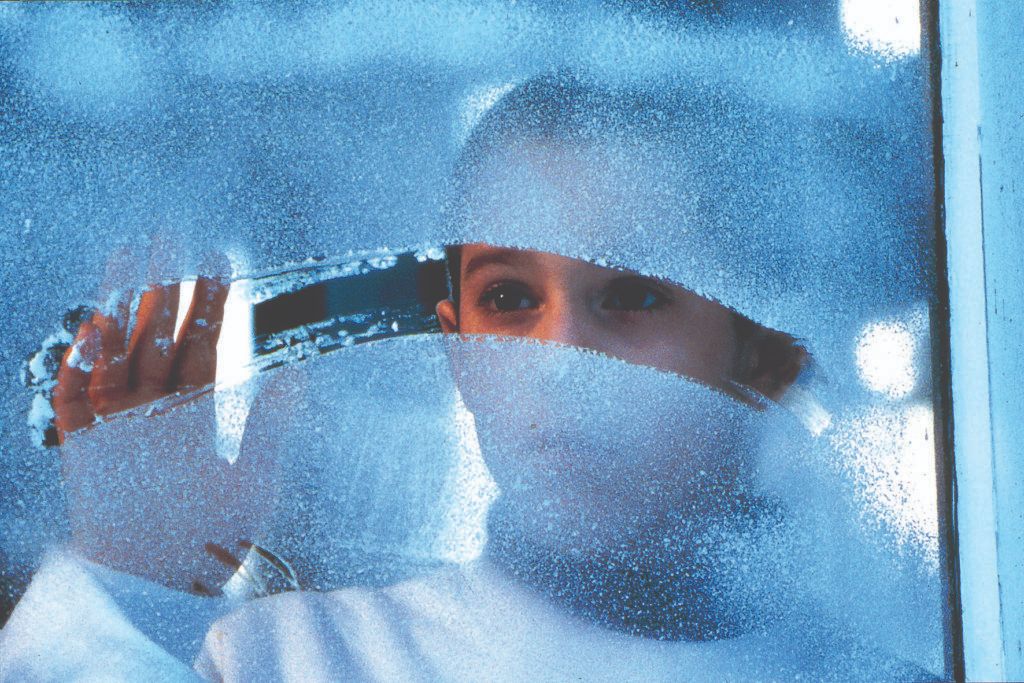
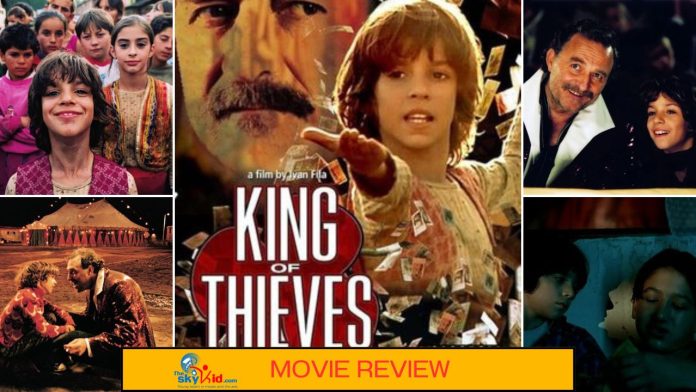
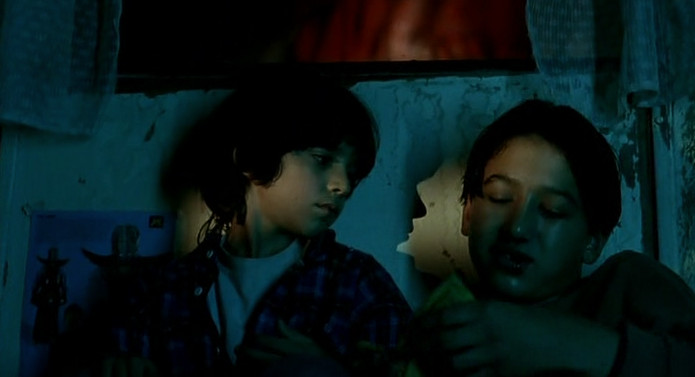
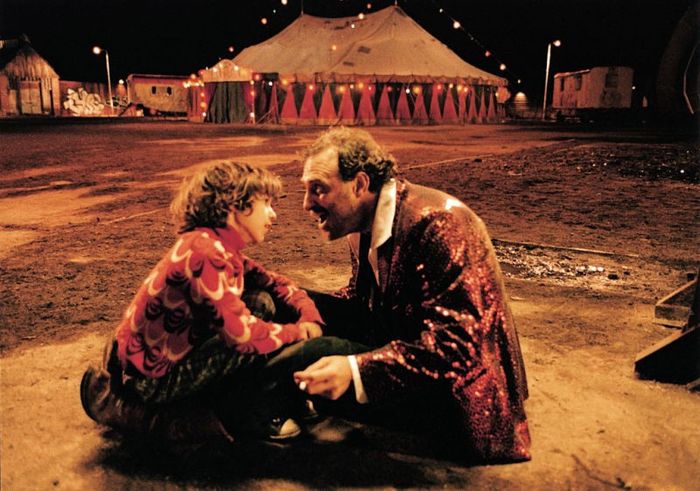
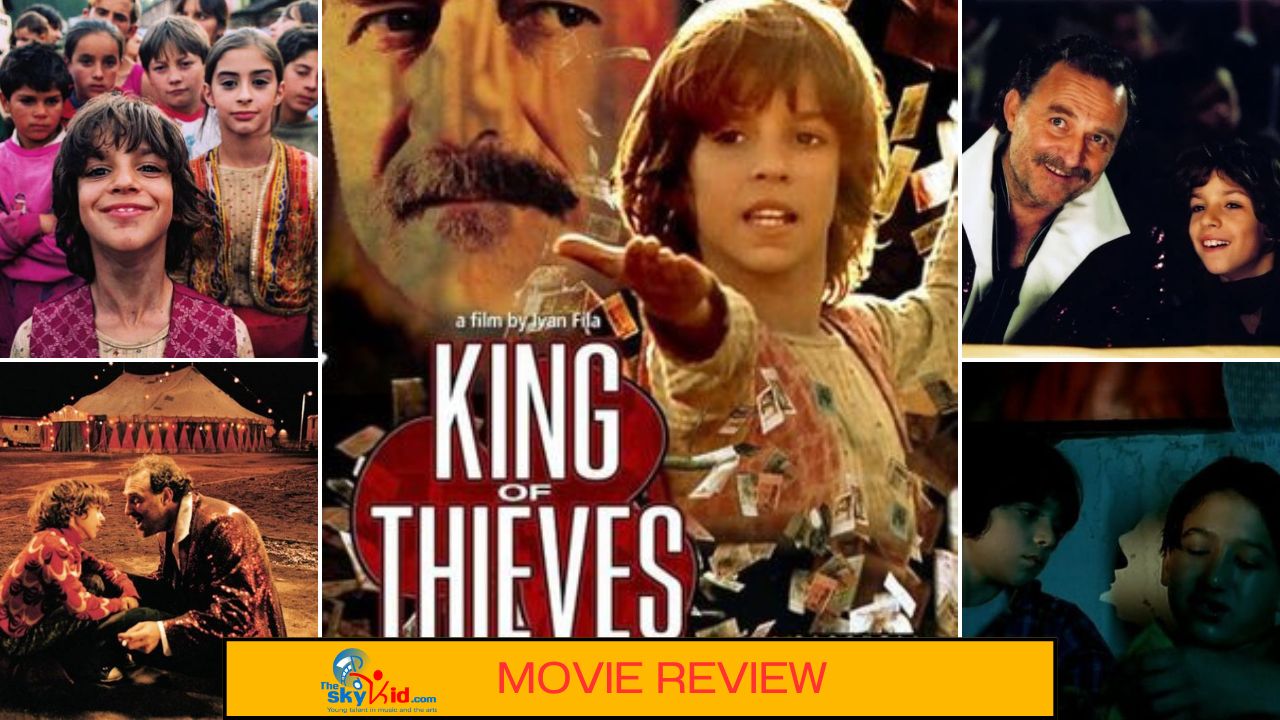
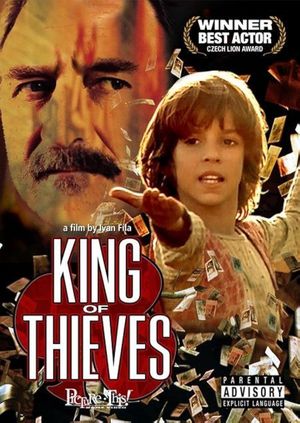 Can childhood innocence survive the most brutal of betrayals? You will relentlessly ask yourself this question while watching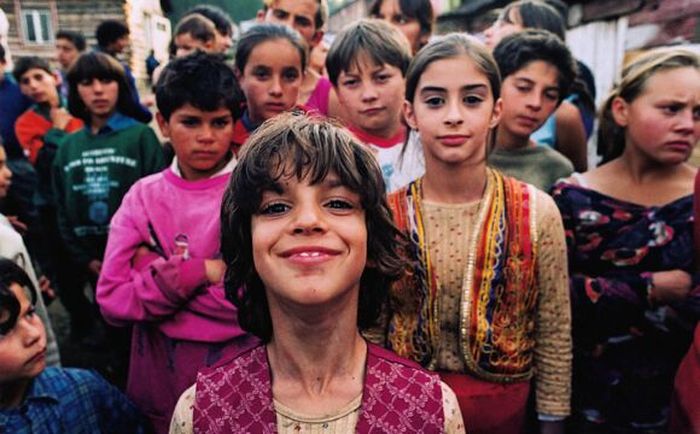

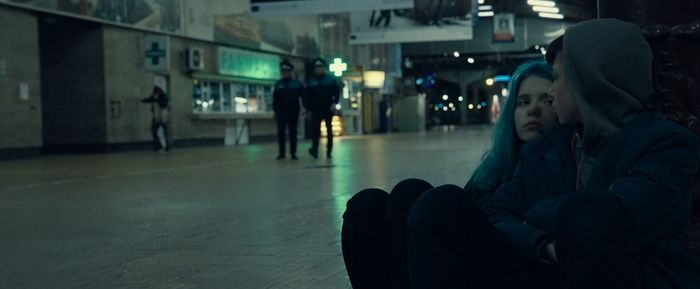
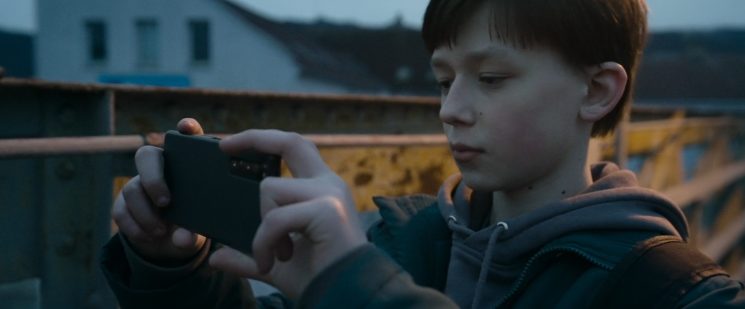
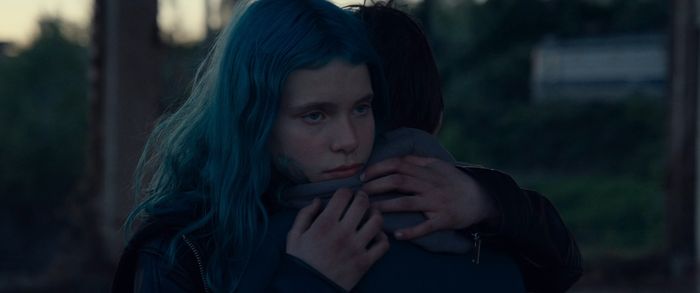
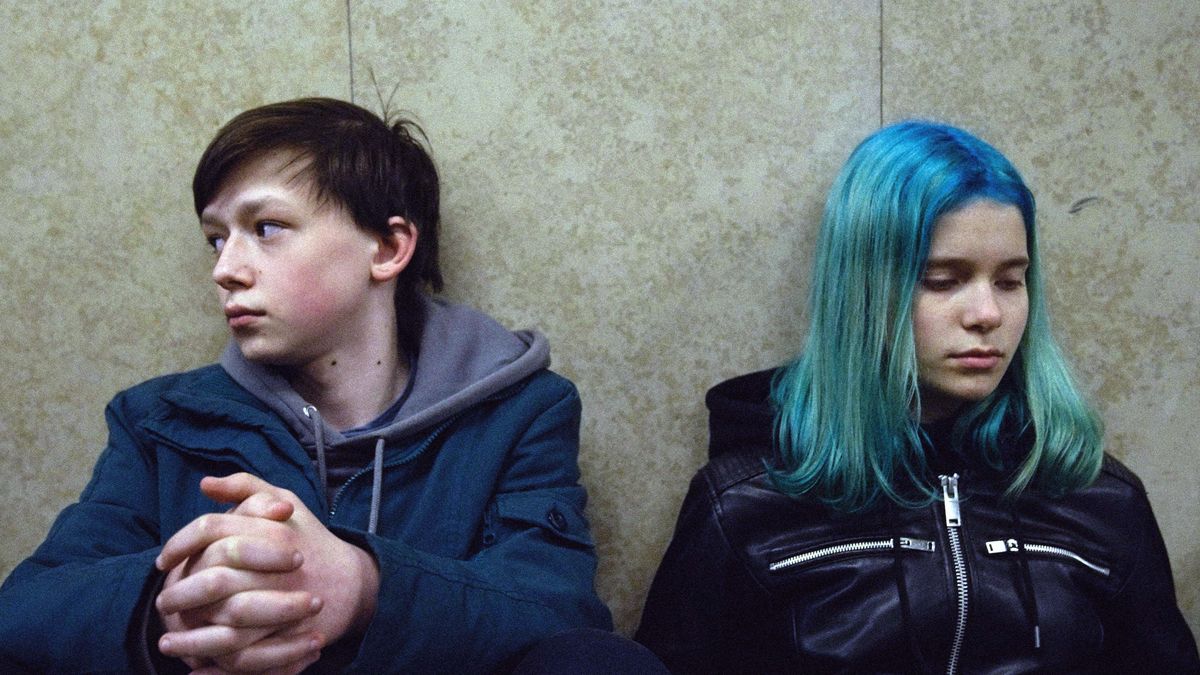
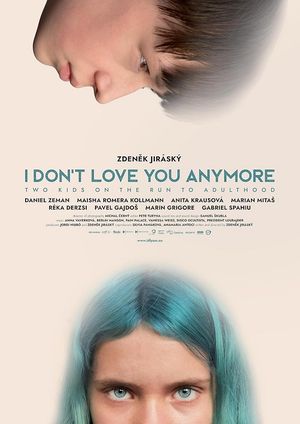 In Zdenek Jirzsky‘s 2023 film I Don’t Love You Anymore, thirteen-year-olds Marek and Tereza, whose connection begins when Tereza intervenes in a bullying incident involving Marek (an act of pity, she claims, though her true motivations remain ambiguous), form an unlikely friendship and, each haunted by their own personal demons, decide to run away from home together.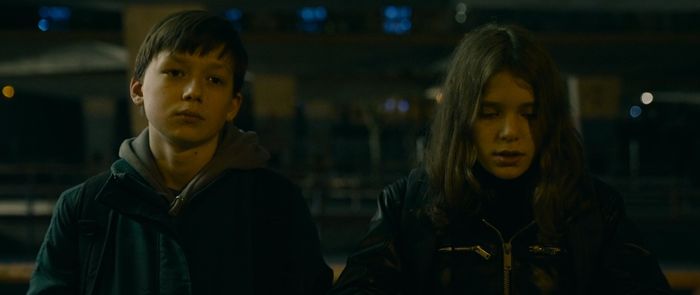

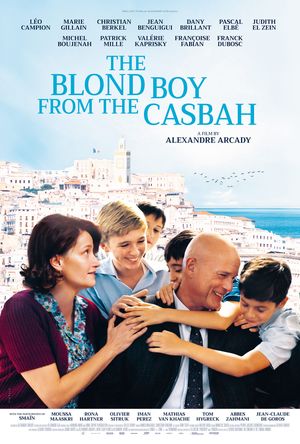 In the 1950s Algiers, a city on the cusp of conflict, The Blond Boy from the Casbah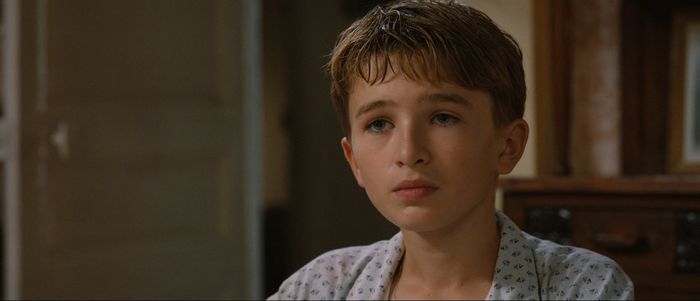



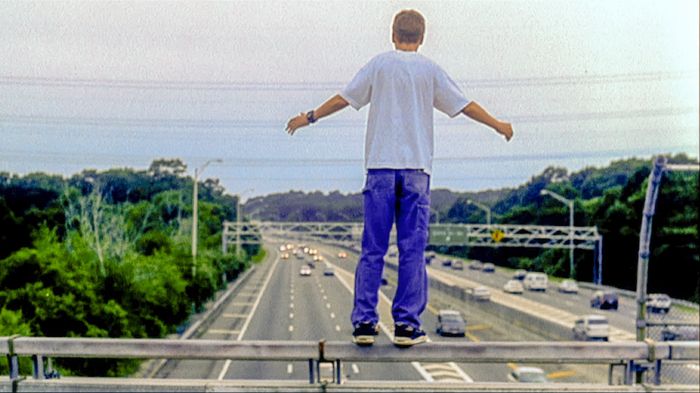
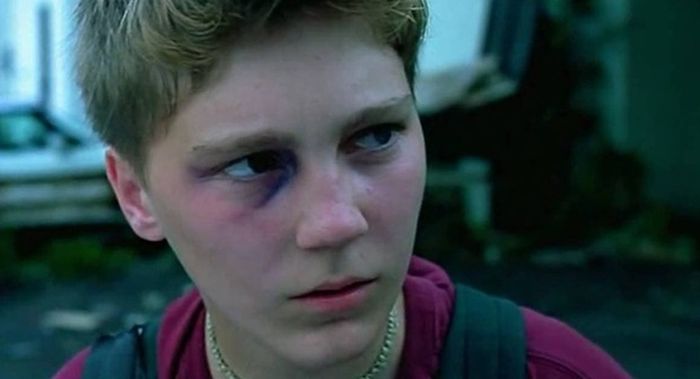
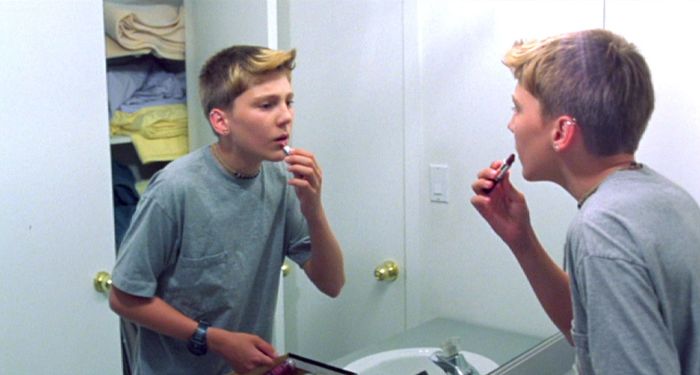
 Long Island Expressway is a gritty Coming-of-Age story that explores loss, belonging, and the complexities of growing up. When I first watched this film in 2003 (over 15 years ago), I thought it was mostly about controversial topics. Yet, now I realise how wrong I was in my initial assessment, as the narrative strikes me as a deeper Coming-of-Age story that requires a little maturity to appreciate fully.