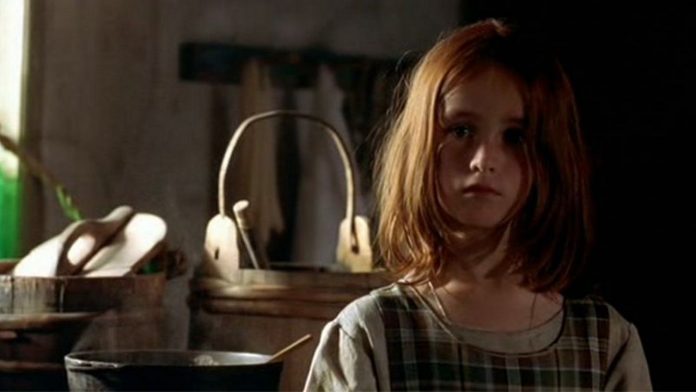
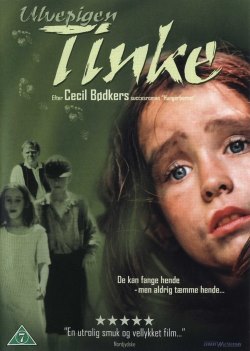
The Danish cinema is notorious for its high-quality films suitable for family entertainment (the same statement is valid for such films from almost all Scandinavian countries, including Norway and Sweden). Naturally, many of those films can be categorized as belonging to the coming of age genre. The 2002 coming-of-age drama Ulvepigen Tinke (The Little Big Girl), based on the novel Hungerbarnet by Cecil Bodker, tells the story of an eight-year-old girl (Sarah Juel Werner) who has to take care of herself after the death of her parents. The little girl has to find food and protect herself from the wild animals to survive.
One rainy day, she meets Larus (Peter Jeppe Hansen) – a young shepherd boy from a poor family who is tending the cows for a family in the nearby village. Scared but hungry, the little girl approaches the boy who shares some of his bread and milk, assuring her that she should not be afraid of him. Soon she approaches him again and the two begin to develop a true friendship. When Larus finds out that the girl doesn’t have a family, he does the only thing he can think of and takes her to the house of his employers. They are an elderly couple – and have different opinions about the new friend of their shepherd. The woman sees in her a chance to finally have a little girl who she could raise as her own daughter, while her husband is taken aback by their guest’s lack of table manners and respect/obedience. The old couple has a son of their own – but he is severely retarded, and the family keeps him locked in the stable.
While looking for more information about the short film Displaced, which was recently reviewed at TheSkyKid.com, I stumbled upon an intriguing article in which its director, Rick Stevenson, shared why he believes that “Shorts are the Films of the Future” (1). In it, Mr. Stevenson shares his opinion that two main factors affect the international cine industry. The first being that independent film makers are having a hard time securing financing for their projects (you may recall the interview with the director of the acclaimed Canadian drama Jet Boy, Dave Schultz, in which he shared similar concerns) and the second being the impact on the video sharing sites such as YouTube and the shift of the audience’s preference towards the short time versions of entertainment now widely available. The opinion of Mr.Stephenson, and a follow-up conversation with a colleague of mine, made me realize that most of the films in the coming of age genre in the past few years have been released in the short format, while their longer counterparts somehow fail to create a hype comparable with the one that films such as TheSixth Sense or AI created in the past. While such a turn was expected by me (it explains why one of the main categories of theskykid.com is devoted to short features), the extent of this invasion of the short film format exceeded my expectations.
That being said, I would like to ask for your opinion. Where do you think the future of the coming of age films lies? Do you expect to see more short films than full features?
1. Rick Stevenson Shares Why He Believes “Shorts are the Films of the Future” by Allison Ackmann (via trulymovingpictures.org ) ( link)
Well-produced and directed short films manage to transmit their message despite the time limitation typically associated with the format. The success of such films, as in full features, depends greatly on the acting skills of the lead characters and their ability to engage the audience. In 2010, Rick Stevenson directed Displaced, a moving short drama about a young boy having trouble adjusting to the foster homes he is being sent to. Nathan Gamble (The Hole, The Mist, Babel) plays the role of Daniel, delivering an emotional and moving performance that makes it clear why he is one of the most sought-after young actors in Hollywood.
“We are not the same. I have never carried other people’s bags. Even when I was your age”
Jaime (Saúl Fonseca) is a thirteen-year-old boy who lives with his mother, her boyfriend, and his two little sisters in a suburban neighborhood in Oporto, Portugal. The years are tough, and across the country, many children are made to work by their parents to contribute to the family budget. Child labor is illegal in the country, but most families are on edge and are forced to take desperate measures. The businesses are also willing to take in the kids and exploit them as they are able to demand as much from them as for adult workers while paying reduced wages and no taxes to the government.
Jaime’s parents are separated – he lives with his mother – but, unlike some of his classmates, no one forces him to work. Yet, he sneaks out each night to work at a local bakery and saves the money, hoping to improve his life and reunite his mother and father. The film opens up with a scene in the bakery where we see how Jaime and other teenage boys spend their evenings. The job is not easy and after witnessing a job-related accident with a friend of his who loses his fingers, Jaime is fired by his boss, who fears that the accident will attract the attention of the work inspectors.
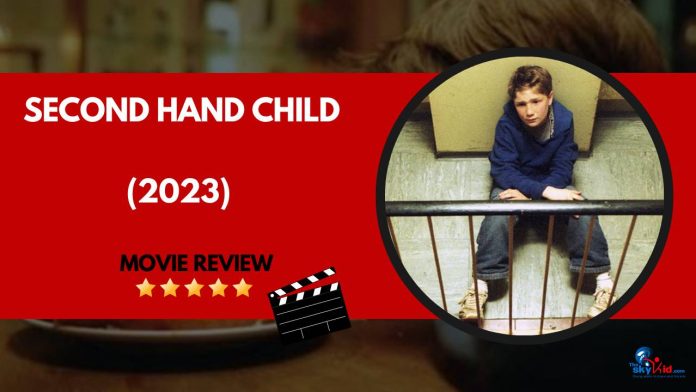
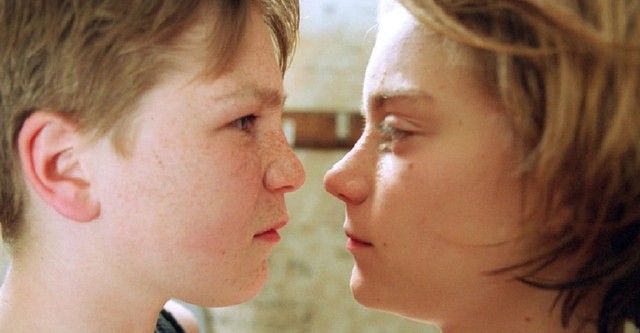
Tobias Baumann (Frederick Lau) is a troubled kid – and there is a reason for that. His family is not as well off as the other kids at his school, and the boys in his class enjoy picking on him because of his social status. The fact that he doesn’t know who his father is and has a young but careless mother (too young to have a teenage son anyway) does not help either. That is why it’s unsurprising that Tobias, tired of being ridiculed for things he has no control over, loses his nerve. His schoolmates call that “becoming anti social” – but can you blame him? I could not – he has no choice but to try to cope with life alone…
Alone until one day, he meets a man who moves into the neighboring apartment. They buddy up, and when the kids at school start to pick on him again for having no father, Tobias comes up with the idea to present his neighbor, Max Feldkamp, to his classmates – claiming that Max is his father. The lie causes some consequences – as it increases the chances of further complications in the life of the thirteen-year-old teenager. Is his new neighbor suitable for a father figure? Will he even consider playing such a role?
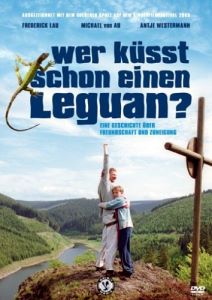
This is the premise in the German film Second Hand Child (Wer küsst schon einen Leguan?). The film is powerful and touching and is guaranteed to evoke a whole range of emotions from its viewers (and may even induce a few tears in their eyes). The action is set in an urban ghetto in Eastern Germany, and the soundtrack, which is predominantly German rap addressing social issues, perfectly suits the film’s theme.
A pivotal moment occurs when Tobias sits on a hill overlooking the city, symbolizing his isolation amidst a bustling world. The scene is underscored by the haunting lyrics of a German rap song, perfectly capturing his sense of loneliness. Second-Hand Child is heartbreaking to watch, but the movie does a powerful job of showing the effects of neglect on kids. You feel for Tobias and want things to improve for him.
The young Frederick Lau delivers an outstanding performance in the role of Tobias. If you see the film, he will likely leave quite an impression on you with his natural performance in the dramatic and turbulent situations in which his character finds himself. The film has an immense coming-of-age value as the story of a young boy striving for things that all children should be entitled to – love, friendship, and attention. The power in Second Hand Child does not lie in special effects and similar cinematic tricks. Still, instead, in the powerful story of the life of an ordinary boy dealing with issues many children have to deal with, bullying is just one of them, though by far the most significant.
The film’s ending is bittersweet, leaving a lasting impression on the viewer. Second-Hand Child is a powerful and thought-provoking exploration of childhood trauma and the enduring impact of neglect.
Second-Hand Child is one of the best German dramas I have ever seen, and I highly recommend it to the readers of theskykid.com. The film has received acknowledgments from various festivals in Germany and abroad, winning the European Children’s Film Prize and the Audience Award in 2003 and the “Best Children’s Film” award at the Children’s Film Festival “Golden Sparrow.”
Film title: Wer küßt schon einen Leguan?
Also known as : Second Hand Child
Release year: 2003 – Children’s Film GmbH , MDR
Director: Karola Hattop
Cast: Frederick Lau,Michael von Au,Antje Westermann,Mario Irrek,Justine del Corte,Dirk Schoedon,Carina Hinzen,Sven Lubeck and others
His pride is his superhero card collection, superheroes are his inspiration! It’s only that in real life things can be slightly different than in the comic books – and poor Alex Vonzitzavitz (known also as The Von) gets himself in some quite embarrassing situations. The short film The Von, directed by John Mavety, is just seven minutes long. And even if it doesn’t impress with its story, soundtrack or acting for that matter (OK – Jacob Bicknell shows some promise in the lead role), it’s still rather fun to watch. The story is narrated by the grown up Alexander who recalls one of the most humiliating experiences of his childhood. That is why the voiceover is of an adult – which somehow lessens the impact of the story. It would have been better if Jacob Bicknell (in the role of Alexander) narrated the story with his own voice.
Released in 2007, The Von participated in the Tropfest competition (you may recall another short film review from that competition: Marry Me) and won a Young Talent Award for the performance of its lead. Yet, when it comes to short films, the ones coming out of countries such as Denmark, Sweden or The Netherlands are clearly more engaging.
Here at theskykid.com we take pride in introducing young talents in music and the arts from across the globe. Today we would like to introduce an incredibly gifted young singer from Russia. His name is Zulfat Gabdulin and he lives in the city of Kazan, the capital of the Republic of Tatarstan. While many singers perform in just one language –Zulfat, despite his tender age (he is only 10), can sing in Russian, English and even Japanese while captivating audiences with his cheerful performances.
He frequently participates in song competitions and festivals in Russia and is a winner of several of them. This year he also reached the final stage of the Russian national final for Junior Eurovision 2010 with his song Школа закрыта (School is Closed).
A performance sparkling with energy – isn`t it ? The unofficial Tatarstan motto is: Bez Buldırabız! (We can!) and the young Zulfat proves that slogan. He finds inspiration in the music of Michel Jackson, Queen and Street Magic and in his free time he loves to ride his BMX and play games on his computer.
You can find out more about Zulfat Gabdulin at his official site , where you can also listen to his songs and explore the photo and video galleries from his performances.
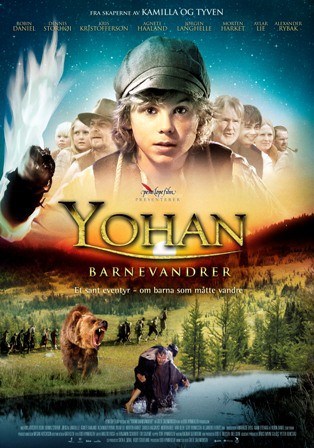
If you are looking for a good family film to watch – the Norwegian Yohan – The Child Wanderer is a title you should definitely consider. As with most Scandinavian films, Yohan – The Child Wanderer is well narrated and acted (mainly by the children in the cast). While there are no intense action or scenes filled with tension, the film impresses with its breathtaking nature scenes (mostly shot from the air) and a beautiful soundtrack.
The story is set in Southern Norway (1800 – 1910) when many children, as young as seven years of age who lived in poor families, were forced to leave their homes in search of work to help support families which often struggled to survive the harsh winters in the Scandinavian country.
During a family reunion, the grown-up Grete and Odd Hynnekleiv recall their childhood days. Back in that time, like many other kids, they had to “wander “as the only way of physical survival after the family was left without any food. A flashback brings us to the old days as the camera sweeps over and shows a young boy sitting on a cliff at a mountain playing at his flute.
Yohan – The Child Wanderer is a captivating and educational film and one learns a lot about that period in Norwegian history. Thirteen-year-old Robin Pedersen Daniel, from Mandal, plays convincingly the role of the young Yohan – a sensible and good-hearted boy who is forced by circumstances and his jealous brothers to leave his home — sold as a child laborer at a far-away farm. The 2009 Eurovision Song Contest Winner, Alexander Rybak, also stars in the film as a musician, a member of a traveling gypsy family. Unlike how they are customarily portrayed in many biased movies, the Gypsies in this film are presented in a rather positive light – which is a nice touch.
The film is shot in both Norwegian and the English language and is well done, with the exception of the mediocre modern pop music (in English) which backs some of the scenes – being totally unsuitable for events that take place in the past. Yet, the main musical theme of the film (played by the Kristiansand Symphony Orchestra) is touching and memorable and is what you will likely really remember in the end.
Overall, Yohan – The Child Wanderer is a charming family film, which runs for a bit more than two hours, while managing to keep the audience engaged with its story. It has a few shortcomings and the story could have been made a bit more emotional to match the intriguing theme and masterful cinematography. While enjoyable to watch, the film could benefit from a bit more sentiment, which could have differentiated the film from the many Disney and Hallmark family productions that one is able to catch frequently on cable TV.
Film title: YOHAN – The Child Wanderer
Release year: 2010 – Penelope Film
Director: Grete Salomonsen
Cast: Robin Pedersen Daniel, Kris Kristofferson, Alexander Rybak, Mathilde Berg, Dennis Storhøi, Agnete G. Haaland, Adam Eftevaag, Jørgen Langhelle and others
Sometimes You Don’t See What Is Right In Front Of You
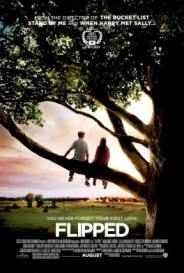
If you like watching coming-of-age movies, you will be able to recall at least a few flicks in which the main protagonists are a girl and a boy – learning about the world that surrounds them and each other. Here are a few titles to refresh your memory: Have Dreams, Will Travel (2007), Kisses (2008), My Girl (1991) and the short film Marry Me (2008). In the majority of these films, the viewer observes the evolving events, often led by a narrator or through the eyes of one of the characters. The 2010 film Flipped offers a rather intriguing take on the familiar “boy meets girl” theme by giving us a glimpse of both the boy’s and the girl’s mentalities. To achieve that, the director decided to split the film into parts and allow the viewer to experience each scene twice. By doing that, the coming-of-age experience of both characters is presented in an entertaining, romantic, and uplifting manner.
The film is based on the novel Flipped by Wendelin Van Draanen and it follows the relationship of two kids, Juli Baker (Madeline Carroll) and Bryce Loski (Callan McAuliffe). When Juli sees Bryce for the very first time, she falls in love with him. Bryce, however, being overly shy like most boys his age, is terrified from the attention of the unknown neighborhood girl (as his wannabe girlfriend) and, in the next six years as they grow into teenagers, does everything he can to avoid Juli. That is the beginning of what he calls “a half a decade of strategic avoidance and social discomfort”. Juli, who is convinced that he secretly likes her but is too shy to admit it, plots plan after plan to show him that he has nothing to worry about. But is Bryce worth her efforts and attention? His behavior towards Juli reminded me of my own when I was his age – which gradually changed with time much as Bryce’s does when he “grows up” – in a way that is not necessarily related to age.
The strong performances of the two young leads contribute greatly to the overall atmosphere of the film. Yet Flipped doesn’t escape the typical Hollywood oversimplification of the story and its characters. Yet, in this case, the cotton – candy view of the world is rather suitable for this bittersweet account of first love and the confusion associated with it. As the film focuses on middle school-aged love and friendship, its main audience is expected to be of the same age group as its characters. However, given the nostalgic value associated with family-oriented coming-of-age films such as Flipped, one can safely assume that the film will appeal to an older audience as well.
Film title: Flipped
Release year: 2010 – Castle Rock Entertainment
Director: Rob Reiner
Cast: Madeleine Carroll, Callan McAuliffe, Anthony Edwards, Aidan Quinn, Penelope Ann Miller, Rebecca De Mornay, John Mahoney and Morgan Lily
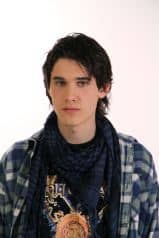
For the eighth consecutive year, the biggest and most prestigious international song competition, the Junior Eurovision Song Contest, is about to begin in less than 48 hours. Yesterday, all previous winners gave a press conference in the Minsk (Belarus) Arena where the competition is being held. And today, here at theskykid.com, we are proud of having the opportunity to share with our readers an exclusive interview with the first ever winner of the Junior Eurovision Song Contest – Dino Jelusic !
SK: You won the first edition of the Junior Eurovision Song Contest in Copenhagen, Denmark on November 15, 2003. Could you talk about what winning that contest was like for you at such an early age?
Dino:Well, It’s was an amazing experience, and one of the best days of my life. I honestly didn’t expect to win! I still remember walking over the bridge from the green room to the main stage when I won the Eurovision, and when they called my name, I was completely distraught, and still today, 7 years after victory, I have great memories of those days :)
SK: During the JESC, no parents were allowed to be there while the kids practiced. Did your dad give you any last words of advice before that final preparation for your song?
Dino: The only thing he said was: ‘’ Just be yourself and give your best, the rest isn’t important’’, and he didn’t expect victory! Nobody expected victory. After winning the contest, all of us, me and my family were thrilled :)
SK:At a young age, you performed in many live shows. I‘ve read that you once did a concert in Denmark at which there were 100,000 in the audience. What was that like?
Dino: OMG! Playing in front of 100.000 people, that was huge! The best experience I’ve EVER had! I still remember the girls in the audience screaming! Priceless!
SK:Many young men have a difficult transition at the time their voice changes. What was your experience like and did you use a vocal coach or teacher to get you through that time?
Dino:It all happened almost three years ago, and I paused my singing for a few months. After that, I went to my vocal coach – after just a few hours we were surprised at how well my voice was sounding! I’m totally satisfied with the voice I have now and actually that’s the voice I was looking for! I wouldn’t change a thing in it!
SK:Do you prefer doing the live concerts versus recording?
Dino: Live concerts, definitely! All songs I recorded in studio are, let’s say … 60% of what I can really do live. For live performances I give more power, more of rock’n’roll screams, and more of myself. But I like studio too :)
SK:What would you say has been your greatest performing experience in your music career thus far?
Dino: Definitely the above mentioned live show in Denmark, in 2004 (Ah Abe tour), where I performed in front of 100.000 people! If I ever do it again, I will call myself successful!
For those who don’t know me, I am Shane Foxx, an independent singer-songwriter from France. I am an outsider. And today I’m going to tell you my story about my original music and how I ultimately made a CD of my personal songs, exactly the way I wanted it to be.
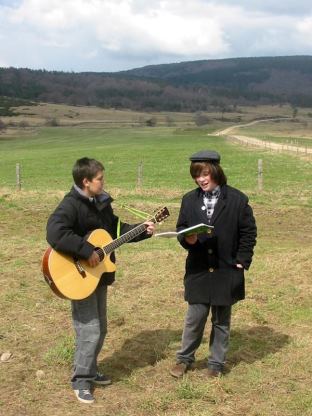
First, you have to know that I don’t come from a musical family. Four years ago, I started going to some concerts because one of my friends really liked independent music. He made me discover a whole new universe. I fell in love with music at this time. I enjoyed watching the bands performing live, everybody was very nice, and the musicians made it look so easy. I especially liked a local unknown band called Coming Soon. They had a 14-year-old drummer, Leo Bear Creek, who sang some tunes on the ukulele at the beginning of their show. I was very impressed and envious and I collected all their self-produced albums.
Soon after this, I met Zak Laughed, a 12 year-old local singer-songwriter. He encouraged me to start playing the ukulele too. That is how, 3 years ago, I bought a ukulele and taught myself how to play it while covering the songs of Zak Laughed, Coming Soon, and some other unknown bands, as well as Bob Dylan, Leonard Cohen, Johnny Cash…etc. It wasn’t long before I started to think, if they could write songs, why not me? So I started writing and composing my first songs and it turned out to be fairly easy for me. I naturally chose to write in the English language because I was shy and I didn’t want my friends and family to understand the lyrics. Also because English songs were the kind of music I was listening to. My parents never got involved in my music. In fact, they are not interested in my music, so they don’t even listen to me. It’s something I’m really glad and thankful about, because it helped me stay down to Earth, and they never discouraged me from continuing.
It wasn’t long before I made a YouTube account to upload some covers and share my humble videos with my mates. The nice comments from the community encouraged me to continue. I also started saving to buy a guitar. I finally bought one that was perfect for me, taught myself how to play it, and never stopped writing songs, having jams with my friends, and covering my favorite music on YouTube. To be honest, I didn’t like my songs much. I always preferred playing others’ songs. I also did some gigs in my city.
One year ago, I thought I had enough songs that were worth including on an EP. For those who don’t know, an EP (Extended-Play) contains too many songs to be considered as a single, but not enough to be called an album. I had plenty of songs to make an album, but I wanted to select the best ones only. Also, I saw my friends making EPs before producing whole albums, so this provided a good example to follow. Plus, albums are so much more work!!
By not being signed onto any label, and by not having a manager or anyone else that would restrict my creativity, I was totally free to express myself and ensure my lyrics were not censored. I never would have accepted changes to my songs anyway, although I am aware they will shock a lot of people. I needed to tell those stories, somehow, somewhere.
I asked my dear friend Theou Mounoukou to help me record and produce the EP. He is an amazing musician, I admire him so much, and I knew that I could trust him to follow my ideas about how I wanted the music to sound. From start to finish, it took about three months and it was a tremendous amount of work. I had to select the songs, work with Theou to arrange them (because of course they were pretty raw), and then we recorded them with Theou’s home-studio equipment. I consider myself very lucky to have had the opportunity to record my EP with Theou, because the sound was as clean as it could be (considering it’s recorded at home). I never was worried about the quality of the tracks, because many amazing artists that I admire such as Stanley Brinks, Daniel Johnston..etc produce great lo-fi albums. It was the sound I was searching for, to be honest. In the end, it had to be something very humble, very true, that fit my goals and my personality.
httpv://www.youtube.com/watch?v=pAFJkeNVYFQ
We recorded all the songs during the summer 2010, as I was very worried about my imminent voice change. Usually we recorded my voice and instrument at the same time (many artists would tell you that’s a sin) because it captured my emotions, and was much easier for me. Then we recorded all the additional tracks. We did some try-outs. My friend Sleipnir recorded his parts on one duet song and sent them to us via Internet! Mixing and mastering the recorded tracks took a lot of time. Theou did the most of it, while I gave him my opinion on what I liked. I’m very blessed to have had Theou included in this project because, without him, nothing would have been possible.
As the EP was being finished, I created the cover design. It was ‘my baby’ so I had to do it myself!! I was satisfied with the self-portrait drawing I used because it expresses the feelings of the songs very well. As for the order of the songs, we looked at the instruments in them, and their key, so the listener would not feel like they are all the same. Here again, I’m probably not the best judge about my songs because I don’t especially like them and I think they all sound the same (but after all it’s my style/signature). We eventually settled on a good order.
For the title, my EP is called The Last Memories of My Youth for several reasons. It is indeed a big shout-out to my friend Zak Laughed who influenced me a lot through these years. His album is called The Last Memories of My Old House – I suggest you get it!! The title is significance for another reason. As I mentioned earlier, I needed to make this EP before my voice changed, because the songs are quite ‘old’, as I wrote them between 2007 and 2010. I really wanted to have a proper souvenir of my treble voice, something I could keep like a family picture, something personal and beautiful. Music is very important to me now and I was afraid I would lose my voice and be unable to sing in the future.
This EP symbolizes a new start in my life. I can turn the page and start a new chapter, looking forward to better things. I will no longer get bothered by some things in my past that I wrote about. Now I hope to obtain a banjo, a piano, or a violin and teach myself how to have fun with them. I’ll give myself some years to mature and to write new songs, and maybe in the future with my grown-up voice, I’ll record an album – which will be very influenced by Chris Garneau or Scott Matthew music I am sure.
I am no longer afraid to lose my voice because I’ll always keep singing no matter what. Before it happens, I’m gonna record another home-made CD with covers of my favorite artists and it will be available for free on my website. I will also continue uploading covers on YouTube on my personal channel or on my music collaboration channel every Tuesday.
To conclude I would say that I’m not really an outsider. I just followed my dreams the way I wanted. I wouldn’t accept signing a contract. There are many young independent artists like me out there. I could name my mates Eric Bradford, Robert Borden, Jessarae, Lex Lamber (and his band: Throw Television), Luke Paul Jackson, Ryan Cassata, and many others! My message to every young singer who wants to get started is that no matter the number of fans you have, if you are not signed onto a label, if you don’t have a vocal teacher, or anything… as long as you have a passion, just go for it! Nothing should stop you!
The article above was written by Shane Foxx himself. You can find out more about him and his EP by visiting his website and/or reading the exclusive interview he gave for theskykid.com in June , 2010.
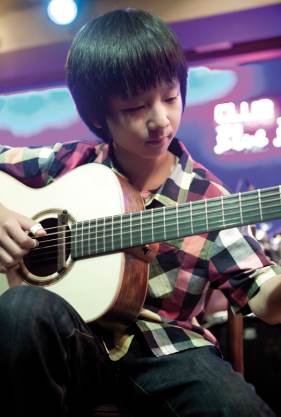
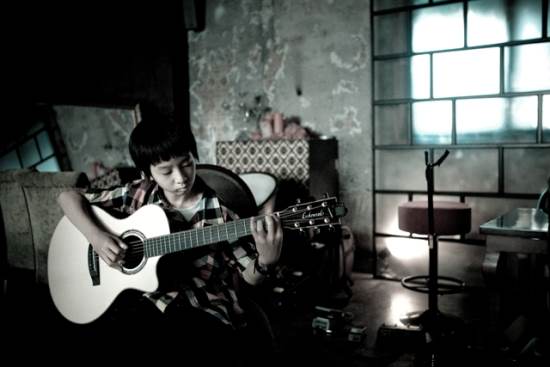
In the world of young talents, there is a special place reserved for Sungha Jung. He lives in South Korea, and plays guitar…
세상에는 뛰어난 재능을 지닌 어린 아이들이 많지만, 정성하는 그 중에서도 특별하다. 그는 대한민국에서 기타를 치는 친구이다..
Actually, “plays guitar” is a bit of an understatement. It’s more like he creates a musical magic that enchants thousands of people across the world. In April 2010, he received the special award for Outstanding International Instrumentalist at the 31st Annual Young Artist Awards in Hollywood, California. Many people found out about the talented young musician from YouTube where, four years ago, Sungha Jung uploaded his first clip – a cover of the song Splash by Kotaro Oshio. Today, his YouTube channel has nearly 10 million hits. His performance of “All You Need Is Love” got the Yoko Ono’s attention. She sent Sungha an email about his playing style and that John would have been very happy to have heard his music played in such a way.
사실 “기타를 친다”는 표현만으로는 이 친구를 설명하기 힘들다. 좀더 정확히 말하자면 그는 전세계 수천명의 사람들은 매혹시키는 음악적 마술을 만들어낸다. 2010년 4월, 그는 헐리우드의 제 31회 Annual Young Artist Awards에서 최고해외연주가상(Outstanding International Instrumentalist)을 수상했다. 많은 이들이 4년 전 정성하가 유투브에 처음으로 올린 Kotaro Oshio의 Splash라는 곡을 연주한 영상을 통해 그를 알게되었다. 현재 그의 유투브 채널은 거의 1000만건의 조회수를 기록하고 있다. 그의 “All You Need Is Love” 연주 영상은 오노 요코의 관심을 얻었다. 그녀는 정성하에게 이메일을 보내서 존 레논이 그러한 스타일로 자신의 음악이 연주되는 것을 들었다면 매우 행복해했을 거라고 이야기했다고 한다.
Sungha agreed to an exclusive interview for theskykid.com…
정성하는 theskykid.com과 독점 인터뷰를 가졌다.
SK:Hello and thank you for taking some time to answer some questions for the audience of theskykid.com.You are currently touring the US with fellow guitarist, Trace Bundy. What’s it like performing in front of a live audience in a foreign county?
안녕하세요. 그리고 theskykid.com 독자들을 위해 인터뷰에 응해주신 데 감사드립니다. 최근에 동료 기타리스트인 Trace Bundy와 미국을 투어중인데요. 해외 관객들 앞에서 공연하는 기분은 어떤가요?
Sungha Jung: It’s always exciting and fun to meet different audiences in different countries. It also means a lot to me because I get to greet people in person who have watched my videos on YouTube! I feel so lucky to be able to perform in front of my fans in many different countries.
다른 나라의 관객들을 만나는 것은 항상 재미있고 신나는 일이에요. 그리고 유튜브에서 저의 영상을 본 사람들을 직접 만날 수 있게 때문에 더 의미가 크구요! 여러 나라의 제 팬들 앞에서 공연할 수 있게된 것을 행운이라고 생각하고 있어요.
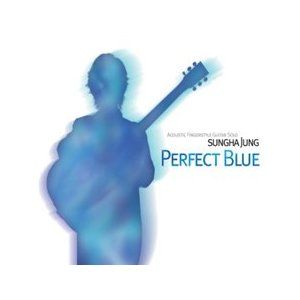
SK: Your debut album, Perfect Blue, has been recently released. While going through your various performances, I could not decide which one I liked more – they were all great. This makes me think that choosing which tracks to record for the album must have been a challenging task. Can you tell us a bit more about the tracks that made it in the album and why you chose them?
데뷔앨범인 Perfect Blue가 최근 발매되었는데요. 당신이 연주한 여러 영상들을 보다보면, 모두가 다 훌륭해서 어떤 걸 더 좋다고 고를 수가 없었는데요. 그런 점을 생각해보면 앨범에 어떤 노래를 녹음해야할지 고르는 것 또한 아주 힘든 일이었을 듯 해요. 앨범에 수록된 트랙들에 대해 소개하고 왜 이 트랙들을 골랐는지 이야기해줄 수 있을까요?
Sungha Jung: My first CD is actually a cover album whose songs were selected from among the ones that had received the most support on my YouTube channel. So it’s a homage to my YouTube fans in a way. They are also my favorite arrangements too. I have also put two of my originals – Hazy Sunshine & Perfect Blue – so that people know that I’ve also been working on my own songs.
제 1집 앨범은 사실 제 유투브 채널에서 가장 많은 지지를 받았던 곡들 중에서 선택된 커버 앨범이에요. 그래서 어떤 면에서는 제 유투브 팬들에 대한 오마쥬가 될 수도 있구요. 그리고 제가 제일 좋아하는 편곡들로 이루어져있기도 해요. 물론 제 곡도 두 곡 넣었어요-Hazy Sunshine과 Perfect Blue요. 그래야 사람들이 제가 저 스스로의 노래도 작업 중이었다는 걸 알 수 있으니까요.
SK: Could you talk about how and when you decided to play the guitar? Have you taken lessons for it?
어떻게 그리고 언제 기타를 연주하기로 결심했는지요? 레슨을 받았나요?
Sungha Jung: I had been watching my dad playing guitar at home and finally grabbed one myself four years ago, when I was 10. My dad’s not a professional guitarist, but he is a big acoustic music lover and used to play guitar at home. I always liked the beautiful acoustic sound of it. Well, I didn’t really have anyone to teach me when I started because I learned those tunes my dad used to play within a couple of months. So after that, I just learned by listening to original tunes and watching videos of other guitarists on the Internet.
아빠가 기타를 연주하는걸 봐오다가 4년 전 마침내 스스로 기타를 잡아봤어요. 그때가 열살이었나. 아빠는 전문 기타리스트는 아니지만 어쿠스틱 음악을 정말 좋아하시고 집에서 기타를 치곤 하셨어요. 그 어쿠스틱한 소리가 항상 너무 좋았구요. 음, 처음에 시작할때는 딱히 누가 가르쳐준 사람이 없었어요. 아빠가 연주하곤 했던 곡들을 두달 정도 걸려 배웠거든요. 그 다음에는 원곡들을 듣고 다른 기타리스트들 영상을 인터넷을 통해 보면서 배우기 시작했어요.
SK: How would you describe your music?
당신의 음악에 대해 설명한다면?
Sungha Jung: I’d like to describe my music as my journey through the pure and simple sound of acoustic guitar without boundaries. It is also my effort to express who I really am with the guitar.
특별한 경계없이 그냥 어쿠스틱 기타의 순수하고 심플한 사운드를 통해 보여주는 저의 여정이라고 이야기하고 싶어요. 그리고 기타를 통해서 진정한 저의 모습을 표현하고자 하는 노력이기도 하구요.
SK: Do you prefer one genre or do you enjoy playing all types of songs?
한장르의 음악을 좋아하나요 아니면 모든 장르의 노래들을 연주하는걸 즐기나요?
Sungha Jung: As you might have noticed, I’ve played lots of songs from many different genres: classical, film OSTs, old pop, contemporary and Korean pop music, etc. I really enjoy learning various types of music because they bring out different emotions and feelings. I think it’s also part of the reason that allowed me to reach a wider audience on YouTube.
보시면 아시겠지만, 여러 다른 장르들의 노래들을 많이 연주해왔어요: 클래식, 영화 OST, 올드팝, 콘템포라리와 한국가요 등등. 다 다른 감정과 느낌들을 주기 때문에 여러 종류의 음악을 배우는 걸 좋아해요. 그게 아마 유투브에서 더 넓은 층의 사람들에게 다가갈 수 있었던 이유 중 하나라고 생각하구요.
SK: That other day I was visiting a friend of mine in Spain and after she saw theskykid.com, she wanted to show me a video on YouTube. The video she showed me was your performance of City of Tokyo by Rynten Okazaki. I was impressed and she said that you are quite popular with her schoolmates. When you shared your first videos on YouTube, did you envision that one day you would have fans from all over the world?
얼마 전에 스페인에 있는 친구를 방문했는데, theskykid.com 싸이트를 보더니 제게 유투브 영상을 하나 보여주고 싶다고 하더군요. 그 영상은 당신이 Rynten Okazaki의 City of Tokyo를 연주한 영상이었어요. 굉장히 감명받았는데, 그 친구가 자기 학교 친구들 사이에서 당신이 꽤 유명하다고 하더라구요. 당신이 첫 영상을 유투브에 올렸을때 이렇게 전세계의 팬들이 생길 줄 예상했었나요?
Sungha Jung: No, not really. I had no idea I would get over 170 million views within four years because, up until two years ago, my most viewed videos received only a couple of hundred thousand views. I’m really happy and grateful that more people enjoy my playing!
아니요. 4년간 1억 7천만 조횟수를 받아보게 될 줄은 전혀 몰랐어요. 2년 전만 해도 제일 조횟수 높았던 영상들은 그저 수백, 수천건 정도밖에 안되었거든요. 더 많은 사람들이 제 연주를 즐긴다는 데 기쁘고 감사해요!
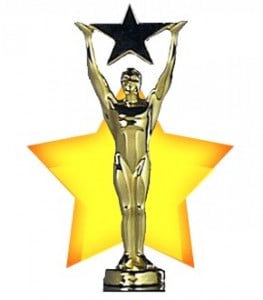
SK:This year you were honored with the special award for Outstanding International Instrumentalist at the 31st Annual Young Artist Awards. Did you have any idea you’d receive such an award?
올해 제31회 Annual Young Artist Awards에서 최고해외연주가상을 수상했는데, 이러한 상을 받을 줄 상상했었나요?
Sungha Jung: No I didn’t. I was actually in Germany recording my first album when I heard the news. I was very surprised and excited at the same time. I already won a couple of awards in Korea but it was the first award I got to receive from overseas. I wish I could’ve attended the award too, but there wasn’t enough time for that to be arranged. They sent me the statuette afterwards, which looked so cool!
아니요. 사실 그 소식을 들었을때 독일에서 녹음 중이었는데, 너무 놀랐고 동시에 정말 기뻤어요. 한국에서 몇개 상을 수상하긴 했지만 해외에서 받은건 처음이었거든요. 시상식에도 참여했었으면 좋았을텐데 그 일정을 조정할 시간이 충분하지 못했어요. 트로피를 나중에 보내줬는데 아주 멋졌어요!!
SK: Do you have a favorite musician that serves as a role model for you?
롤모델로 삼고있는 뮤지션이 있나요?
Sungha Jung: My mentor and friend, German guitarist Ulli Boegershausen, is my role model. He plays with such great feeling and heart. I feel very lucky that he produced my first album because I learned a lot while we recorded it together.
제 멘토면서 친구인 독일 기타리스트 Ulli Boegershausen이 제 롤모델이에요. 정말 감정과 마음을 담아서 연주해요. 이 분이 제 첫 앨범을 프로듀스해주셔서 정말 행운이라고 생각해요. 같이 녹음하면서 정말 많이 배웠거든요.
SK: Is there anything you’d like to say to your fans?
팬들에게 하고 싶은 말은?
Sungha Jung: I would like to thank my fans for their support and enthusiam. I hope I can meet them all in my live performance.
제 팬들께 많은 성원 보내주셔서 감사하다고 말씀드리고 싶구요. 제 라이브 공연에서 모두 만나뵐 수 있었으면 좋겠어요.
Sungha Jung Official Web Page
Thanks to sctwins for the Korean translation of this article
 “I’m afraid of nothing….Once I bit a wolf!”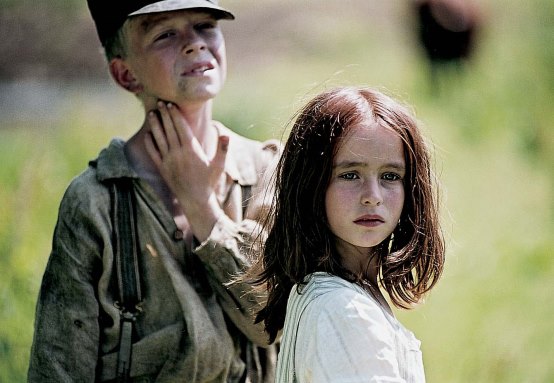
 While looking for more information about the short film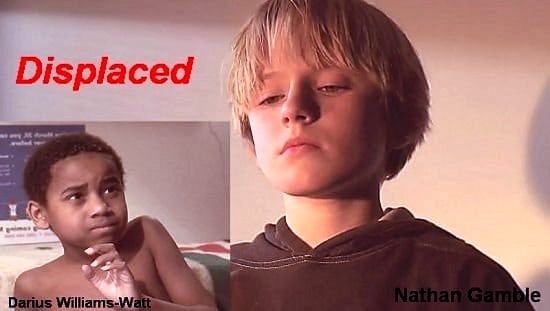
 Tobias Baumann (Frederick Lau) is a troubled kid – and there is a reason for that. His family is not as well off as the other kids at his school, and the boys in his class enjoy picking on him because of his social status. The fact that he doesn’t know who his father is and has a young but careless mother (too young to have a teenage son anyway) does not help either. That is why it’s unsurprising that Tobias, tired of being ridiculed for things he has no control over, loses his nerve. His schoolmates call that “becoming anti social” – but can you blame him? I could not – he has no choice but to try to cope with life alone…
 Film title: Wer küßt schon einen Leguan?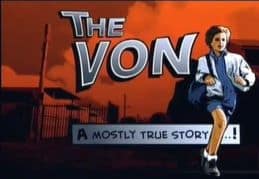

 Film title: YOHAN – The Child Wanderer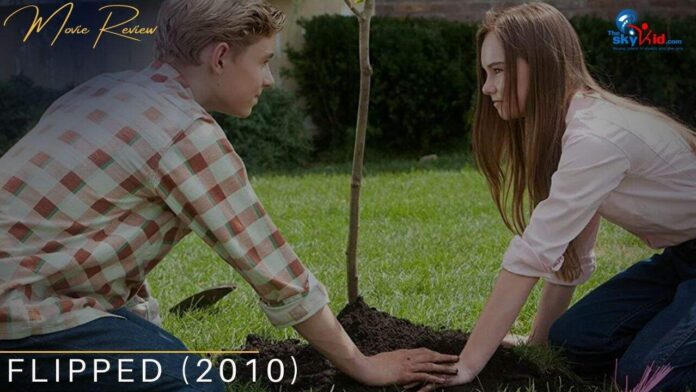
 Film title: Flipped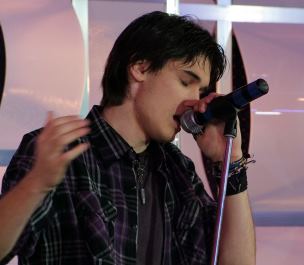

 Dino:
Dino:
 First, you have to know that I don’t come from a musical family. Four years ago, I started going to some concerts because one of my friends really liked independent music. He made me discover a whole new universe. I fell in love with music at this time. I enjoyed watching the bands performing live, everybody was very nice, and the musicians made it look so easy. I especially liked a local unknown band called Coming Soon. They had a 14-year-old drummer, Leo Bear Creek, who sang some tunes on the ukulele at the beginning of their show. I was very impressed and envious and I collected all their self-produced albums.
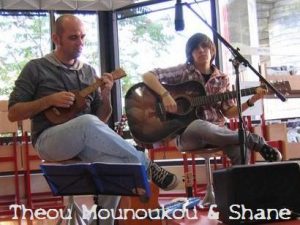 I asked my dear friend Theou Mounoukou to help me record and produce the EP. He is an amazing musician, I admire him so much, and I knew that I could trust him to follow my ideas about how I wanted the music to sound. From start to finish, it took about three months and it was a tremendous amount of work. I had to select the songs, work with Theou to arrange them (because of course they were pretty raw), and then we recorded them with Theou’s home-studio equipment. I consider myself very lucky to have had the opportunity to record my EP with Theou, because the sound was as clean as it could be (considering it’s recorded at home). I never was worried about the quality of the tracks, because many amazing artists that I admire such as Stanley Brinks, Daniel Johnston..etc produce great lo-fi albums. It was the sound I was searching for, to be honest. In the end, it had to be something very humble, very true, that fit my goals and my personality.
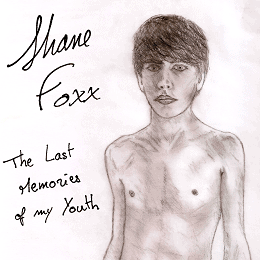 For the title, my EP is called The Last Memories of My Youth for several reasons. It is indeed a big shout-out to my friend Zak Laughed who influenced me a lot through these years. His album is called The Last Memories of My Old House – I suggest you get it!! The title is significance for another reason. As I mentioned earlier, I needed to make this EP before my voice changed, because the songs are quite ‘old’, as I wrote them between 2007 and 2010. I really wanted to have a proper souvenir of my treble voice, something I could keep like a family picture, something personal and beautiful. Music is very important to me now and I was afraid I would lose my voice and be unable to sing in the future.