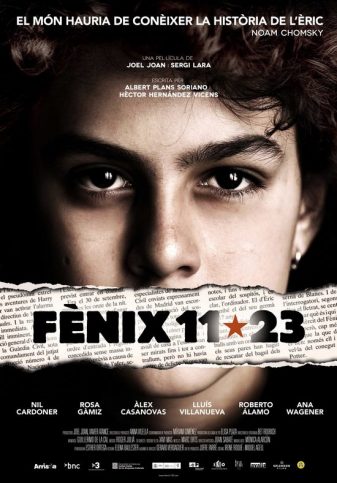
 The Spanish film Phoenix 11-23 (original title = Fenix 11·23), about a young boy accused of terrorism after threatening a retailer, presents a real challenge for any reviewer. The reason for that lies in the film’s theme – mostly the ongoing attempt of some of the citizens of Catalonia to form a state independent from Spain.
As I have a strong personal stance in this matter – not disclosing it would flaw the review. That being said, here is my stance: I respect the Catalonian language and culture, just not when it is forced on people. I have seen and experienced that myself, as more often than not, the language is used to discriminate against both people from Spain or abroad.
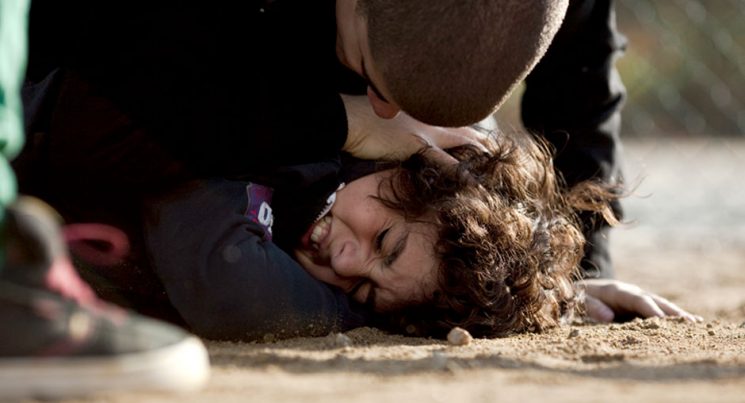
With that disclosure out of the way, Phoenix 11-23 is an intriguing film shot in the same style as The Interrogation of Michael Crowe – a courtroom psychological drama from the US. The two films share a lot of similarities – from the age of the protagonists (in both films, they are 14-year-old boys) to the fact that the films are based on real cases and that both present a struggle of young people against an external force – the justice system. The Coming-of-Age motifs are present in both films yet are somewhat more notable in Phoenix 11-23, which also touches on commonly addressed issues in many young peoples’ lives – such as first love and bullying. This makes the character of Èric Beltrán relatable, aided by the more than capable acting of Nil Cardoner.
Trailer
Phoenix 11-23 is filled with emotions and drama, and the story is more than capable of holding one’s attention while, at the same time and regardless of any potential bias, the viewer will be in a position to pass a judgment on the actions of the protagonists and the consequences they bring. Keeping the disclosure I opened this review with in mind, the viewer is likely to note and judge the indoctrination aimed at youth just as in the American 2007 documentary Jesus Camp. But I assume many who sympathize with the doctrine for Catalonia’s independence will disagree with such an assessment. Where I saw a story of a kid who makes a mistake due to his naivety and innocence, others may see the story of a “freedom fighter.” Whatever the case, the film portrays the story objectively enough, allowing viewers to reach their own conclusions.
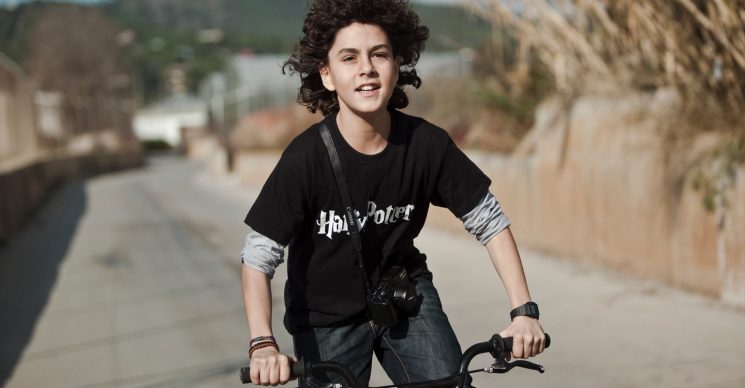
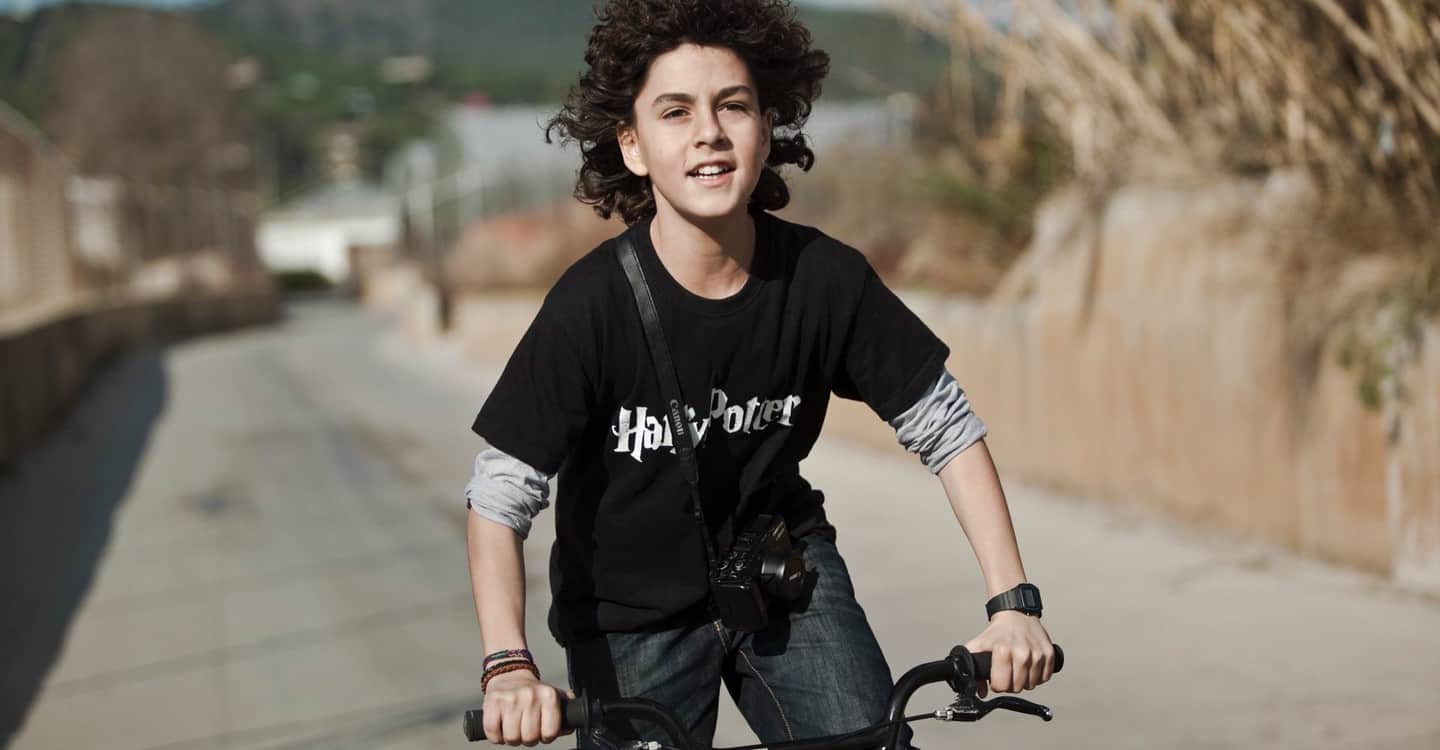
As a Coming-of-Age drama, the film possesses many good qualities: an original and poignant story, an efficient score, and excellent acting performances from the entire cast. Most of the dialogue is in Catalan, but the DVD has English subtitles, making the film accessible to an international audience. Phoenix 11-23 is an excellent film and can be enjoyed by people of all ages – who may see the story either as a warning or inspiration.
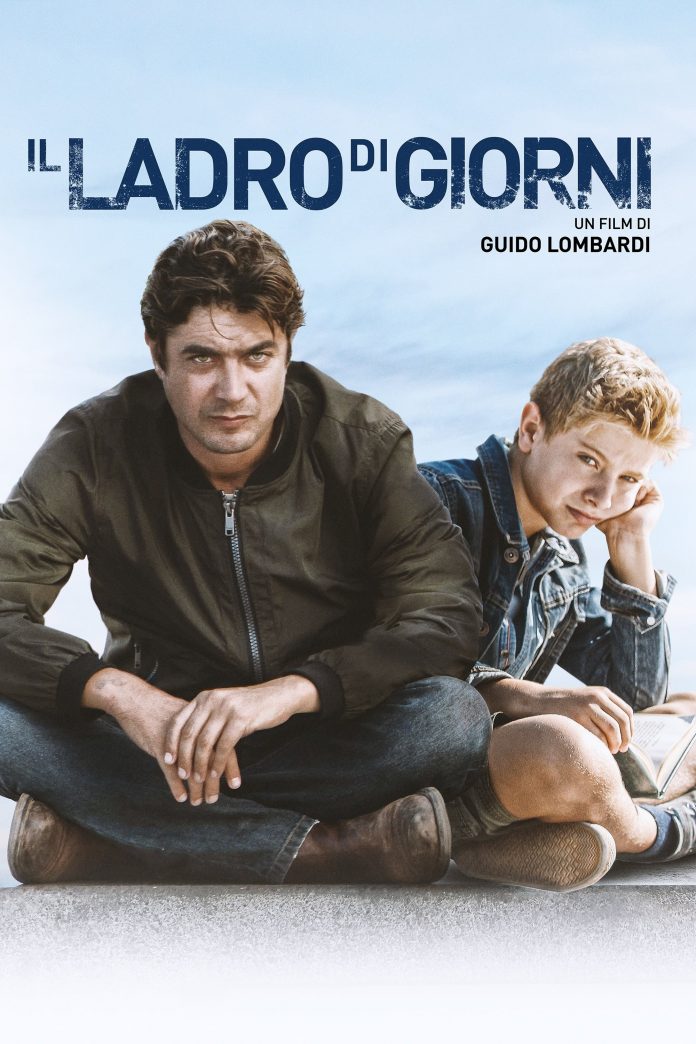
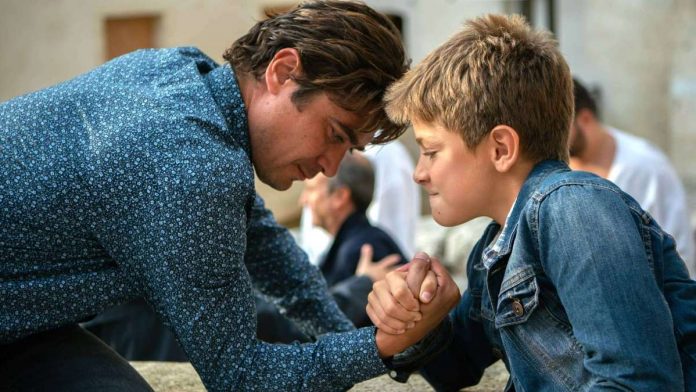
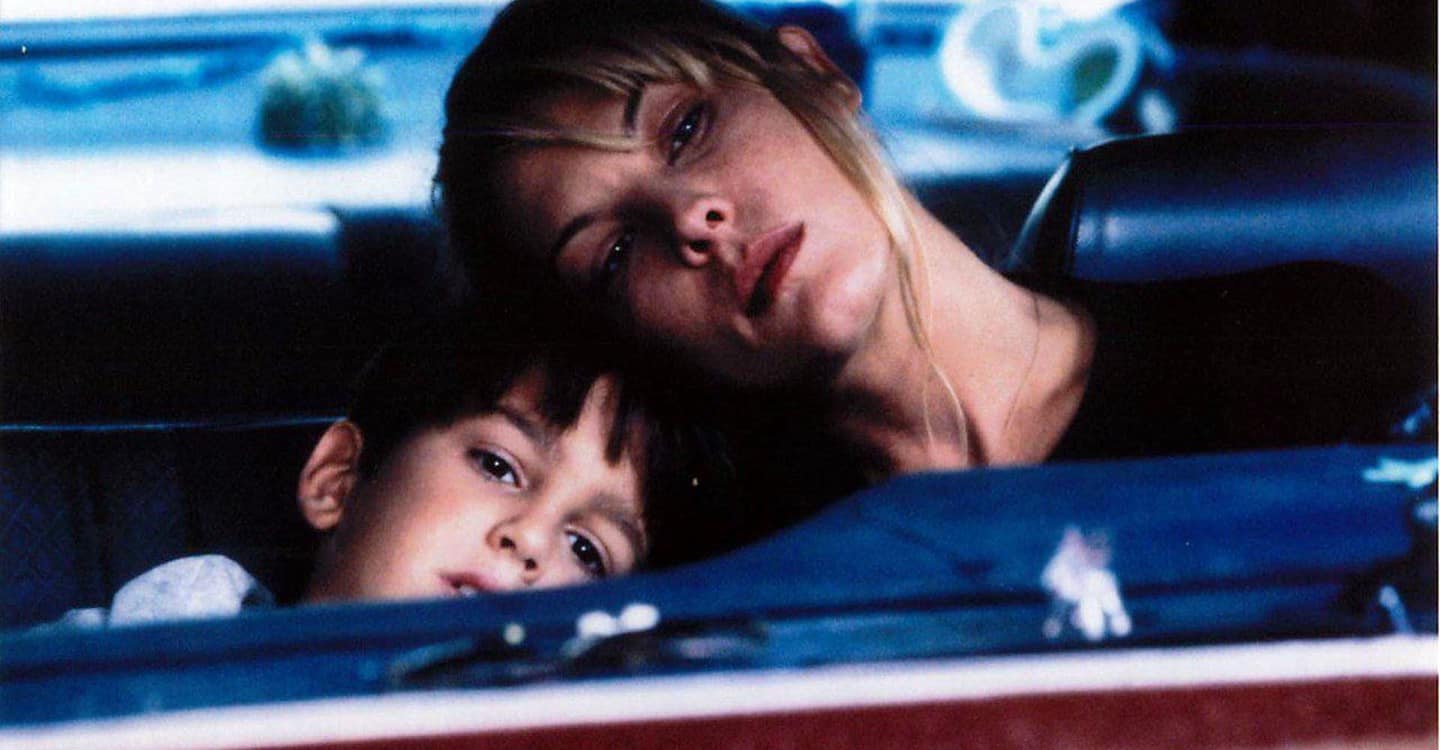
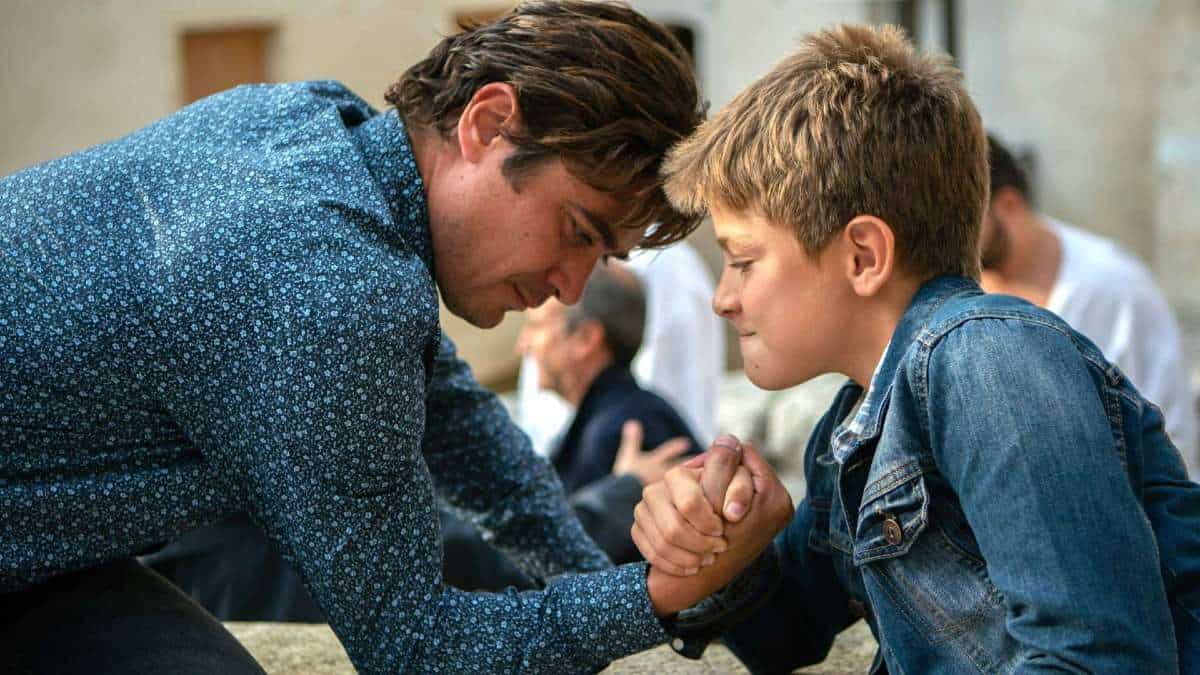
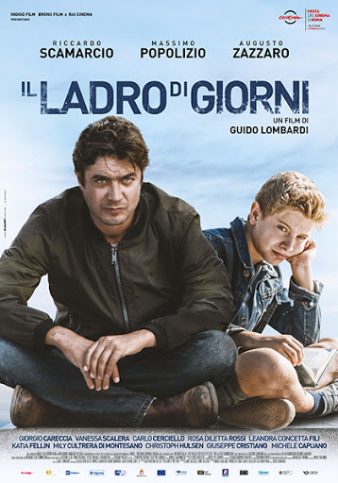 Stolen Days (Original title: Il ladro di giorni) is a film that captivates and intrigues from beginning to end. It hits all the right notes – on storytelling, the plot’s complexity, acting, musical score, editing, and camerawork. What’s more, it features a Coming-of-Age story that enhances not just the life of the protagonists on screen but of its viewers as well.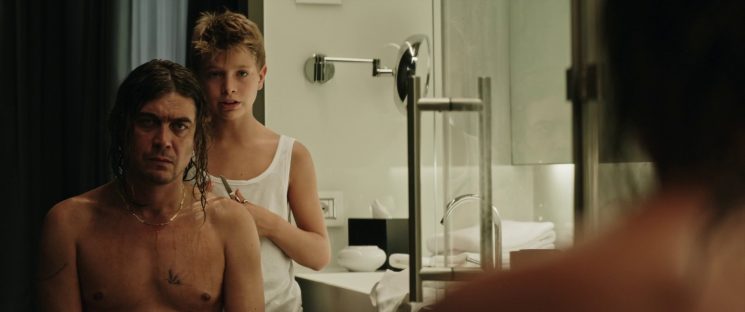
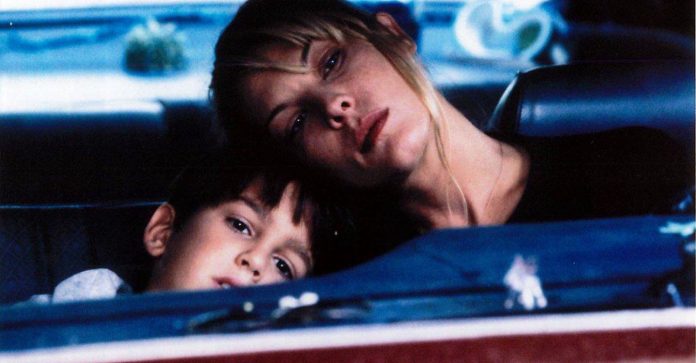
 Stolen Days combines the elements of a Coming-of-Age drama, thriller, and a road movie in a cleverly entwined nonlinear dramatic structure. Information about the characters’ past is filled in by flashbacks and dialogue, creating a state of dramatic tension. Furthermore, the filmmakers utilize objects as symbols that trigger complex attitudes and feelings within the story’s context. One example of such a symbol is a toy robot, which symbolizes imagination and childhood. It serves as a storytelling device connecting the past and the present. Other examples are the broken windshield of the car they are riding and Robert Louis Stevenson‘s book Treasure Island, both charged with symbolic significance. I will leave it to the viewer to interpret that symbolism.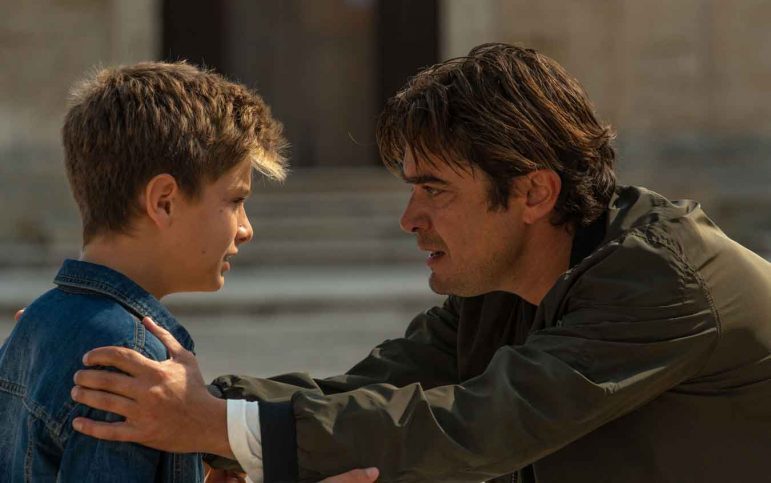

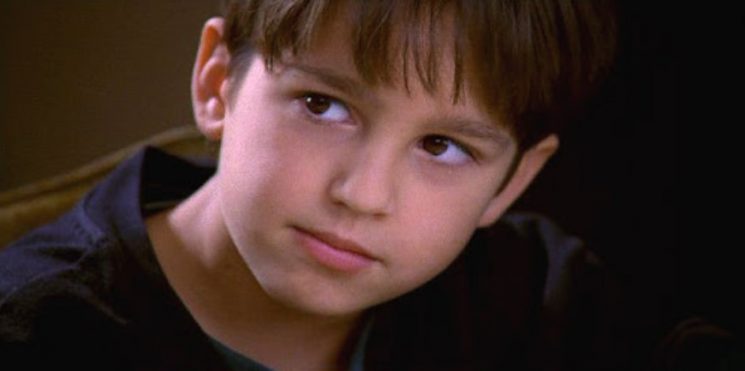
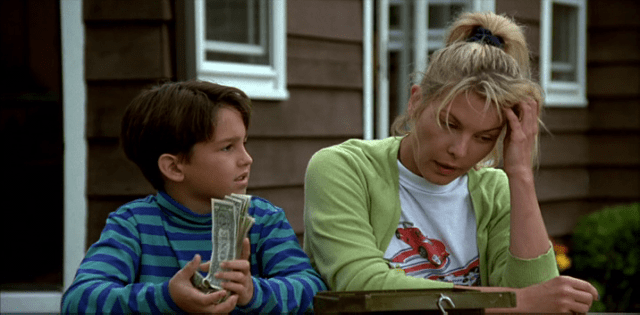
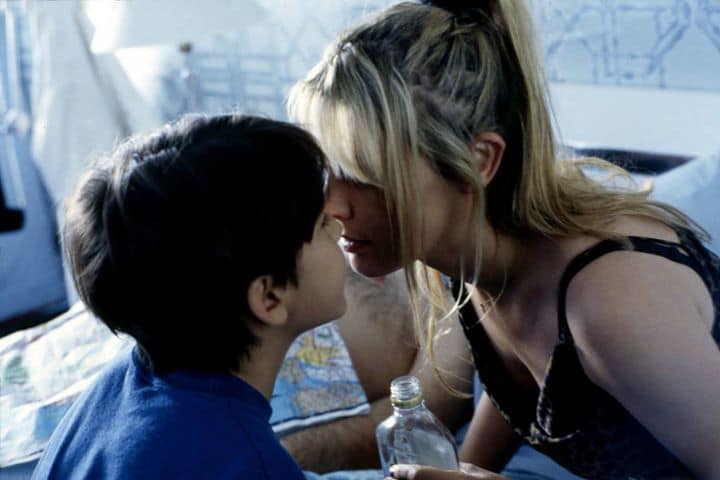 In the end, most of the events in the narrative are open to interpretation – like trying to put limits on reality and fantasy or forgo them altogether. If one gets confused, it’s worth remembering one of the phrases from the film’s opening – led to the story by a character admitting that his “memory’s hopelessly flawed and entangled with my imagination.”