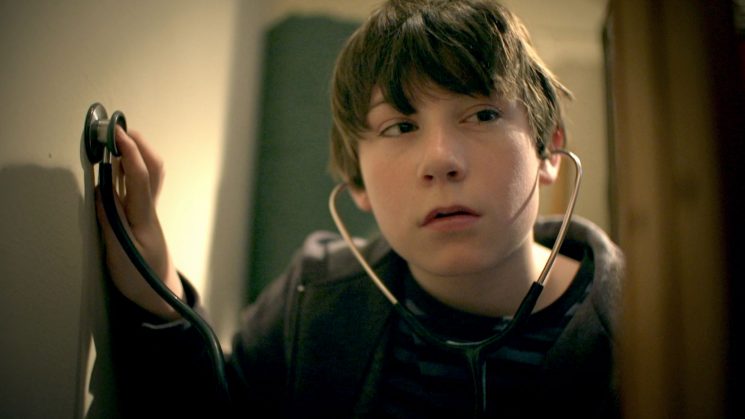
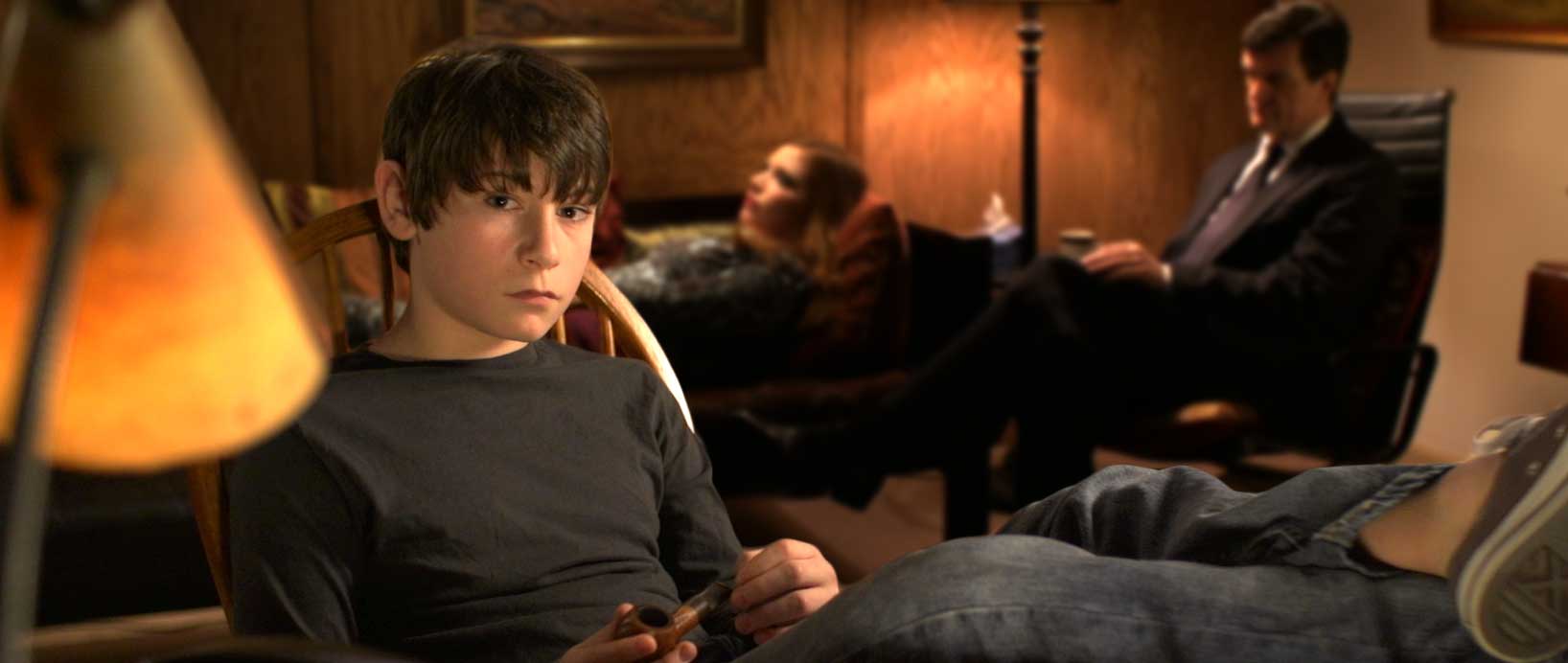
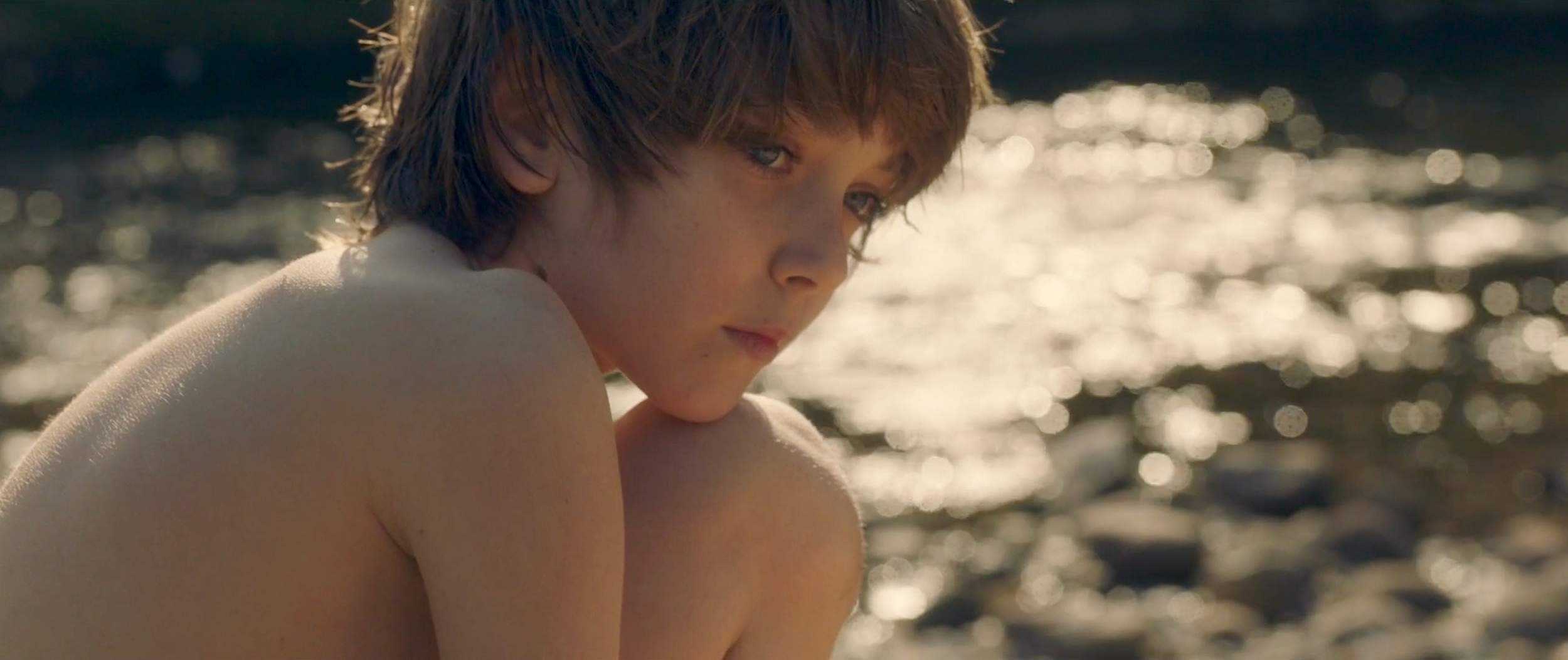
Interpersonal relationships can be complicated, even if they are between siblings. Robert Eggers‘s 2015 short film Brothers manages to turn a conflictive family relationship into an atmospheric Coming-of-Age drama. The story’s tension rises in a slow yet consistent manner as one observes the interaction between the two brothers and their autocratic grandmother.
Shot on location in the rural New Hampshire woods, the film features a convincing and natural performance by the young actors in the lead roles: Ethan Sailor and Griffin Fox-Smith. Aided by competent editing, the actors’ physical appearance sketches their inner worlds’ complexity, focusing on the various ways in which the older brother attempts to suppress his younger sibling. While expected, the climax is poignant enough, although the final scene may raise some questions in the viewer’s minds.
http://youtu.be/SOerrMKjL-A
Brothers (2015)
In short
The short film "Brothers" manages to turn a conflictive family relationship into an atmospheric Coming-of-Age drama.
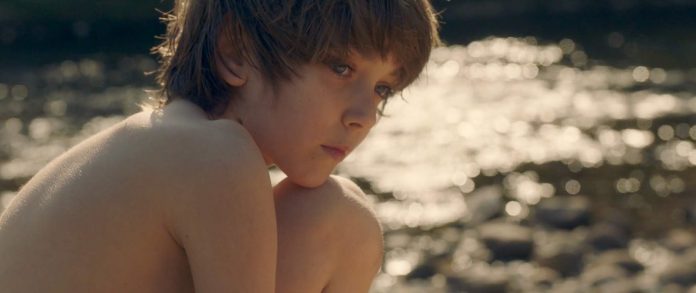
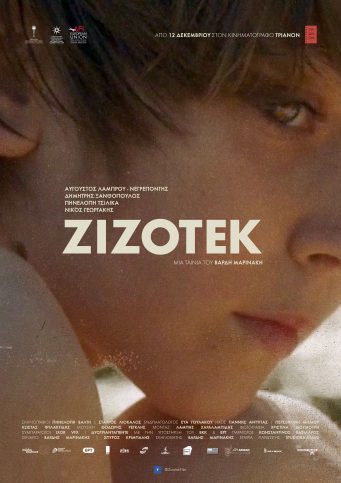
Depression, abandonment, and compassion are the main themes of Vardis Marinakis‘s film Zizotec. Visualizing unorthodox childhood experiences could have turned the film into a splendid Coming-of-Age tale had the filmmakers managed to combine the superb acting of the cast with a better-written script. What starts as a family drama morphs into a fairy-tale-like story by the final scene – making the whole story feel like a prequel of another film.
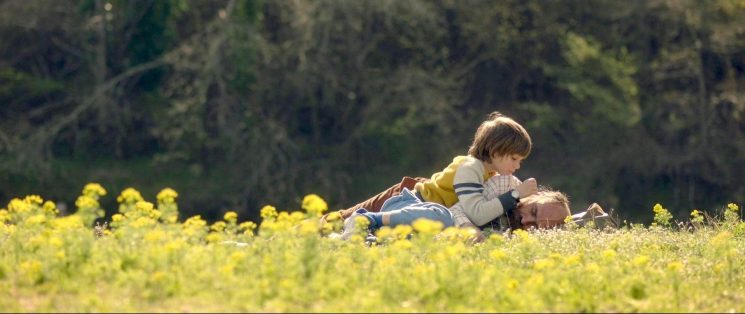
Abandoned by his mother (Penelope Tsilika), a nine-year-old boy (August Lambrou-Negrepontis) called Jason wanders around the forest near the Greek-Bulgarian border until he discovers an empty, isolated hut. The boy finds refuge inside of it. When the hut’s owner, an old mute loner called Minas (Dimitris Xanthopoulos), returns to his property, he is not thrilled to find the young guest. One would expect him to call the police – but he doesn’t. Soon it becomes clear that Minas has a rather edgy rapport with the law as he helps migrants illegally cross the border. The boy and the loner develop a father-son relationship that they both need and embark on a journey that takes an unexpected turn.
August Lambrou-Negrepontis as Jason in Zizotek (2019)
The story develops at a slow pace and, unfortunately, is not coherent. That’s because the general characterization is weak, leaving the viewers clueless about the motives behind the actions of just about everyone. It never becomes clear why Jason’s mother abandons him nor what her fate is after that horrid decision, aside from a brief scene in which Minas find her servicing a customer in what appears to be a brothel.
Zizotec features a prime example of Intergenerational friendship
Young August Lambrou-Negrepontis portrays his character with naturalness and sincerity that one could only expect to witness in the acting of newcomers so typical for Coming-of-Age films as a genre. The camera makes sure that the young actor’s beauty is emphasized, for this quality is transferred to the film itself — convincing the audience that the cinematography and overall picture is pleasing to look at. Yet his role in the film follows the well-established tradition of kids finding affection and understanding outside their homes after an act of betrayal from the people closest to them. This reminds me of the 1993 American dramas: The Man Without a Face Book and A Perfect World.
Zizotec‘s story features motifs one expects to find in a Coming-in-Age themed film, but it’s tough to connect the dots and explain the ending, which, while original and thrilling, does not really connect with the story already shown unless one is to consider it as allegory or metaphor.
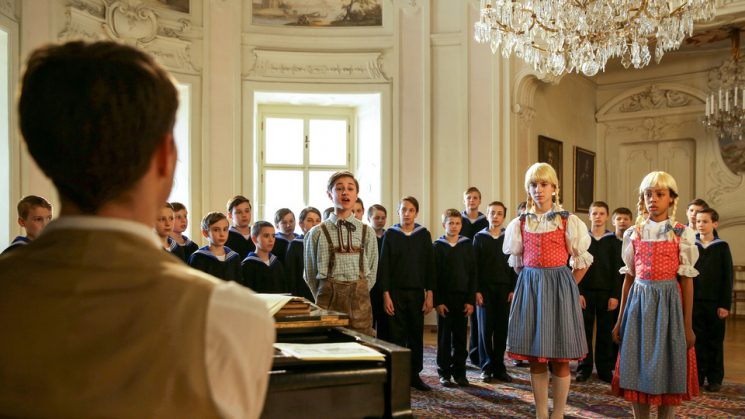
Little Big Voice is set in Austria in 1955. It’s a moving story of a ten-year-old boy, Ben (Wainde Wane), who, after his mother’s death, tries to fulfill his dreams in post-war Europe – in the face of many obstacles.
This film’s biggest flaw is its plot. It is overly unrealistic and staged, with most events subordinate to the feel-good emotional response the filmmakers aimed to achieve. Universal themes such as acceptance, determination, and friendship are addressed, but in a fairy tale manner, making the film suitable for family viewing. Still, it’s likely to offend audiences with tastes for more credible dramatic narratives.
Little Big Voice shares some of the same messages that one finds in Stephen Daldry‘s Coming-of-Age classic Billy Elliot. But it’s possible that because Little Big Voice was made for TV (and likely with a distinct target group in mind), that predetermined how the story is told. So while Stephen Daldry handled emotional material with restraint, it is the lack of that which greatly affects the story’s credibility in Little Big Voice.
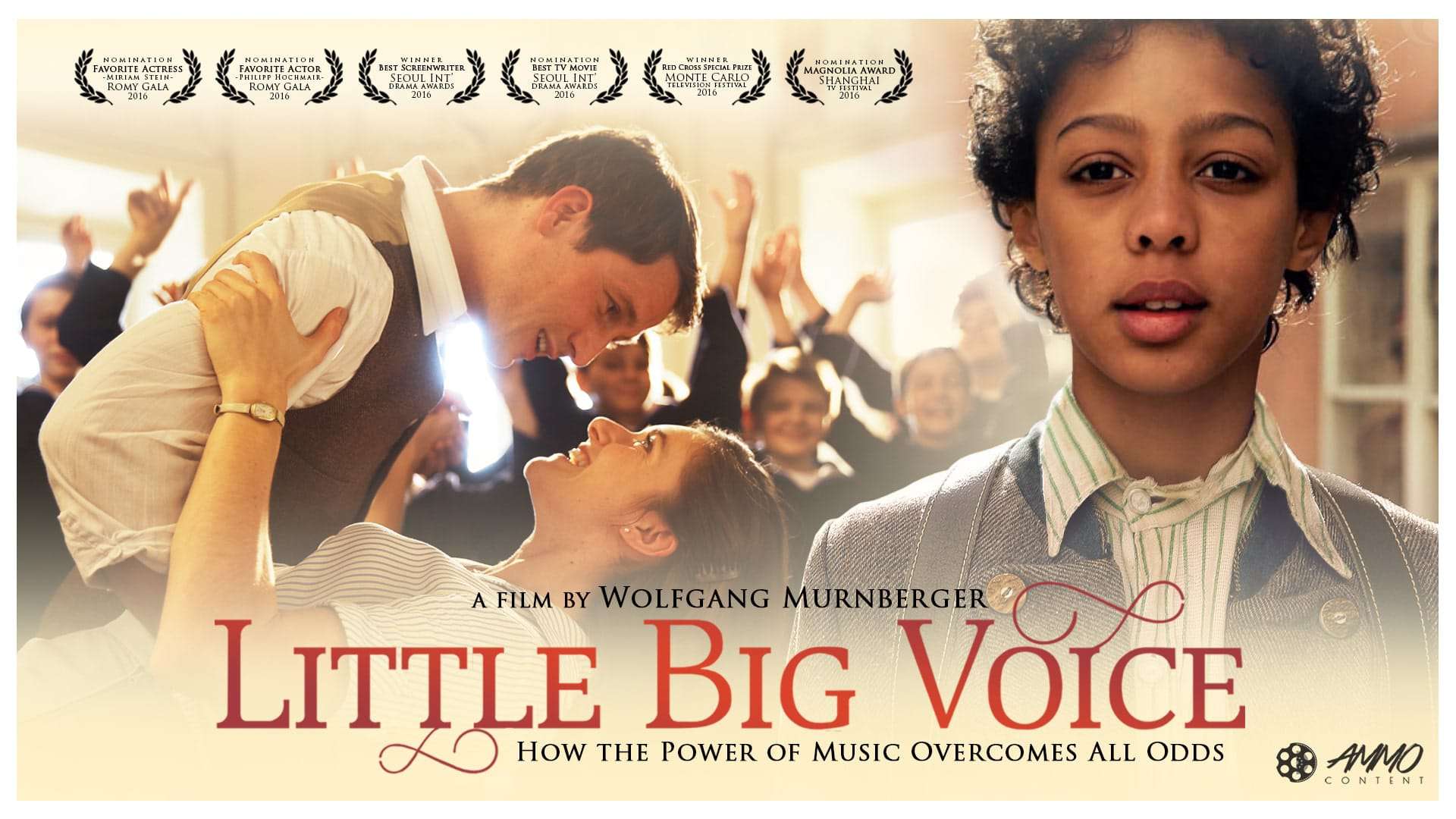
Wainde Wane as Benedikt Thaler in Little Big Voice
The Vienna Boys Choir is a name that is guaranteed to inspire interest in the film by many treble music enthusiasts. Yet, unlike films such as the 1962 Disney production of Almost Angels or Christophe Barratier’s Les Choristes (The Chorus), the music and the choir in Little Big Voice take on the role of being a backdrop for a story of a boy looking for his father. On the positive side, the story is not rehashing scenes and events from those classics but has some of its own originality.
When it comes to acting – most of the actors manage to perform in a manner that creates wholesome characters, each with a backstory of their own. Character-based narratives are familiar in the Coming-of-Age genre, but not so in Little Big Voice unless one is willing to accept a multicharacter approach. The young Wainde Wane in the lead role performs well but does not leave a long-lasting impression on the viewer.
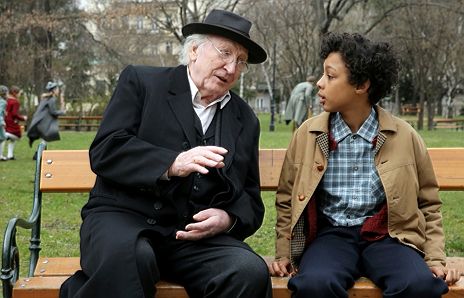
Karl Merkatz and Wainde Wane in Little Big Voice
Take my review with a grain of salt, knowing that I am the kind of person who will always opt for a harsh, dramatic narrative. Yet, as a whole, Little Big Voice is not a bad film and deserves a chance to be discovered and seen. Credible or not, the story is interesting enough to transfer the viewer to a better world in which a happy ending is a must. If you are looking for positivity in these troubled times, a film like Little Big Voice delivers.
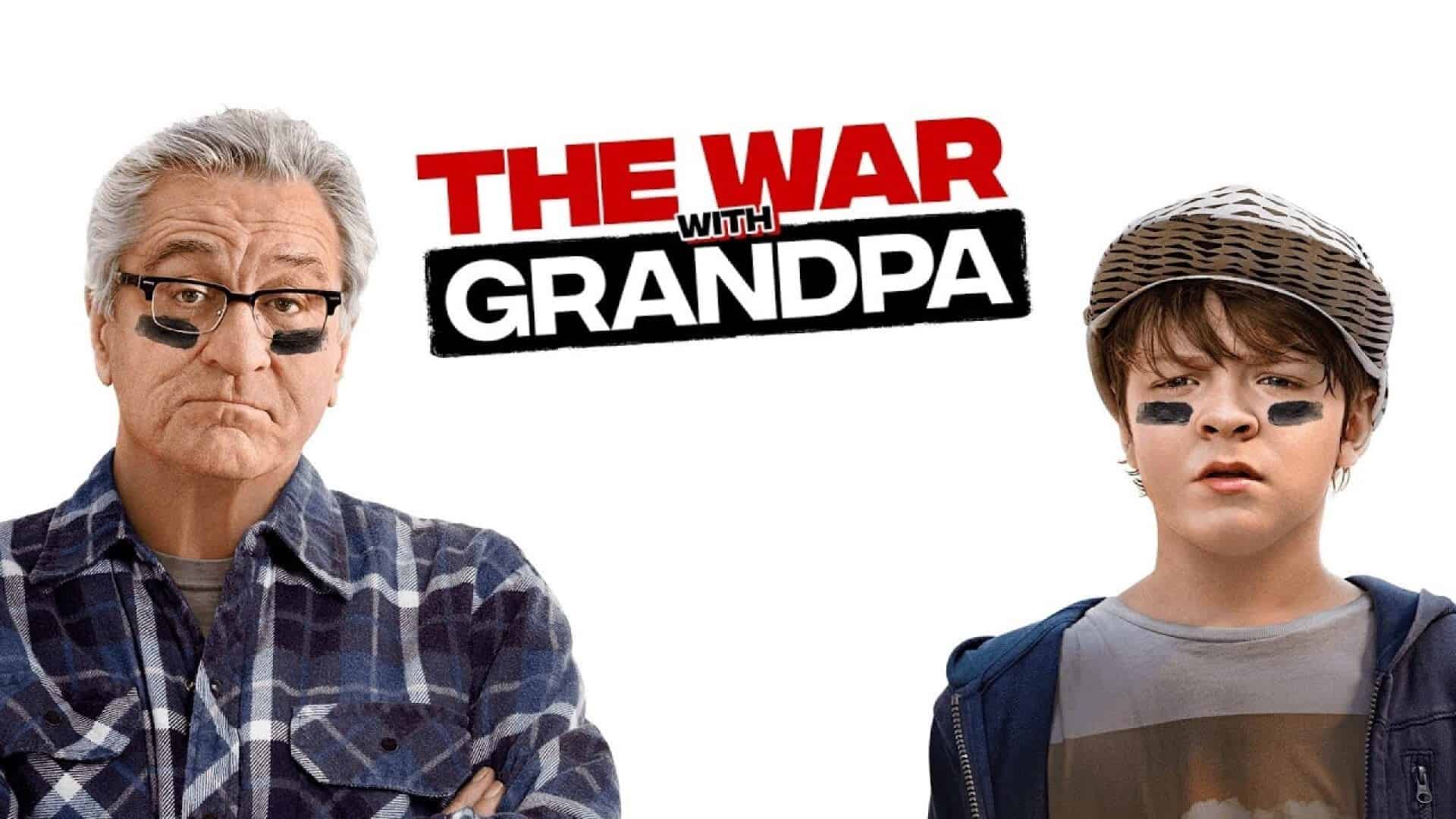
The War with Grandpa (2020) is a delightful comedy starring Robert De Niro, Uma Thurman, and Oakes Fegley. Although some motifs present in the narrative are common to Coming-of-Age films, classifying the film as one belonging to the genre would be an overstretch. The character of Robert De Niro is like the one portrayed by Bill Murray in the 2014 American comedy-drama film St. Vincent. Still, the film itself has more similarities with the Diary of a Wimpy Kid series. It is an easygoing comedy with one principal goal – to entertain. And that it does.
The funny scenes in TheWar with Grandpa are genuinely going to make you laugh hard during most of the film’s duration. As in most comedies, one should not expect a narrative based on “real” life, and it requires some suspension of disbelief, but the humor is fresh, and the jokes are funny, and that is just enough to keep viewers entertained throughout.
A scene from The War with Grandpa (2020)
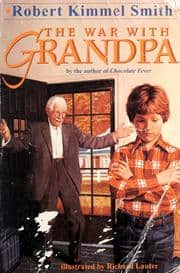
The War with Grandpa is based on Robert Kimmel Smith‘s children’s book from 1984, and its audience is ideally children and young adults, just like that of the Diary of a Wimpy Kid series. Still, the story can perfectly entertain adult audiences.
It’s a subjective thing, as some people (like my Dad) do not appreciate Robert De Niro in a non-serious role, while others (myself included) find his facial expressions perfect for comedies (Flawless, Meet the Parents, Analyze This are just a few of the many comedy titles that come to mind when I think De Niro).
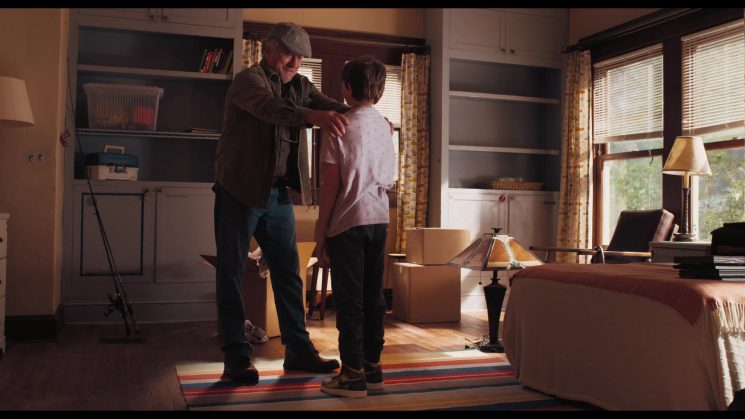
Oakes Fegley and Robert De Niro as Grandson and Grandpa in The War with Grandpa (2020)
Young Oakes Fegley’s (Pete’s Dragon, The Goldfinch, Wonderstruck) plays the main child role of Peter, who declares war after his grandfather (De Niro) takes over his bedroom. He is gruffy, cute, and talented, which makes Peter relatable. Oakes Fegley has a lot of acting experience under his belt (he began attending acting classes at two years old), making him not the typical newcomer I enjoy discovering. But this did not ruin my enjoyment of the film. Like Peter’s classmate Steve (Isaac Kragten), some great supporting characters have better lines and give a better performance than others.
Trailer for War with Grandpa (2020)
You can find some wisdom in the film’s finale – just enough to justify me writing about the film on a site that predominantly features films with Coming-of-Age narratives. Yet, per se, the film is a typical family-friendly, easygoing comedy – a time waster, as some may say, but it is a time wasted in a wonderful way.
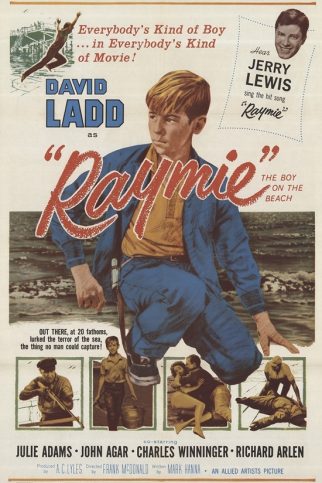
“Everybody’s kind of boy… in everybody’s kind of movie! “
They sure knew how to pitch a film in the 60s. And for the most part, the pitch is justified as, although the film was made half a decade ago, it involves the viewers and teaches an important life lesson without the story becoming either boring or preachy.
Directed by Frank McDonald, Raymie is a movie titled after its main character, a nine-year-old boy who is an avid fisherman with a big dream: catching a legendary giant barracuda known as Old Moe.
Raymie is played by David Ladd, an actor who won the Golden Globe award as the “Best Newcomer of 1958” and stars in some of the most prominent Coming-of-Age classic films from the period – The Sad Horse, A Dog of Flanders, and Misty. David is the son of one of America’s best-known leading men — Alan Ladd. David went on to become a teenage idol and later an executive for MGM.
David Ladd, Raymie, Julie Adams, John Agar
In Raymie, David embodies his character in a manner that evokes sympathy in the viewers, who either associate with the young boy on-screen or feel a nostalgic tinge. Raymie is not unlike many other boys portrayed in Coming-of-Age narratives from both the past and present. He’s without a father figure in his life, trying to do the right thing and learning new things day by day.
The 60s was a different time – when a knife would be a standard tool for any self-respecting adventurous youngster. Today, most viewers would not even have been born when the film was released, but somehow the way the story is told helps one to get an idea of the time and its values – some valid to this day. The storyline is simple but filled with allegories, undertones, and embedded life lessons that are the best things one can come away with having seen a Coming-of-Age film.
Not everything is perfect as the acting from the adult cast appears a bit forced at times, one can note they are acting. This is partly compensated for by the wonderful theme song, which I’m sure is the thing that will stay in the mind of viewers long after the final credits have rolled. As simple as the story is–it engages – emotionally and otherwise.
Many Danish Coming-of-Age films share common themes, and more often than not engage viewers of a younger age group.
Most often are based on popular children’s books, feature sympathetic young boys in the lead roles [see Rubber Tarzan (1981), I am William (2017), and Someone Like Hodder (2003)] and feature an element of magical realism.
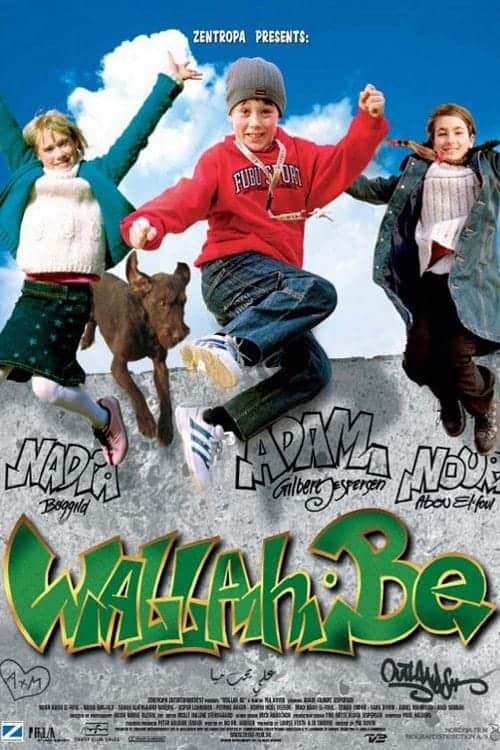
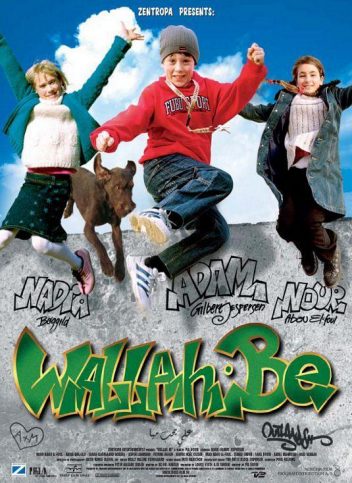
Pia Bovin’s 2002 film Wallah Be (Original title: Kald mig bare Aksel) shares similar traits with these Danish children’s films. Its protagonist is an impressionable ten-year-old boy named Alex who lives with his mother and elder sister at an apartment complex in the suburbs.
With his father missing, the boy is looking for an older role model to emulate. His neighborhood is filled with newly moved-in Muslim families, and soon Alex finds such a model in the older Muslim boys – who hang together, wear cool necklaces and get into all kinds of mischief. He is so impressed by them that he concludes that the only way to join them and be cool is to become a Muslim himself.
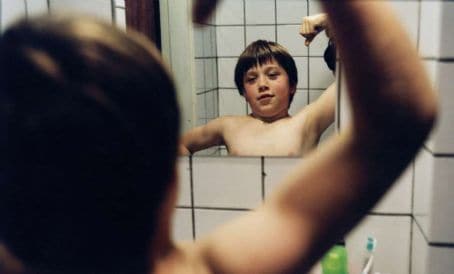
Adam Gilbert Jespersen as Alex in Wallah Be
Wallah Be departs a bit from the Danish cinema’s magical realism in favor of normalizing the new reality that many Danish cities have found themselves in because of the increased immigration from the east. I find such an agenda unsuitable for children’s films, although the story itself is still perfectly capable of captivating young audiences. Nonetheless, older viewers may feel a bit of unease.
Aside from the desire to become a Muslim (which ends up bringing some comic relief), Alex is preoccupied with a singing contest at the local youth club. Not everything goes smoothly as one member of his team– a young Muslim girl Fatima — has difficulty convincing her parents that it will be fine to perform on stage while the other team member, Annika, is preoccupying herself with fate of a stray dog.
Although the Danish children’s cinema’s charm is present, Wallah Be never really manages to truly engage and captivate. This is not the cast’s fault who, for the most part, delivers wonderful performances – especially Adam GilbertJespersen as Alex.
His charming appearance and talent enhance the sensible nature of the young character he portrays on screen. But, as a whole, the story is superfluous and lacks both the magic of Someone Like Hodder or the humor in I am William. As a result, I had to watch the film on several consecutive viewings as it would always bore me trying to view it in a single one.
That’s why I can not wholeheartedly recommend the film. Those fans of the Danish children’s films (and I am one of them) may find a few redeeming qualities, but generally, the cinematic experience is disappointing.
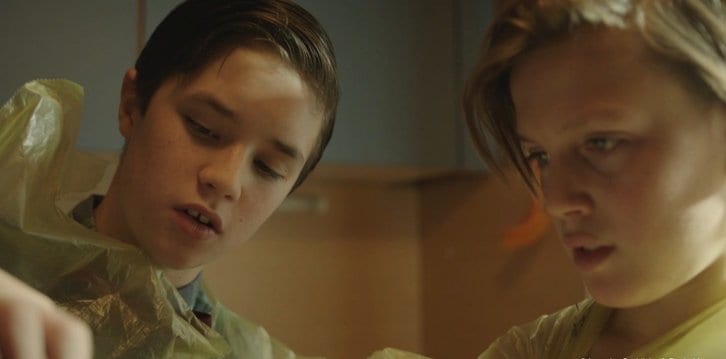
Lolo is a splashy little short film focusing on the experiences of a sensitive and openly gay eleven-year-old named Lolo (Zev Starrett) and his glamorous, flamboyant friends – a girl and a boy of the same age.
The Story
While filled with rite-of-passage experiences such as falling in love, confusion, and friendship, the story is enjoyable because of its simplicity and positivity, making up for the lack of any actual substance.
Scene from Lolo
There are not that many Coming-of-Age films with an LGBTI friendly narrative out there. We have Hazel (2012), which I found to be flamboyant, quirky, funny, provoking, and original, the 2008 Mexican film Limbo, the intriguing Wild Tigers I Have Known (2006), and few others one may stumble upon.
Compared with those titles, Lolo is rather superficial, but it’s fun to watch; its positivity is enough to convince the viewer that the action might have taken place in an alternative universe.
Beauty in the story’s simplicity
Like most easy going fun films, Lolo‘s narrative is open-ended. If it archives anything aside from entertaining the viewer, that will make one realize that defending one’s identity can begin at a very early stage. It perfectly suits films like Lolo or Hazel for young audiences to be brave enough to address such a sensitive matter that many older people couldn’t begin to discuss in such a fun, easy-going manner.
Do not expect big revelations out of Lolo, yet enjoy the beauty in the simplicity of its story.
Labeling a film’s plot and manner of storytelling as “quirky” is, coincidentally, the right thing to do when you have a Coming-of-Age story soaked in Freudian nuances and with characters having many psychological traits on screen.
The viewer may be confused by on-screen events occurring in the past, present, and future, seemingly at the same time. Yet, perhaps unconsciously, the story makes sense, and when the final credits roll, most viewers will have gathered enough information to see the complete picture.
This has been an unconventional review opening to an unconventional movie: Steven Ascher‘s 2014 short film with the peculiar title Seduction Theory. It’s a short film that feels like a full feature thanks to comprehensive and involving plot development despite its relatively brief duration time.
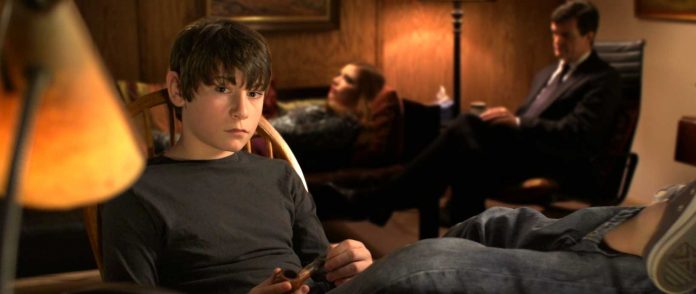
Christian Goodwin in Seduction Theory (2014)
The film features a Coming-of-Age story of a young boy or, actually, it’s a man recalling his childhood days and tribulations with little fondness yet in a manner that seems to look for answers way back then. Using first-person narrative, the film feels like an autobiographical novel. It surprisingly fits a lifetime of experiences into a limited format thanks to clever editing and an ingenious storytelling approach.
Official Trailer
Christian Goodwin plays the lead role of a 12-year-old boy, and his facial expression and overall realistic portrayal of a boy trying to figure things out in the world is the real highlight of the movie. Of course, that performance is right up there with the film’s original storytelling. It’s hard to choose which one is more important, as together they result in an excellent cinematic experience. Identifying with the Christian’s character is easy, and most viewers will recall a happening in their own life relatable to a moment or moments shown on screen. In my case, as I have always found relationships wholly consuming and overly complicated, the story hit all the right tones.
Seduction Theory is a great short film and, while it clearly aims towards more mature audiences, it is a great way to experience an original and well-told Coming-of-Age story.
Seduction Theory (2014)
In short
Seduction Theory features an excellent performance by its youthful lead and superb storytelling -- a great way to experience an original and well told Coming-of-Age story.
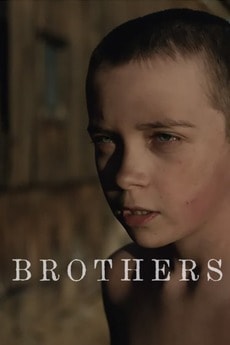 Interpersonal relationships can be complicated, even if they are between siblings. Robert Eggers‘s 2015 short film Brothers manages to turn a conflictive family relationship into an atmospheric Coming-of-Age drama. The story’s tension rises in a slow yet consistent manner as one observes the interaction between the two brothers and their autocratic grandmother.
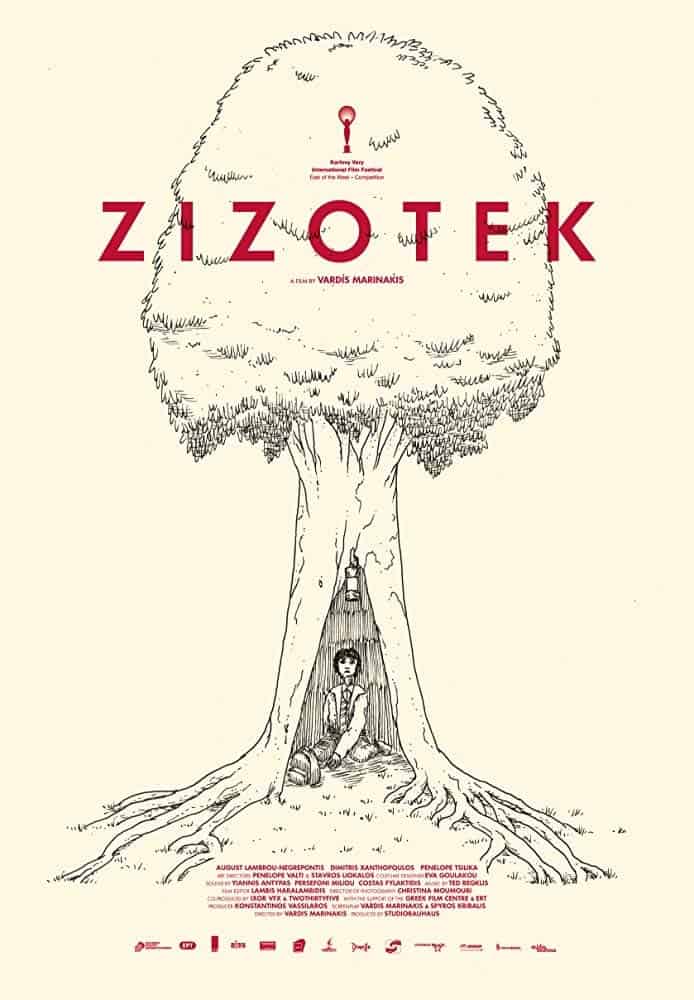
 Depression, abandonment, and compassion are the main themes of Vardis Marinakis‘s film Zizotec. Visualizing unorthodox childhood experiences could have turned the film into a splendid Coming-of-Age tale had the filmmakers managed to combine the superb acting of the cast with a better-written script. What starts as a family drama morphs into a fairy-tale-like story by the final scene – making the whole story feel like a prequel of another film.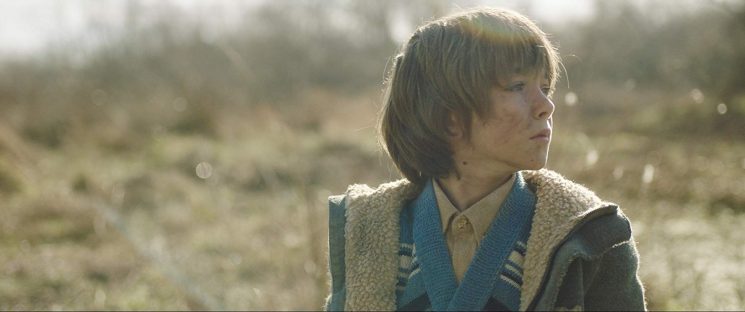
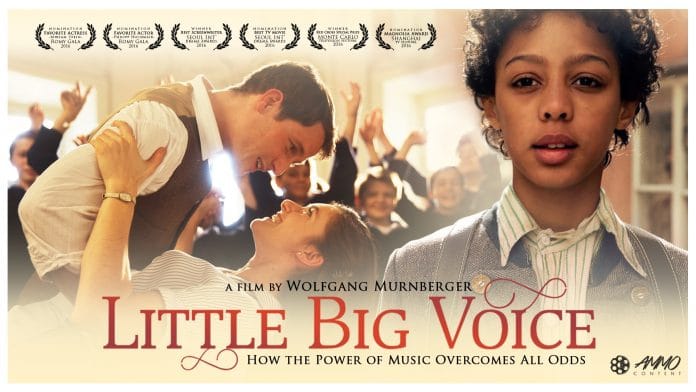
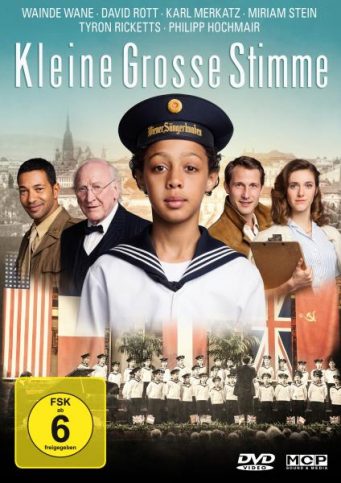 Little Big Voice is set in Austria in 1955. It’s a moving story of a ten-year-old boy, Ben (Wainde Wane), who, after his mother’s death, tries to fulfill his dreams in post-war Europe – in the face of many obstacles.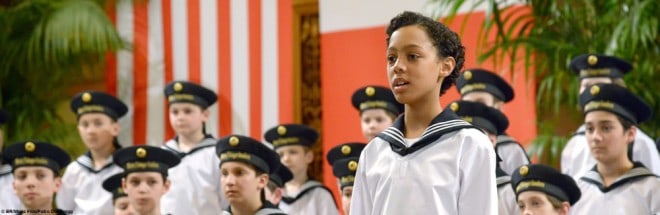


 on
on 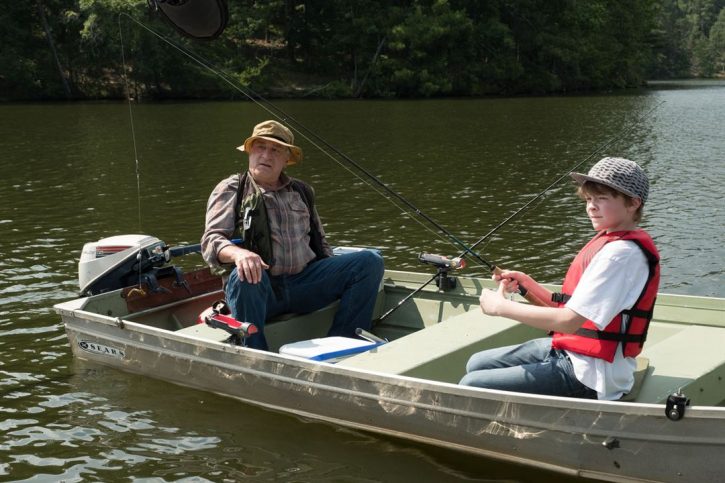


 “Everybody’s kind of boy… in everybody’s kind of movie! “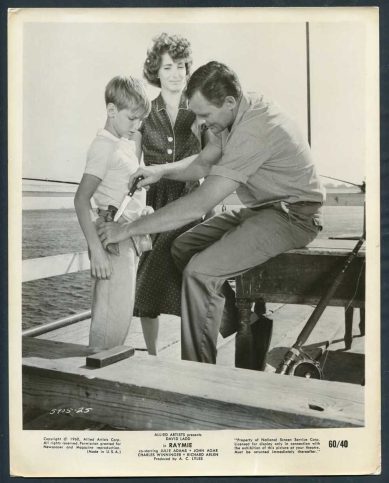
 Many
Many 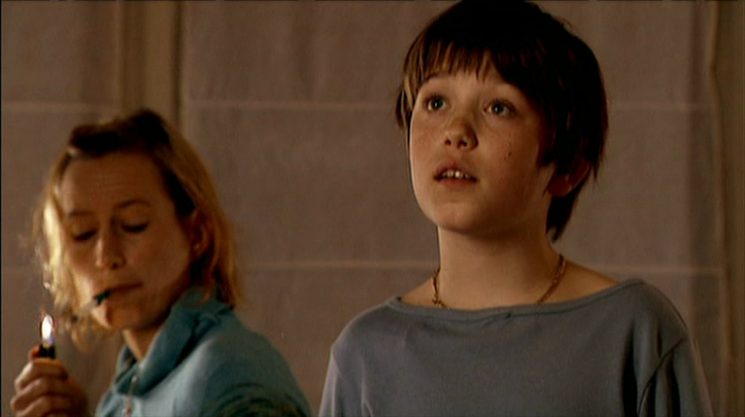
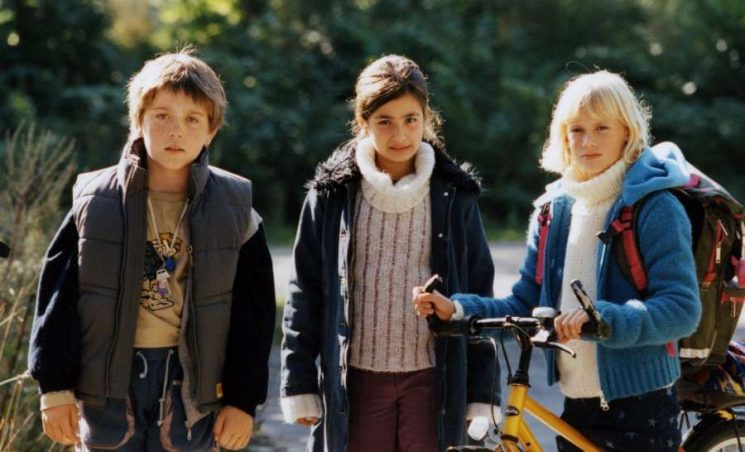
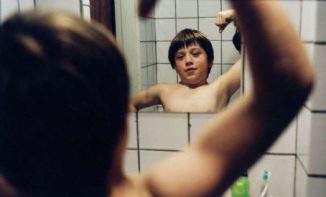 Although the Danish children’s cinema’s charm is present, Wallah Be never really manages to truly engage and captivate. This is not the cast’s fault who, for the most part, delivers wonderful performances – especially Adam Gilbert Jespersen as Alex.
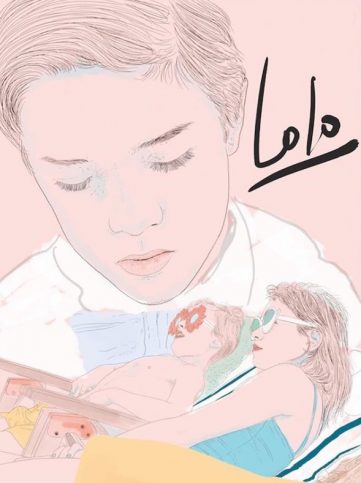 Lolo is a splashy little short film focusing on the experiences of a sensitive and openly gay eleven-year-old named Lolo (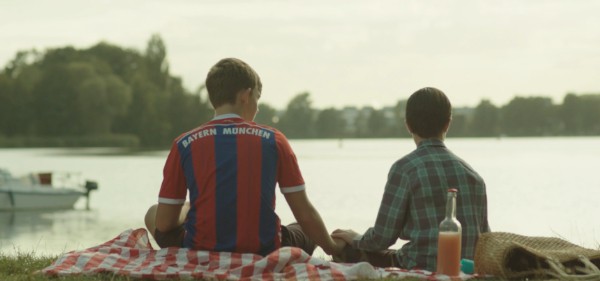

 Labeling a film’s plot and manner of storytelling as “quirky” is, coincidentally, the right thing to do when you have a Coming-of-Age story soaked in Freudian nuances and with characters having many psychological traits on screen.