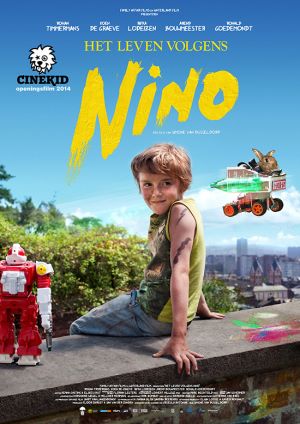
 Dutch filmmakers are known for addressing life matters in an original and poignant way. A prime example is the 2014 children’s film Life According to Nino, directed by Simone van Dusseldorp.
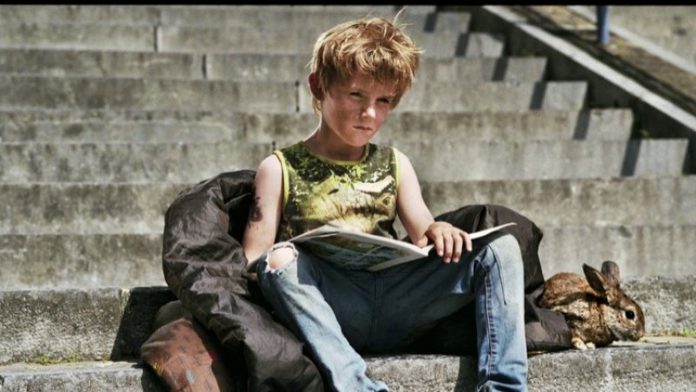
The movie opens with an almost utopian portrayal of family harmony and happiness. The narrative begins on the birthday of the film’s lead protagonist, eight-year-old Nino (Rohan Timmermans). Nino receives, as a gift — not the dog that he had wished for — but a rabbit. His disappointment is short-lived, however, and Bobby (the newly arrived rabbit’s name) is ready to join the happy family. This cheerful opening scene, which is typical in children’s films, didn’t fool me. My experience in the genre led me to believe that something was about to happen … and I was right.
Catastrophe, with Nino’s mother the victim of it, and suddenly the boy’s whole world is turned upside-down. The inconsolable father (Koen De Graeve) isn’t capable of dealing with his grief at the loss of his wife and takes refuge behind calming pills. Nino and his teenaged brother Lucas (played by Arend Bouwmeester) are left to deal with life on their own. Both cease going to school and, while Nino spends his days mostly in the company of his pet rabbit at home, Lucas gets into all kinds of mischief with his friends.
And now the story line takes an unexpected twist — Nino discovers an unusual ability: he is able to understand the language of animals and they also seem to understand him. This new found ability eases his loneliness and he bonds even more with Bobby who turns out to be quite an opinionated rabbit.
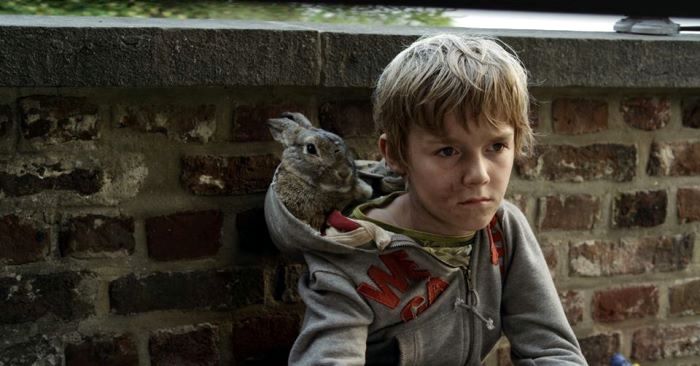
Eventually the social services take interest in Nino`s family – worried that the boys are suffering from the neglect of their remaining parent. Foster care is mentioned and with it the “threat of separation” forces the family to take hold of their lives.
Life According to Nino is surprisingly funny at times, especially when one considers the serious issue on which the film is focused. The fact that the story is told from a child’s perspective is what gives it an appeal to audiences of all ages – but children especially will enjoy the scenes with talking animals and fun rabbit escapades. Naturally older viewers will catch the meaning behind this surrealistic portrayal of child’s imagination and equally enjoy the cleverness of the director’s approach.
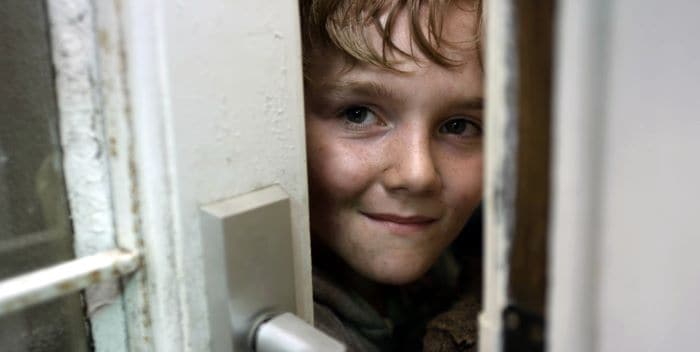
The story is funny without being silly and serious without being boring, which combines with the excellent acting of young Rohan Timmermans (who, while being a novice actor, really shines in the film and does a great job embodying his character). Of course, in addition to his cuteness, one must also recognize the important role of the adorable Bobby – who delivers more than a credible performance – for a rabbit!
The comedian W.C. Fields once said, “Never work with children or animals.”, yet Simone van Dusseldorp proves in this film that working with both can result in an intriguing way to tell a story.
Life According to Nino won the award for Best International Children’s Film at Cinekid 2014 in Amsterdam and has since been made available on DVD and on iTunes, Goggle Play and other on-demand channels.
Official Trailer



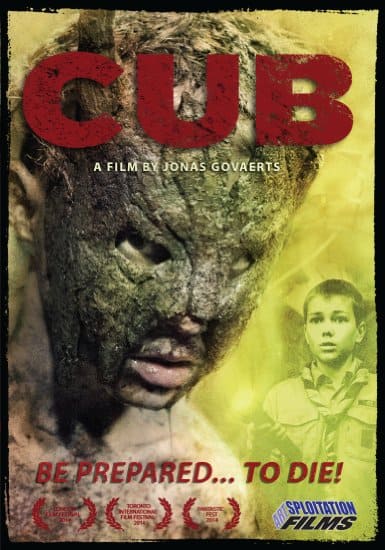
 Coming-of-Age horror flicks are not very common, and “Slashers” even less so. That’s why the 2014 Belgium film Cub (original title: Welp), written and directed by Jonas Govaerts, is quite the discovery.




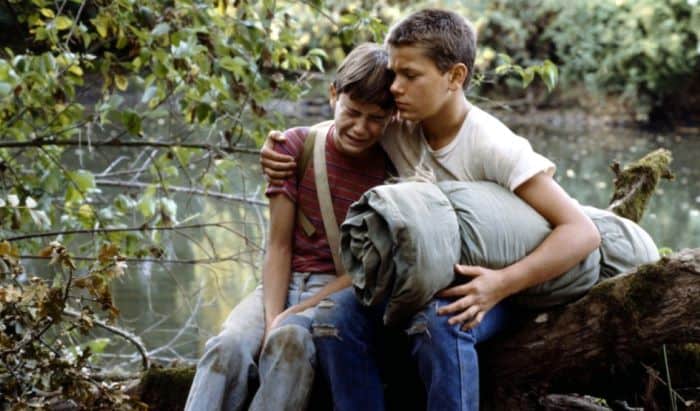
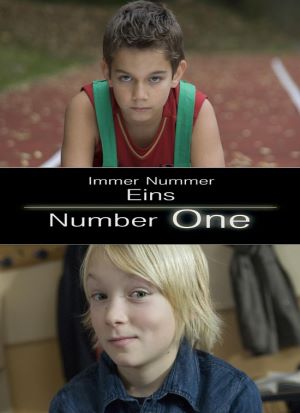 A competitive spirit is important – but in life, one may often find higher value in compassion. That’s the main theme of the 2009 film Always Number One (original title: Immer Nummer Eins). Directed by Stefan Schneider, the made-for-TV short film tells the story of the encounter of Florian (Miguel Jachmann) and Daniel (Tim Scholtes ) — two pupils at a German boarding school.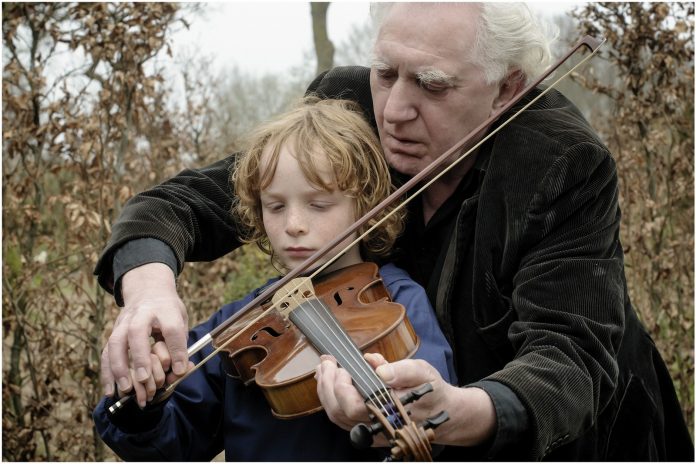
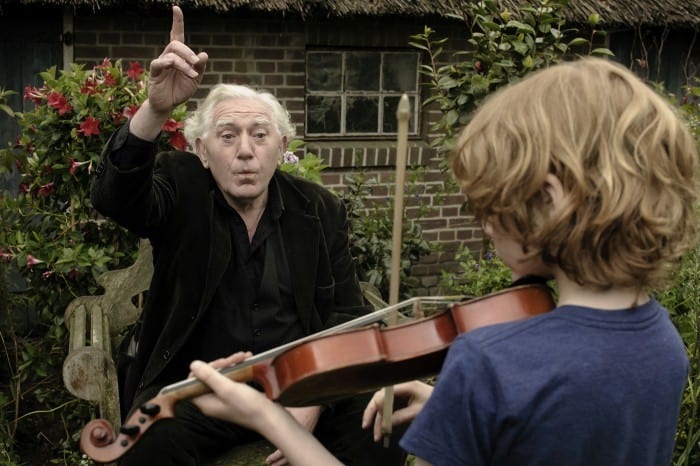
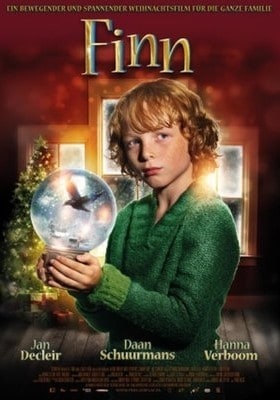 Self-expression has always been one of the main themes addressed in Dutch movies. It is also one of the main motifs addressed in Finn (2013). Like the winner of the Young Audience Award,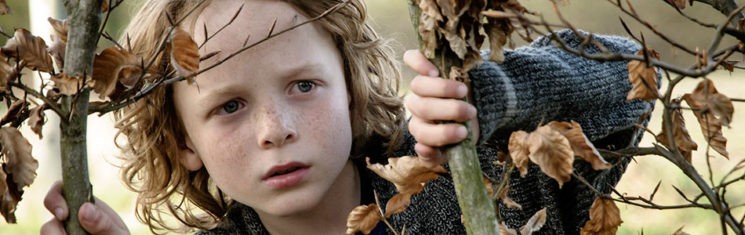
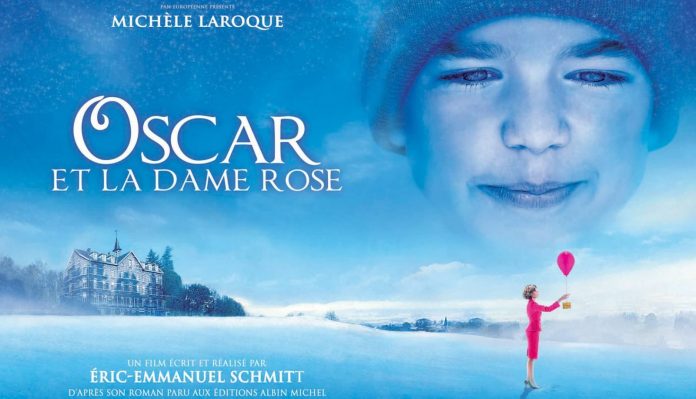
 Oscar (Amir Ben Abdelmoumen) is only ten years old and he is in the hospital with one of the most vile diagnoses – Cancer. Everyone is preoccupied with him; all the doctors and nurses are willing to go an extra mile, just so his wishes are granted and mischiefs forgiven. Yet, they are committing the biggest mistake, at least in Oscar’s eyes, by refusing to be honest with him. This saddens the little boy, as no one laughs at his jokes or gets annoyed at his pranks – his condition makes the entire hospital staff treat him differently than the other patients. He is angry with his parents too, for changing, for not being the persons he knew:

 Spencer List as Bobby and Milla Jovovich as Olive in Bringing Up Bobby



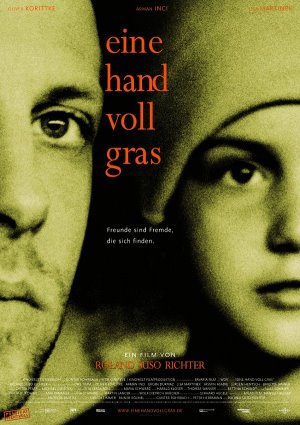
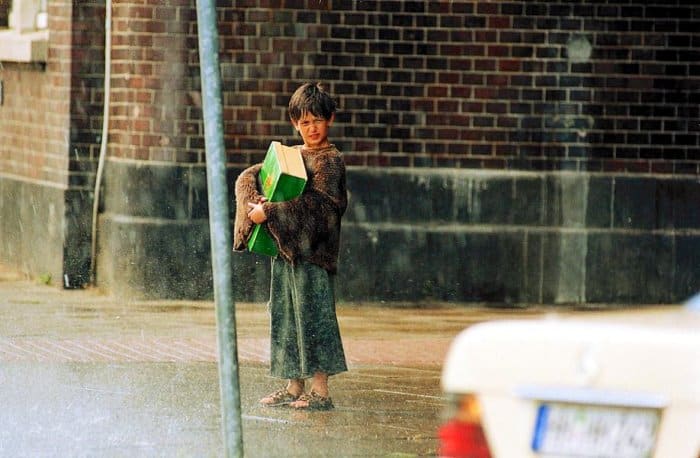
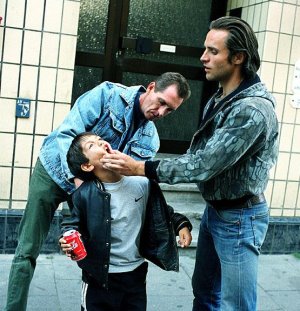 The film doesn’t spare its viewers the nastiness of the underground criminal world of Hamburg as perceived through the eyes of a little Kurdish boy, or the helpless situation the boy finds himself in due to the inefficiency of government institutions. It’s impossible to remain indifferent to the fate of little Kendal thanks to the skillful portrayal of his character by young Arman Inci. The facial expressions of the young actor – from awe, to sadness, to fear — reflect his inner world and contribute significantly to the emotional effect of the story. As in many a Coming-of-Age tale about innocence lost, one is prepared for the possible developments, yet is still likely to find himself/herself moved nonetheless. I know I was.