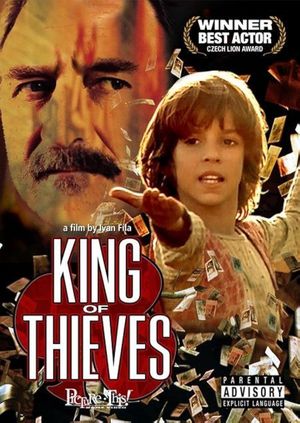
 Can childhood innocence survive the most brutal of betrayals? You will relentlessly ask yourself this question while watching King of Thieves (original title = König der Diebe).
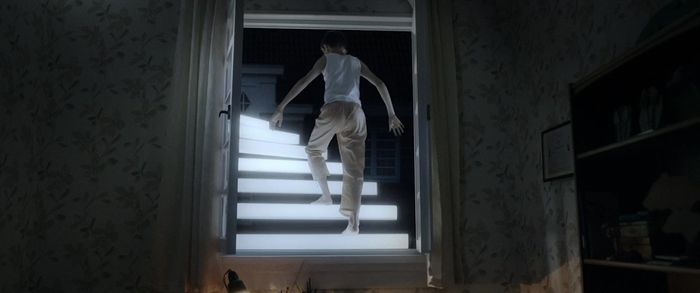
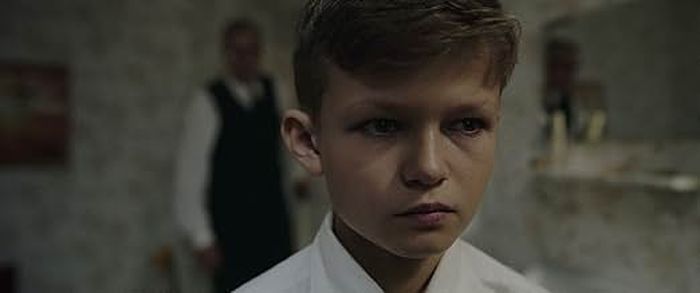
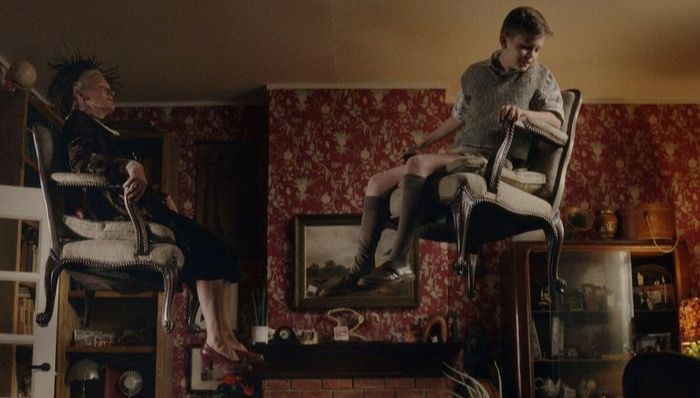
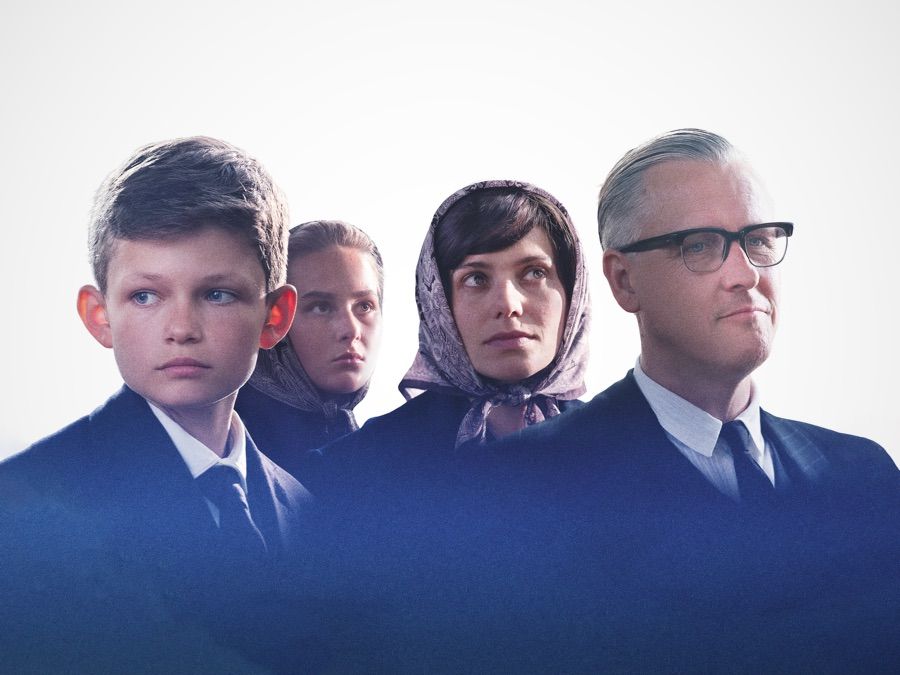
It’s a suspenseful and unsettling drama anchored by Iakov Kultiasov‘s heartbreaking portrayal of young Barbu, a 10-year-old from a poor Ukrainian village who is sold alongside his sister to Caruso (played by Lazar Ristovski), a German swindler promising a false escape into the circus.
Instead of the promised circus life, Barbu is forced into a criminal underworld while his sister, Mimma, meets an even crueler fate, shattering the illusions Caruso fed them.
In many ways, the story is a modern, darker version of Charles Dickens’s Oliver Twist. Like a real Fagin, Caruso performs the role of a caring mentor, masking his exploitative intentions and true motives. Initially, Barbu naively sees him as a mentor figure. At the same time, Caruso, in a twisted way, seems to view Barbu as the son he never had.
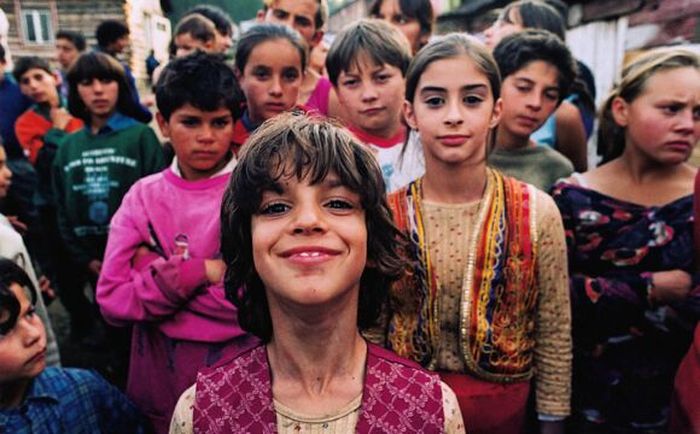
The stark contrast between Barbu’s once joyful life in Ukraine and his grim new reality in Berlin makes the film emotionally challenging. It is difficult not to feel devastated for Barbu as one watches the layers of his innocence peel away. What should be a Coming-of-Age story becomes something deeply tragic for Barbu—the brutal world he’s trapped in twists and darkens his entire journey. And because we see everything unfold through Barbu’s young eyes, the story truly hits you right in the heart.
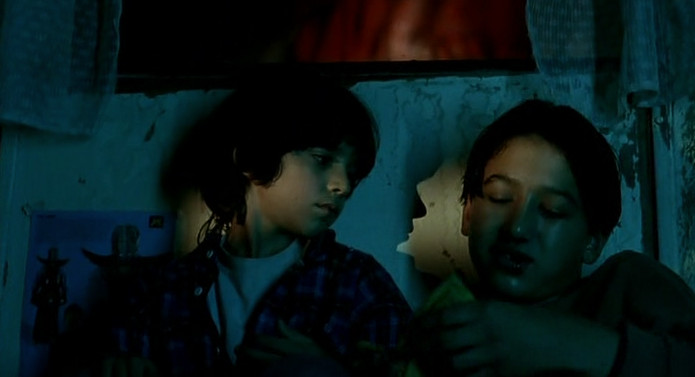
The camera frequently lingers on Iakov Kultiasov’s face, capturing emotions ranging from unguarded joy to the painful reality of his bloodied features. The child’s wounded, glistening face evokes the raw vulnerability of a child I remember from the film Pixote (1981), another film that unflinchingly explores childhood suffering within a violent, exploitative world. These close-ups create an intimate, sometimes uncomfortable emotional connection – making it easy to be interested and care for Barbu’s fate.
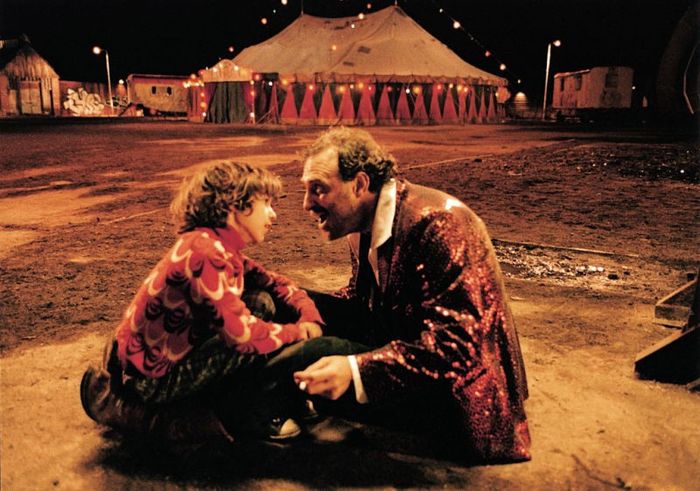
The film’s aesthetic leans towards a naturalistic yet slightly heightened realism, typical of European cinema. The cinematographer employs tinted lighting—reds and yellows—to underscore the suffocating atmosphere of violence and lost innocence. As a whole, many scenes have low brightness and a cool color palette, which evokes a noir-like or thriller aesthetic.
Fans of intense Coming-of-Age dramas, particularly those drawn to the Oliver Twist-like elements in King of Thieves, may also want to check out The Children of Times Square (1986) and Dealer (2021). Like Oliver Twist and King of Thieves, these films feature vulnerable young protagonists navigating treacherous urban landscapes and encountering exploitative or morally ambiguous figures who mirror the Fagin archetype.
Unlike traditional Coming-of-Age stories that celebrate personal growth and discovery, King of Thieves presents a tragic version of this narrative. Barbu’s transformation is not one of empowerment but of forced adaptation to cruelty. This rough and unforgiving portrayal of childhood in distress is reminiscent of other films with gritty storylines, such as Lukas Moodysson‘s Lilja 4-Ever, Robert Glinski‘s Swinki, and Wiktor Grodecki‘s Mandragora. In all these films, the loss of innocence is not just a theme but an inevitable fate.
King of Thieves is a distinctive and unflinching film. Even if Iakov Kultiasov’s portrayal occasionally borders on exaggeration, that doesn’t diminish the film’s impact. I highly recommend it to anyone who appreciates gritty, hard-hitting Coming-of-Age cinema.
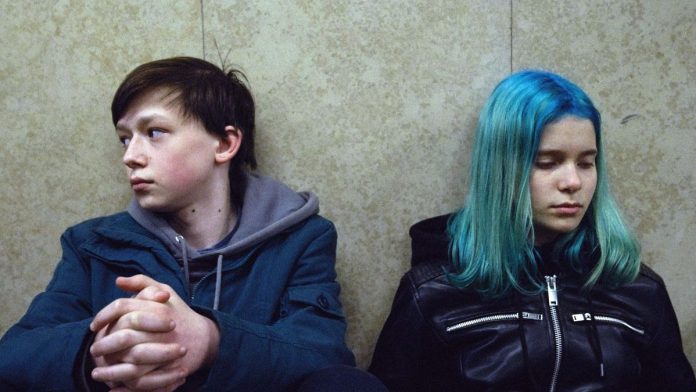
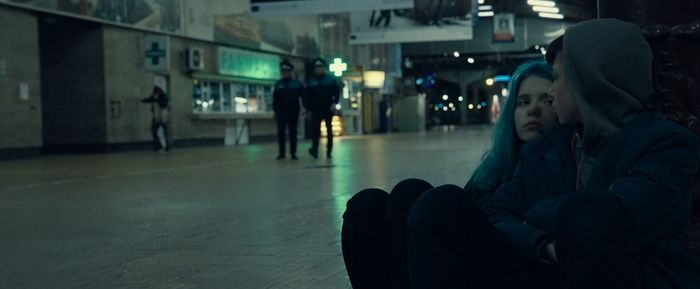
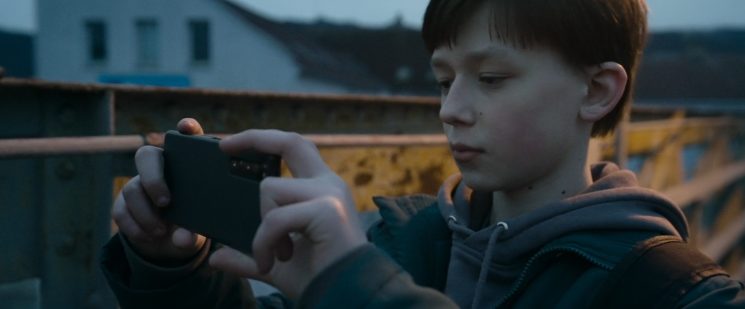
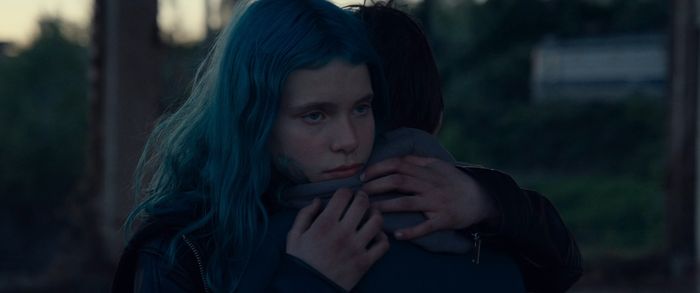
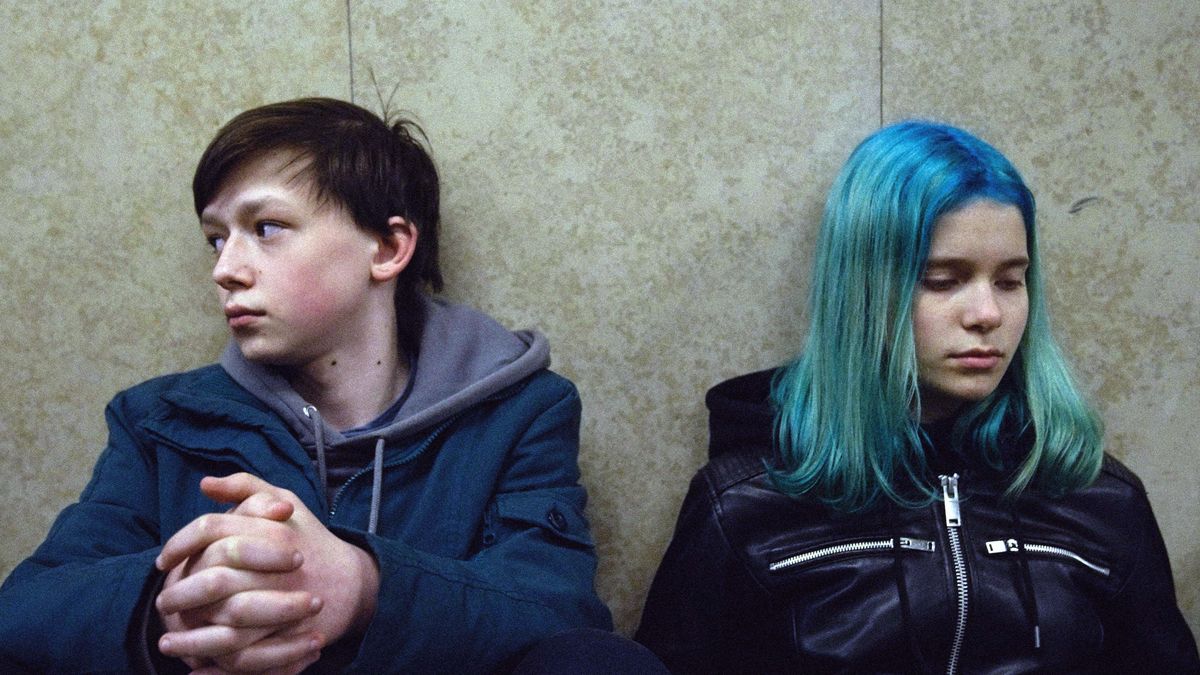
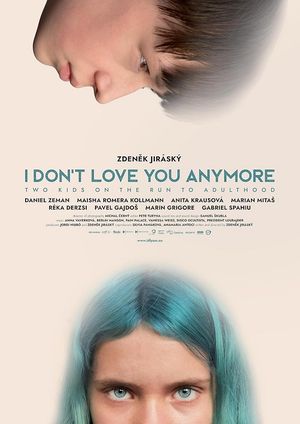 In Zdenek Jirzsky‘s 2023 film I Don’t Love You Anymore, thirteen-year-olds Marek and Tereza, whose connection begins when Tereza intervenes in a bullying incident involving Marek (an act of pity, she claims, though her true motivations remain ambiguous), form an unlikely friendship and, each haunted by their own personal demons, decide to run away from home together.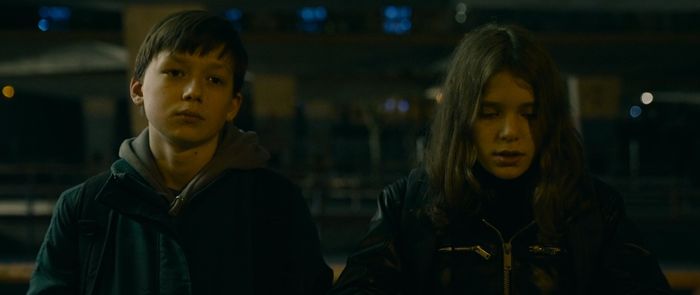
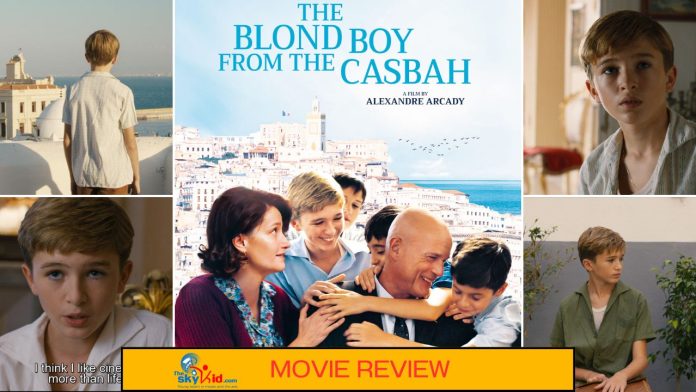
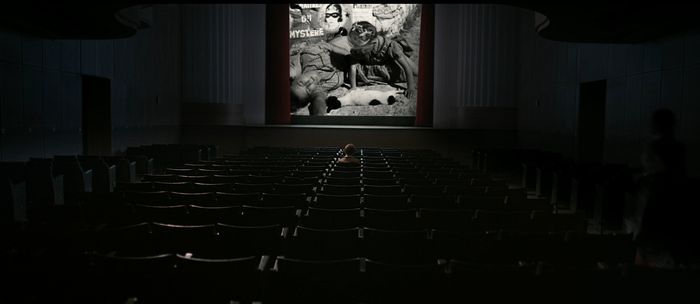
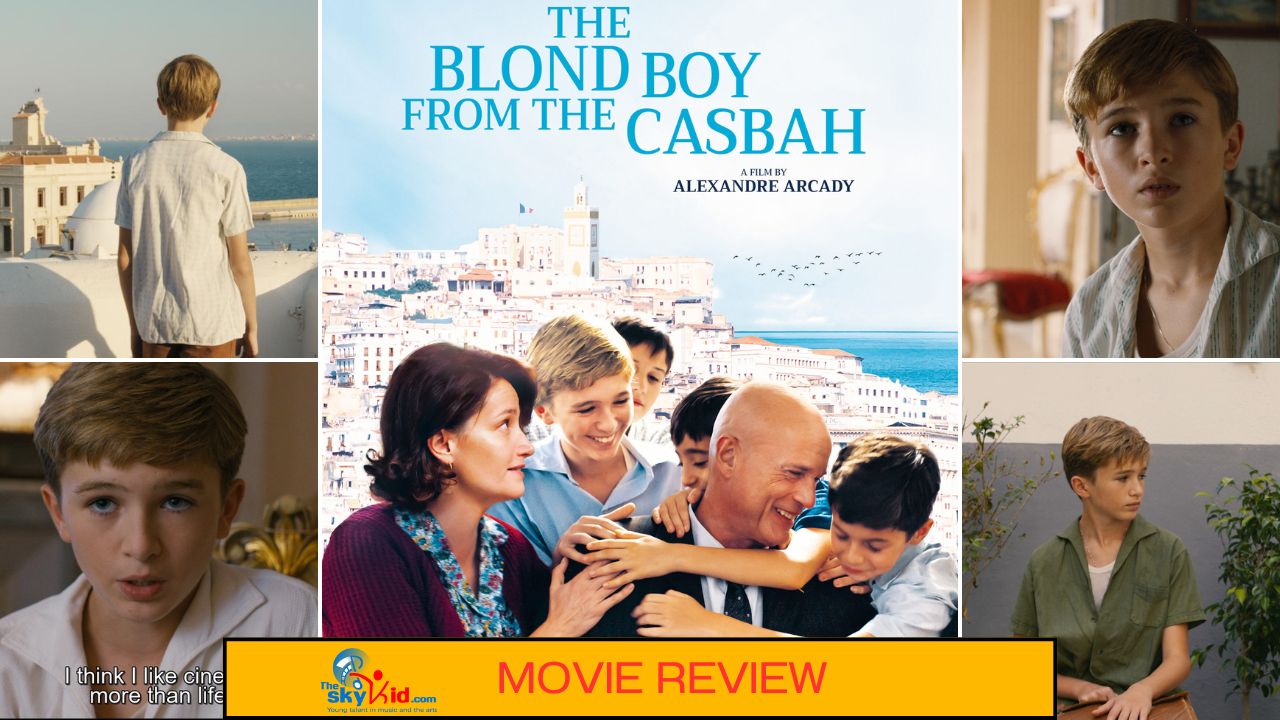
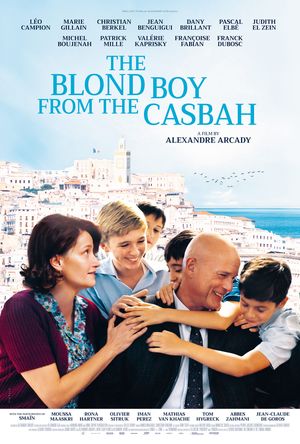 In the 1950s Algiers, a city on the cusp of conflict, The Blond Boy from the Casbah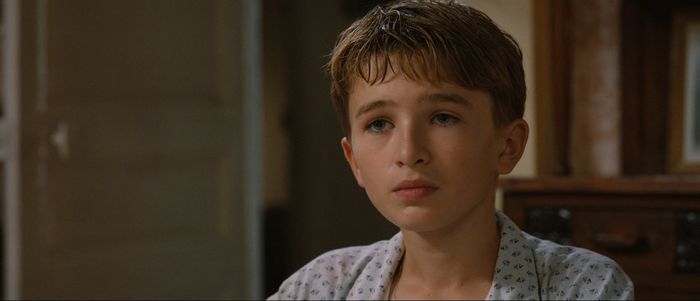


 Long Island Expressway is a gritty Coming-of-Age story that explores loss, belonging, and the complexities of growing up. When I first watched this film in 2003 (over 15 years ago), I thought it was mostly about controversial topics. Yet, now I realise how wrong I was in my initial assessment, as the narrative strikes me as a deeper Coming-of-Age story that requires a little maturity to appreciate fully.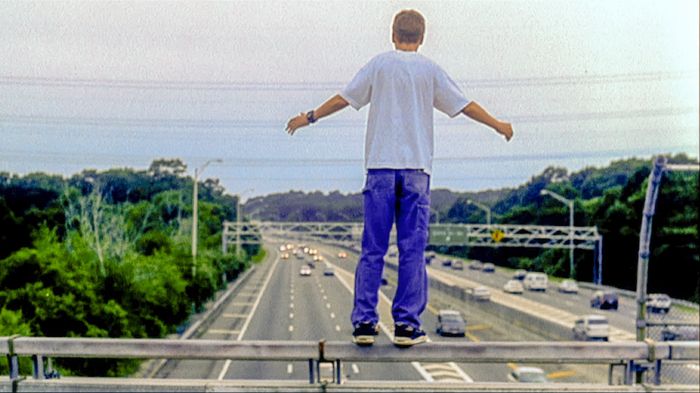



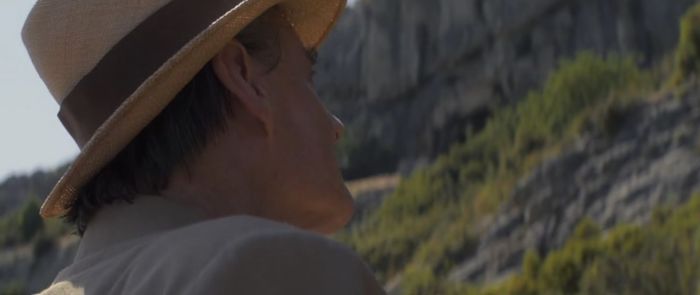

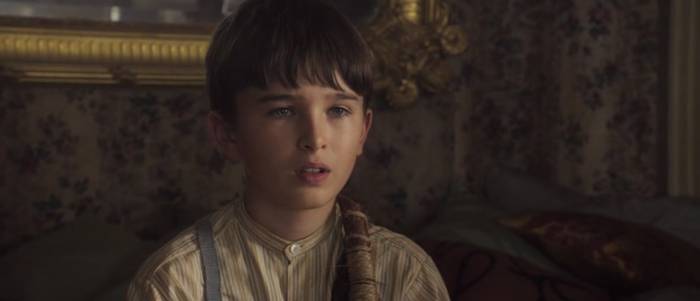
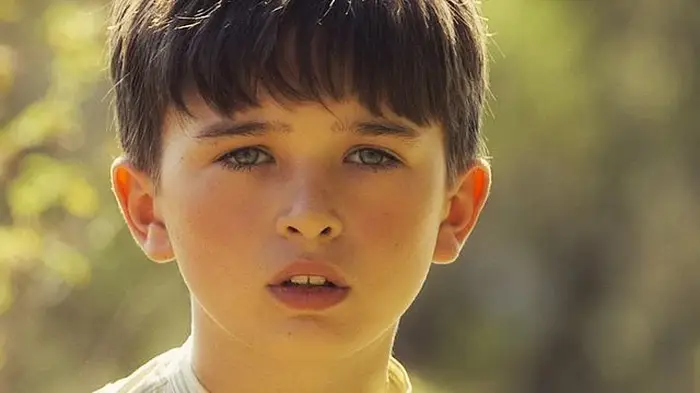
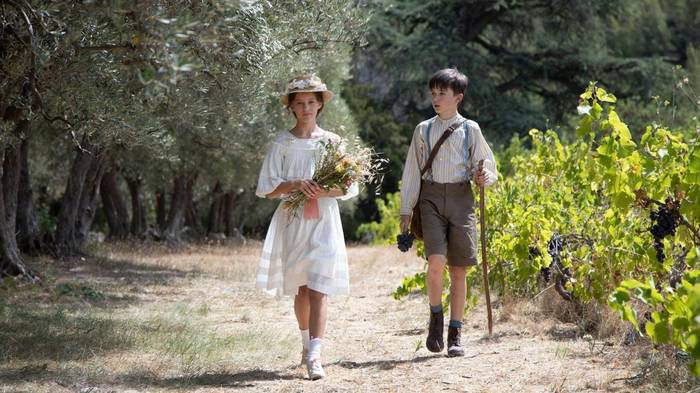
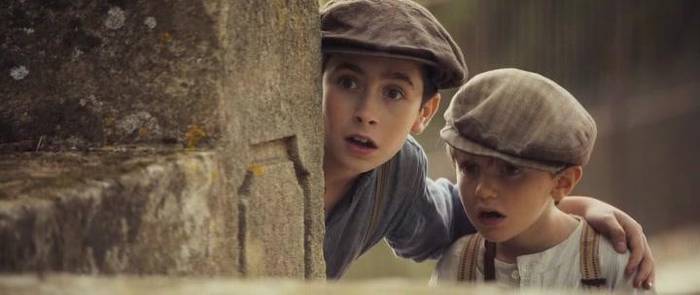
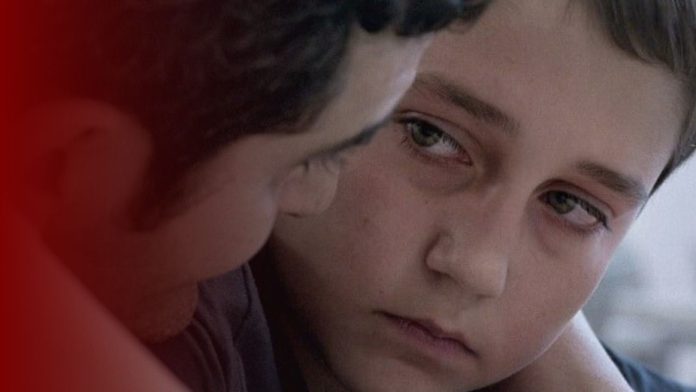
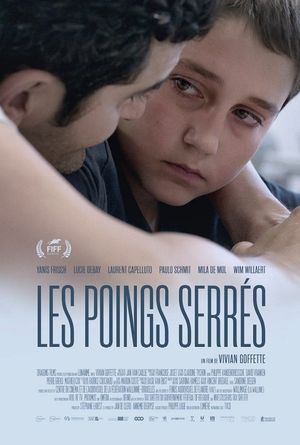
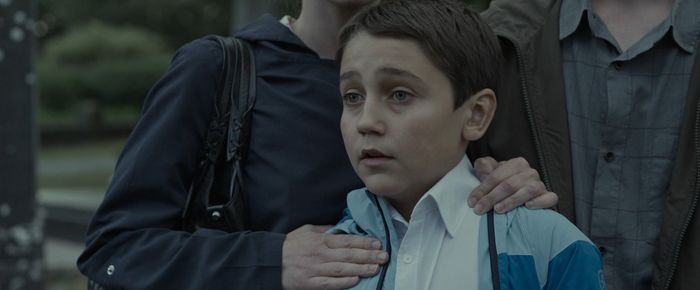
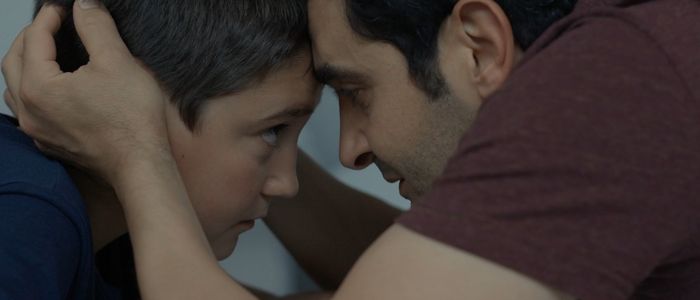
 Yanis Frisch, as Lucien, delivers a poignant and sincere performance of extraordinary depth. It is only his first role in cinema, but he outperforms many seasoned actors. Children often struggle to express deep emotions in words, and Lucien shows this through small gestures, silent resistance, and occasional outbursts. He speaks little, letting his eyes tell the story. And in those eyes lies his entire world: pain, torment, anger, and an unshakable determination.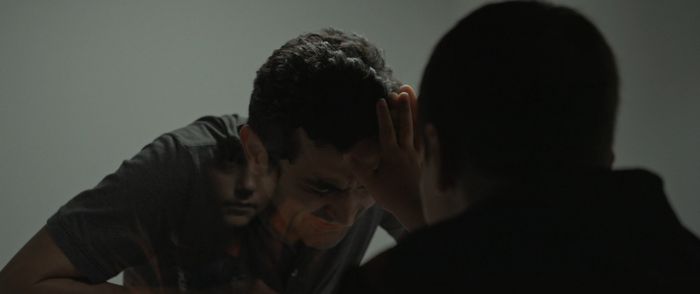
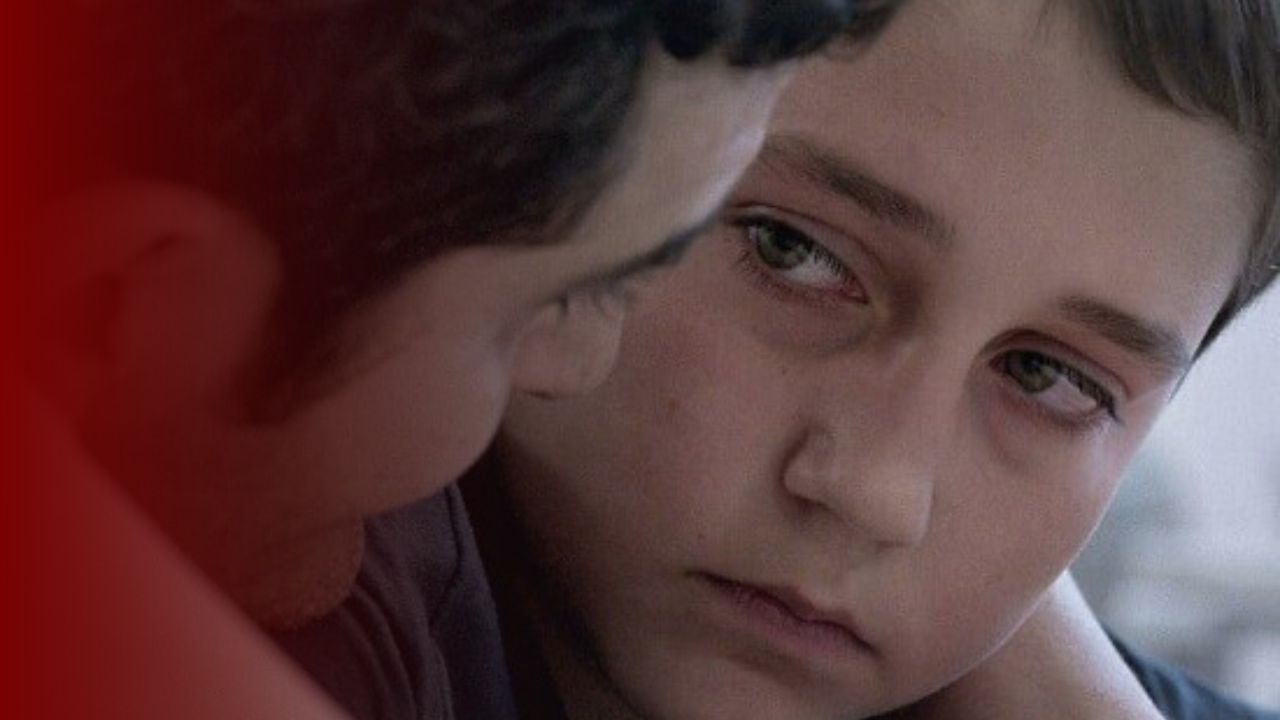
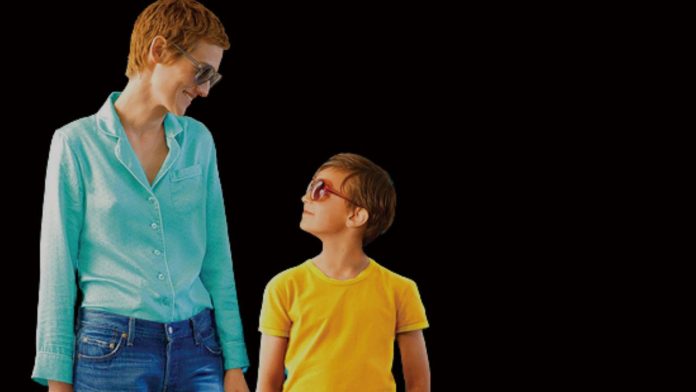


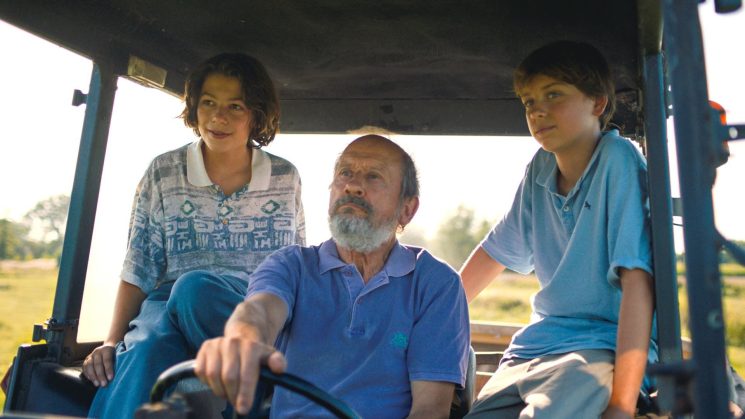
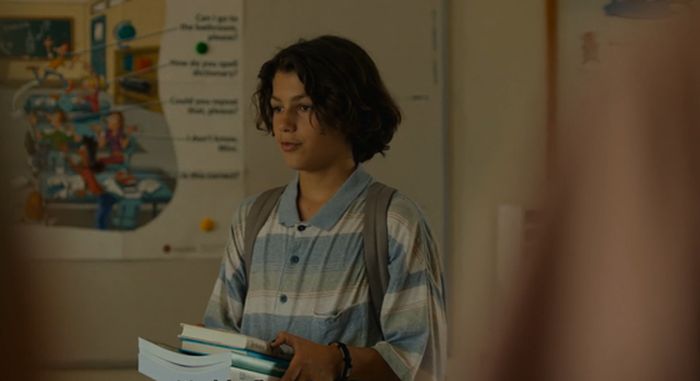
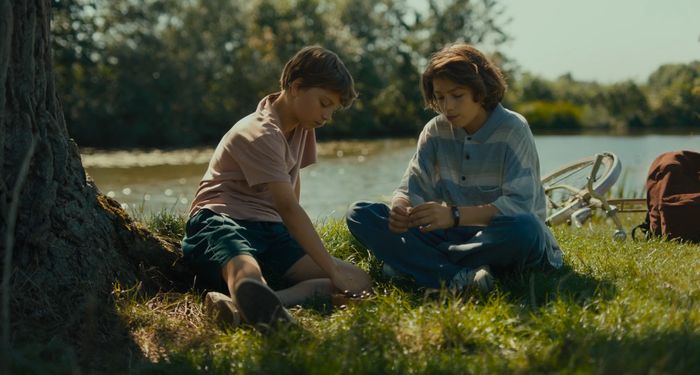
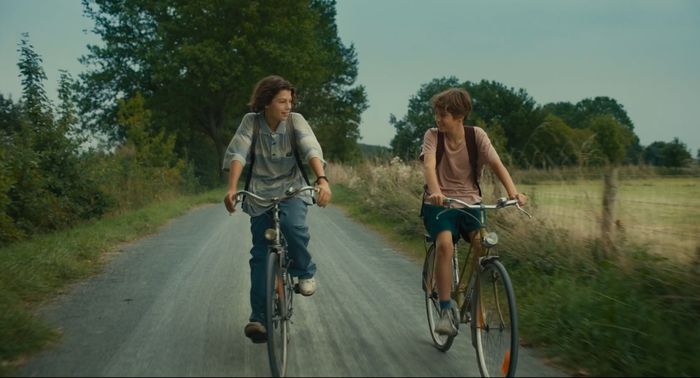
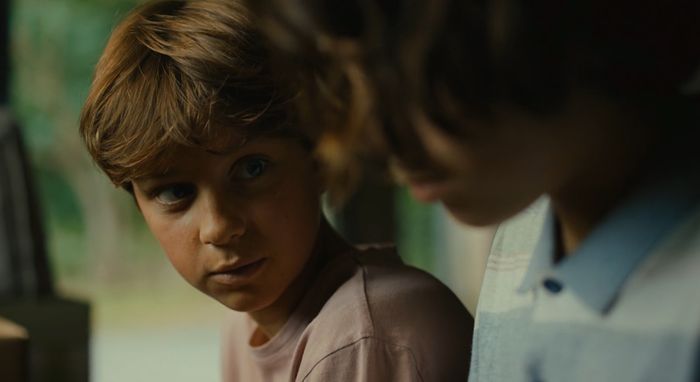
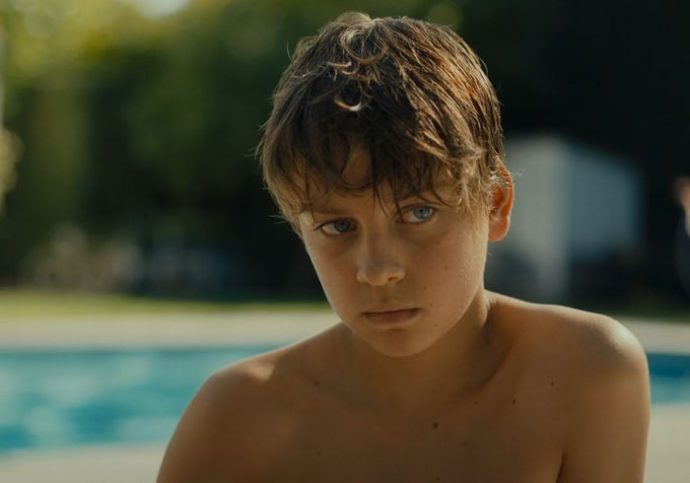

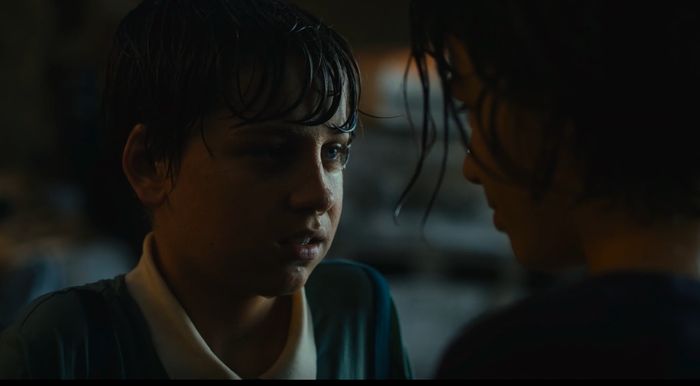


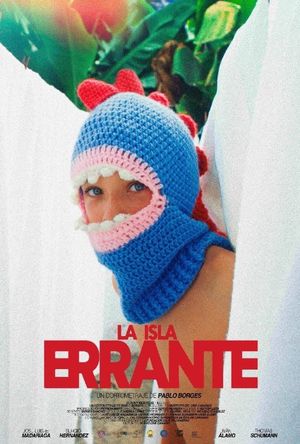 Pablo Borges‘s 2024 short film The Wandering Island (original title La Isla Errante) charmed me with its touching story, beautiful cinematography and last, but not least, skillful camerawork focusing on an idyllic childhood and the acting/appearance of the young Sergio Hernandez in the role of Carlos – a young boy haunted by the mystery of his father’s absence.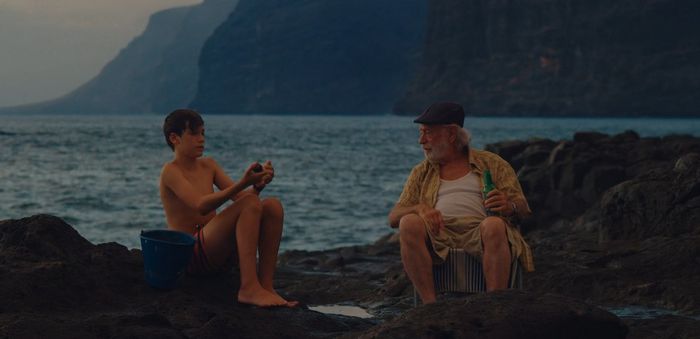
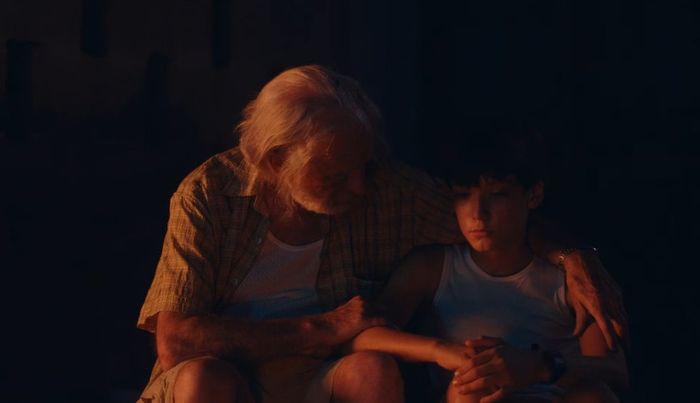

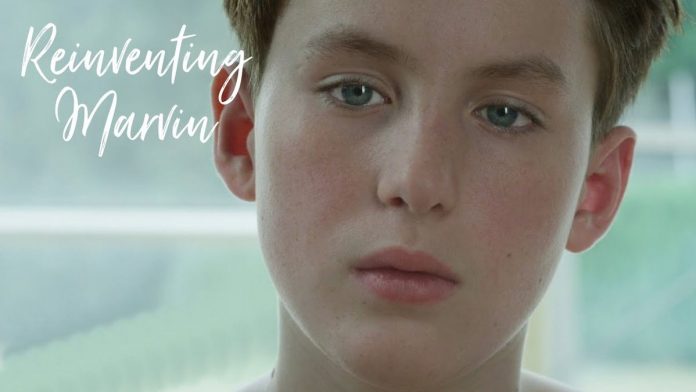
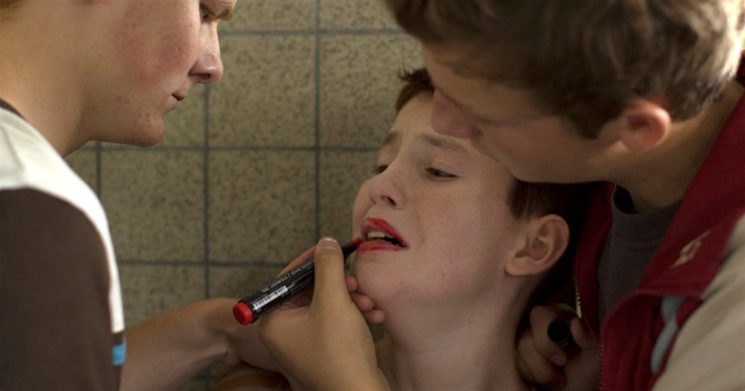
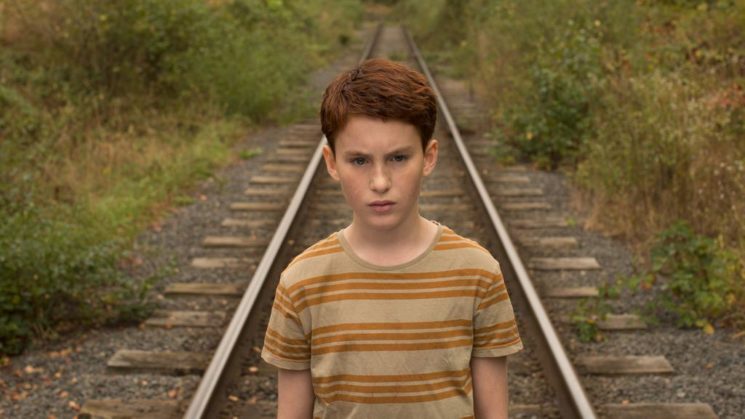
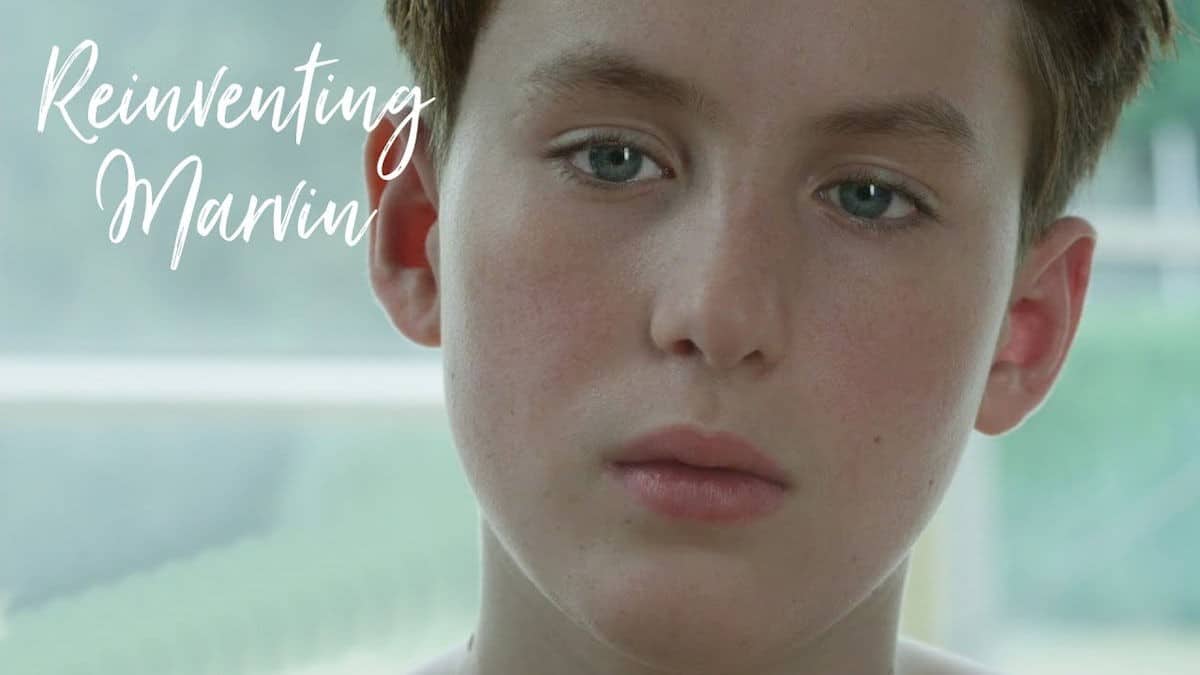
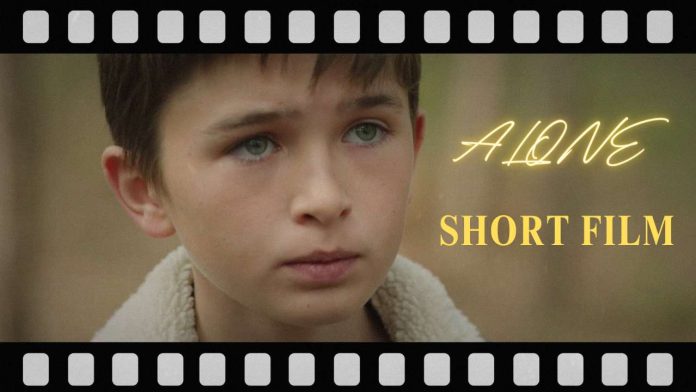
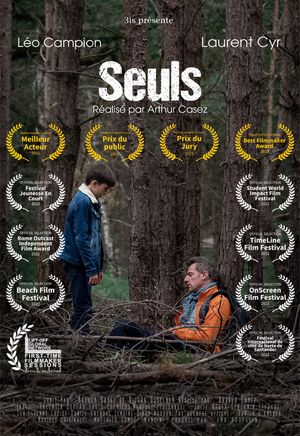 In the 2011 French short film, Alone (original title Seuls), directed by Arthur Casez, 11-year-old Theo’s heated argument with his father takes a dramatic turn when he storms off into the forest. When his father is severely injured while pursuing him, Theo finds himself isolated and alone in the vast wilderness and has to make the right choice.