Home Blog Page 91

Come and See (1985)

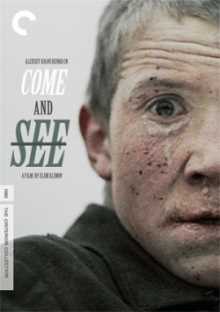
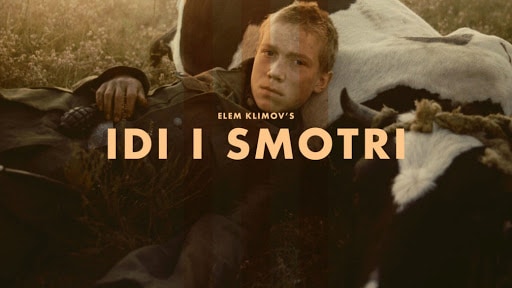
come and seeCome and See (Idi i smotri) features one of the most disturbing portrayals of a Coming-of-Age experience I have ever seen on screen.

Its protagonist is a twelve-year-oldΒ  boy and the action in the film takes place in Belarus during the World War II. The Nazi forces are advancing and for the youngΒ Florya, who manages to find an old rifle, Β joining the partisans and fighting for his country seems to be almost like an invitation to an adventure – an opportunity to become a hero. And who can blame him? At twelve, he is just an innocent lad living in a remote Belorussian village with his mother and two little sisters.

At first, the partisans accept him. Β He joins them and is given a task typical for new recruits – cleaning and training by observing what the most experienced among them do. Yet, in the end, he is left behind because of his age and inexperience. Β He Β is confused and angry, ” I came to fight …and they treat me like I am not worth it”. Β  That’s what he shares with a teenaged girl who is also left behind. The Nazis are nowhere to be seen, an image of a hatred enemy… until the bombs start falling. Β From that moment on, viewers experience the war through Florya’s eyes – and it’s a shocking and terrifying experience.

The Coming-of-Age element of the story is closely related to the loss of innocence of the young boy. Β He goes through a Β transformation that hardens not only his face, but also his heart and soul.
Come and See (1985)
In short
One of the most powerful Coming-of-Age dramas I have ever seen.
5
Our rating

Ronan Parke – Album Review

ronan parke album

ronan parke albumRonan Parke, from Poringland in Norfolk, England, was born on August 8, 1998. He appeared in the television show, Britain’s Got Talent,Β and was selected as the runner-up. Β Those born under the sign of Leo, like Ronan, are natural performers and he exemplifies this perfectly. He has a powerful voice and a great range. Β His impish charm, poise beyond his years and cheeky delivery are thoroughly captivating. Β Britain’s Got TalentΒ is a British television show on which acts of all types (singers, dancers, variety acts) compete against each other for the largest share of the audience vote to earn the ultimate title, ‘Winner of Britain’s Got Talent’. Β The show started in June 2007 and rapidly captured the hearts of legions of television viewers.

The show has won numerous awards including the National Television Awards, Nickelodeon UK Kids Choice Awards, Digital Spy Reality TV Awards and TV Choice Awards. It was nominated for two BAFTA Awards (British Academy Of Film And Television Arts) in 2008. Each year, the finalists, semi-finalists, the previous year’s winner and a few ‘surprise’ acts visit major UK cities on a live tour.

Ronan’s first album was released on 24 October 2011, when the singer was only thirteen years of age. Β His versatility is evidenced by the range of artists whose works are covered on the album, Β tunes clearly selected to demonstrate this. Β He is equally at home performing Nina Simone‘s hit, Feeling Good, as he is covering Katy Perry‘s, Firework. Β His rendition of Bob Dylan‘s, Make You Feel My Love, is heart-melting.

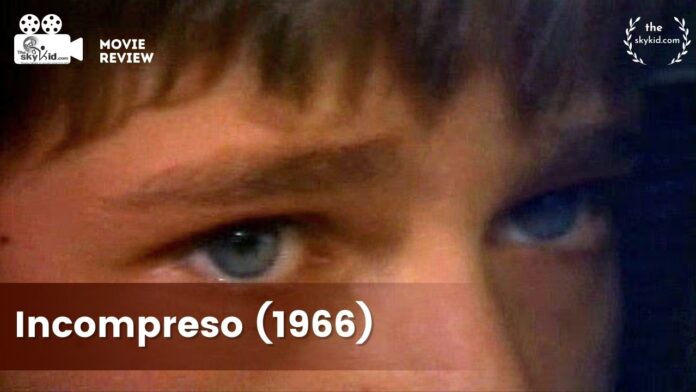
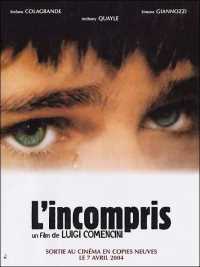
Incompreso (1966)

Incompreso (1966)

Getting back to the classic titles belonging to the Coming-of-Age genre is always a pleasurable experience. As is the case with the majority of the European Coming-of-Age dramas from the 1960s, the Italian film Incompreso (or L’incompris for the French release) Β is an adaptation of the book Misunderstood, written by the English novelist Florence Montgomery in 1869.

The setting for the story in Incompreso is Florence,Β  Italy. A widowed father, saddened by the loss of his beloved wife, tries to deal with his grief while taking care of his job and two young sons. The two brothers, Andrew (Aged 7) and Miles ( Aged 4), spend much time together. Andrew is perceived as mature beyond his years by his father and is expected to take care of his brother and protect him from any situation that may put him in danger. So dangerous games are to be avoided.

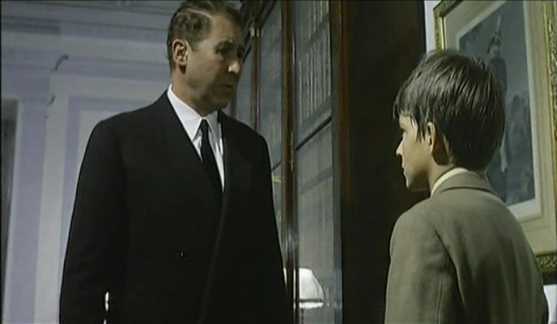
After the boys’ mother dies, the father becomes even more protective of his youngest son, Miles, who closely resembles his dead wife. Andrew is expected to behave like an adult, and as his father’s affection is focused on Miles, Andrew strives to win back his father’s attention. He is told the truth about his mother’s disappearance, but is instructed not to share his knowledge with his younger brother to prevent disturbing him at such a tender age. It’s not easy for Andrew to live with such a secret, yet he tries to please his father and cheer up his younger brother each time he calls for their mother. The boys keep playing, but the father is now convinced that his eldest son is unaffected by his mother’s death: Β Β  “He’s a child…and I expect from him human reactions.The world could collapse and he continues to play.”

Incompreso - Andrew and his fatherIncompreso (1966)Β  – Andrew and his father

As the story in Incompreso is told predominantly from Andrew’s perspective, the viewer will appreciate the immense talent of the young Stefano Colagrande in this role. His moods and expressions portray Andrew’s turmoil and anxiety in a guaranteed way to capture the viewers’ hearts. The cold behavior of his father hurts Andrew. He feels that his father is indifferent towards him. Once a favorite of his mother, with her death, Andrew feels alone and confused. His eyes express that, even as he strives to behave in the way he thinks is expected.

Once again, the authentic realism characteristic of Italian cinema deepens the story’s emotional resonance. The classical piano score infuses some scenes with a poignant melancholy while invigorating others with vitality. Directed by Luigi Comencini, Incompreso offers a heartfelt exploration of acceptance and understanding, providing a poignant glimpse into a child’s inner world.

Film title: Incompreso
Also known as: L’incompris , El incomprendido ,
Release year: 1966
Director: Luigi Comencini
Cast: Anthony Quayle,Stefano Colagrande,Simone Giannozzi ,John SharpΒ  and others

Introducing Jaron Natoli

Jaron Natoly art

http://youtu.be/J-430SfLQfU

Jaron NatoliWhen I discovered the music of Jaron Natoli, I was once again surprised by the amount of young talent coming out of Australia (Jack Vidgen, Griffin Tintor, Straalen McCallum…and others ). Β Jaron is an eleven-year-old musician from Melbourne with a soulful voice and real talent behind the guitar, keyboards, drums and just about any instrument he gets a hold of.
His first album, titledΒ  It’s You and Me, was recently released (in April, 2011) and it’s nothing short of amazing. The eccentric photograph he picked for the cover artwork of his CD is intriguing yet a bit disturbing for an album of a young musician. But art is art…and it appeals differently to different people. But don’t let the cover set any expectations for the music). The album includes two original songs and five covers of performers such as Coldplay, MGMT, Leonard Cohen and U2 (I, for one, appreciate the fact that Lady Gaga is not in this list). Quite an interesting choice of songs to cover and influences for which we most likely have to thank his dad, Chris Natoli, who is a professional guitarist.


Afraid and It’s You and Me are the two original songs included in the album – written and composed by Jaron. Β Both exceed the expectations most people would have of an eleven-year-old musician.Β My personal favorite from the album is the cover of Coldplay’s, Trouble, where his extraordinary vocal abilities really shine.Β  Leonard Cohen‘s song, Hallelujah, is among the most frequently covered ballads by young singers – and Jaron’s rendition is excellent.


Visit Jaron Natoli’s official website at :Β  http://www.jaronnatoli.com/

Elvis! Elvis! (1976)

Elvis! Elvis! (1976)

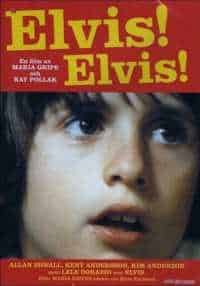
Elvis! Elvis! (1976) Scandinavian films, particularly Swedish ones, often portray childhood and growing up accurately and naturally. Reine in Barnens ΓΆ (1980), Ingemar in My Life as a Dog (1985) and Elvis in Elvis! Elvis! (1976), the latter film on which this review is focused, are all young protagonists not much different than you and I were at their age. Overall, portraying ordinary children in ordinary settings – however special and unique each of us is as a human being.

Kay Pollak, the director of Elvis! Elvis! (who also directed the acclaimed Barnens ΓΆ ), remains true to the cinematic traditions of his country. He’s directed a film that lacks any dramatic tensions or unexpected events. Β Instead, the film is done in almost a documentary fashion and shows us the world as seen and experienced by six-year-old Elvis Karlsson (Lele Dorazio), a sensible boy who tries his best to understand the demands and expectations adults have of him and other adults. Elvis has trouble socializing with his peers and is constantly criticized by his mother, who, as most parents do, Β seemingly expects her little boy to behave in the exact way she imagines he should, not giving him a chance to be himself. Β And that’s what Elvis’s challenge is — to be himself and hope that his mother and peers will accept him for who he is.

Extremely Loud and Incredibly Close (2011)

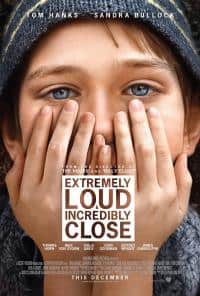
Extremely Loud and Incredibly Close (2011) cover

Extremely Loud and Incredibly Close (2011) coverA friend of mine used to say that basically Hollywood is an industry just like all others that produce to sell. This particular industry makes two types of products. Included in the first type are mainly movies intended to be blockbusters that simply entertain people. The other type consists of movies intended to be exhibited at film festivals. The latter type are the movies that are made Β for the sake of the industry’s prestige.

Following a well-known formula that works well, the production companies in Hollywood have begun to reveal the movies in this year’s prestige category, beginning their campaign towards the Oscars. It’s a campaign that takes its products to many a festival. Β An impressive list of awards is normally built for films following this path.

The Role of Nostalgia in Coming-of-Age Movies

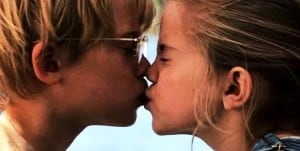
my girl

coming of age title

Coming-of-Age movies may never go out of style. Typically such movies revolve around young characters who are not yet adults, yet certainly not children anymore. Such movies can exist in virtually any time period, because there are certain truths to growing up that almost everybody remembers. Anybody watching such a movie may be profoundly struck by how similar it was to their own experience growing up.

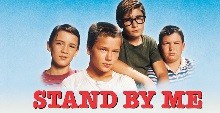
Stand by meThere were several classic Coming- of-Age films made in the 1980s. One was Stand By Me, based on the novella by Stephen King. It was set in Maine in the 1950s and revolved around four boys, all 12 or 13 years old, on a quest to see their first dead body. The film deals with friendship, honesty, family, and bullying — Β all in a touching and interesting way. Anybody watching it is sure to be reminded of their own poignant friendships while growing up and how those friendships shaped them as a person.

Have You Forgotten What We Used to Play? (2010)

Have You Forgotten What We Used to Play

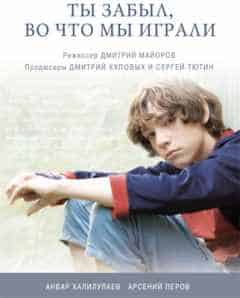
Have You Forgotten What We Used to PlayWhen we reflect on the effects the movies belonging to the Coming-of-Age genre have on our mentality, the yearning for the past and the pleasurable emotions associated with it often plays a central role. Β Many Coming-of-Age films share a few common characteristics – one of them the role of time: past, present and future (often embedded in the motives that direct the characters’ efforts). In the Dmitry Mayorov filmΒ Have You Forgotten What We Used to Play? (Π’Ρ‹ Π·Π°Π±Ρ‹Π», Π²ΠΎ Ρ‡Ρ‚ΠΎ ΠΌΡ‹ ΠΈΠ³Ρ€Π°Π»ΠΈ?)Β viewers are not only invited to transport themselves back to an earlier period of Russian history, but also to an earlier period in their own lives.

Have You Forgotten What We Used to Play?Β tells the story of a childhood, of a friendship and of growing up. A young man returns to the village where he grew up and discovers that both he and the place have changed.Β  Yet, he soon finds himself immersed in his memories. The story of the film is told in a very human, down to earth manner – without any false pretenses. The plot is a bit simplistic, but that is where its beauty lies. Have You Forgotten What We Used to Play? is not one of the sensationalistic movies (most action films and comedies would fall into that group, although there are exceptions), Β but it’s filled with artful expression – a tribute to the director’sΒ  childhood (and your own).

BlinkyTM (2011)

BlinkyTM

BlinkyTM

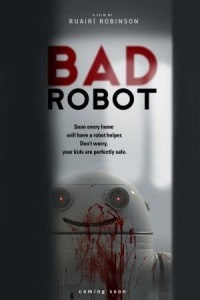
When a person is feeling lonely or troubled, Β he wishes for a friend – even if it is an artificial one …

The short film BlinkyTMΒ tells the story of Alex (Max Records) – a boy who spends a lot of time by himself watching television while overhearing the screams of his parents in one of their everlasting disputes. Β A TV advertisement shows a new tech toy – a robot called Binky. Β The screen is plastered with scenes of the perfect family, the kids have new friends, the adults a helper. Β Everyone is calm and happy, unlike Alex’s family.Β So now Alex knows what he wants for his Christmas present.

The next scenes are shot in a manner that reminds us of the camcordered family reunions and celebrations we’ve all experienced. Β We see Alex and his new friend –Β  Blinky. The scenes are so idealistic that you feel like you would love to have a friend of your own like that Β  (most kids already have them in the form of high-tech mobile phones and social networks that often replace real human contact). Yet, despite the wonderful moments Alex and Blinky spend together, the people Alex cares for – his parents Β – never stop arguing and are on the verge of a divorce.

Claudia Lee: Singer, Songwriter, Actress, Dreamer

Claudia Lee

Claudia LeeWhat do you get when a Midwestern girl with a Polish father moves to Hollywood and teams up with an Italian music producer who helped launch one of the world’s hottest Mexican pop groups? Answer: Country music that’s as American as baseball, apple pie, and Nashville!

Meet Claudia Lee, a fresh new singer, songwriter and actress with a hit TV show behind her and an exciting new country album on the way. Best known for her recurring role as β€œBridget” on Disney’s Zeke and Lutherβ€”and soon to appear on the CW network’s Hart of Dixieβ€”15-year-old Lee has the maturity and work ethic of seasoned show business professionals twice her age.

β€œI get it from my family,” she says. β€œMy parents are amazing and their values are nailed into my head. They have taught me to respect myself and to work hard. Who I am today has evolved from the kind of people they are.”

Lee’s first albumβ€”a collection of 12 new songsβ€”is expected to come out early in 2012, but she recently released her first single from it, Hollywood Sunset, a playful, romantic song set inβ€”where else?β€”the movie capital of the world. In the video, Lee dreams of falling in love with her leading man, a cute guy with a guitar, played by actor and singer Noah Hunt (The Homes), who accompanies her through Hollywood, stopping occasionally to enjoy an ice cream cone or a stroll through Griffith Park. Despite its romantic β€œmovie” theme, the song is more personal for Lee, while at the same time having a universal meaning that can apply to anyone.

Dolphin Tale (2011)

Dolphin tale movie review

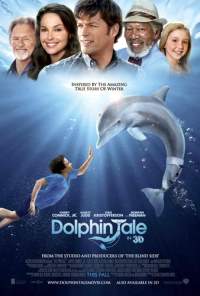
Dolphin tale movie reviewDolphin Tale is a coming-of-age film that portrays a young boy, Sawyer Nelson (Nathan Gamble), as the friend of a dolphin named Winter. Winter is a bottle-nose dolphin that has lost its tail when ensnared in a crab trap. The movie is about overcoming adversity as any good coming of age movie should be. The boy tries to make theΒ dolphin swim again. His idea is to create a tail that helps the dolphin swim. The movie’s cast is studded with first-class actors such as Morgan Freeman and Ashley Judd, the latter portraying Sawyer’s mother in the movie.

This coming-of-age movie was mostly filmed in Pinellas County, Florida. The main setting of the movie was the Clearwater Marine Aquarium, which is the place where Winter (the dolphin) was taken after being rescued. Other locations where the movie filmed include Tarpon Springs, Bay News 9 and Honeymoon Island.

When I Was 5, I Killed Myself (1994)

Originally published in 2011 β€’ Significantly revised February 2026

β€œIt’s me and Blacky, galloping on… Until there are no more houses… no more people, until there is nobody, no more schools, nothing more.”

Quand j'avais cinq ans, je m'ai tue

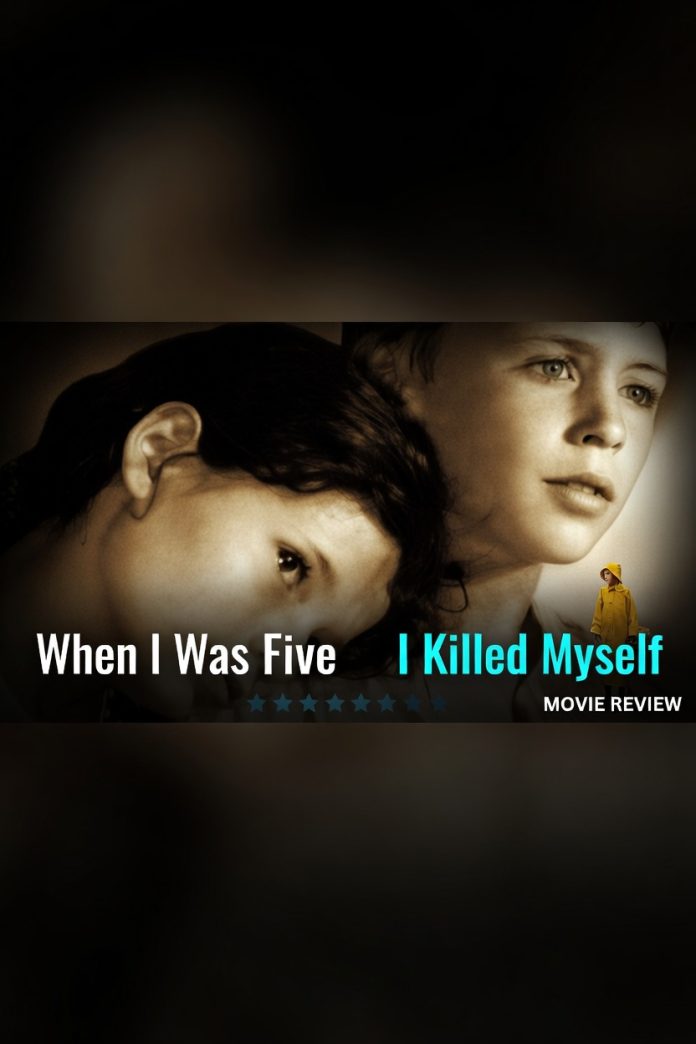
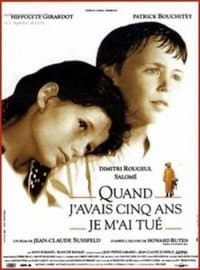
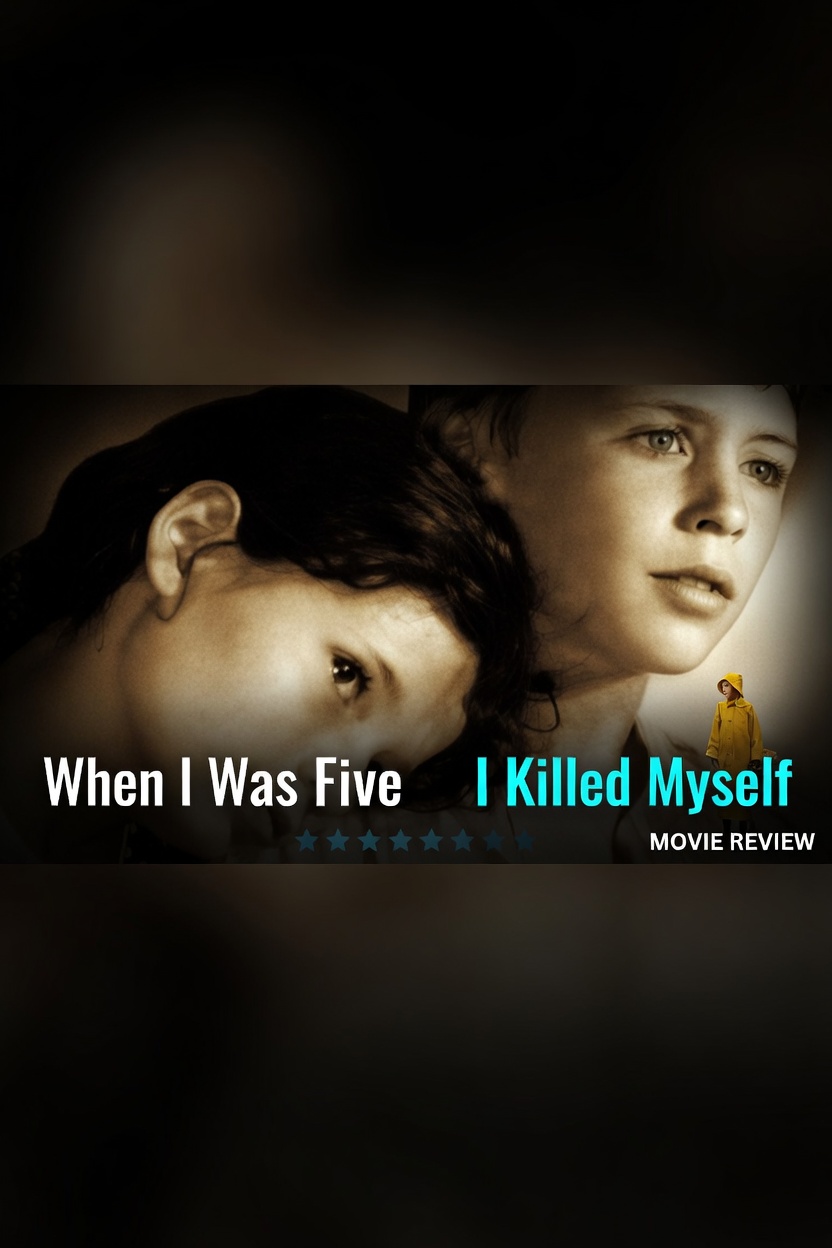
Quand j’avais cinq ans jem’ai tuΓ© (When I Was Five I Killed Myself) is a 1994 French film, skillfully directed by Jean-Claude Sussfeld and based on the novel by Howard Buten. It tells the story of Gil, an eight-year-old boy placed in a juvenile mental hospital in 1950s France. He is there because of what he did to Jessica. Who is she, and what happened to her?

Quand j’avais cinq ans je m’ai tuΓ© (When I Was Five I Killed Myself) is a 1994 French film, skillfully directed by Jean-Claude Sussfeld and based on the novel by Howard Buten. It tells the story of Gil, an eight-year-old boy placed in a juvenile mental hospital in 1950s France. He is there because of what he did to Jessica. Who is she, and what happened to her?

We explore these questions through a series of flashbacks, narrated entirely by Gil himself. Unlike most coming-of-age films where a wise adult looks back on their past from a safe distance, Gil tells us his story using his own childish voice. It feels like an intimate, urgent confession, immediately locking us into his youthful and deeply confused state of mind without revealing the ultimate secrets of his journey too soon.

When I Was 5, I Killed Myself (1994)
In short
A tender, heartbreaking masterpiece about first love and adult misunderstanding. This 1994 French gem uses a child’s own voice, poetic cinematography, and a melancholic piano score to deliver one of the most authentic and moving coming-of-age stories ever filmed.
Character/Acting
Score/Soundtrack
Cinematography
Storyline/Screenplay
Production
Direction
Reader Rating1 Vote
Highlights
Phenomenal child acting
Child’s voice narration
Profound emotional depth
Raw first love
Masterful direction
Negatives
Contemplative pacing
Classic 1994 style
4.9
Our rating