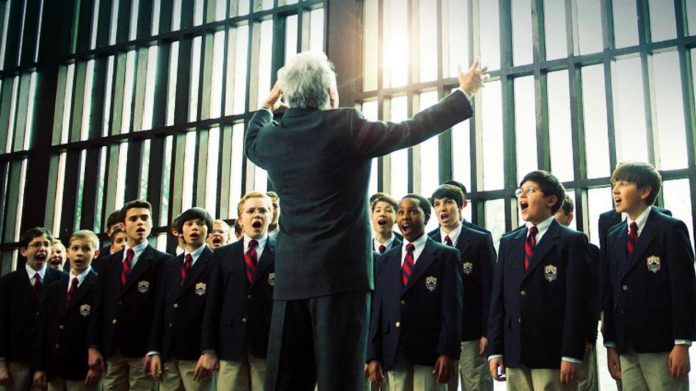
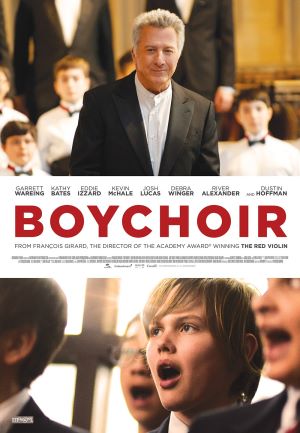
 Boychoir.
Before even starting to review this 2014 film, I should disclose two things that are likely to have influenced my take on it: 1) my personal affinity towards treble music acquired by attending boys’ choir concerts, collecting musical albums and by reading books such as Martin Ashley’s How High Should Boys Sing? (among others) and 2) the hype surrounding the film, which resulted in my anticipation of a Coming-of-Age masterpiece.
The film’s lead protagonist is Stet (Garrett Wareing), an 11-year-old whose harsh life leaves a mark on his youthful personality — making him unhappy and rebellious. He’s the epitome of a troubled kid: Stet has issues at school and at home primarily caused by his mother’s alcohol addiction.
The principal of the school he attends notices that, despite his unruly character, the boy displays signs of musical aptitude and has a beautiful treble voice. In an attempt to help him, the principal arranges a singing audition with the National Boy Choir – which doesn’t go as planned. Yet, when a tragedy takes the life of his mother, his distant father (who has another family) sends Stet to the National Boy Choir academy. Fitting in, in a completely new atmosphere, becomes a real struggle for the boy …
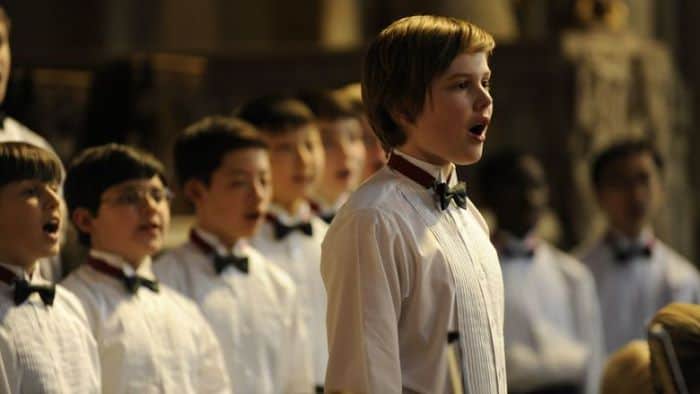
Nobody likes predictable narratives, and even less so if that predictability is the prime result of clichéd scenes and stereotypical characters. Unfortunately, the biggest flaw of François Girard‘s film is that it rehashes scenes and happenings from similarly themed movies such as the 1962 Disney production Almost Angels and the 2004 French movie The Chorus (original title: Les Choristes). Even if one has never heard of the films I mentioned (and if that’s the case I highly recommend that you treat yourself and watch them), the crowd-pleasing, neatly arranged, manipulative manner in which the story in Boychoir is told is a bit insulting. And I believe that would hold true even for people who watch films purely for entertainment reasons.
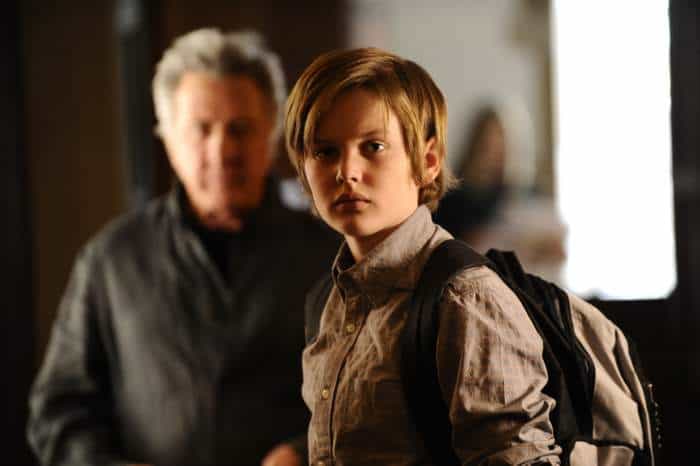
Despite the storytelling shortcomings and the slight imperfections in the acting performance of Garrett Wareing in the lead role (which I am willing to attribute to incompetent directing), Boychoir is likely to be appreciated by fans of the Coming-of-Age genre and people who appreciate the purity and the supernatural beauty of the treble voice. The talent and the angelic voices of the real-life American Boychoir is what essentially charms the viewer and provides the viewing/listening pleasure one looks forward to in the cinema.
Boychoir Trailer
My high expectations for the film were not met as I was left with the impression of a wasted potential – a missing indigent of the cinematic recipe which includes high profile names (Dustin Hoffman), angelic music and …not much else. Yes, like most Coming-of-Age titles, the film does teach life lessons and aims to inspire viewers of all ages. But the plot flaws and weak character development prevents total success from happening.
Comparing Boychoir with Les Choristes, which manages to achieve an inspirational and touching blend of music, story and characters with which the viewer can get deeply involved, one fully realizes the significance of missed potential in Boychoir.
PS. Afterward, I found myself singing the songs I heard in the film, so it must have inspired me at least a little bit. But treble music would do that.
Do see it – the score makes viewing the film worthwhile.


 But this youngster has given some thought to his future as well. In addition to drumming, he likes maths and engineering and can picture himself in the field of science, like his role model Tom Scholz, who went to M.I.T. before starting the band Boston.
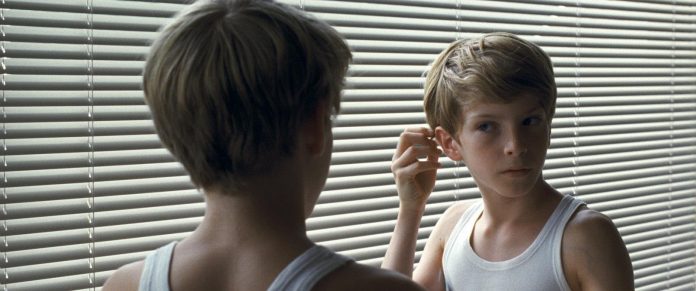
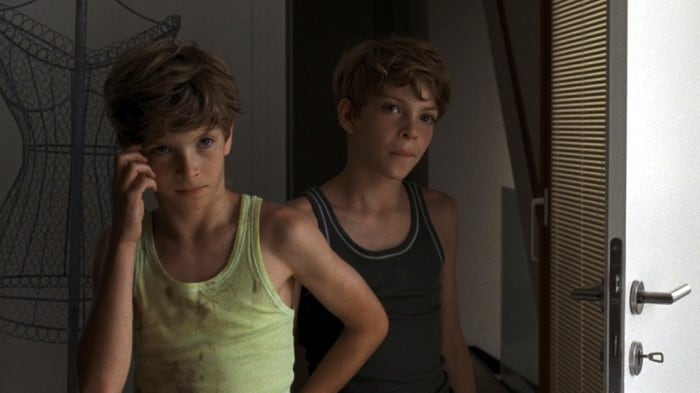
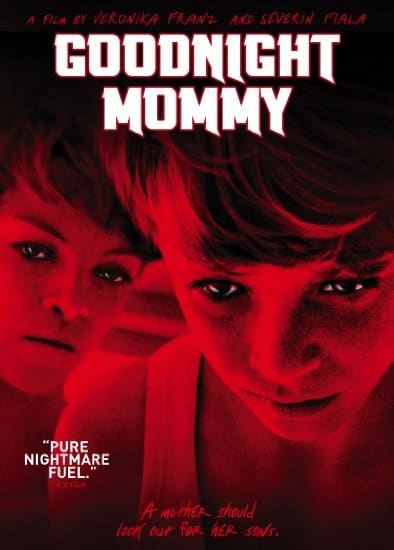
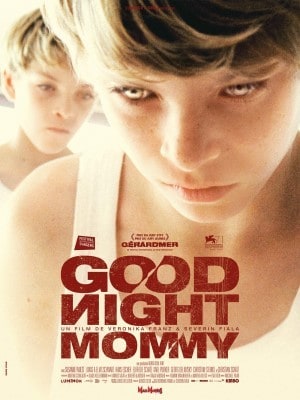 After watching a substantial number of films with somewhat similar plots, one can lose hope that an original narrative still exists out there. That is probably why I was pleasantly surprised by the abundance of plot twists and riddles offered by the Austrian directors Severin Fiala and Veronika Franz in their 2014 movie Goodnight Mommy (Original title: Ich seh, Ich seh).

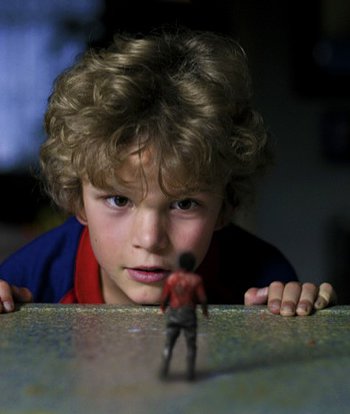
 If you thought that the time of magic has long gone by, the children’s movie Wiplala is more than capable to change your mind and amuse you while doing it. Based on a popular Dutch children’s book and directed by Tim Oliehoek the film features an engaging and humorous story which brings back reminiscences of Selma Lagerlöf`s novel The Wonderful Adventures of Nils (A Coming-of-Age masterpiece on its own) and the popular American family films Honey, I Shrunk the Kids and The Indian in the Cupboard (with the latter they even share similar poster artwork).

 It is the dream life for many boys – living in the jungle, having a rifle, monkey, and tarantula for best friends. Daily adventures and no school — except when your grandfather makes you copy something from a book).
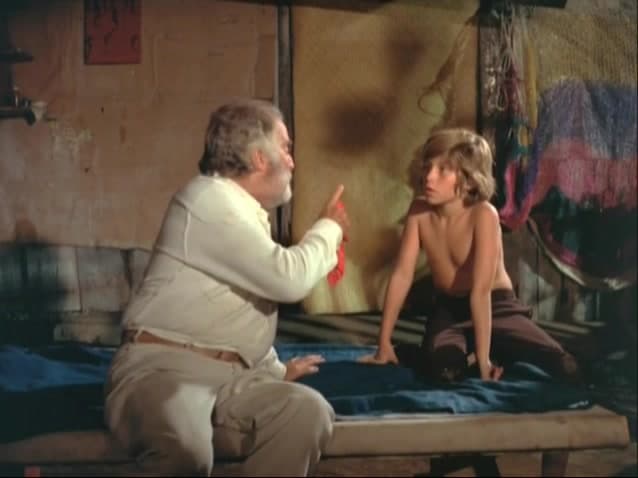
 Portraying sexuality in cinema often results in controversial (in some people’s eyes) films due to the sensitive subject matter being treated. Yet a few brave directors have not hesitated to address the theme such as the Danish filmmaker Lasse Nielsen whose Coming-of-Age film You Are Not Alone (Danish: Du er ikke alene) has turned into a classic since its release in 1976.





 Sometimes one stumbles upon a true cinematic gem from the past when exploring older films. Such is the case with the 1976 German Coming–of-Age film by Hark Bohm, North Sea Is Dead Sea ( Original title: Nordsee ist Mordsee). In it, 13-year-old Uwe (Uwe Bohm) finds himself slowly slipping into delinquency.