It’s not often that I get to enjoy a well-made Coming-of-Age story whose main protagonist is female. While such films do exist, discovering them is a real challenge. I often point out that associating with the feelings and experiences of female characters is not as easy for me as recalling them from my boyhood days. Yet I seem to forget that girls are constantly interacting with the world around them – teachers, relatives…and, yes, boys.
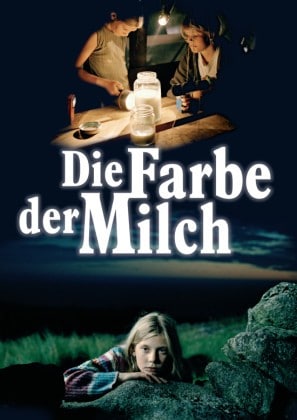
Boys…they are peculiar creatures. Yet not paying attention to them is a challenge all its own, as the 12-year-old Selma (Julia Krohn) and her friends Ingun (Marie Kinge) and Elin (Maria Elisabeth A. Hansen) discover. The three young Norwegian girls deal with peer pressure and expectations of “normality” in the 2004 film The Color of Milk(The Color of Milk (aka Neither Naked nor Dressed, Selma and Andy, original title Ikke naken), written and directed by Torun Lian (who has a serious reputation in Norway as an author of youth-oriented stories).
Selma (Julia Krohn)
The Color of Milk is a typical character-based Coming-of-Age drama with romance nuances. In it, we experience the world through the eyes and mind of its young protagonist – in this case, a highly intelligent 12-year-old girl – who refuses to obey forced gender roles and expectations and struggles to make her own path in life. She does this, whenever possible, while avoiding boys and their “disgusting” manners and behavior toward young girls like her.
Unfortunately, Selma’s best friends give in to expectations, temptation, curiosity, or some weird mixture of all of those. This leaves her alone in her quest to make intelligent choices, instead of relying on instincts that the human race has inherited from reptiles (that’s Selma’s theory, not mine).
To complicate things further, Selma notices some weird feelings of her own, feelings that fail to fit her scientifically proven life analysis. She finds she has these feelings, especially regarding a visiting university student from Sweden, and with Andy (Bernhard Naglestad), a young boy who has shown interest in her and even in her scientific analysis of life and death.
Andy (Bernhard Naglestad)
Admittedly, the plot does not shine with originality, but the young actors are incredibly talented and natural in front of the camera, which by itself guarantees that both girl and boy viewers (even the grown-up ones) will be able to associate with them and their experiences. I could not help but remember how I once ditched my friends on a soccer field to be with the girl I had a crush on. I’m not sure that’s something to boast about , but … that memory was clearly invoked by this film’s narrative.
http://www.youtube.com/watch?v=b3-S5A0Yg18
The loving gaze and facial expressions of the young Bernhard Naglestad as Andy in the scenes he shares with Selma are so acute that I feel that the boy might have had a crush on Julia Krohn who portrays Selma. Whether this is true or not, (and we may never find out) the fact that one wonders about it is telling on its own.
Norwegian filmmaking style in portraying youth stories is present in The Color of Milk: brightly lit scenes, an abundance of close-ups, vivid colors, and an intriguing way of portraying childhood in a manner that is simply pretty to look at. The perception of the romance in some scenes is boosted by quiet piano music, which characterizes the film’s musical score.
While the film is not the kind that would affect you strongly emotionally, or one that is memorable on its own, watching it is a pleasant nostalgia-infused experience that would perfectly fit a lazy Sunday afternoon of viewing.
http://www.imdb.com/title/tt0425125/combined
The Color of Milk (2004)
Summary
Three young Norwegian girls deal with peer pressure and expectations of "normality", in The Color of Milk, a typical character based Coming-of-Age drama with romance nuances.
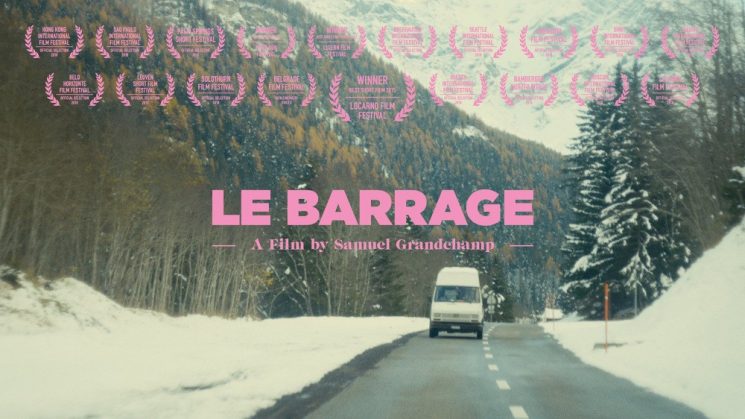
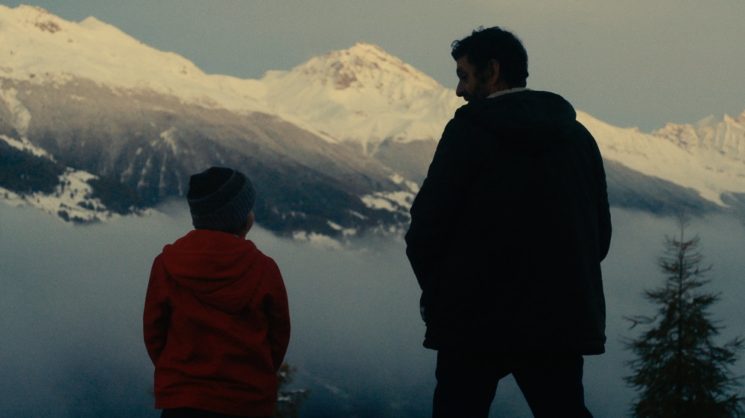
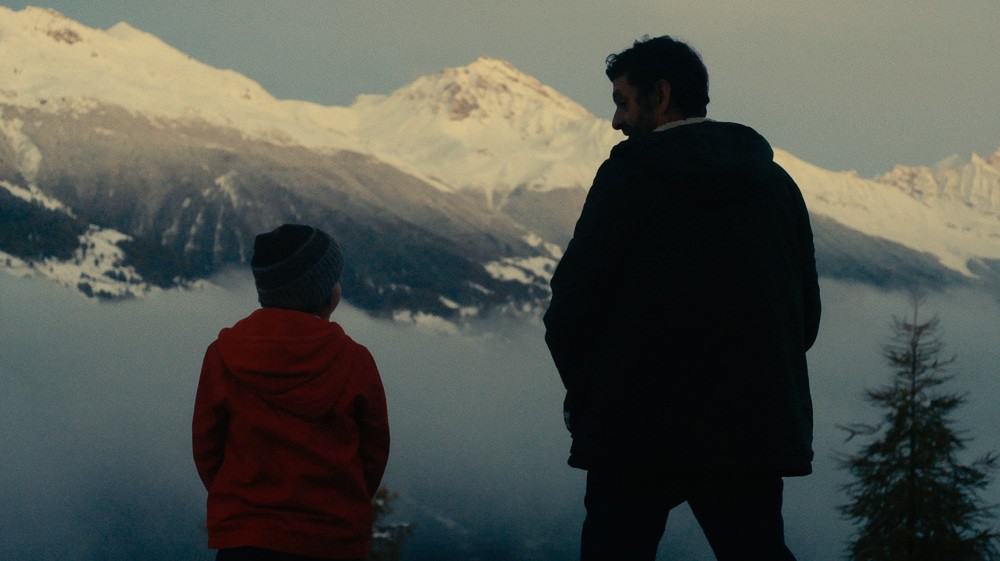
A co-production of Switzerland and the United States, the 2015 short film The Big Dam (Original title: Le barrage) has won many awards at international festivals. It tells the story of a father-son outing to Europe’s biggest dam, a trip that ends up putting their relationship to the test.
The central theme of The Big Dam (2015) is family dynamics and how events in the past shape one’s present. In order to better understand the character’s backgrounds, the film relies on dialogue, in which what is being said is as important as how it is being said.
That’s how one starts to notice the internal conflict in the mind of the father, who wants to spend some quality time with his son, yet can’t completely relinquish the past. The Coming-of-Age experiences of the young protagonist are intertwined with the anger that is harbored deeply inside the mind of his father.
Father (Pascal Gravat) and Son (Alessio Balossi) in The Big Dam
To emphasize the present emotional state of the characters, some scenes are shot with an intentionally shaky camera. Initially, I was not fond of the way the film ended but, after giving it some thought, I realized that the ending is essentially complex in its simplicity – accurately portraying the inner turmoil and drama in the minds of the film’s protagonists.
Recommended.
The Big Dam (2015)
Summary
A young boy is forced to grow up when a weekend getaway with his father puts their relationship to a test.
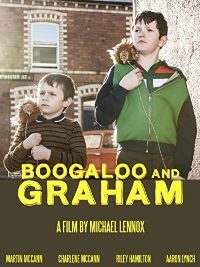
Whatever the answer, you would likely want to get one as soon as you watch the charming Irish short film Boogaloo and Graham. Directed by Michael Lennox, it’s the story of two adolescent brothers, Jamesy (Riley Hamilton) and Malachy (Aaron Lynch), and of Boogaloo and Graham, their adorable pet chickens. (Everyone’s got a dog, but a chicken…. now that’s something else).
A Coming-of-Age experience, remembered and narrated by the grown-up boys themselves, the film offers a nostalgic peek into their childhoods, complete with a 70s music score and a lot of humorous dialogue and events. True, the accents are sometimes hard to grasp, but they also boost the overall heartwarming feel of the story.
Boogaloo and Graham proves that if one juxtapositions the innocence of youth and the harsh realities of adulthood, then adds some delightful young actors and even a surprising plot twist, the result will be a “feel good” Irish movie that is sure to put a smile on your face.
It doesn’t come as surprise that Boogaloo and Graham was nominated for an Oscar in 2015 and won the BAFTA award for Best British Short Film in the same year.
Highly recommended!
http://www.imdb.com/title/tt3612232/combined
Boogaloo and Graham (2014)
In short
A Coming-of-Age narrative, Boogaloo and Graham is a "feel good" Irish movie that is sure to put a smile on your face.
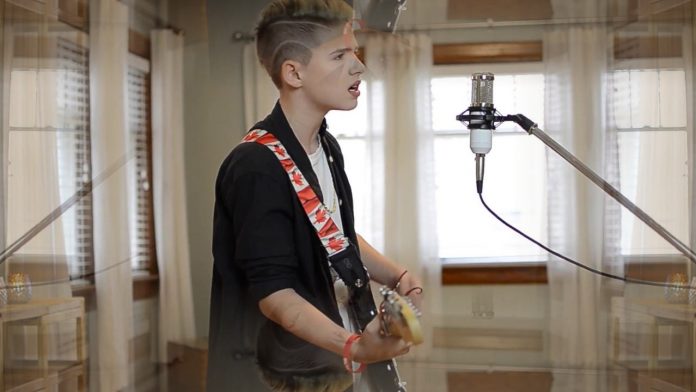
It’s a project, featuring young Canadian singer Tyler Lorette, that has just started; with three well-produced songs that reveal his charmingly clear voice and asserts his musical ability. These first polished presentations are very appealing, indeed, and perfectly mixed as well as visually interesting.
Let’s zoom in on this boy from Ontario
The first tune I heard, thanks to Georgi’s (this site’s administator) link, was I Feel It Coming-I Can’t Feel My Face (cover) which is produced, mixed and mastered by Adam Newcomb and opens with thrumming tones followed by Tyler’s voice — strong and clear.
http://youtu.be/GF3QF7F9X6Q
The song moves along moderately, with no surprising trills, first verse, but solid notes. Visually we can focus on the singer, (videography by Cole Hardy), which worked well for me since I had never seen Tyler before.
The chorus, which is partly double-tracked, picks up the pace and volume, in a song about anticipated love. About this time Tyler plays to the camera more, as a pounding drum beat and some back up chorus, carry the song along. I understand that repetition is being used as a device here, but it becomes a bit much at the end.
The second audio track works good here…
i can’t feel my face..
but i love you..
…driving on to the end, with a muted instrumental track.
The simple “at home” type video worked well for me, focusing on the singer who looks quite composed with the e-Guitar.
Tyler’s voice is pure and magically puerile
My second discovery was One Dance (cover Drake) from eight months back, which I found charming. It’s noticeable that, even in this short time, Tyler’s voice has deepened slightly. This song has a dreamy, enchanting tone, a mellow repeat. Its about “leaving” and the visual once again shows Tyler playing his guitar (though I’m not sure if that’s the actual sound out of the studio).
http://youtu.be/bAx67ss1P0c
Maybe I should ask his Vocal Coach/Project Manager/Executive Producer Roberta Michele Quilico or the Bird Loft School of Voice in Oshawa.
Tyler’s voice is pure and magically puerile here, quite high pitched, not yet concerned with adding embellishments to the tune. The RAP insert works with its play on various similar words. In all, this performance is simple, but dramatic, because it’s delivered with style.
A charming and natural young performer
No doubt the tender quality of Tyler’s voice makes his cover of Niall Horan/James Arthur (This Town/Say You Won’t Let Go) so special. The mix of voice with guitar is near perfect here. The voice is soft, but not melodramatic, producing a charming and natural cover. His notes are clear and confident-the sentiment is believable, and the lyric enunciation just faultless.
Tyler Lorette- This Town/Say You Won’t Let Go Mashup Cover
http://youtu.be/wS_f5zZq05c
I am, in short, thrilled to introduce this new talent from Canada to TheSkyKid.com’s readership. It appears to me he has made a great start with these videos, and I’m certain more creative ones will follow. My wish is for some originals from him soon.
Best Wishes to all associated with “Project Tyler”.
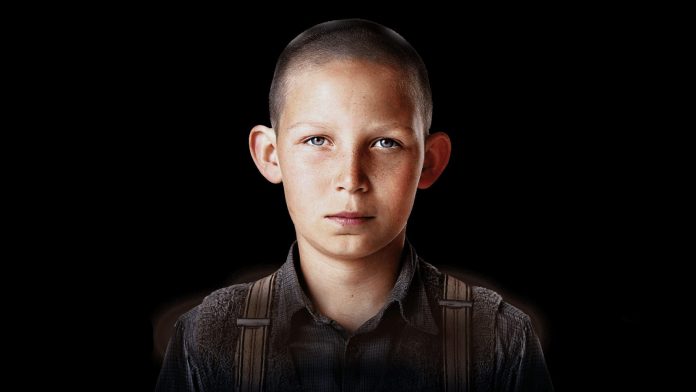
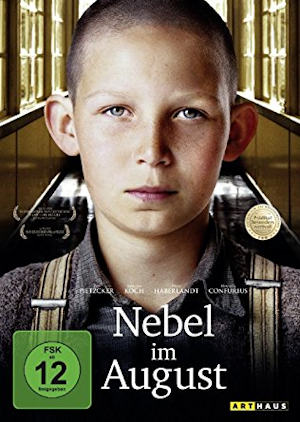
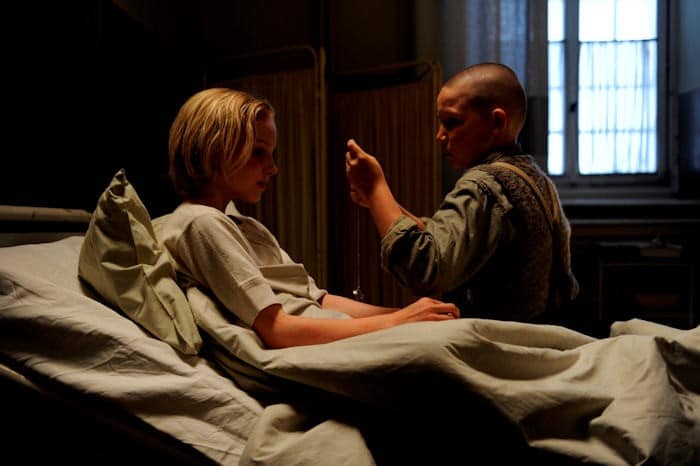
Based on a real story, the 2016 film by Kai Wessel, Fog in August, is a powerful Coming-of-Age drama exposing one of the horrible crimes of the Nazi regime and its inhumanity, as told through the eyes of a young boy.
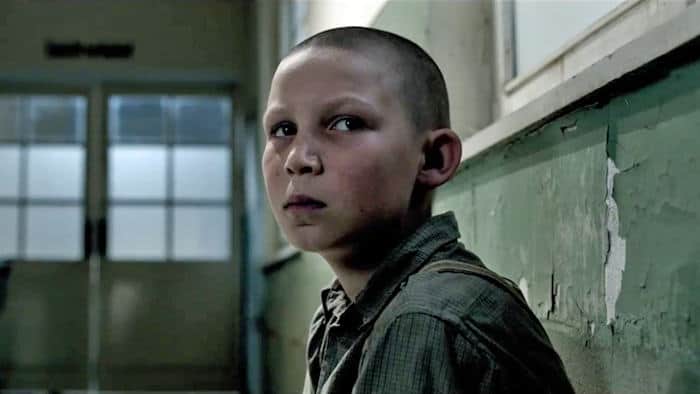
Ivo Pietzcker plays the role of 13-year-old gypsy boy Ernst Lossa, whose mother has passed away, and his father cannot take care of him because of a lack of a permanent residence. After a succession of youth reformatory schools where his rebellious spirit has gotten him into trouble, he is placed in a mental hospital.
At first, Ernst is terrified of the unfamiliar setting and the odd behavior of the patients, but gradually he gets used to the new environment. The doctors seem genuinely concerned about their youthful charges, and Ernst even begins to make friends.
Ernst Lossa ( Ivo Pietzcker) and Dr. Werner Veithausen (Sebastian Koch)
But not everything is what it seems. Unknown to its patients or the society as a whole, the hospital partakes in the Euthanasia program of the Nazi regime, aimed at people with mental or physical disabilities. A keen observer, Ernst soon notices irregularities and recognizes good and evil in people. But will his good health and strong character suffice in the struggle against a sick ideology …and can a little boy stand up against horrible injustice?
Despite the hardships and inhumanities, good hearts find each other. Ivo Pietzcker and Jule Hermann
The film’s biggest flaw is the relatively slow pace at which the action develops. While this allows the viewer to get to know the characters and their environment, sharper editing techniques would have enhanced the story’s ability to engage. There are emotive scenes, even some guaranteed to draw tears in anyone’s eyes (happened to me, while other scenes filled me with anger). Yet, the viewer is kept at a distance, never fully identifying with the characters.
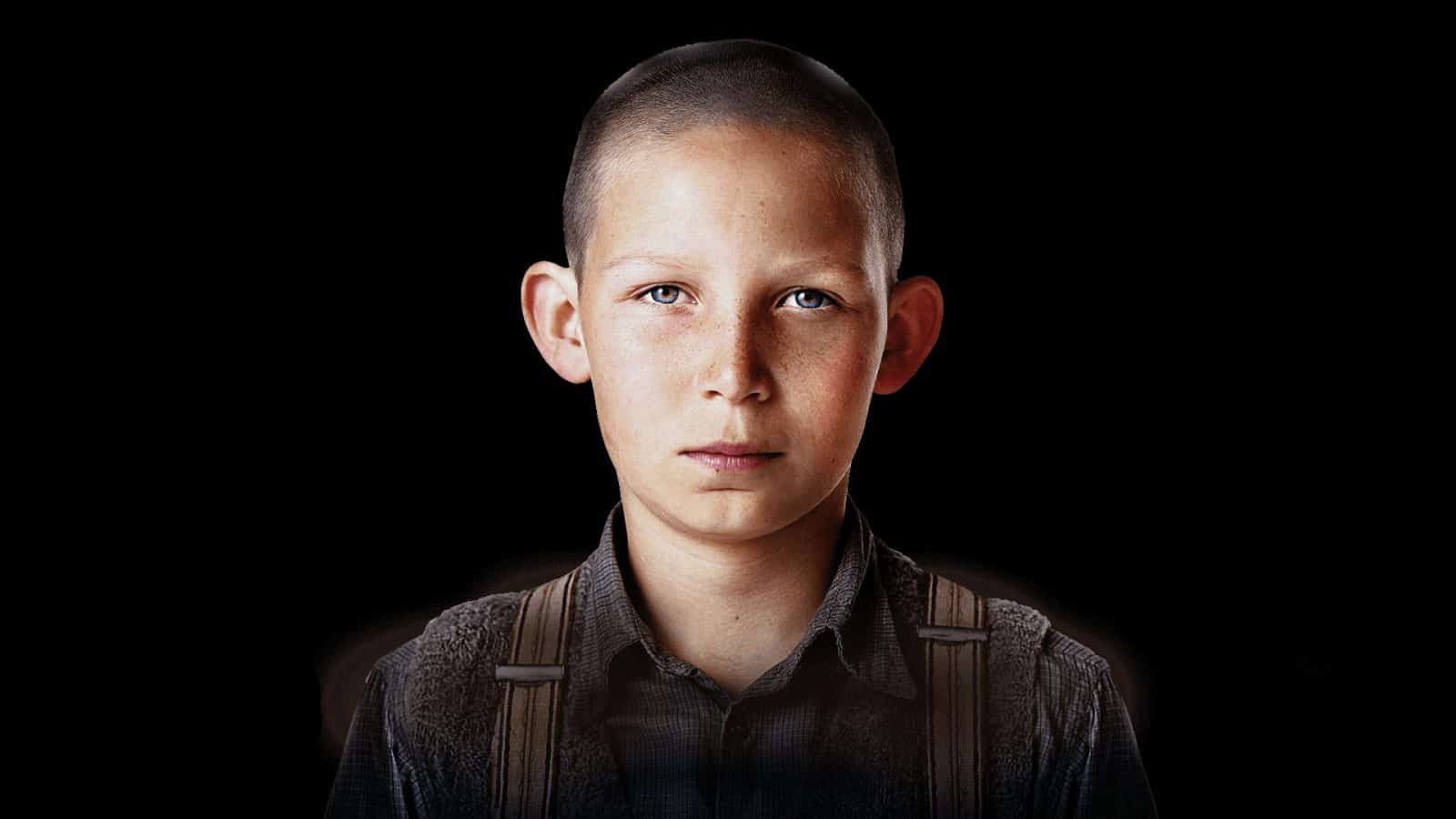
Ivo Pietzcker fully embodying his character
The slow-paced story development results in a rather predictable finale, which lessens its potential effect on the audience. And, while some may think of this as a blessing considering the subject matter, I was disappointed that the finale was not as strong as that of the similarly themed film The Boy in the Striped Pajamas.
The story is told predominately from the viewpoint of its young protagonist and one can’t help but appreciate his willpower and character. Having seen the 2014 film Jack, in which Ivo Pietzcker had his film debut, I had high expectations for his performance in this film. Those expectations were met and exceeded. His expressive face projected a range of emotions. One can follow the trials and tribulations of his young character as he becomes increasingly aware of the reality of the mental institution. (I am not so sure of his resemblance to a gypsy, however).
While Coming-of-Age nuances are present, the focus lies more on the moral implications of the story than the delineation of a single character. Heart-wrenching, shocking and educational are just some adjectives that can be used to describe Fog in August. It portrays an important piece of history and deserves to be seen if only to ensure that such history never repeats itself.
http://www.imdb.com/title/tt4250566/combined
Fog in August (2016)
Summary
A powerful Coming-of-Age drama exposing one of the horrible crimes of the Nazi regime and its inhumanity as told through the eyes of a young boy.
Summer is fast approaching and few things are as refreshing as a little short film with an adorable Coming-of-Age story. Luckily director Jeroen Houben offers just the right one with his 2015 Gips(Plaster – International English title) .
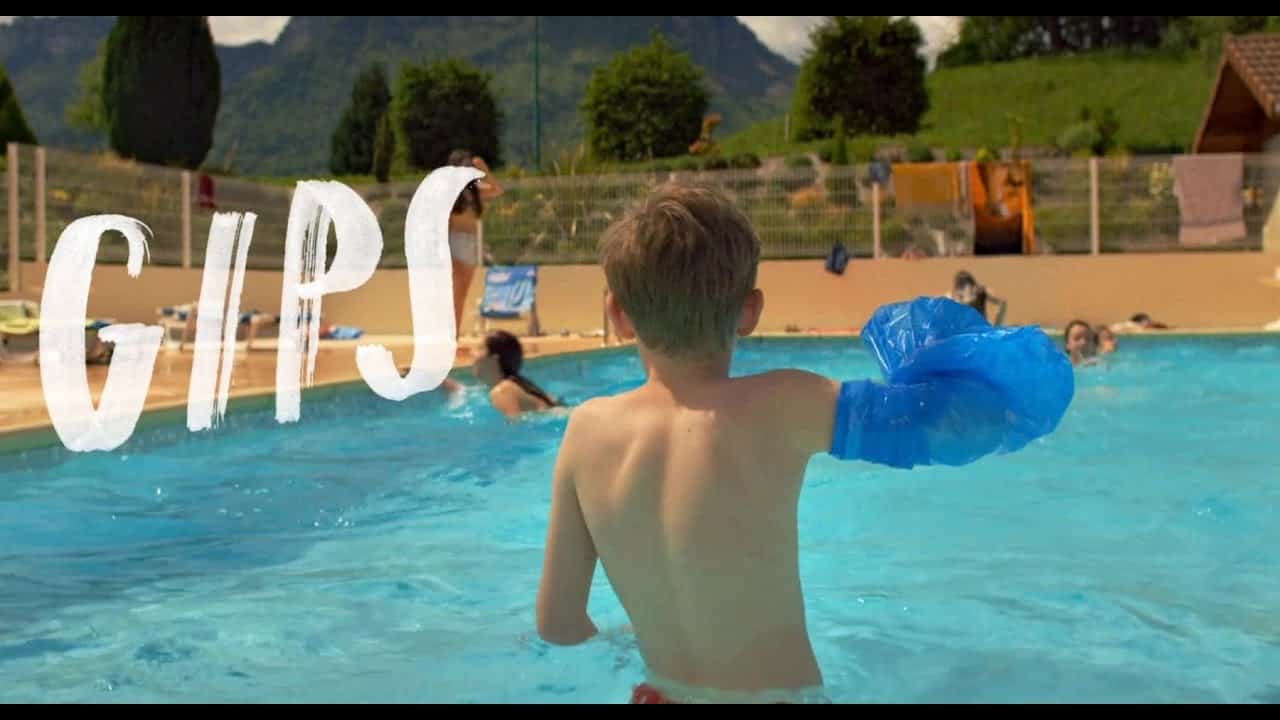
The premise of the story is slightly tragic as it’s concerned with one of the terrible disasters that could happen to any young person’s summer vacation – a broken arm and a cast guaranteed to get in the way of all the fun. And that’s exactly what 12-year-old Pelle (Rohan Timmermans) has to deal with in Gips.
Despite the desolate situation in which they have placed their young protagonist, the filmmakers have opted for a witty and entertaining way to tell his story. They are aided by some excellent camera work that allows us to see the world through Pelle’s eyes and a melodic musical score infused with summer laziness. And thanks to the great acting and adorable appearance of Rohan Timmermans, it’s impossible not to sympathize with his character.
Rohan Timmermans as Pelle in Gips 2015
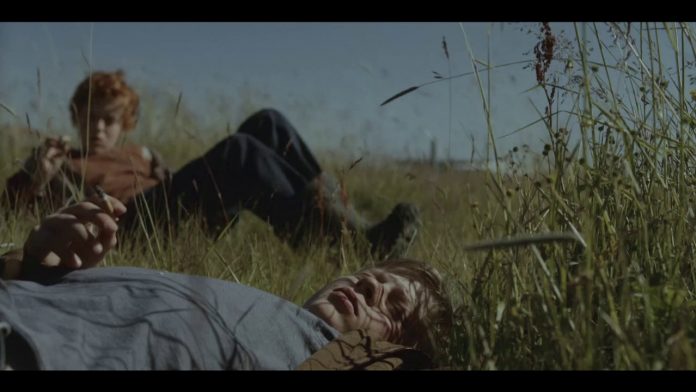
A surprising twist at end will bring a smile to the viewer’s face and I guarantee you will feel refreshed. A bitter-sweet Coming-of-Age cocktail of youthful experiences – give the 2015 Dutch short film a go.
http://www.imdb.com/title/tt4681026/combined
Gips (2015)
Summary
Gips is a bitter-sweet Coming-of-Age cocktail of youthful experiences. Recommended!
Ártún (2014) is the fourth Coming-of-Age film from Iceland I’ve reviewed on the site, and, like most Scandinavian films, it portrays the rites-of-passage of its young protagonist in a daring, true-to-life manner.
The journey to self-discovery often includes exploration of one’s own body (seen in films such as Barnens ö and World Wide Woven Bodies), combined with a growing interest in body image and looks. Guðmundur Arnar Guðmundsson, who wrote and directed the film, made sure to include a scene in which the young Arnar (Flóki Haraldsson) inspects his naked body for any changes hinting at the entrance into manhood.
Flóki Haraldsson as Arnar in Ártún (2014)
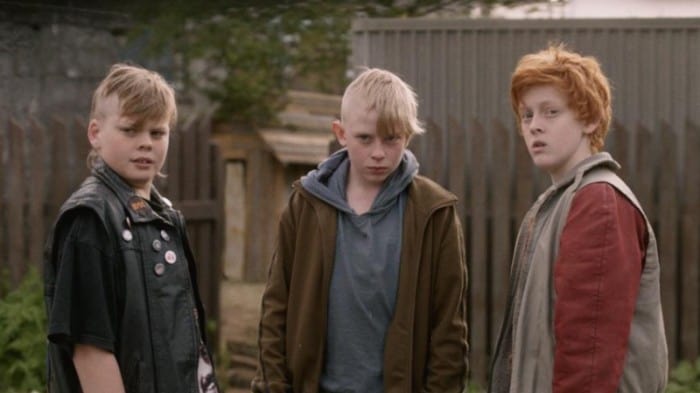
He has never kissed a girl (although no self-respecting boy will ever admit that, especially in front of same-age peers), and his budding sexuality and natural curiosity make him join his boastful (though equally inexperienced friends) on a trip to Reykjavík, where the girls are said to be open-minded and wild.
The naturalness of the story makes it easy for the viewer to associate with Armar’s experiences and their own. As a small-town boy myself, I felt genuinely moved by the story, recalling two girls from the capital that spent their summer vacation in the house across the street – and how completely naïve and innocent I must have appeared to them back then.
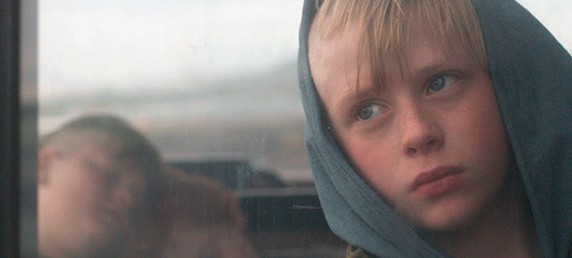
Scene from the film
Aside from its storyline, Guðmundsson’s film impresses with a musical score comprised of energetic Icelandic rock songs, which charge its scenes. The music also serves as a time indicator, placing the film in recent days, unlike many other filmmakers who prefer to set their Coming-of-Age stories in the 60s or 80s.
Flóki Haraldsson (who I have previously seen in the beautifully shot and haunting short-film from 2012, Strýta) manages to portray the confusion and nervousness of his character in a stunning manner, and it doesn’t come as a surprise that filmmakers often rely on his facial expressions to move the story forward.
Devoid of pretence, the nostalgia infusing and fun Ártún is a pleasant short film that fans of the Coming-of-Age genre are guaranteed to appreciate.
http://www.imdb.com/title/tt2780806/combined
Artun (2014)
Summary
The Icelandic short film Ártún (2014) portrays the rites-of-passage of its young protagonist in a daring, true-to-life manner.
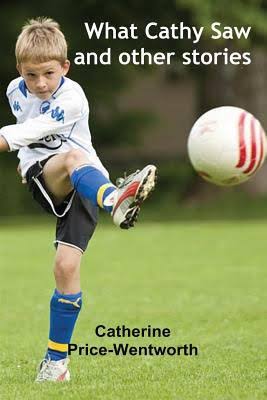
Four short stories about growing up in the twentieth century. About childhood, adolescence and Coming-of Age in an era when friendship was analogue, life was an open book and corporal punishment was a kid’s occupational hazard.
This came up as one of my recommendations on Amazon recently and, after reading the description, I couldn’t resist ordering it. Catherine Price-Wentworth was not listed as the author of any other publications and I half-expected this book, published just last year, to be an amateurish anthology from yet another wannabe writer.
I’m glad I took the risk. It did not disappoint. What Cathy Saw and other stories is a highly original, well-written collection of four whimsical, yet often intense, tales. They’re all different, with distinct narrative voices, set in eras from the 1940s to the 1990s. What draws them together is their evocative depiction of youth — its joys and tribulations and its arcane nature, often shielded from adults who should know better, but seem incapable of knowing.
I love good short stories. The best can pack the punch of a novel into a tenth of the length or less, like a literary espresso. This slim volume (just 90 pages) was just enough to keep me entertained on the train from Leeds to London, but I felt like I’d gorged on a banquet of narration by the time we’d arrived at King’s Cross.
In the title story, a middle-aged woman gently narrates her innocent first love for a boy at primary school, but this turns tables when it becomes an account of their encounter with a pompous, bullying and distinctly dodgy local shopkeeper. Set in 1970s Yorkshire, there are shades here of Billy Elliot and Debbie, Mrs. Wilkinson’s precocious daughter (yes, I know that was County Durham in the 1980s). This story is just as evocative of its place time: as one of Price-Wentworth’s critics observed, “You can almost smell the coal dust.”
Then comes the tale of 13-year-old Nat Turner, a talented aspiring rock musician, and his father Victor, a widower struggling to deal with his son’s emerging independent spirit. Victor thinks Nat’s talent is better suited to the church choir and his attempts to control the boy lead to a run-in between the two and no end of trouble unfolding for poor Nat, who is left with some painfully risky decisions. Told alternately from the perspective of father and son, this is an action-packed roller-coaster of emotion. Hilarious at times, moving at others, its conclusion may bring a tear to the eye but avoids the trap of sentimentality.
Matthew’s Mitzvah tells the story of a young Jewish boy evacuated to a Welsh Catholic boarding school during the second world war. Like the tale before, it focuses on the moral as well as practical dilemmas faced by two of the school’s students after an ill-considered prank goes horribly wrong. Amusingly, the same priest crops up as in the previous story, like a frocked Blackadder, to help resolve the practical and philosophical issues.
The closing short story is another first-person narrative, though this from a 16-year-old boy trying to repair the relationship with his estranged mother. During their meeting, he recalls his loving, liberal upbringing but then uncovers a memory from his infancy when tempers were lost and political correctness fell to pieces…
The characterization throughout is outstanding. I doubt any reader will fail to relate to the young people in the stories as they face the problems and traumas of growing up so familiar to us all. The grownups are well done too, particularly Victor Turner, whose behavior can verge on cruelty, but who still gains our sympathy and understanding.
According to the publisher’s website, Catherine Price-Wentworth (presumably an ad hoc pseudonym for this book) is better known for radio drama and romantic fiction aimed at women. I managed to contact her by email through the publishers to ask her about the background to this collection. She explained that, “I write short stories for my own amusement all the time. These are just four that I felt were worth putting out, but had little prospect of publication elsewhere.”
I see her point. The pieces here certainly push the boundaries of acceptable material for Mills and Boon or The People’s Friend. As the above cover note suggests, there are a few lurid descriptions of school bullying and corporal punishment, which will doubtless appeal to some, but upset others. (Though they may raise eyebrows in the context of modern fiction, they are nonetheless no stronger in essence than those to be found in the works of Roald Dahl or Charles Hamilton.) With some occasional strong language, mild drug references and depictions of under-age drinking and smoking, this is neither a book for prudish old women nor young children.
Though I suspect that anyone else, from teenage to retirement, who enjoys Coming-of-Age stories and appreciates good writing, will be as delighted by this anthology as I was.
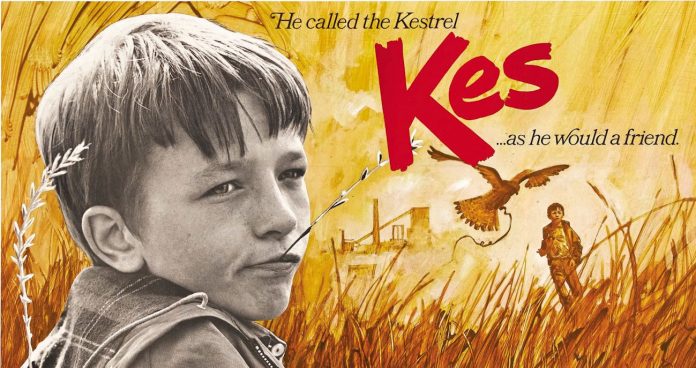
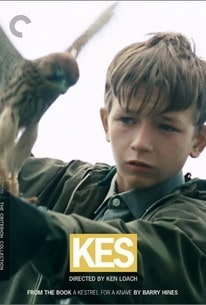
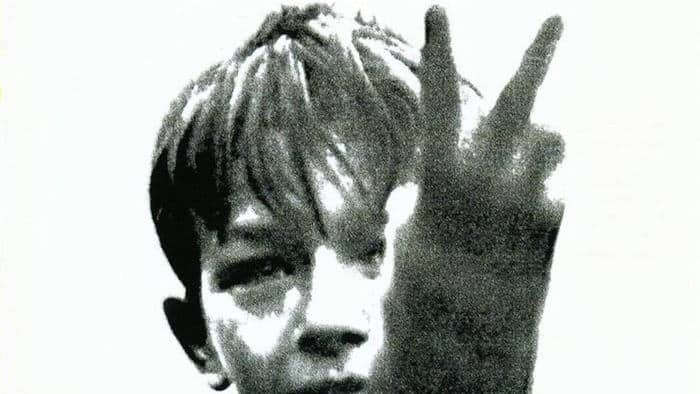
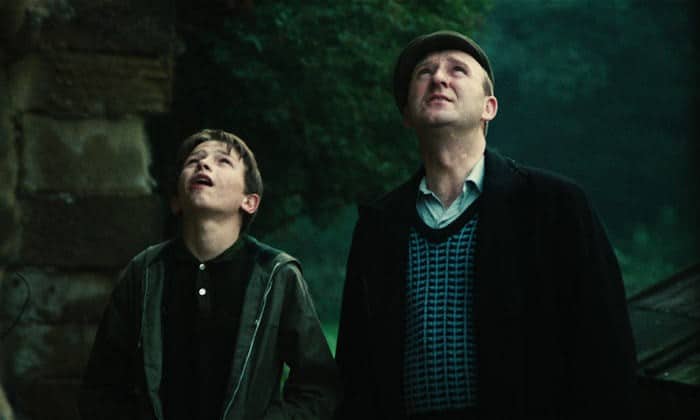
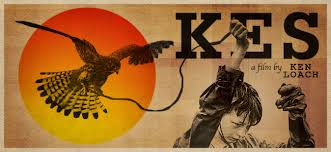
I used to assume that everyone has seen Kes. It won BAFTAs for 14-year-old David Bradley (Most Promising Newcomer) and Colin Welland (Best Supporting Actor.) It’s listed in the British Film Institute’s Top 10 Greatest Films of the 20th Century. It maintains a 100% “fresh” rating on Rotten Tomatoes. The promotional poster of a disaffected teen raising two fingers to the world is surely one of the most iconic ever.
That was until some years ago, when I was teaching the media module of a further education course on Modern Cultural Studies. Naturally, Kes came up as part of the syllabus and I was shocked to learn that most of my 16 to 18 year-old students had never seen it; some had never heard of it.
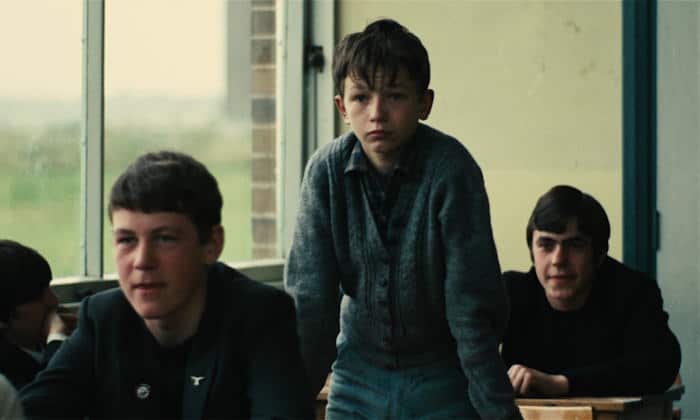
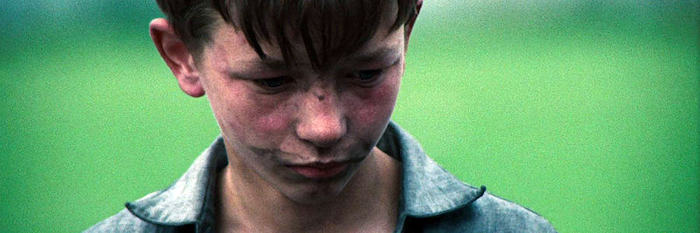
David Bradley as Billy Casper
Since then, the film has had a bit of a revival with the release of an excellent digital re-master on DVD and Blu-ray. Then the death of author Barry Hines last year spawned some more nostalgic publicity.
But I’m making no more assumptions. So if you haven’t seen the film, then fire up Amazon right now and order a copy. Or get over to Netflix and watch it this instant. Just remember to do so in a new tab so you don’t forget to read the rest of this article.
Oh, I should mention one snag: even Brits from south of Nottingham may struggle with the Yorkshire dialogue. Contrary to popular belief, it’s not “dialect,” but the accents are broad. Non-native anglophones will certainly need subtitles.
Kes promotional poster: disaffected teen raising two fingers to the world
There’s little to add to the scores of reviews written about Kes since its release in 1969, so this will be a personal reflection. You see, I grew up less than 15 miles from where the film was made, around three decades later. I knew about the film from an early age: it was the stuff of local legend and I wish I had a pound for every middle-aged tyke I’ve met who’s claimed to have been an extra in it. I’ve also been a film buff since infancy, but this was not the sort of film I considered watching back then.
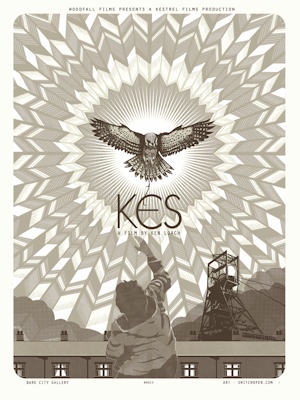
Official KES film poster
I was the kid who got my parents into trouble during my last year at primary school by writing a review of The Matrix as homework. (My embarrassed father had to explain to my concerned English teacher that he’d watched the 15-rated video with me and would have stopped it if he’d felt it seriously inappropriate!) When I was 10 my taste in film was science fiction, fantasy and horror. Especially horror. Period. Social realism? Why bother when you can look out of the window?
It was another English teacher who, about a year later, recommended Barry Hines’s novel A Kestrel for a Knave to me (I was a precocious reader.) At the time, I didn’t realise that it was the book on which our legendary local film had been faithfully based but, my taste in literature being broader than my taste in film, I gave it a go.
I recall my avid reading in two sittings over that weekend. I was enthralled. Of course the local angle and my own love of wildlife helped, but what hooked me was the characterization of Billy Casper, the downtrodden 15-year-old protagonist whose life is transformed when he plucks a fledgling kestrel from its nest, nurtures and then trains it to fly trustingly back to him.
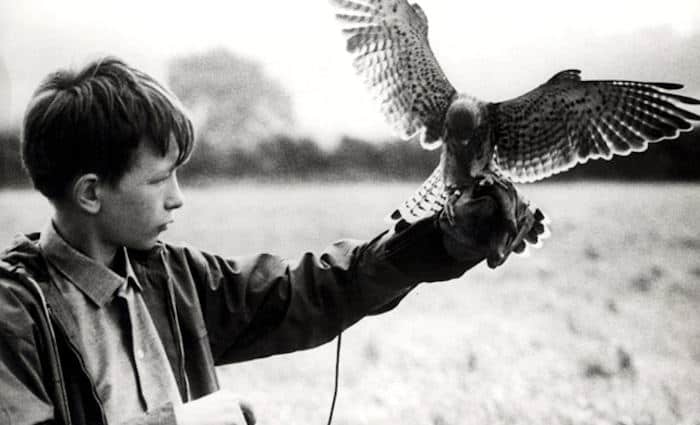
Scene from Kes
That’s what prompted me to hire the film on VHS from our local video shop. (I’m beginning to feel my age now…) It didn’t quite change my life, but it opened a whole new dimension of cinema to me. I’d found it hard to imagine a film more powerful than The Matrix, but this was in a different league.
It was the pedestrian realism that drew you in, as though you were watching a piece of vintage documentary. Of course, you knew you weren’t, but for the purposes of entertainment, that was irrelevant.
David Bradley
Yet was it entertainment? The insight into the characters was breathtaking; the acting was – well, I could hardly believe that they were acting; but my abiding memory is having to pause the video in the last ten minutes, take a deep breath, go and get a Coke from the fridge and remind myself that it was just a film. Even though I’d read the book and knew what was going to happen, seeing it brought to life so starkly was all too much. Traumatic isn’t too strong a word.
The Matrix has long since dropped out of my top 10 favorite movies, but Kes (alongside Withnail & I and The Fire That Burns, both of which I discovered shortly afterwards) hovers consistently among my top three. (My parents advised me that neither of the others would be a wise choice for future school review projects!)
Scene from Kes
It’s hard to define what made Kes so striking and realistic. No doubt it was a labor of love for Barry Hines, who wrote the novel and screenplay. His younger brother Richard, though no knave himself, had “adopted” and trained a falcon (named “Kessy”) when they were children. Barry grew up to teach at a secondary modern school in Barnsley, on which he based the school in the story. There he balked at the harsh discipline and poor standard of education on offer to pupils who had failed the 11+ examination. A Kestrel for a Knave is a novel with a heartfelt social message: one which Hines managed to convey through his skill as a natural storyteller rather than through preachy political rhetoric.
Director Ken Loach is also a man guided by social principle. An avowed socialist and campaigner for justice and equal opportunity, he, like Hines, uses creative skills to convey his message to great effect. Barry Hines’s screenplay was in capable hands here.
Kes – Original trailer
But when it comes to films, writers and directors can only be as good as their performers, and it’s the cast who were charged with bringing Kes to life. Loach and Hines decided to go for authenticity over polish and finesse. They wanted Yorkshire folk who could act, rather than actors who could play Yorkshire folk. And, by golly, they found them!
It’s not quite true, as is sometimes claimed, that the cast was comprised of unknowns. Colin Welland, who played Billy’s only sympathetic teacher, Mr Farthing, was a regular actor in the popular BBC TV cop drama series Z Cars. (He also went on to win an Oscar in 1982 for his screenplay, Chariots of Fire, but I digress…) Lynn Perrie, who (so wonderfully!) played Billy’s mother, was an established cabaret singer who had a number of television credits to her name. Stand-up comedian Bill Dean made a cameo as the chip shop proprietor. And Brian Glover, who made his acting début as the puerile bully of a PE teacher, was already well-known as a professional wrestler.
The cast were, nevertheless, selected for their life-experience and raw ability rather than reputation. David Bradley really was a working-class Barnsley lad who’d failed the 11+. Having made a minor name for himself locally through school dramatic productions, he auditioned for the role of Billy Casper hoping to get into acting as an alternative to becoming a miner. Bob Bowes, the irascible headmaster Mr Gryce, was a secondary school principal in real life (though reputedly a kind and popular one.) And Colin Welland had been a schoolteacher before becoming a professional actor.
Poster
No one knows the recipe for a truly moving film. The best laid plans for great cinema have turned out tacky, and the most unlikely ideas, like this one, have produced timeless gems. Kes is in many ways a brutal film, both in narration and production. David Bradley really was delivered a cruel blow to the head in the changing room; the kids really were shivering on a muddy field during the football match; the boys really were caned in the infamous headmaster’s study scene. And [spoiler alert] young David’s anger and distress in the closing scenes was genuine: he’d been told that the dead kestrel was one of the two with which he’d bonded during the production and had been killed for the purpose. It wasn’t, of course – they used a hawk that had died from natural causes, and Bradley has said in interviews since that he didn’t really believe what he’d been told. Watching the scene again now, though, I don’t believe that he was entirely sure.
Yet Kes also oozes humanity and compassion. Its social message is manifest without being in yer face. The story is enchanting. The acting is first-rate. It is, quite simply, a cinematic masterpiece.
http://www.imdb.com/title/tt0064541/combined
Kes (1969)
Summary
An enchanting story with first-rate acting that is, quite simply, a cinematic masterpiece.
While fantasy and imagination inspire many stories, when it comes to the Coming-of-Age genre it’s often real life events that result in the most poignant films. It is not rare that the viewer senses the personal connection and importance of the characters and happenings to the filmmakers and, when the storytelling is good, those characters and happenings achieve similar feelings in those to whom the story is being told.
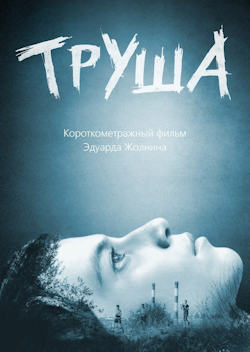
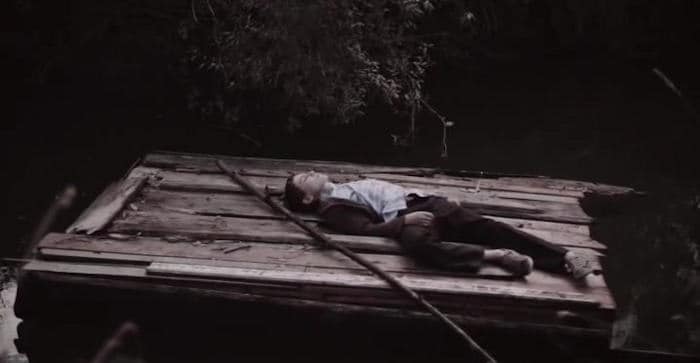
That’s probably why Eduard Zholnin‘s 2005 short film Trusha, about a childhood friend of the author (Eduard Zholnin wrote and directed the film), feels so authentic. It’s a moving portrayal of the fight for dignity of ten-year-old Vanya Trukhina (Daniel Schifrin), growing up in a Russian orphanage. Reflecting on past events, the filmmaker opted to choose a child narrator, which further boosts the story’s impact on the viewer.
“Everyone called him Trushin – the loony, the thief, the freak …but for me he was just Trusha”
Vanya Trukhina (Daniel Schifrin)
The identity of the narrator doesn’t become clear until the final scenes when he becomes known to the viewer. Some of the issues that the story focuses on besides a fight for dignity and friendship are loneliness and helplessness, which serve as a reminder that real-life stories do not always end up with a “happily ever after”. Despite that approach, the filmmakers made sure not to completely leave magic out of the narrative. Beautiful camerawork, editing and a great musical score gives an almost poetic feel to many of the film’s scenes — creating a magical realism out of everyday situations and subjects – such as an apple tree or falling rain.
Only the ending could possibly disappoint some viewers, especially those looking for an added layer of a more dramatic finale (myself among them). But all-in-all Trusha is a wonderful short film well deserving of being discovered and appreciated.
http://www.imdb.com/title/tt6051038/combined
Trusha (2015)
Summary
Beautiful camerawork, editing and a great musical score create a magical realism out of everyday situations and subjects, making Trusha a wonderful short film well deserving of being discovered and appreciated.
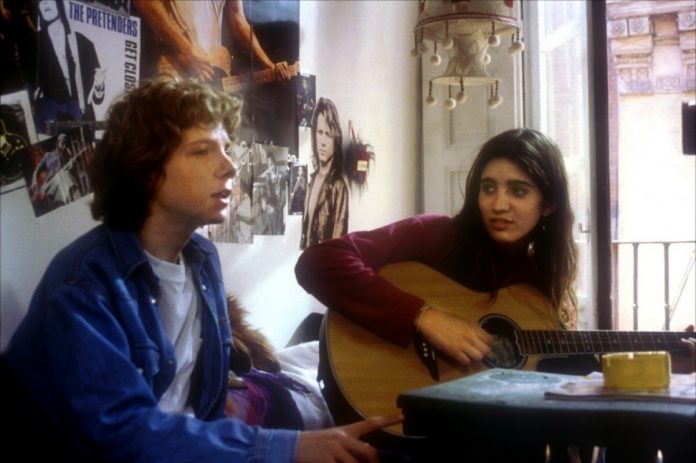
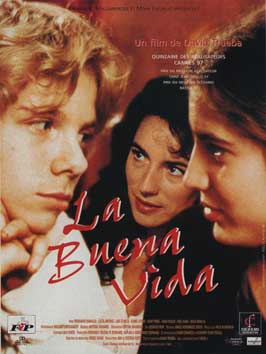
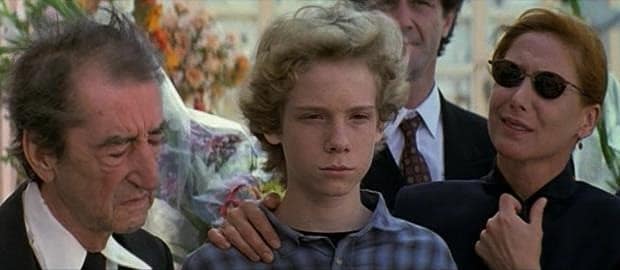
In David Trueba‘s 1996 movie The Good Life, 14-year-old Tristan (Fernando Ramallo) is forced to fend for himself and his grandfather after his parents die tragically in a traffic accident. Often listed as a comedy due to the comical scenes juxtaposing reality and Tristan’s dream world, the film impresses with its first person narration that allows the viewer to grasp the intriguing, yet confusing, inner world of the young protagonist.
Although the story acquires a melancholic nuance as it develops, it never falls into clichés and it is that unorthodoxness that makes it likely to add to the delight of the viewer. Some scenes, thoughts or actions of the young hero may shock people with puritanical minds (thanks to the overall almodóvarian characterization of personages). And, while few people would be able to directly relate to his experiences, their nature per se is universal for the Coming-of-Age period of everyone’s life and no one makes the wisest choices all the time.
Fernando Ramallo as Tristan in The Good Life
Undoubtedly, the fate of the young Tristan is an unfortunate one. Yet, he never gives up, or falls into depression, or loses determination to become a man – a man of whom his parents would have been proud.
The Good Life is not an exceptional film per se, but the combination of drama, comedy and strong Coming-of-Age nuances makes it a pleasant film that I don’t hesitate recommending.
http://www.imdb.com/title/tt0115772/
The Good Life (1996)
SUMMARY
A film with a combination of drama, comedy and strong Coming-of-Age nuances that makes it a pleasant film to view.
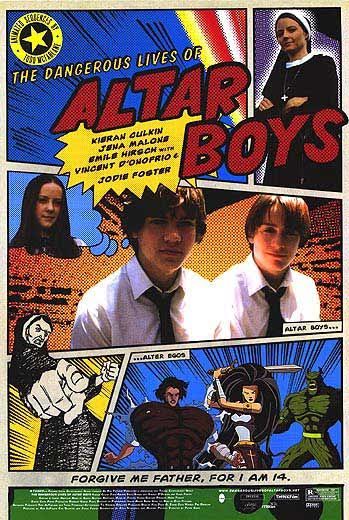
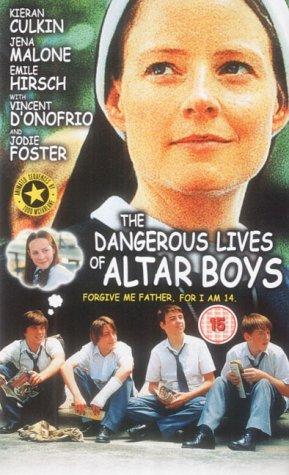
It’s been 15 years since the release of TDLOAB (as it was fondly referred to at the time) and the movie is still a joy to watch.
The story is about what fourteen-year-olds do when they rebel against authority and religion.
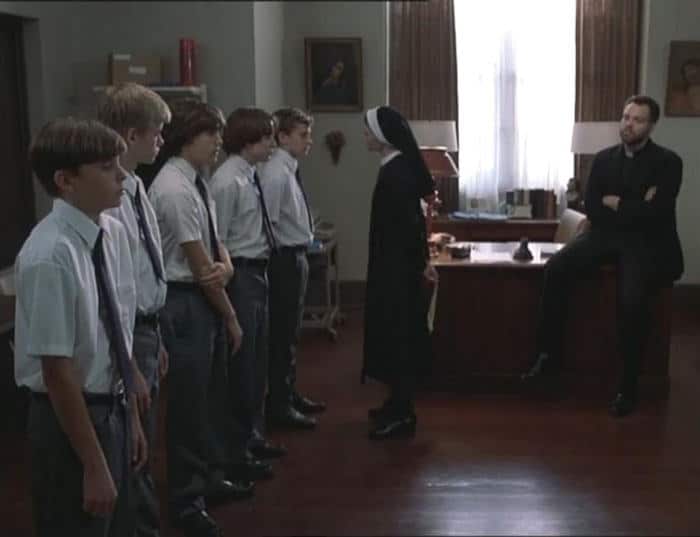
Set at St. Agatha’s Catholic School somewhere in America during the 1970s, a group of adolescent students create an obscene comic book entitled ‘The Atomic Trinity’ as an antidote against the strict order of the parish.
The adventurous teenagers also love to play pranks. No surprise here. They do it for effect, and most of the time they get away with it. Until they don’t.
As you watch the progression of events in TDLOAB, three parallel themes unfold.
First, there is the group of fourteen-year-old boys lead by Francis Doyle (Emile Hirsch) and Tim Sullivan (Kieran Culkin). Sister Assumpta (Jodie Foster) represents the authority figure that provokes these boys into action. She claims to have their best interests at heart, but lacks insight into the world of adolescent boys.
Father Casey (Vincent D’Onofrio) is just a priest. Scarcely aware of his surroundings, his innocuous character reminds us that it is the norm of society to live predictable lives. Teenagers, on the other hand, play in uncharted territory with unfamiliar toys and untested methods. They tend to live dangerous lives.
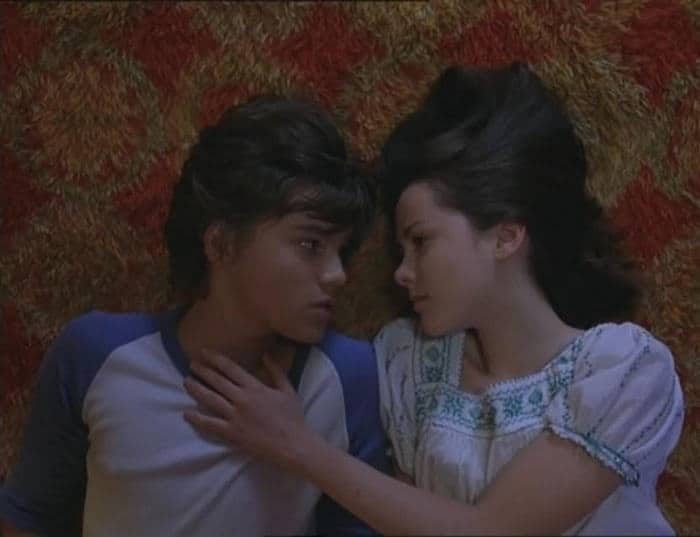
The second theme is a love story. It develops around a budding relationship between Francis Doyle and Margie Flynn (Jena Malone). Francis is a romantic artist with a regular family, but Margie has a dark secret soon shared between the boys. It comes as such a shock that the teenagers don’t know what to do with this information.
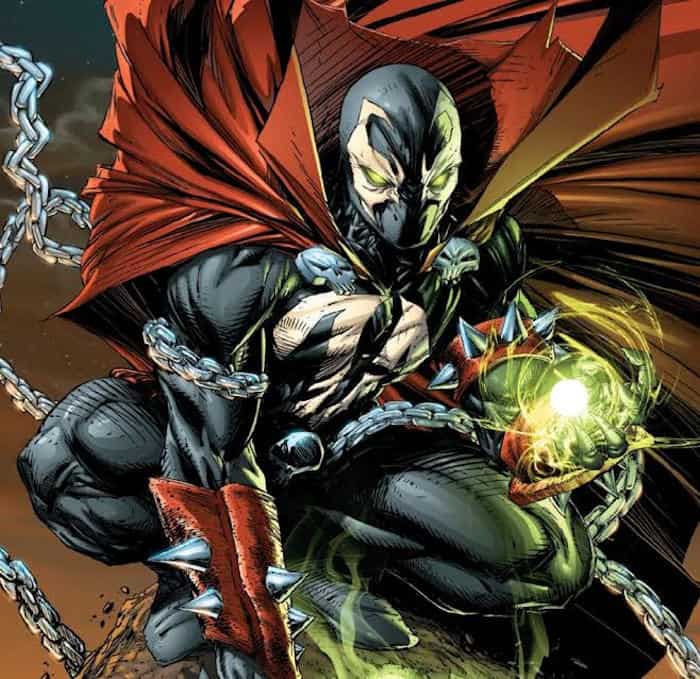
The third theme is a symbolic representation of the first two themes. An imaginary world of comic book characters, representing good and evil, is animated on the screen with dramatic effect, as events seamlessly transition between reality and Francis Doyle’s artistic imagination.
TDLOAB is a character-driven story delivered by an exceptionally talented cast. Although the story is mostly seen from Francis Doyle’s point of view, the spotlight is on the overall action and no character in particular.
Director Peter Care puts his experience with music videos to good use by keeping scenes short and interesting. This is, after all, a film about teenagers who are not known for their patience.
The Atomic Trinity music performed by Josh Homme perfectly complements the animation sequences produced by Todd McFarlane (creator of Spawn). Except for three songs, the entire score is original music composed by Marco Beltrami (The Wolverine).
Overall, The Dangerous Lives Of Altar Boys is a good piece. The animation stands out as the real achievement of this entertaining film that engages to the very end.
Viewing discretion is advised since the subject material includes reckless adolescent behavior and mature content.
http://www.imdb.com/title/tt0238924/
The Dangerous Lives of Altar Boys (2002)
SUMMARY
A character driven story delivered by an exceptionally talented cast.

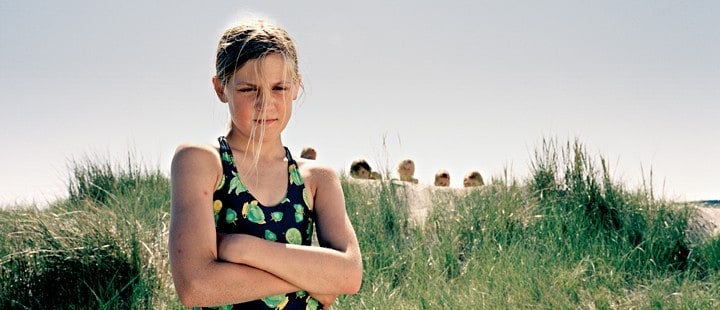
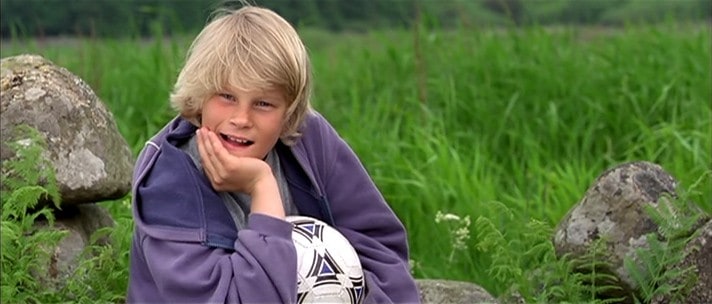
 Norwegian filmmaking style in portraying youth stories is present in The Color of Milk: brightly lit scenes, an abundance of close-ups, vivid colors, and an intriguing way of portraying childhood in a manner that is simply pretty to look at. The perception of the romance in some scenes is boosted by quiet piano music, which characterizes the film’s musical score.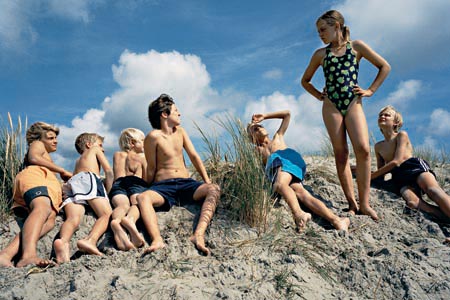
 Have you ever owned a pet chicken?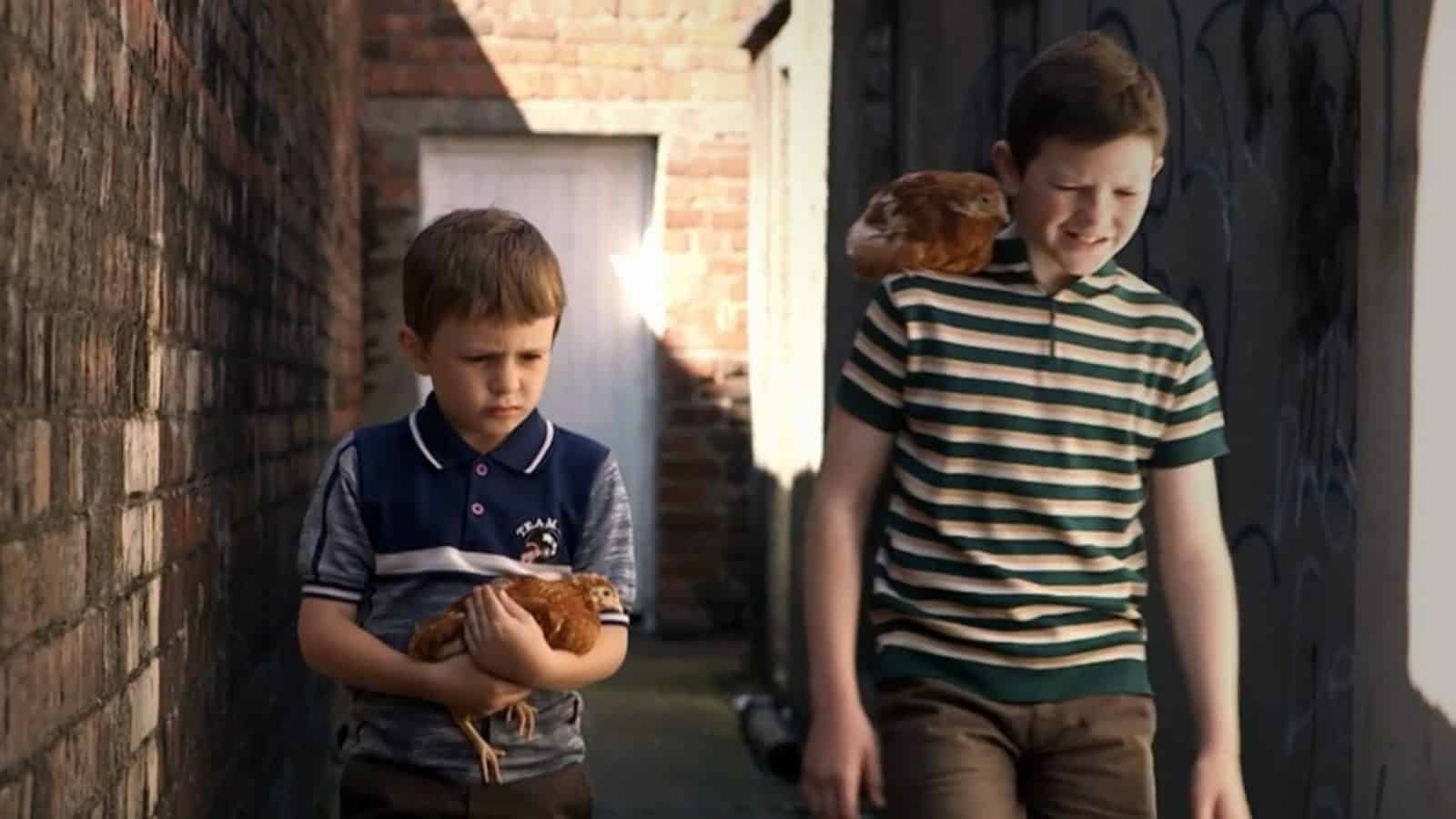
 Based on a real story, the 2016 film by Kai Wessel, Fog in August, is a powerful Coming-of-Age drama exposing one of the horrible crimes of the Nazi regime and its inhumanity, as told through the eyes of a young boy.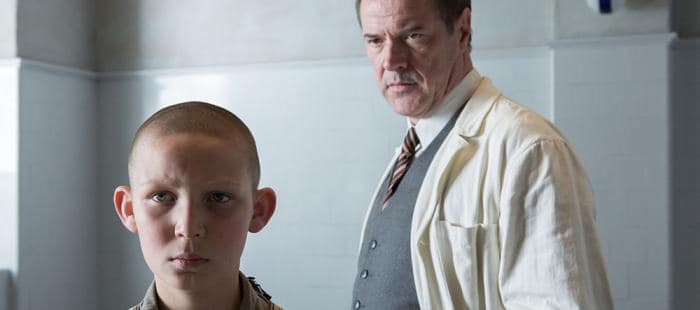
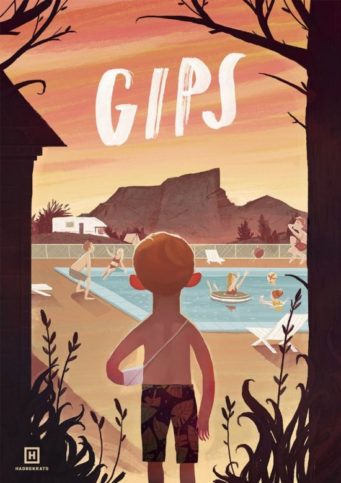 Summer is fast approaching and few things are as refreshing as a little short film with an adorable Coming-of-Age story. Luckily director Jeroen Houben offers just the right one with his 2015 Gips(Plaster – International English title) .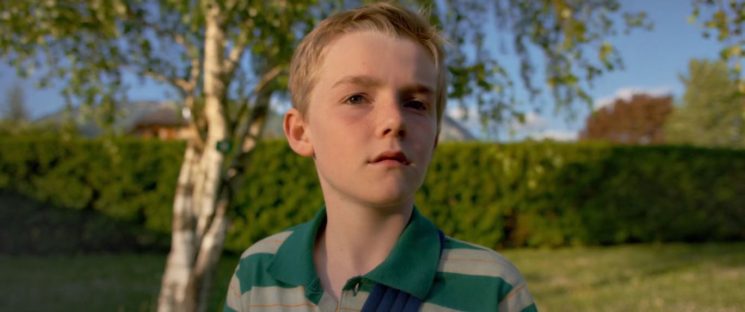
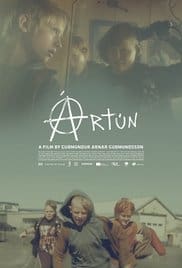 Ártún (2014) is the fourth Coming-of-Age film from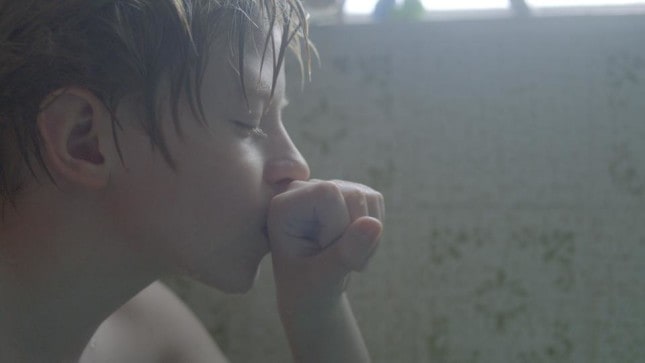

 I used to assume that everyone has seen Kes. It won BAFTAs for 14-year-old David Bradley (Most Promising Newcomer) and Colin Welland (Best Supporting Actor.) It’s listed in the British Film Institute’s Top 10 Greatest Films of the 20th Century. It maintains a 100% “fresh” rating on Rotten Tomatoes. The promotional poster of a disaffected teen raising two fingers to the world is surely one of the most iconic ever.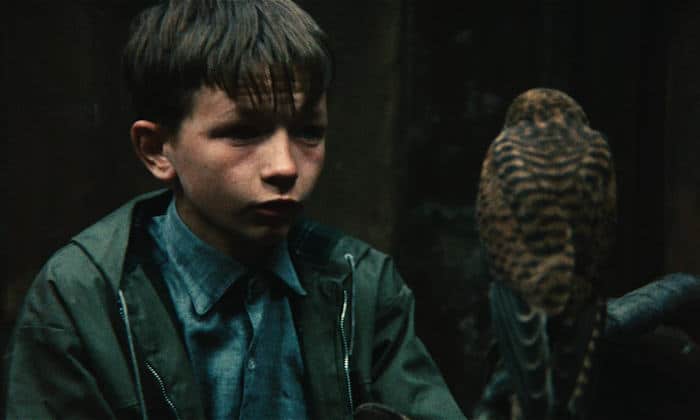
 The cast were, nevertheless, selected for their life-experience and raw ability rather than reputation. David Bradley really was a working-class Barnsley lad who’d failed the 11+. Having made a minor name for himself locally through school dramatic productions, he auditioned for the role of Billy Casper hoping to get into acting as an alternative to becoming a miner. Bob Bowes, the irascible headmaster Mr Gryce, was a secondary school principal in real life (though reputedly a kind and popular one.) And Colin Welland had been a schoolteacher before becoming a professional actor.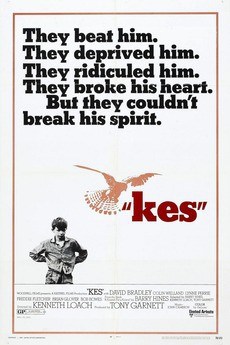
 In David Trueba‘s 1996 movie The Good Life, 14-year-old Tristan (Fernando Ramallo) is forced to fend for himself and his grandfather after his parents die tragically in a traffic accident. Often listed as a comedy due to the comical scenes juxtaposing reality and Tristan’s dream world, the film impresses with its first person narration that allows the viewer to grasp the intriguing, yet confusing, inner world of the young protagonist.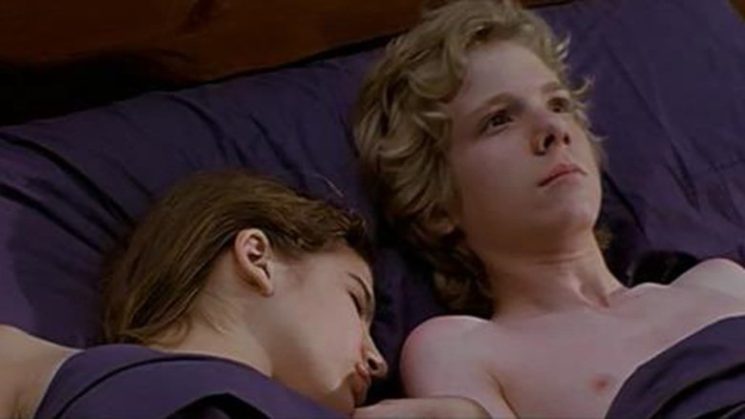
 “Forgive me Father, for I am fourteen”