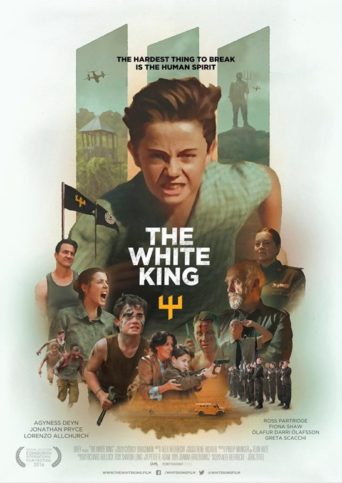
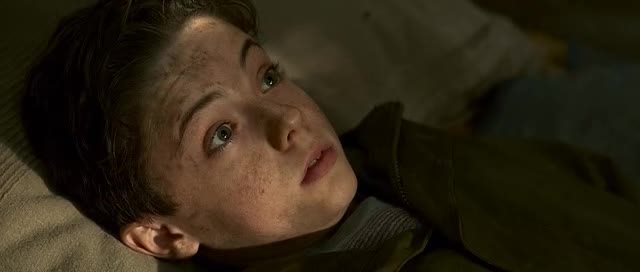
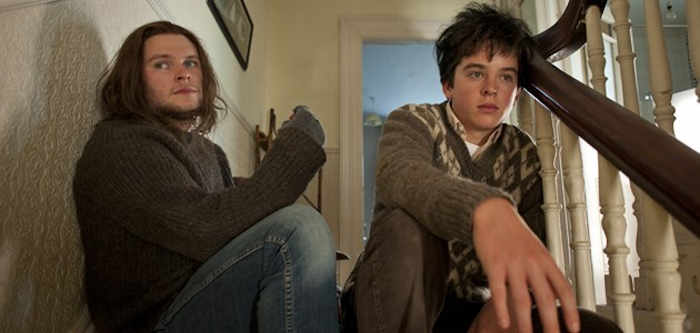
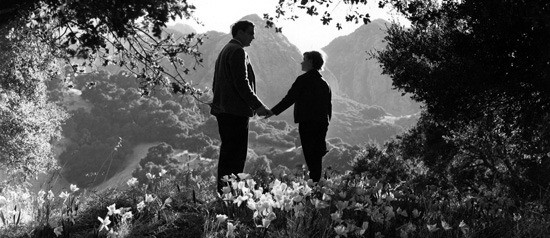
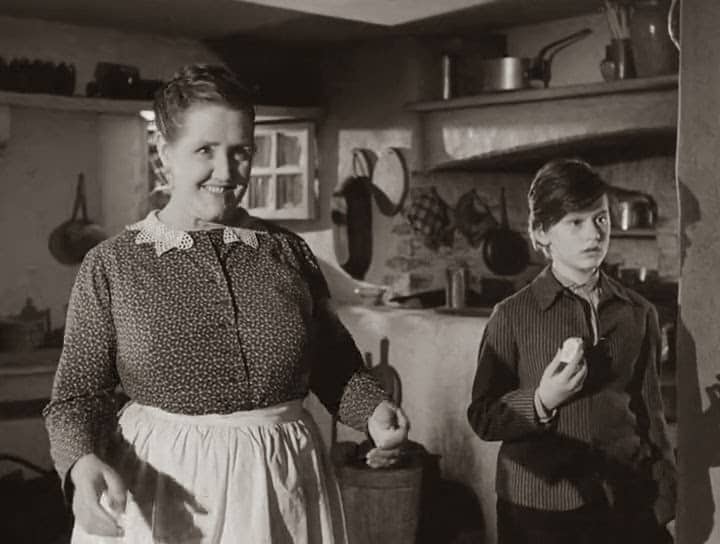
 The art work for the 2016 British sci-fi drama, The White King, and its narrative focusing on a 12-year-old struggling to come of age under a brutal dictatorship (think an extreme form of Totalitarianism) are enough to pique anyone’s interest and raise expectations of a thrilling Coming-of-Age drama. Sadly, the film never achieves its potential and hardly succeeds in anything. In fact, it’s vague, ideological propaganda not much better than the one it tries to portray.
The White King is based on a novel by György Dragomán and, while I haven’t read it, I’m positive that the unconvincing storytelling in the film is caused by an incompetent adaptation. If that is the case, I hope that whoever works on the adaptation of The Shadow Children series by Margaret Peterson Haddix will do a much better job.
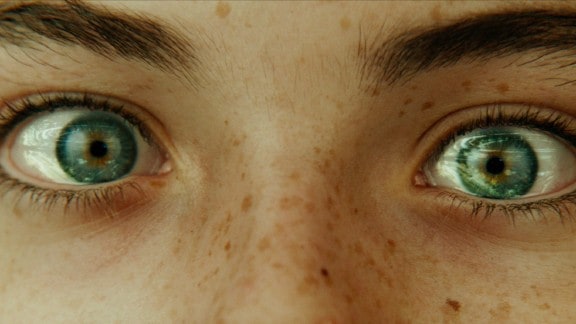
Usually, when reviewing a movie, I focus on its positive aspects to convince people as to why they should invest their time in watching it. With The White Kid, except for some good scenes saved by the close-up shots of Djata’s eyes (the main protagonist) and the overall capable acting of the actor who portrays him, Lorenzo Allchurch, there is little to mention on the positive side. However, when describing why the film doesn’t work, the list of reasons is rather large.
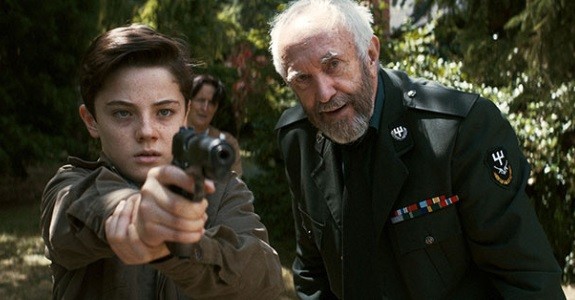
Starting with its restricted, limited and a bit forced sets – like in a bad theatrical play one is constantly aware that the filmmakers are trying hard to portray a dystopian world, much like the one of George Orwell’s 1984. Maybe it was budget limitations that restricted the choice of locations, but even that can’t excuse the forced exposition. Yet we do understand the restrictive nature of the world in which the 12-year-old Djata is to grow up, but not much else.
Another issue with the film is the clear lack of focus in both narration and characterization. Based upon the film’s advertising poster, one keeps hoping that the story will turn into a dynamic exploration of the way a totalitarian regime affects its young protagonist and his struggle against it, but that never happens. As a result, one never really cares truthfully for the hero’s fate – an empathy achieved in the similarly themed Macedonian production by Ivo Trajkov, Golemata Voda.
Unfortunately, the ending is every bit as weak as the rest of the film. With all of the above being considered, I can’t recommend this film. If anti-totalitarian doctrine intrigues you, more original and authentic stories are to be found in movies from East European countries such as Bulgaria, Romania and Serbia. Somehow Western directors miss the whole point, as was also the case with Paul Feig‘s 2003 film I Am David.
http://www.imdb.com/title/tt4211312/combined
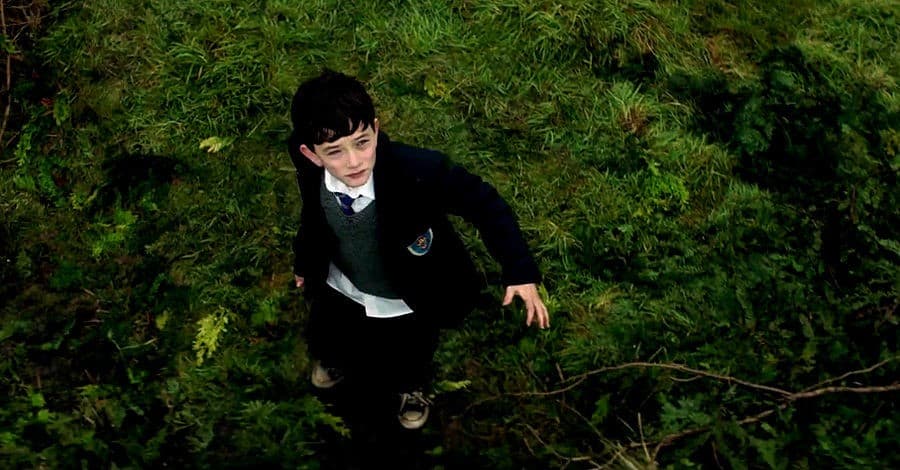
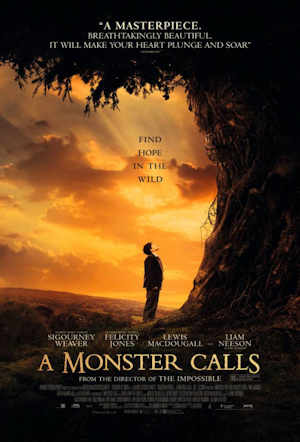 Some films receive such overwhelming praise when released that reviewing them always puts the reviewer in danger of conforming to popular beliefs, losing a bit of the critical take in the process. Such is the case with the latest film from director J.A. Bayona, A Monster Calls.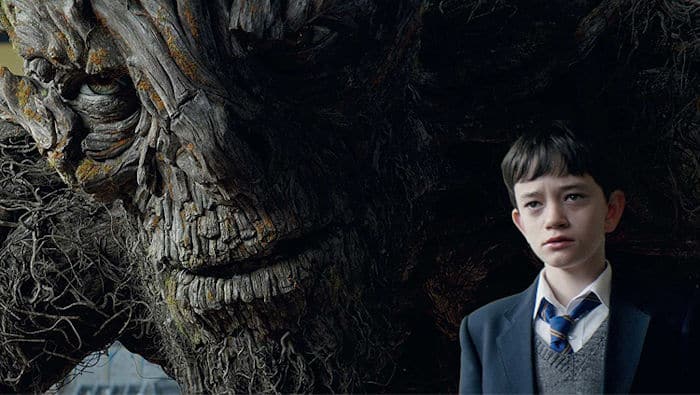
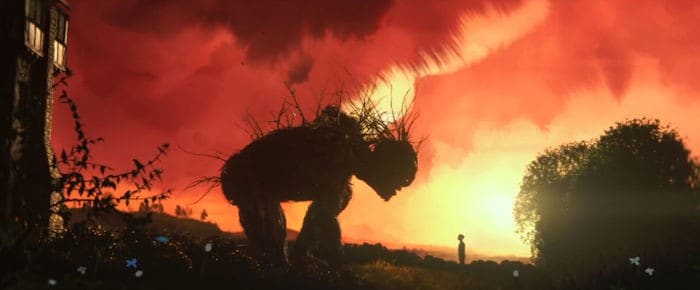
 “Miracles do happen. Don’t they?”
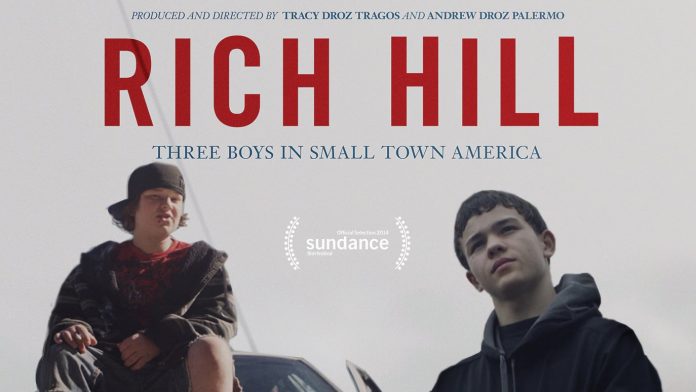
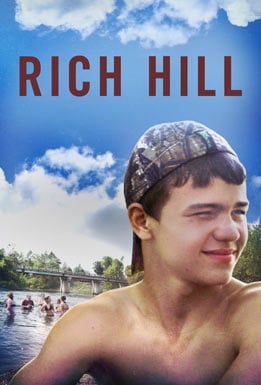 When I was growing up, America was this dreamland that everyone talked of in awe. The movies had convinced people in other countries that all the girls are beautiful there, all the people rich, all the cars fast … an idealization that we all bought as intended.
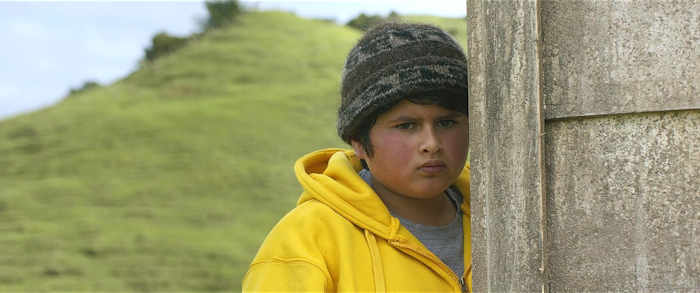
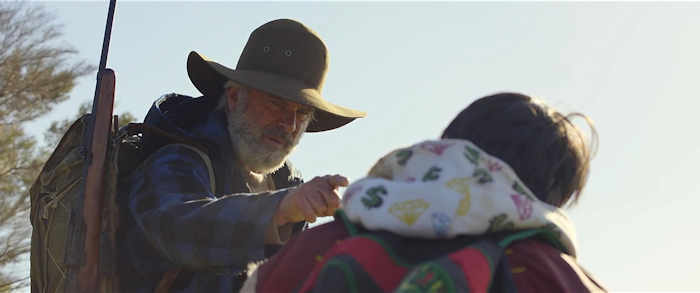
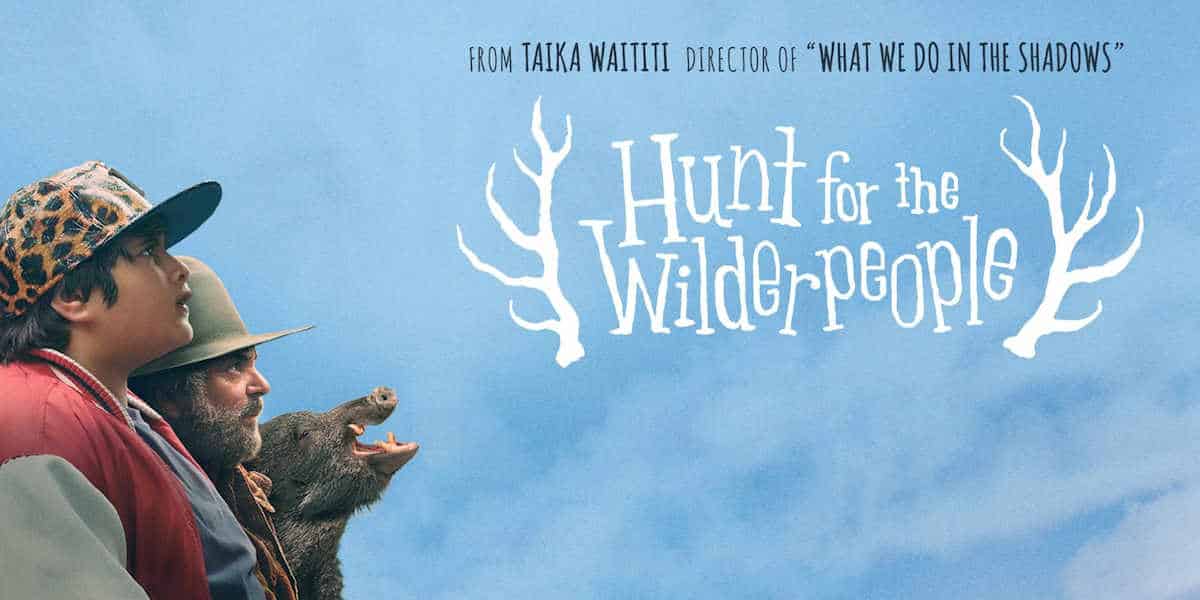
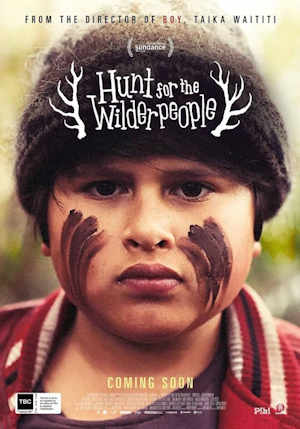 Hunt for the Wilderpeople (2016) is a touching Coming-of-Age adventure/comedy that follows the development of a friendship between a grumpy old man and a naive ten-year-old boy. When they disappear into the wild New Zealand bush, a national man-hunt is launched to find them.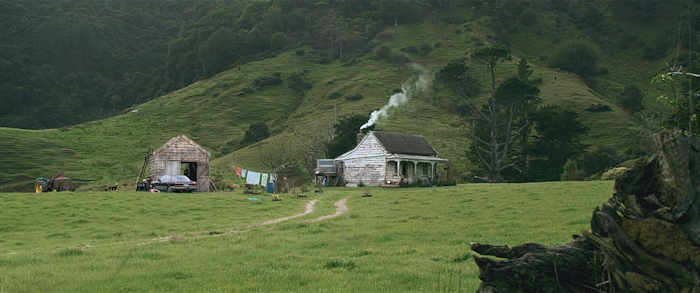
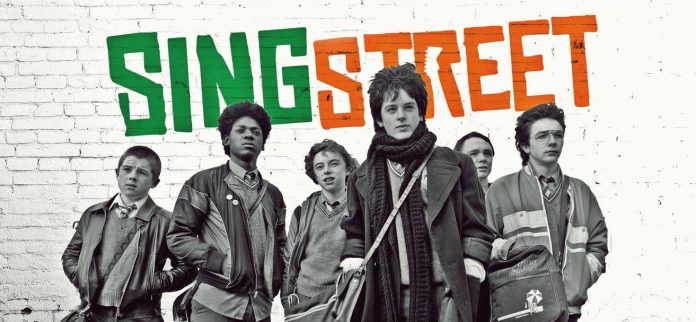
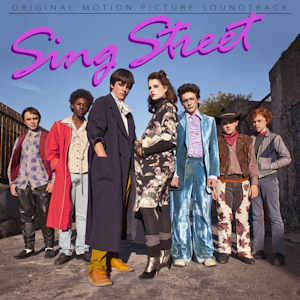
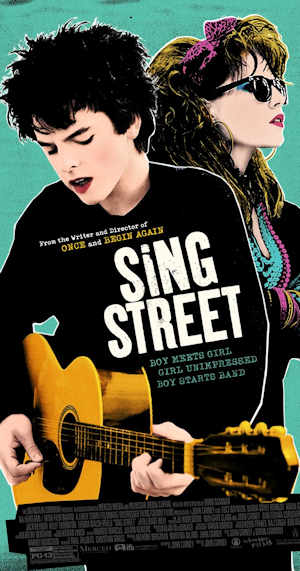 “…there is nothing as bad in this world as bad music.”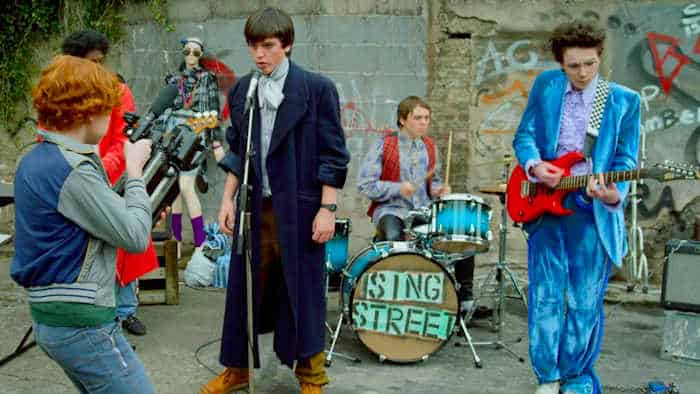
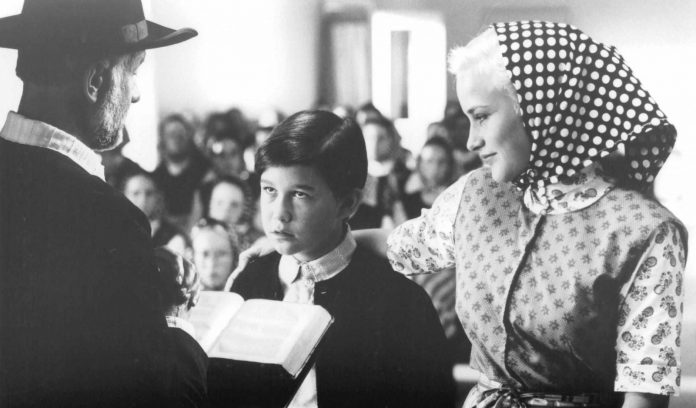
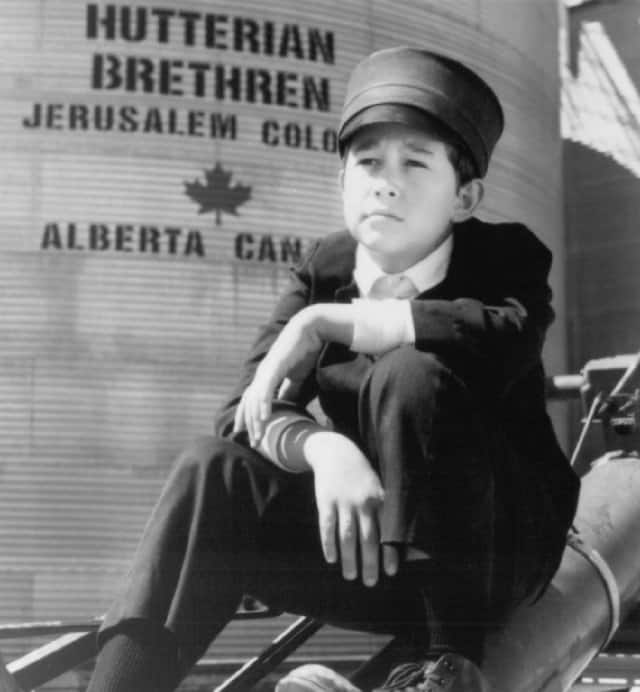
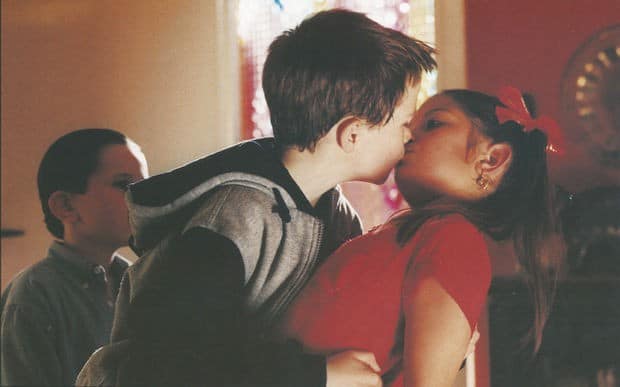
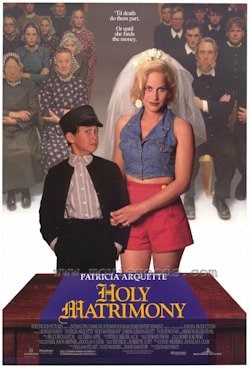 A comedy with Coming-of-Age motifs thrown in, Leonard Nimoy‘s 1994 film Holy Matrimony tells the witty story of a beautiful yet manipulative and dishonest Havana (Patricia Arquette), who robs a country fair alongside her boyfriend (ala Bonnie and Clyde).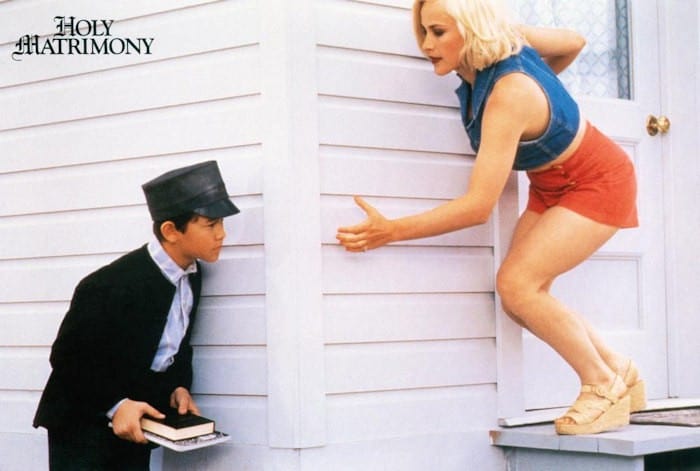
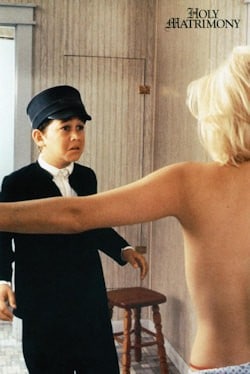 When it comes to the Coming-of-Age values integrated into the plot, one must be aware that the young protagonist (Ezekiel) is a supporting one, and we are introduced to him rather late, considering the overall duration of the story. Yet his character is a dynamic one and, by the end of the film, one can truly appreciate the changes it undergoes as the result of his encounters and experiences. Even in a supporting role, the film is as much about him as about Havana.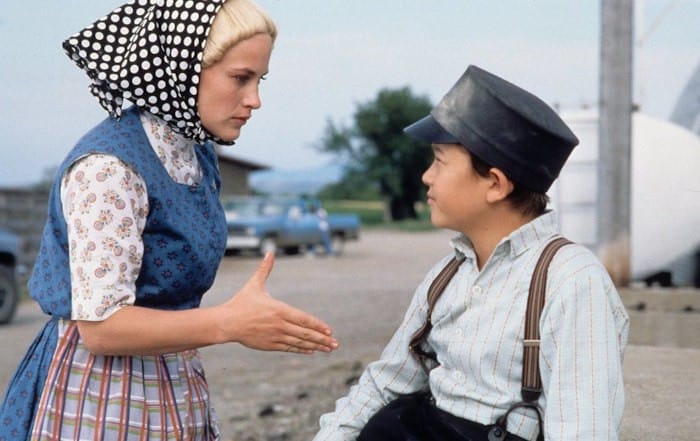
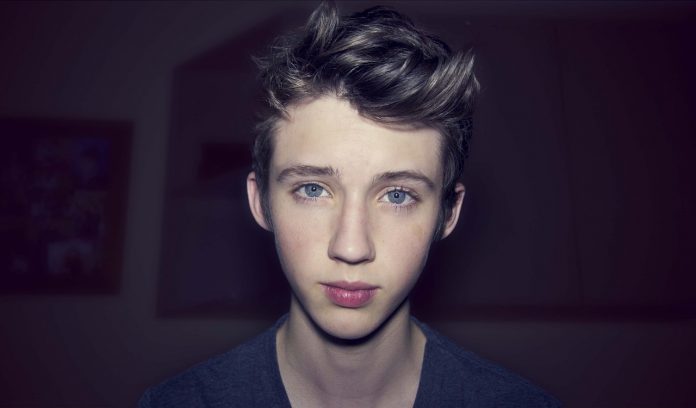
 South African-born Australian singer, songwriter and actor
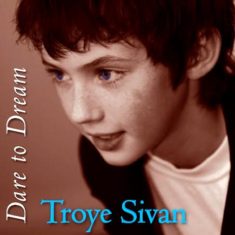 On Aug 7, 2010 Troye told his family that he’s gay and on Aug 7, 2013 he published a “coming out” vlog on YouTube. The community’s response was overwhelmingly positive.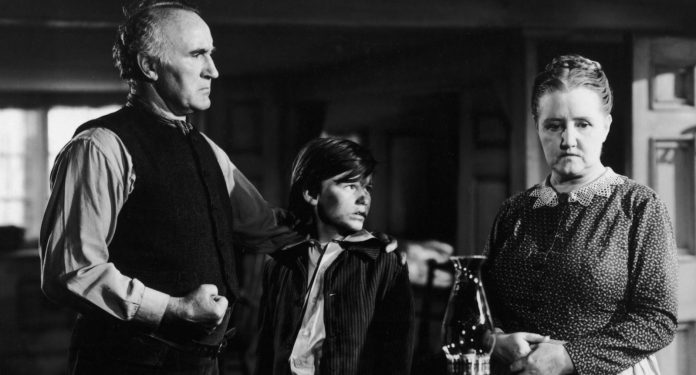


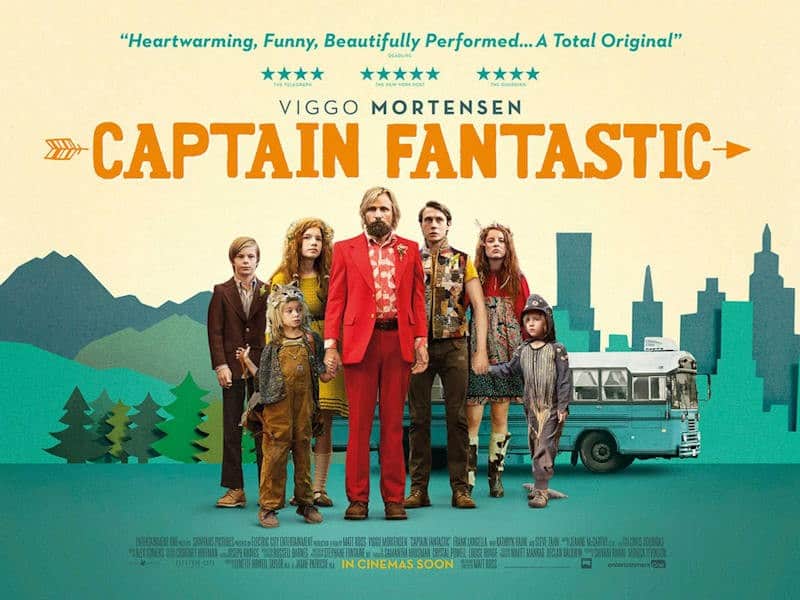
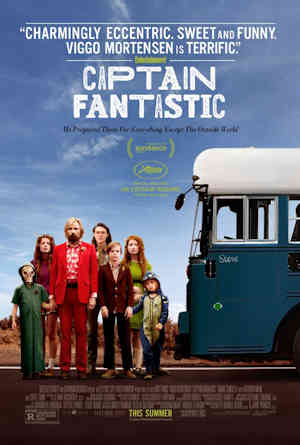 Captain Fantastic is more of a “we inform, you choose” type of production rather than a critique of an alternative lifestyle portrait, by the characters.