Home Blog Page 10

Perfect Obedience (2014)

Attaining perfect obedience? Can this be an honourable goal for anyone? Is a goal worth pursuing?!? …

The Mexican director Luis Urquiza explores various horrid ways to lose one`s innocence, sacrificing the latitude to make one’s own decisions and betray trust.

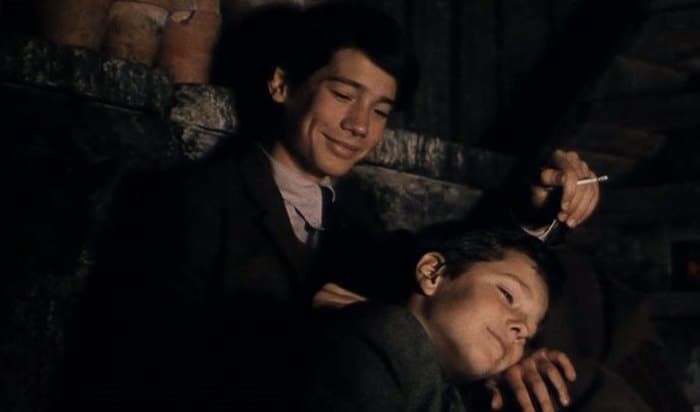
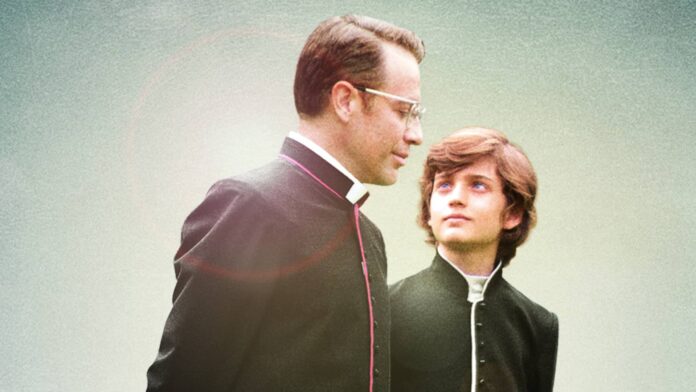
Based on real events, the story in Perfect Obedience focuses on the experiences of 13-year-old Julian (Sebastian Aguirre), who attains attendance at a seminary to prepare him for the priesthood. The first scenes convey a sense of idealism — as if to portray the bliss of childhood, surrounded by people who genially care and love you.

Like in Pedro Almodovar’s 2004 film Bad Education (which also has a similar narrative), the blissful depiction of innocence and happiness is achieved through the use of lighting, attention to details and choice of locations. Immersed in this heavenly atmosphere, the viewer is being prepared for the protagonist’s inevitable loss of his ideal world….
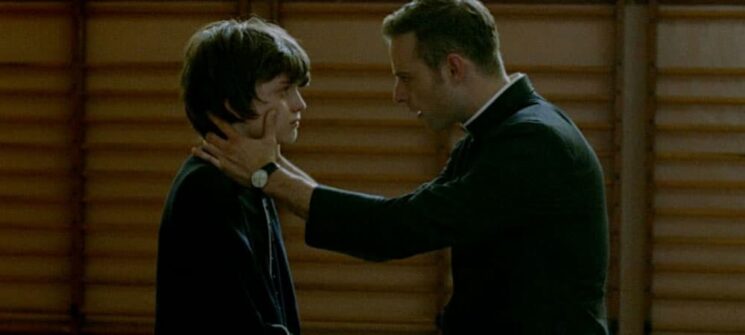
TheSkyKid.com Review: Perfect Obedience Scene

a goal no one should pursue ….

Initially, I was led to believe that the film would be inspirational – like the 1962 film Almost Angels – the difference being that the young protagonist in Perfect Obedience is to become a priest instead of a member of a renowned choir.

Julian joins the seminary and faces challenges common to children facing a change in their lives, such as a new school and new acquaintances – some friendly, others not. That`s life! While separated from the external world, the boys who study for the priesthood have the exact wishes and desires as any other kid, which often leads them into mischief. In this regard, I’m reminded of another film about youth in a religious environment: Peter Care`s The Dangerous Lives of Altar Boys.
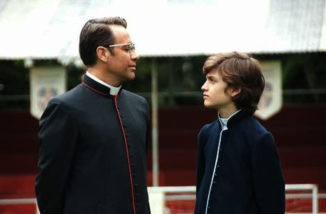
Sebastian Aguirre and Juan Manuel Bernal deliver excellent performances in the leads roles of Perfect Obedience
Sebastian Aguirre and Juan Manuel Bernal deliver excellent performances in the leads roles of Perfect Obedience.

The priests who form the seminary faculty appear ready to offer spiritual help and guidance and teach religion with a passion. They encourage the young boys to be courageous and express themselves freely. Yet, it becomes clear that the ultimate goal of some is to attain the perfect obedience of their pupils.

Even before watching the film, the viewer may become wary of what the term “perfect obedience” means upon seeing the quote from the Bible featured on a poster prominently displayed on the film’s cover. From Matthew 7:15, “Beware of the false teachers–men who come to you in sheep’s fleeces, but beneath that disguise, they are ravenous wolves”.
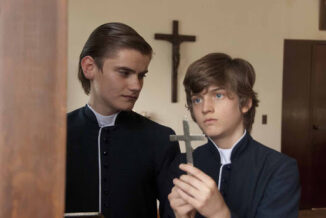
Sebastian Aguirre in the Mexican movie Perfect Obedience

In addition to the beautiful cinematography, one of the best features of this film is its soundtrack, which offers a diverse selection of vibes that accompany the scenes: religious hymns, melancholic piano, Spanish Rock and even a song performed by The Rolling Stones. Add to that the film`s theme – a song that bears much of the responsibility for the sense of uneasiness in the viewers …


Perfect Obedience Trailer

Perfect Obedience is not lacking in clichés in addressing its controversial subject matter. But the film doesn’t make its judgements but instead leaves such moral judgments to the viewer. One doesn’t realise it, but the stronger emotions and reflections on what is shown occur after rather than during the film’s screen time. There is nothing graphically shown in the film but, rather, only implied. The finale, so unlike the typical happy endings of most American productions, ensures that the viewer will become disturbed …yet willing to make a contribution toward change.

While Perfect Obedience is not poignant and heart-wrenching like Aisling Walsh`s 2003 film Song for a Raggy Boy it intrigues enough to keep the viewer’s attention — making use of philosophical and religious thoughts introduced as voice-over narrative. Sebastian Aguirre’s character is present in almost all of the film’s scenes since the story is mainly presented through his eyes – following his loss of innocence on his way to achieving perfect obedience. It’s a goal no one should pursue ….
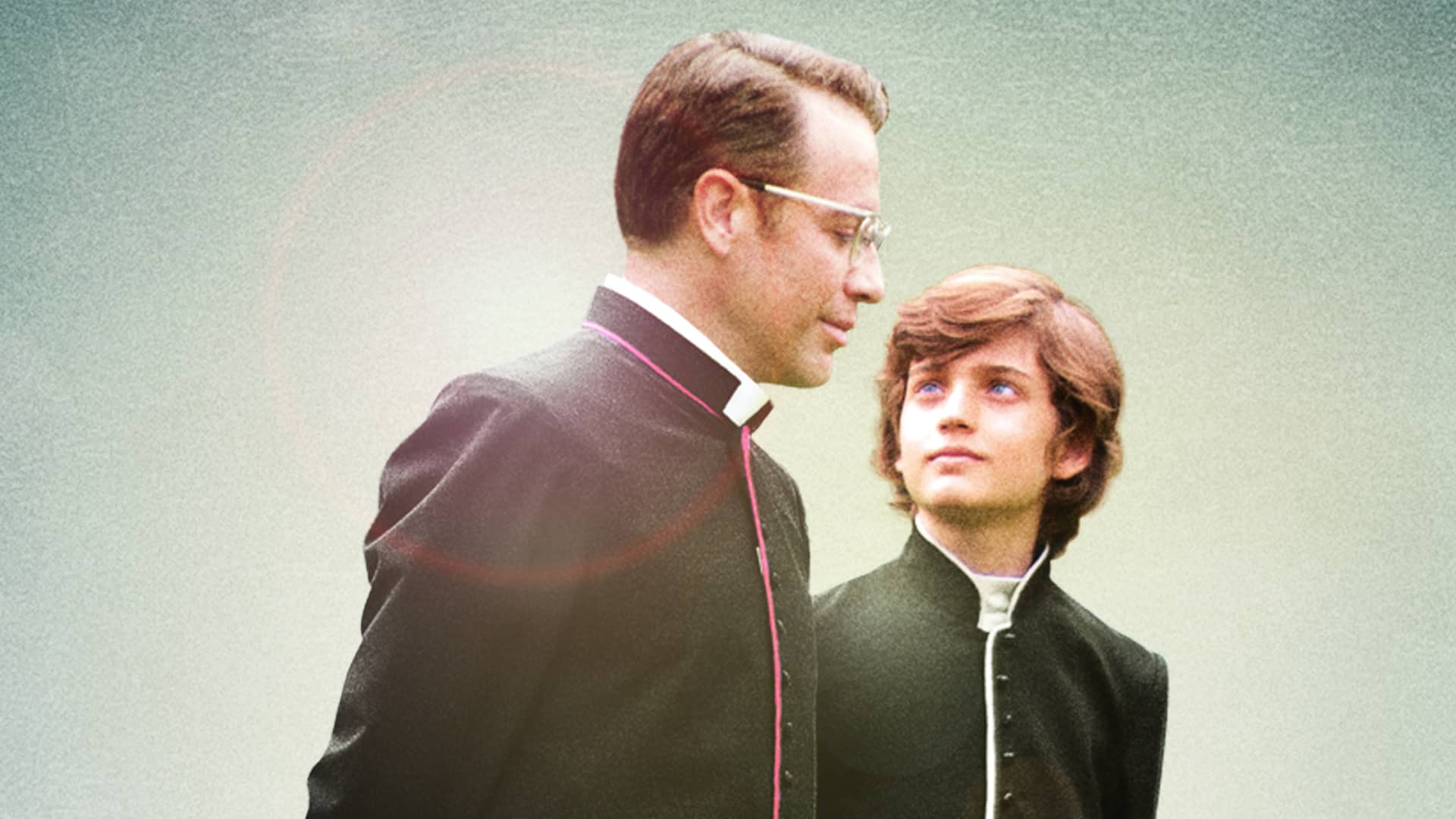
Perfect Obedience (2014)
In short
The story of a 13-year-old boy who attains attendance at a seminary to prepare him for the priesthood.
Character/Acting
Score/Soundtrack
Cinematography
Storyline/Screenplay
Production
Direction
Reader Rating0 Votes
3.2
Our rating
Watch the film for free

Adeus, Pai (1996)

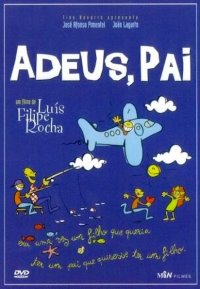
Adeus, Pai (1996) DVD CoverI have seen many Coming-of-Age films. Yet, never have I seen one with such a touching and beautiful story as the 1996 Portuguese drama Adeus, Pai (Farewell, Father). At thirteen years old, Filipe (Jose Afonso Pimentel) feels his father’s absence, who is always busy and never has time to spend with his son.

One night, Felipe’s dreams suddenly come true when his father enters the room and announces that they’re going on vacation– just the two of them.

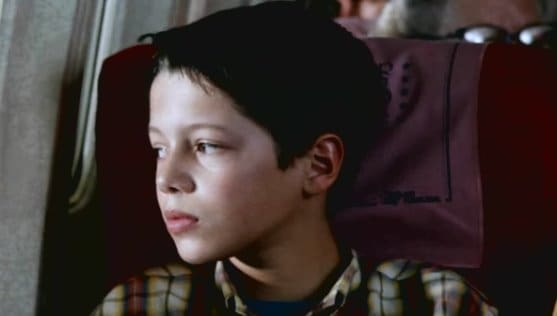
Puzzled but happy, Felipe accepts, and before long, they land on one of the beautiful Azores islands. Soon, it becomes clear that Filipe’s father desires to make up for all those years he deprived his son of his presence. When Felipe gathers the courage to inquire about the surprising vacation, his father confesses that he”…suddenly realized that he had a 13-year-old son that he doesn’t know, that doesn’t know him, and who may need a father “. He also admits that he is ill and doesn’t have much time left to live.

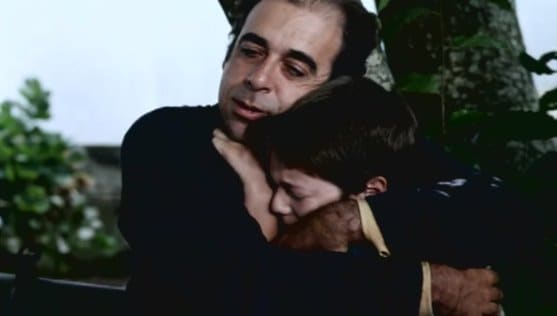
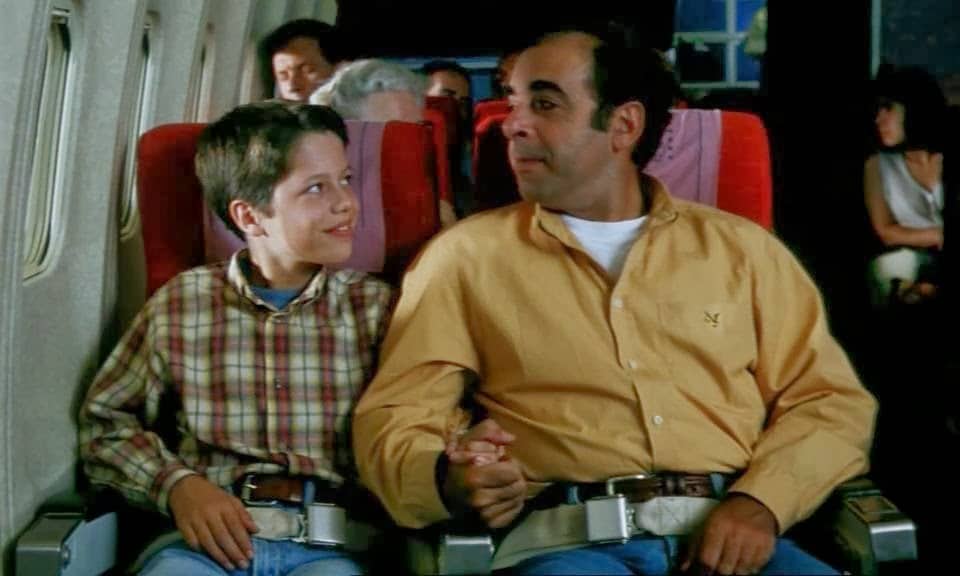
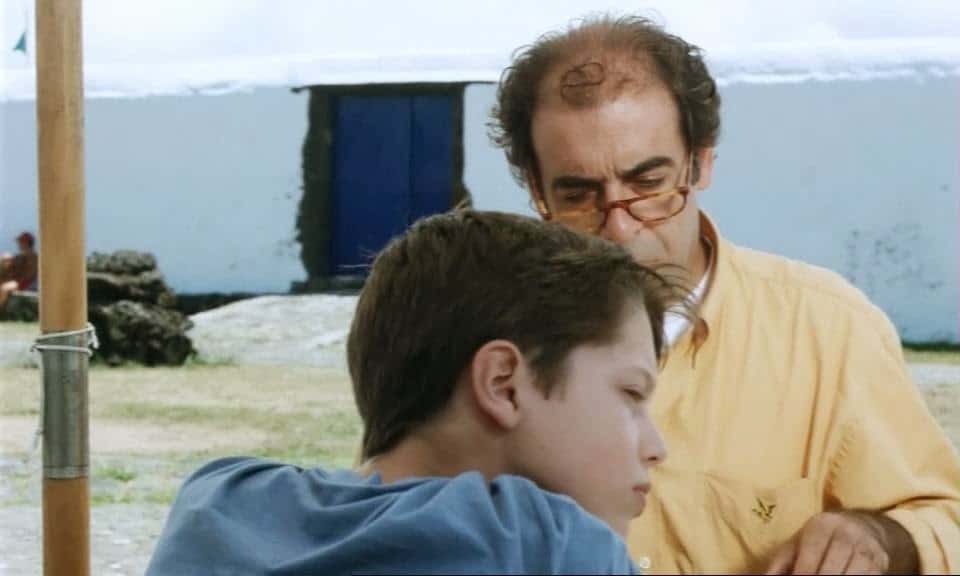
Felipe (Jose Afonso Pimentel) and his Father (Joao Lagarto) in Adeus, Pai (1996)
Felipe (Jose Afonso Pimentel) and his father (Joao Lagarto) in Adeus, Pai

Such developments may induce you to compare Adeus, Pai with the Italian melodramas Incompreso (1966) and The Last Snows of Spring (1973). But while the father-son relationship is present as a pivotal plot element in all of the films, Adeus Pai evokes emotions and thoughts without being overly sentimental or manipulative as are those Italian classics. This Portuguese drama may move you to tears, but it is far from being a tear-jerker.

Father and son devote the rest of their days on the island to making memories and getting to know each other and themselves. The two of them spend a lot of time having honest and sincere discussions, during which Felipe comes to an important realization: “When I knew my father and his life, I understood mine better and the world around me. And when we understand things, we start accepting them.

The closeness of his dad is not the only thing Felipe experiences for the first time on that vacation. He understands what love at first sight means, kisses a girl, and befriends an older boy who teaches him about women and sex — a whole range of Coming-of-Age experiences that many may recall from their own childhoods.

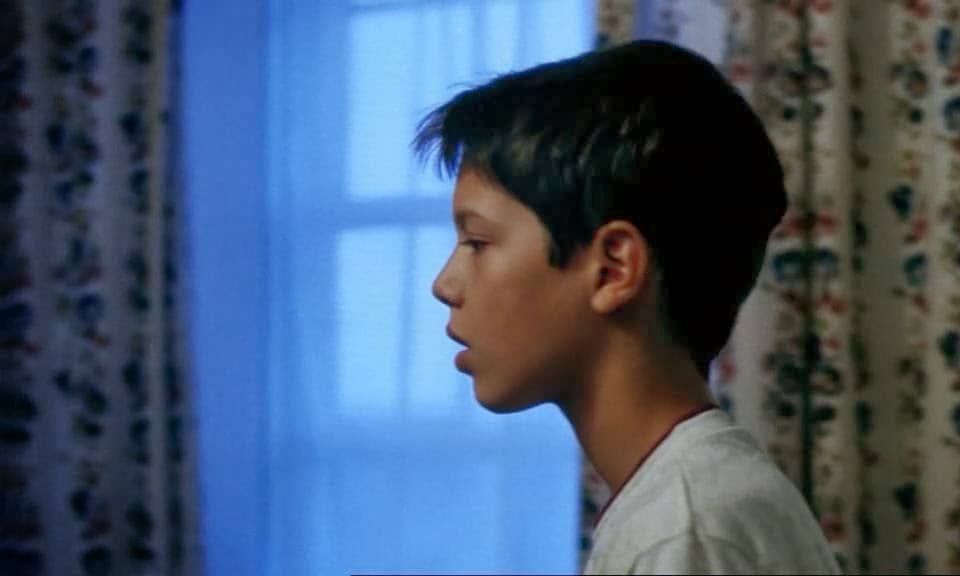
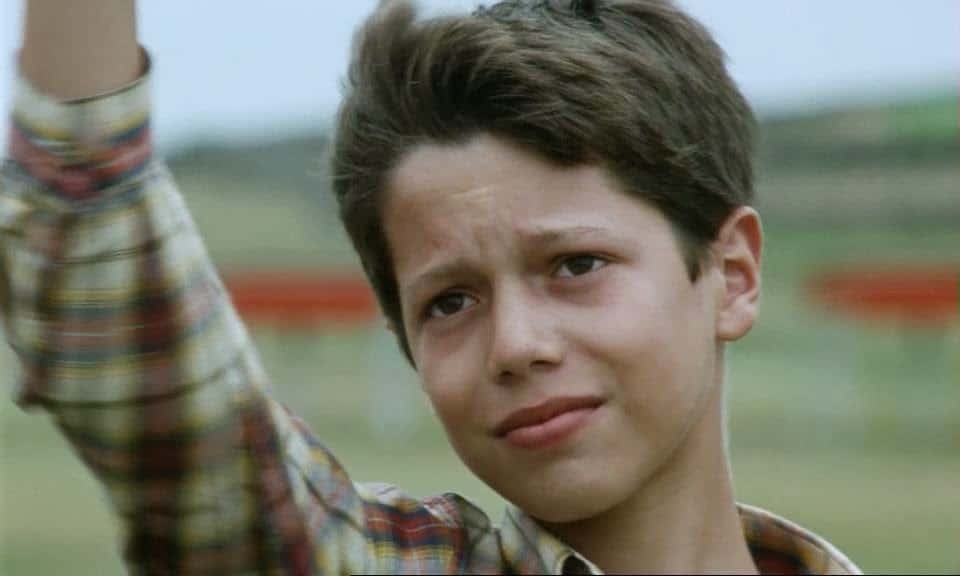
Jose Afonso Pimentel

The voice-over, first-person narrative utilized in the film helps the audience peek into Felipe’s mind and feel his innocence, youthful confusion, fears, and hopes. Jose Afonso Pimentel’s genuine performance as Felipe makes it easy for the viewer to identify with his character (regardless of age difference). The charismatic appearance of the young actor emits beauty and innocence, which, like in the Spanish drama La lengua de las Mariposas Butterfly’s Tongue), evidences competent casting in the film’s pre-production phase.

Visually the film is a masterpiece. Nothing pompous or unnecessary– just ingenious usage of lighting, colors, and subtle camerawork, all of which sustain the story’s development. This heartwarming story is a pure Coming-of-Age narrative — so much so that Adeus, Pai is the film I would refer anyone to when asking for an example of the Coming-of-Age genre in cinema.

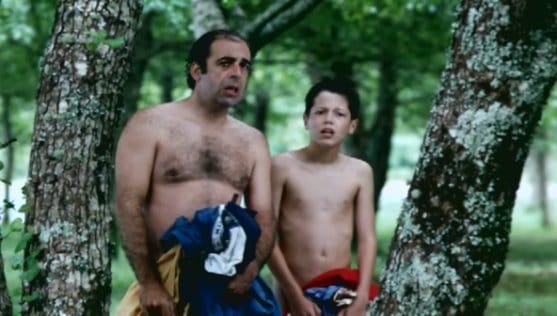
Father and son : The adventurs
Father and Son: An Adventure

Classical music and melodic pop-rock comprise the film’s score. In addition, the theme song Nao Vou Ficar, by the Portuguese band Delfins, plays as the movie opens (and at several of its essential scenes), as part of its Diegesis (Diegetic sound is presented as originating from a source within the film’s world). This is another competent decision – and it greatly enhances the film’s mood – not only by how it sounds but also by its lyrics (even if one reads them as part of the subtitles – as I did):

The light that the sun gives me is not enough to warm me up. The love that the world has does not come to say it’s all OK. You are never with me. And I grow up here behind you without seeing your eyes.

If you have read this far, you may think you know the film (even though I didn’t include any spoilers), but I guarantee you will be surprised and moved several times before the final credits roll. Luís Filipe Rocha (who wrote the script and directed the film) has created a masterpiece I highly recommend.

To complete my review, I have chosen another phrase from the film – hoping that when you see the film (and I urge you to), you will understand my motives in picking it:

“The world never changes. But, we change – when we grow up and stop dreaming””

Trailer

Similar movie: My Sweet Orange Tree (2012)

Adeus, Pai (1996)
A MUST SEE
A heartwarming story with a superb Coming-of-Age narrative. It is the film I would refer anyone to who asks for a pure example of the Coming-of-Age genre in cinema.
Character/Acting
Score/Soundtrack
Cinematography
Storyline/Screenplay
Production
Direction
Reader Rating9 Votes
5
OUR RATING

Skaterdater (1965)

Do you know what once was America’s Newest Sport?

skaterdaterSkaterdater is the fourth short movie in the series of short movies I am reviewing at  theskykid.com. From the stats of my blog, I see that the reviews raise some interest which, of course, encourages me to keep on with the trend even if I would have loved it if someone shared his own view in the comments section after reading my review and watching the films.
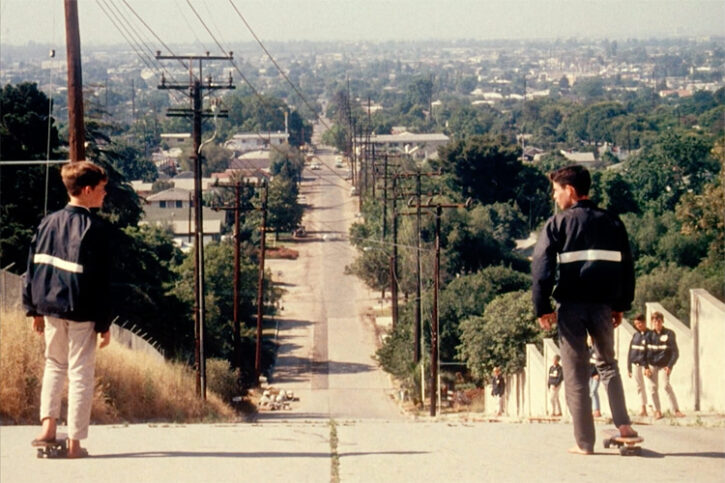
The movie itself is quite famous and has achieved a status of a classic. However, not only does Skaterdater pay homage to the 1960s skateboard craze, but it also has another significant importance… it is the first film for director Carroll Ballard (he was second unit cinematographer on Skaterdater, and the shooting style can be seen in his later films), and a UCLA Film School classmate of Francis Ford Coppola.

Carroll Ballard has been the director of several great films with young people: The Black Stallion (Francis Ford Coppola, Executive Producer), Fly Away Home, and Duma. I liked the music (Davie Allan and the Arrows) even though I am not that familiar with surf guitar – but it reminded me of the vibes of the Beach Boys. However, I did not like the ending. Or, rather, how the story developed. I felt like screaming “Keep on Skating,” … but you will see what I mean.

Skaterdater is quite a cool short movie with a Coming of Age theme. And, even though there are no spoken words, the story is easy to follow. While it tells a story without using any dialogue, the scenes, camera angles, and final cut speak for themselves. The film reminded me of my own childhood, when all my friends were irritated by me as I preferred to spend time with my girlfriend instead of playing soccer with them.

Skaterdater won nine international film awards and is often thought of as a visual essay on growing up.

“….. a group of 1965 barefooted skateboarders with their single-striped windbreakers hanging 10 on their clay-wheeled pinner board.”

Chicken Boy (2019)

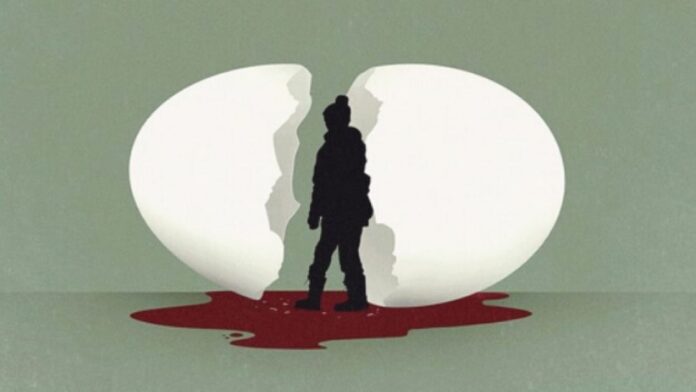
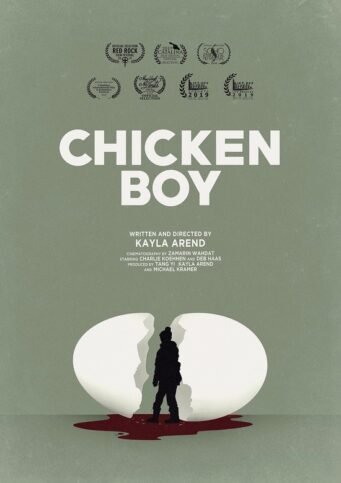
Chicken boy posterChicken Boy, pitched as a “dark coming-of-age story”, opens in a disturbing, yet promising manner. But the story’s effectiveness is subsequently brought down by abrupt editing and a somewhat puzzling narrative structure.
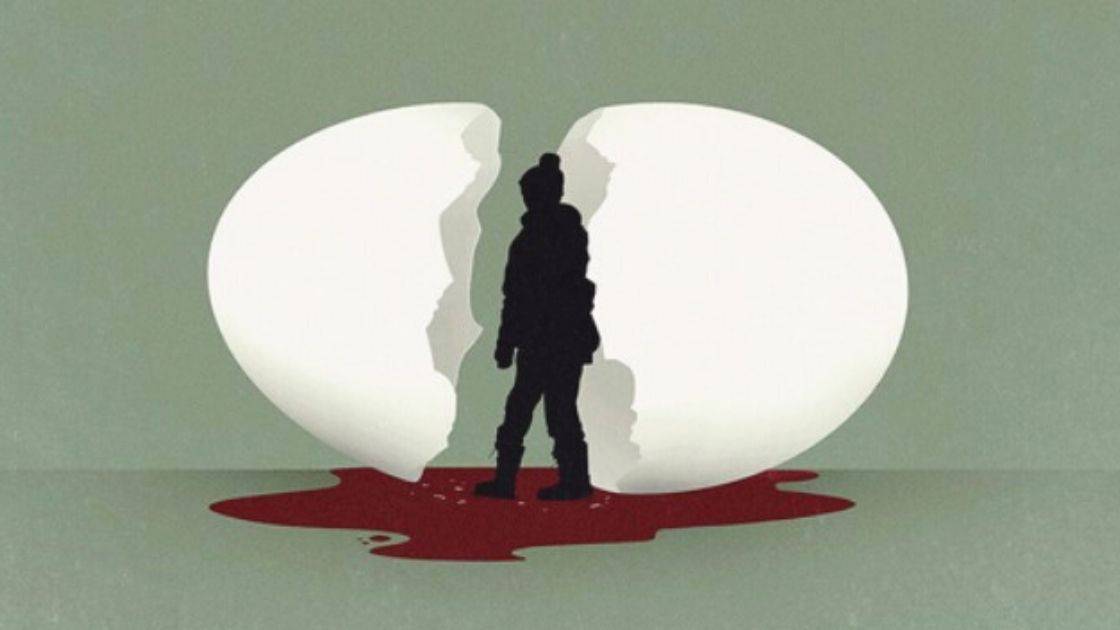
The film’s young protagonist, Jacob (Charlie Koehnen), is subjected to bullying in school and neglect at home – the metaphors utilized in the film to symbolize his struggle to deal with the psychological turmoil he’s experiencing are not grasped easily by the viewer.

This is partly offset by the facial expressions of Charlie Koehnen – for whom Chicken Boy is only the second film he’s made in his young life. In an interview for New York No Limits, Chicken Boy‘s director, Kayla Arend, summarized the film’s theme as “ … a creative exploration of toxic masculinity, the lack of gun control and mental health support within the United States”. But while the director’s stated goals for the film are ambitious, most viewers will not be able to pinpoint those motifs within the narrative.

Chicken Boy (2019)
In short
Chicken Boy, described as a "dark coming-of-age story", has great acting but suffers from a weak narrative.
Character/Acting
Score/Soundtrack
Cinematography
Storyline/Screenplay
Production
Direction
Reader Rating1 Vote
2.3
Our rating

Padrenostro (2020)

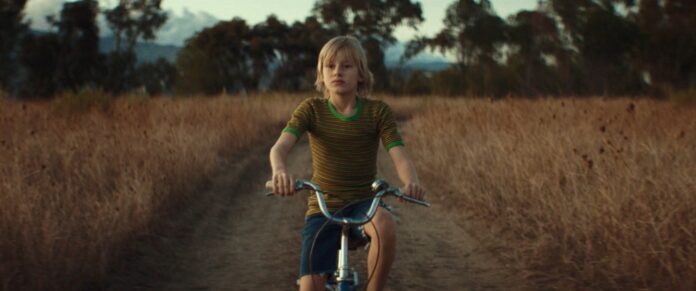
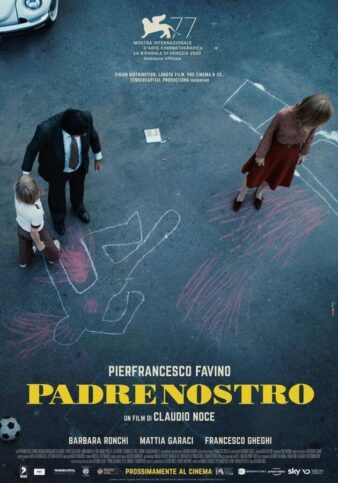
Based on real events, the 2020 Italian film Padrenostro tells the story of 10-year-old Valerio (Mattia Garaci), whose life is turned upside down when he witnesses the attack on his father (Pierfrancesco Favino) by a group of terrorists.
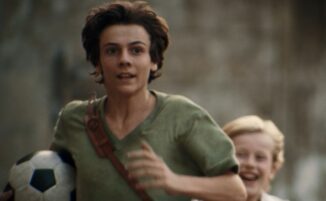
Padrenostro offers much more than mere escapist entertainment.

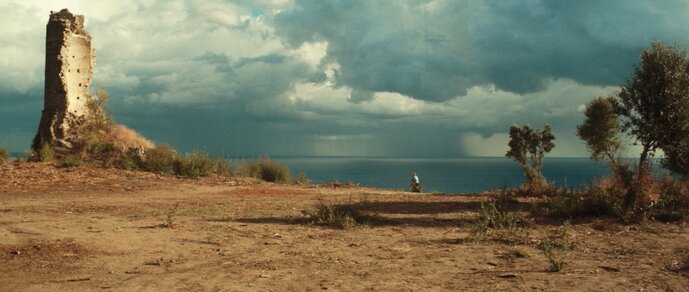
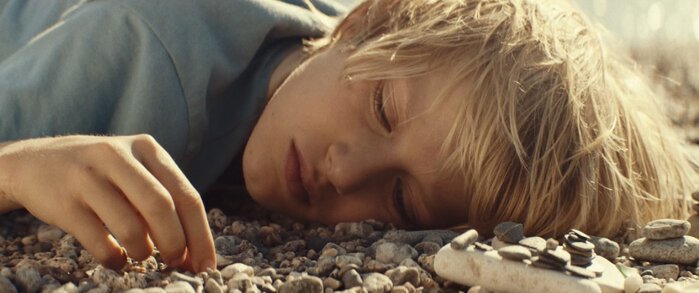
It may take more than one viewing to grasp the story’s nuances, but the beautiful aesthetics and exemplary cinematography more than compensate for the time invested.

Beautiful aesthetics and exemplary cinematography

Mattia Garaci
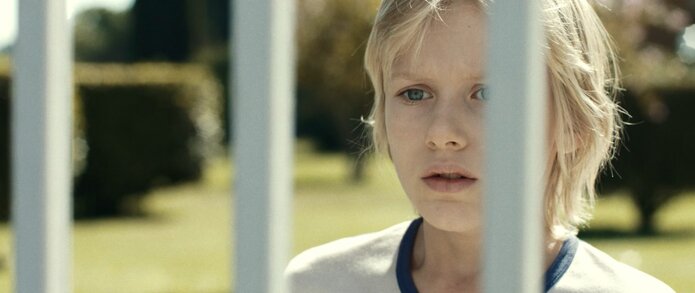
Mattia Garaci as Valerio in PadreNostro

The deliberately slow pacing of the film allows the viewer to invest in the world of the film’s protagonist. As with most Coming-of-Age narratives, it’s essential to grasp the development of his character and the motivations behind his actions to fully appreciate the development of his character arc.

Cinematographically the film is a real masterpiece.

Cinematographically, the film is a real masterpiece. The cinematic techniques help fill in details about the life of the young Valerio , such as a scene of the boy as he is made to stand in front of his class. At the same time, his father is proclaimed a hero by their teacher, with a highly stylized zoom out transmiting a sense of isolation or selective focus That technique is used in other scenes to achieve the same effect.

Friendship unbound

Before meeting Christian (Francesco Gheghi), Valerio thinks of his father as his only friend in the world, which explains why he is so shaken after the terrorist attempt against him.  If anything were to happen to his father, Valerio would be in danger of being alone in the world.
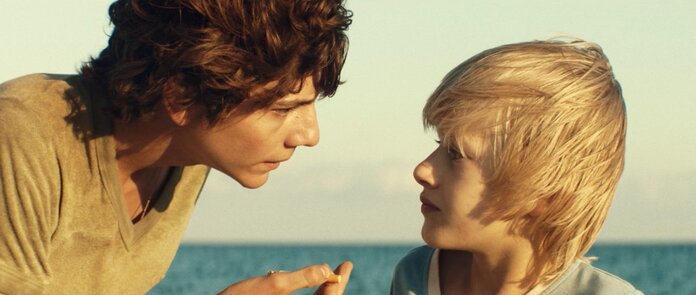
The character of Christian is intriguing – an older friend whose presence and influence reflects on the ten year old Valerio in a liberating manner. However, due to his sudden appearance in the younger boy’s life, and his persistence to remain part of it, the viewer may never shed a suspicion about Christian’s motives for befriending him.

Valerio (Mattia Garaci) looking for answers – an eye-level shot implying a connection between the viewers and the young boy

Acting Performance

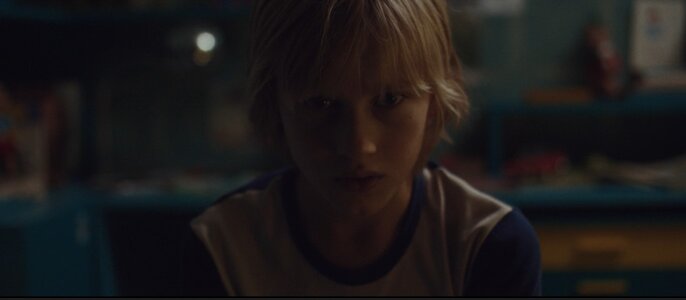
Many of the scenes are felt poignantly as the camera points directly at the young actor’s face. In one scene, we feel as if we can peer into his eyes. In others, we read his emotions directly– no words needed. This speaks volumes about the talent of Mattia Garaci and that of the director who has managed to extract such an emotive performance from the young actor. Fortunately enough that’s the case, as Mattia is present in almost every scene of the film – a fact that devotees of Coming-of-Age cinema will greatly appreciate.

No words needed to feel the character`s emotions

Whereas it is doubtful that many viewers will be able to identify with the film’s protagonist due to the specifics of his family situation, and the time period in which the action is set, identifying with his experience of finding a real friend is plausible. I could not help but notice a few of Charles Dickens’s influences on the narrative of Padrenostro as the streetwiseness of Christian and the naïve/good-natured Valerio reminds one of the Artful Dodger and Oliver Twist. Friendship turns into a central theme of the film. And, while some viewers may miss the significance of the opening scene in that regard, it is easily graspable upon repeated viewing.

Valerio (Mattia Garaci) and Christian (Francesco Gheghi)

The Musical Score

The musical score predominately comprises a mixture between classical pieces and Italian songs– either subtle or rousing as the scene requires. More frequently than not, the sound is used to create suspense, raising the tension toward an expected major event, an event that never really materializes. But despite the fact that nothing that dramatic happens, the fact that one expects for it to happen makes one more attentive to the story. The end result is a better understanding of the characters by better gauging their emotions as the result of that increased attention.

Francesco Gheghi
Francesco Gheghi

Padrenostro lacks the dynamics of other recent Italian Coming-of-Age dramas such as Stolen Days (Original title: Il ladro di giorni), but the viscous fluidity of the action more than compensates for that.  Essentially the film is about childhood, with organized crime (a theme ever-present in some of the best Italian narratives) assuming a background position.

The production design, cinematography, camerawork, musical score, and acting – all of the cinematic elements combined – result in a powerful portrayal of growing up in a tense environment and overcoming the trials and tribulations of life. Padrenostro is an excellent Coming-of-Age drama whose only flaw is the unnecessarily long screen time.

Trailer 


Padrenostro (2020)
In short
The production design, cinematography, camerawork, musical score, and acting of Padrenostro – all of the cinematic elements combined – result in a powerful portrayal of growing up in a tense environment.
Character/Acting
Score/Soundtrack
Cinematography
Storyline/Screenplay
Production
Direction
Reader Rating4 Votes
4.8
Our rating

The Quarry (2010)

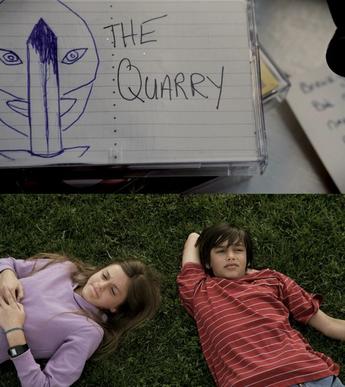
the-quarry-2010Do you remember that girl, your first love – her smile, the butterflies in your stomach? You probably do, but if you’ve forgotten (how could you??) Ryan Hanson’s 2005 short film The Quarry will revive those magical moments for you.
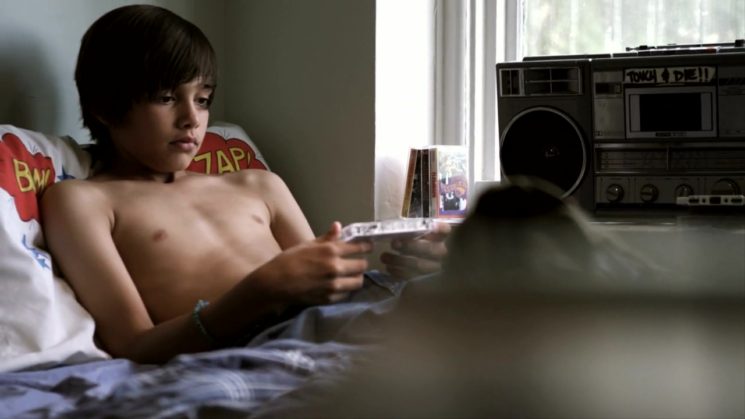
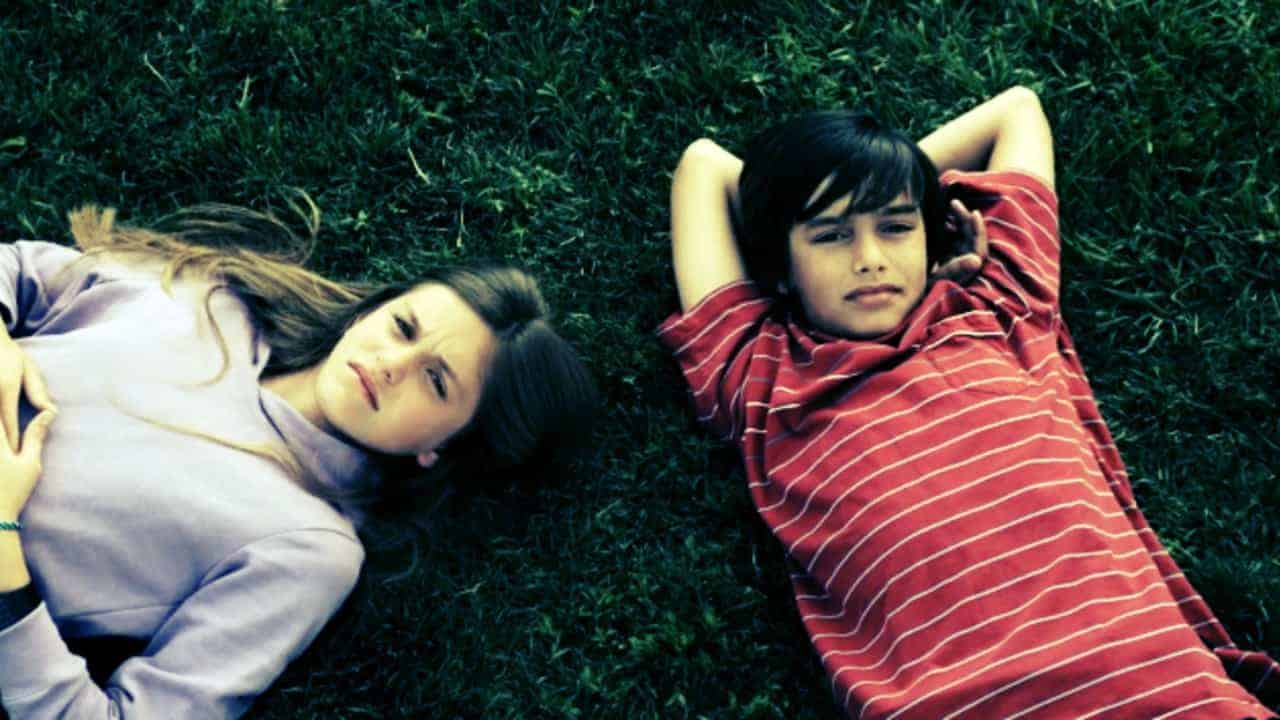
The story is simple enough. Charlie (Ruben de Baat), a boy of twelve, creates the most personal gift for his friend’s best friend, Natalie (Meagan Brodie). It’s a mixtape containing songs with words expressing his feelings for her, and it’s a farewell present  –for Natalie’s family is moving away…

Wait a minute!! … cassette tape, hand-drawn covers, art, record players – it all sounds so retro now, yet the props and stylistics of the film display the right tone to the people who have grown up with those things. They help turn the story of Charlie and Natalie into a nostalgic window into one’s past.

The film’s cinematography and editing reinforce that feel too. Jump cuts in an MTV stylistic are utilized to portray what goes on in a young boy’s mind (‘cuz frankly, things can get messy up there), while slow-motion captures moments as sweet as syrup, meant to be savored.

Ruben de Baat as Charlie in The Quarry (2010)

There is an added dynamic introduced by other characters in the movie: the curious parents, eager friends, and mean older kids. And then there’s the beautiful musical score (the film is set to the mixtape Charlie made for Natalie). Admittedly, The Quarry is not the thought-provoking, epic short film some may hope for, and the young actors are not convincing in every scene, but it’s a sweet and tender story – beautiful in its simplicity.


The Quarry (2010)
In short
A nostalgic short film of first love -- a sweet and tender story that is beautiful in its simplicity.
Character/Acting
Score/Soundtrack
Cinematography
Storyline/Screenplay
Production
Direction
Reader Rating1 Vote
3.3
Our rating
More about the film

The Quarry (2010)

the-quarry-2010Do you remember that girl, your first love – her smile, the butterflies in your stomach? You probably do, but in case you’ve forgotten (how could you??) Ryan Hanson‘s 2005 short film The Quarry will revive those magical moments for you.

The story is simple enough. Charlie (Ruben de Baat), a boy of twelve, creates the most personal gift for his friend’s best friend, Natalie (Meagan Brodie). It’s a mixtape containing songs with words expressing his feelings to her, and it’s a farewell present  –for Natalie’s family is moving away…

Wait a minute!! … cassette tape, hand-drawn covers, art, record players – it all sounds so retro now, yet the props and stylistic of the film display the right tone to the people who have grown up with those things. They help turn the story of Charlie and Natalie into a nostalgic window into one’s past.

The film’s cinematography and editing reinforce that feel too. Jump cuts in an MTV stylistic are utilized to portray what goes on in a young boy’s mind (‘cuz frankly, things can get pretty messy up there), while slow-motion captures moments as sweet as syrup, meant to be savored.

Ruben de Baat as Charlie in The Quarry (2010)

There is an added dynamic introduced by other characters in the movie: the curious parents, eager friends, and mean older kids. And then there’s the beautiful musical score (the film is set to the mixtape Charlie made for Natalie). Admittedly, The Quarry is not the thought-provoking, epic short film some may hope for, and the young actors are not convincing in every scene, but it’s a story that’s sweet and tender – beautiful in its simplicity.

http://www.imdb.com/title/tt1832498/combined

Thomas (2013)

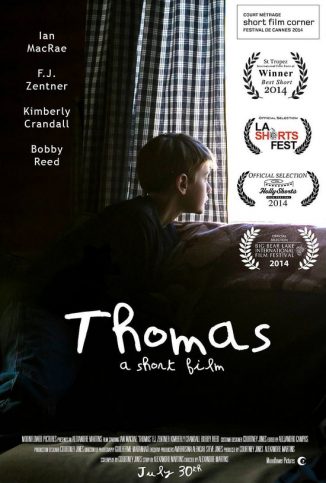
A captivating Coming-of-Age short film, Thomas is an example of a short that manages to be more impactful than a variety of full feature movies one may stumble upon at one time or another. Its main protagonist, twelve year old Thomas (Ian MacRae), is having a hard time meeting the expectations of his authoritarian father, who is on a quest to “man up” the boy. Taking his son on hunting trips and teaching him about weapons is one of the methods he uses.
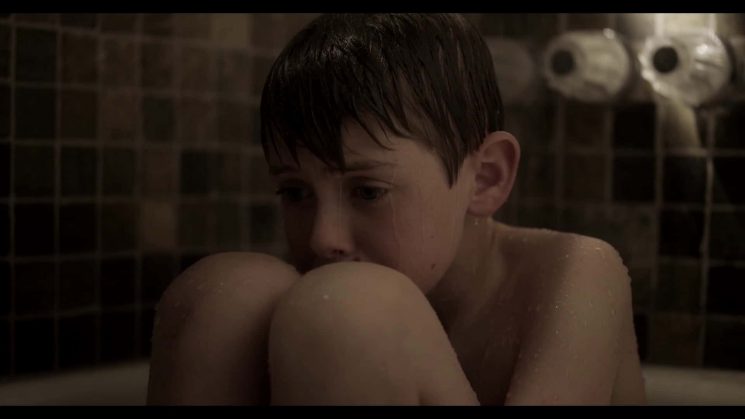
Seeing a gun in the hands of a boy, one could not help but recall the famous saying by Anton Chekhov: “If in the first act you have hung a pistol on the wall, then in the following one it should be fired. Otherwise, don’t put it there.” With that in mind, it does not surprise when the usage of the gun results in an unexpected circumstance forcing the young protagonist to shed his innocence in a shocking and turmoiled manner.

Ian MacRae in Thomas ( 2013)

The film’s best feature is the cohesive manner in which the story is told, although it does not offer surprising plot twists. Special attention was paid to the film’s soundtrack and sound effects. The result is an enhanced mood — set either by a music track (alongside fitting lyrics) or the crackling of firewood in a scene devoted to other sounds.

Ian MacRae’s expressive reactions and facial impressions further boost the story’s credibility and its impact on the film’s audience.

An excellent moody Coming-of-Age thriller, Thomas gets my highest recommendation.

http://youtu.be/PoD5hgLv9zc


[imdb]https://www.imdb.com/title/tt2973246/reference[/imdb]

Wild America

Poster for the movie "Wild America"
© 1997 Morgan Creek Productions − All right reserved.

Chance

Poster for the movie "Chance"
© 2020 Flash Film − All right reserved.

The Cinematic Universe of LGBT Youth and What It’s Telling You

Editor’s Note: The following article is a submission by a guest author and represents his views on the fight for equality that the LGBT+ Community has faced in the past and continues to face today. It is included on this site in light of some of the recent violence around the world such as is presented in these articles: https://t.co/51sZYR6sfv and https://t.co/tdBqaGVnaS . TheSkyKid.com is in agreement that media (and cinema in particular) pays a powerful role as an influencer of teens and youth. 

If you don’t know Malcolm X, he was an American-African civil rights movement leader who once said: “Media is the most powerful entity on Earth. They have the power to make the innocent guilty and to make the guilty innocent, and that’s power. Because they control the minds of the masses.”

This is true and evident even in the world we live in today. For more than 4 billion years of living on this planet, times continuously change, and the guilty and the innocent change too…but not for the gays. No matter which timeline you live in, media almost all the time portrays being part of the LGBT community as a sin and as something you should be guilty of. Since the 1950s when different organizations were made to stop the oppression the LGBT community faces, they have continuously fought for their rights to be upheld and respected.

The Fire That Burns (1997)
The Fire That Burns (1997) – movie review

Even today, we still see active organizations that house and protect abused LGBT children, teens, and older people that continue to increase in number. And, you know what would help us in achieving this goal of equal rights and LGBT empowerment? Media. Because is it so wrong to be gay like how the media portrays it to be?

North Sea Texas (2011)- Review

The 21st century, the century we live in today, has brought great progress when it comes to LGBT+ representation. More celebrities and influencers have come out and/or used their platform to empower and amplify LGBT voices. Even the media has taken steps toward progress. Whether through books, songs, films, or series, the LGBT representation continues to increase as time passes by, and there’s something we have to learn from this side of the media.

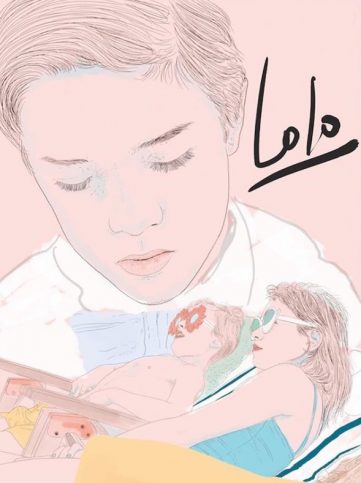
This being said, let’s focus on cinema. Take Lolo, for example. Lolo is an award-winning short film by Leandro Goddinho and Paulo Menezes that talks about the life of an 11 year old openly gay boy. Though more on the unconventional and imaginative side, this short film tells us that being gay doesn’t separate us from the rest of the group. And, just like other “normal” people, the LGBT community should have fun, have good friends, make memories and learn to love. I mean, who created these norms, anyway, that prevent people from doing ordinary things for being who they are?
Lolo tells us that gay people shouldn’t be treated like it’s a sin, but instead celebrated and respected. Though a simple and light story, it’s an empowering film especially for teens and youth who are on the road to self-discovery and acceptance. If there’s something we can learn from the three friends in Lolo, it’s to be unapologetically you and surround yourself with people that accept you…well… as you.


You Are Not Alone – an interview with Lasse Nielsen

Now, on the shadows of the light shed on LGBT cinema, other films like Boy Erased, The Miseducation of Cameron Post, The Normal Heart, and Moonlight show the struggles and oppression of the LGBT+ Community. Take Normal Heart, for example. The Normal Heart is a film directed by Ryan Murphy that talks about the beginning and emergence of HIV-AIDS and how the homophobic society and government ignored them and their needs, left them dying simply because they’re gay.

The Miseducation of Cameron Post on the other hand shows the journey of a teenage girl sent into a gay conversion camp to “correct” the way she is. While conservatives, religious, and closed-minded people may watch these films saying, “Yeah, that’s right!” and “They deserve it,” these films were made to raise awareness about the oppression and fight it. It’s telling us that society’s all for human rights, but when we talk about a lesbian, a gay, a bisexual, a pansexual, or a trans person, suddenly…silence. It’s telling us that we are not treating other people with respect and dignity, all because they love. But, is loving so wrong?

Is it wrong to love and to be who you are? Why do we have to comply with society’s norms and why do we have to change to fit in? These are questions that probably come to your mind every time we talk about the LGBT+ Community. The answer is, NO. No, it’s not wrong to love and be who you are and, definitely, no, you don’t have to succumb to society’s standards to try to “fit in”.

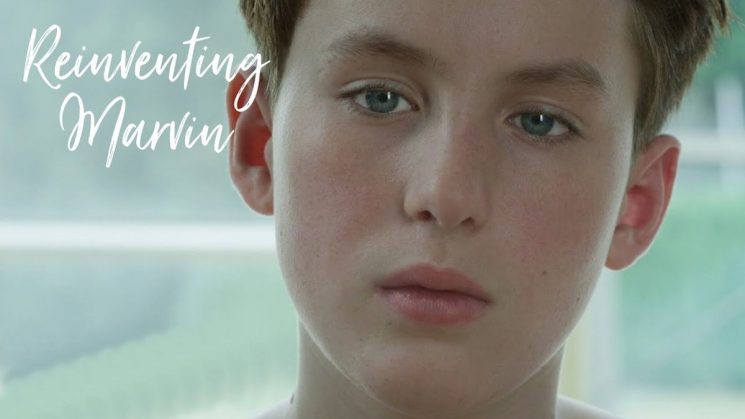
Reinventing Marvin
Reinventing Marvin – Movie review

To be honest, nobody ever fits perfectly in, because standards are superficial and fake. Like every other person out there, every member of the LGBT+ Community deserves a happy ending, the way heterosexuals do. Movies like Saving Face and Love, Simon tells us this. And while the fight for Gender Equality and Rights is ongoing even in today’s time, here’s the reassurance that there’s nothing wrong with being you. Be gay! (Yes, gay as in homosexual, and gay as in happy at the same time.)

Sigur Rós – Viðrar vel til loftárása

“At some point, you gotta decide for yourself who you gonna be. Can’t let nobody make that decision for you.” – Juan, from Moonlight

Written by: aimeebags

Want to get your article published on the site? Get in touch with us at info@theskykid.com