 Some people argue that Coming-of-Age narratives are alike across all movies.
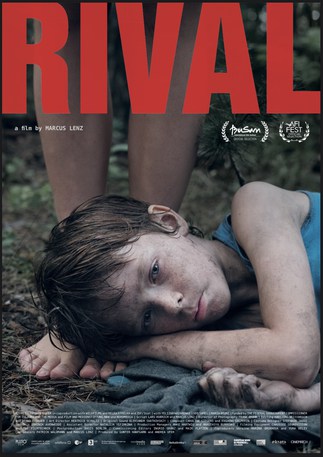
Nothing can be further than the truth, and Marcus Lenz‘s 2020 Coming-of-Age drama, Rival, is a perfect example of that.
Featuring a story that focuses entirely on its nine-year-old protagonist, Roman (Yelizar Nazarenko), the film explores themes such as jealousy, rivalry, illegal immigration, and growing up in an odd and dreary atmosphere.
The Story
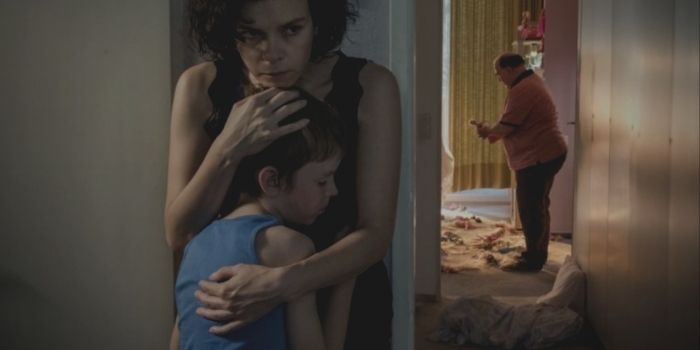
After the death of his grandmother, with whom he had been living, Roman goes to live with his mother in Germany. His mother had been caring for an older woman who has just died. The surviving husband of the deceased, an elderly German man named Gert Schwarz, has fallen in love with Roman’s mother. Still, while the man has opened his home to the son of the woman who works for him, when Roman senses there is something more than an employer-employee relationship going on, the young boy feels betrayed. He begins seeing Gert as a rival competing for the attention of his mother.
Cinematography
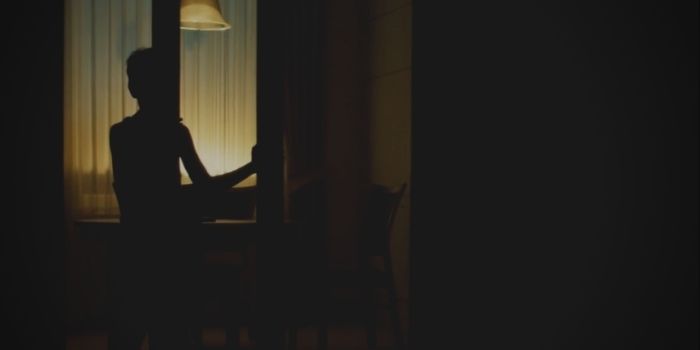
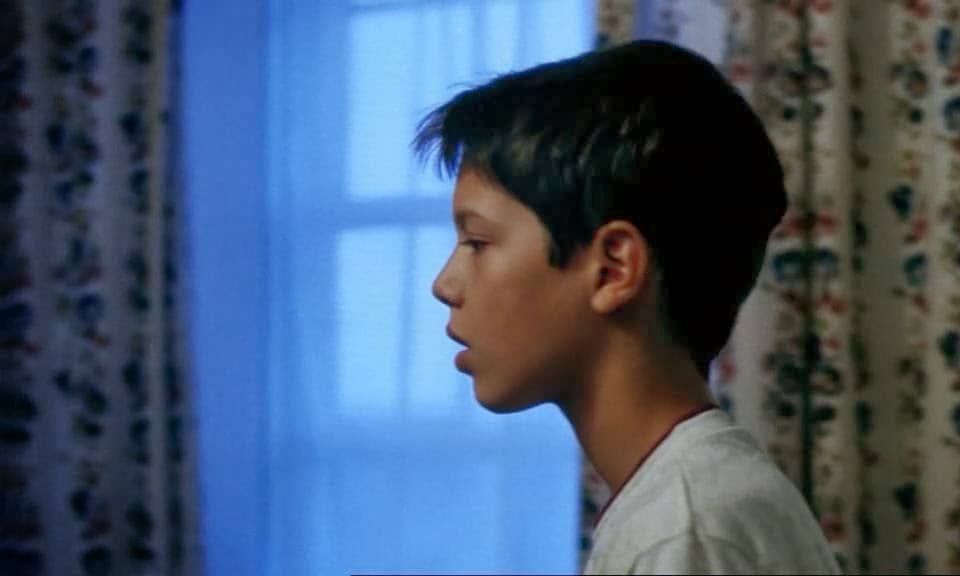
Cinematographically, Rival is a masterpiece. The skills of Cinematographer Frank Amann in controlling the lighting in the scenes, the subtle changes of focus and the depth of field — effectively emphasizes the characters and their emotional state.
Musical Score
The film’s musical score and overall sound design are executed capably. There is no voice-over commentary, and the music that accompanies some of the scenes effectively cues the viewer to an emotion. Uplifting classical music is utilized to boost the euphoric atmosphere in some of the scenes, while in others it highlights the characters’ internal turmoil.
Acting
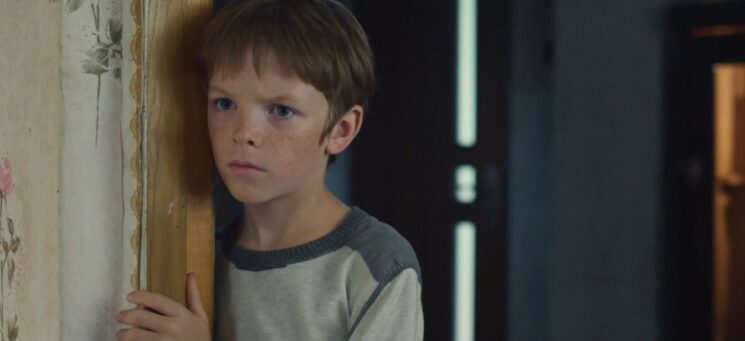
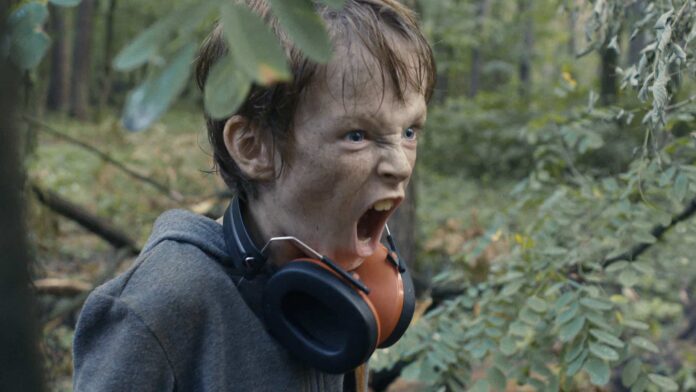
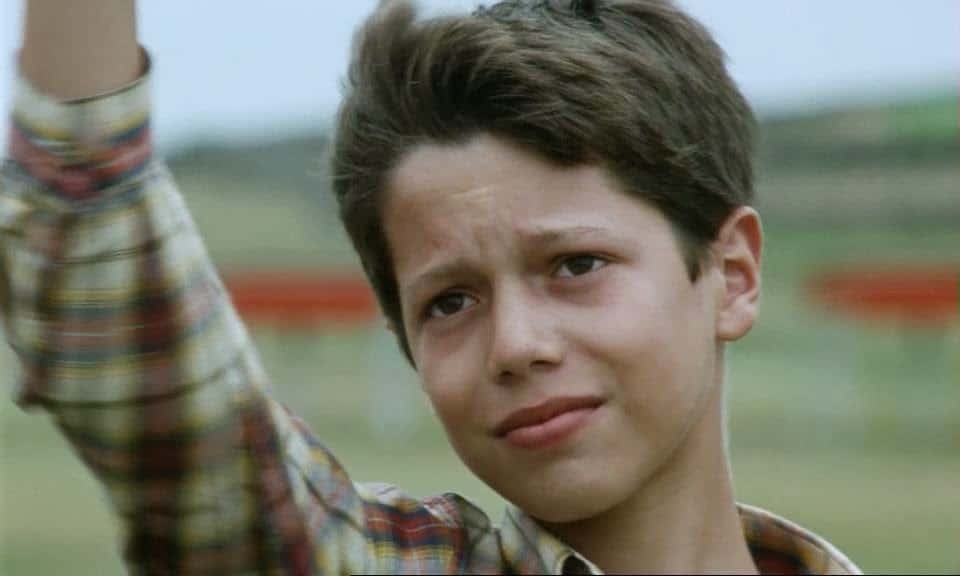
The dialogue is partly in Russian, partly in German and, while that helps in character development, the emotive expressions and posture of the young Yelizar Nazarenko are essential — as a significant part of the storytelling is seemingly achieved by pointing the camera at him.
Trailer
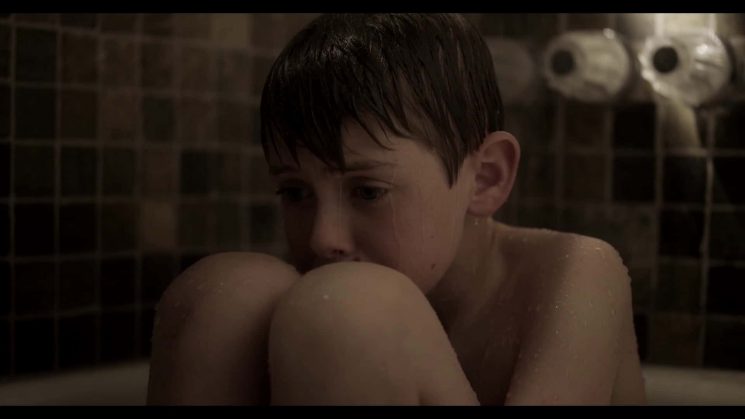
A young boy sitting on the ground, hugging his knees – is a great example of a posture that doesn’t show his emotions but highlights how he is dealing with them. Emotions create a prevailing mood, while his posture and body language create a dynamic that allows the viewer to understand the trials and tribulations the young boy has to face.
The story is told from the viewpoint of Roman; Yelizar Nazarenko is in just about every scene of the movie resulting in one of the most powerful acting performances in a character driven Coming-of-Age drama you will ever witness.
Reflections
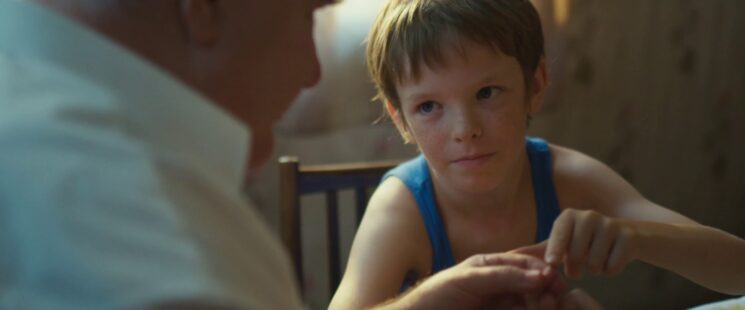
If you come from an immigrant background (like myself), associating with the story’s young protagonist will not be difficult to achieve. The challenge starts when one has to determine with whom his/her own sympathies lie. One can empathize with Roman for his young age and innocence, but when we get to know his mother or her elderly German employer, we see that, as in life, things are never really in black and white, and one should never be in a rush to pass judgment.
Rival has the undeniable flair and atmosphere of independent European cinema. It tells a story of real people realistically. And even the sudden and cruel finale contributes to the overall impact of the picture by allowing the viewer to interpret the outcome of one boy’s loss of innocence, in his/her own manner.
[imdb]https://www.imdb.com/title/tt8897388/reference[/imdb]




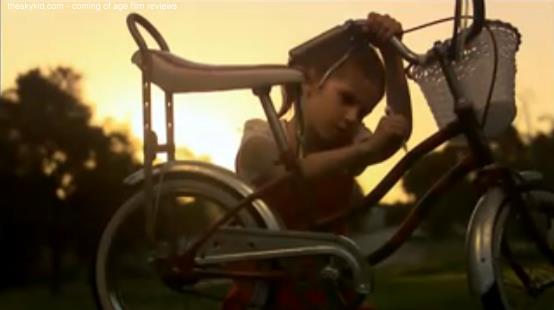


 Skaterdater is the fourth short movie in the series of short movies I am reviewing at theskykid.com. From the stats of my blog, I see that the reviews raise some interest which, of course, encourages me to keep on with the trend even if I would have loved it if someone shared his own view in the comments section after reading my review and watching the films.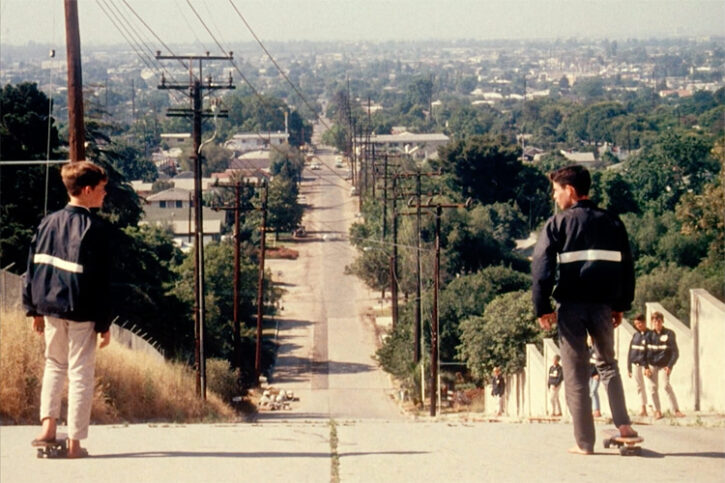
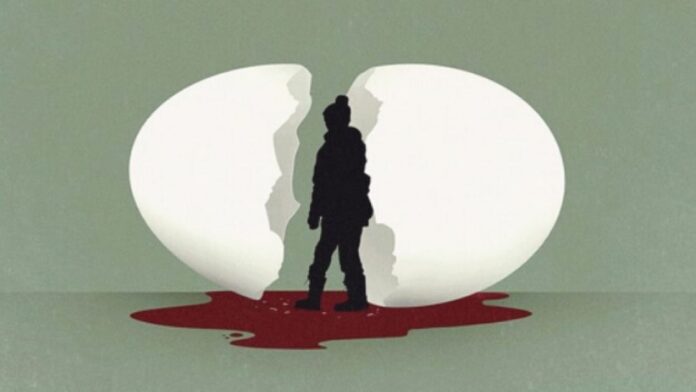
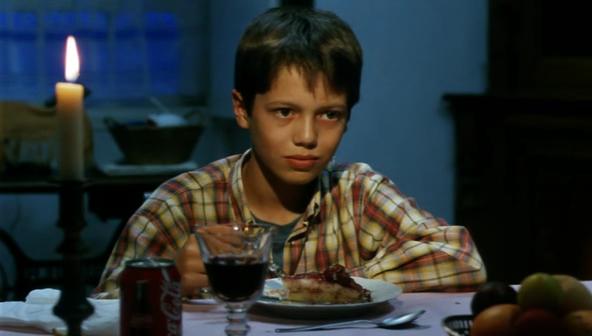
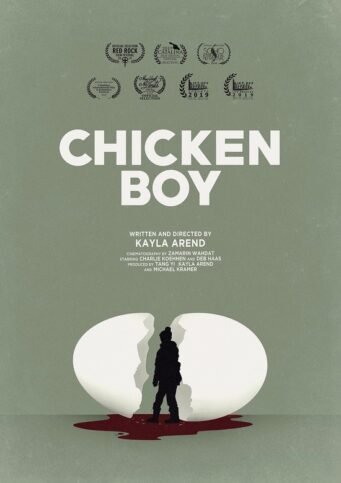 Chicken Boy, pitched as a “dark coming-of-age story”, opens in a disturbing, yet promising manner. But the story’s effectiveness is subsequently brought down by abrupt editing and a somewhat puzzling narrative structure.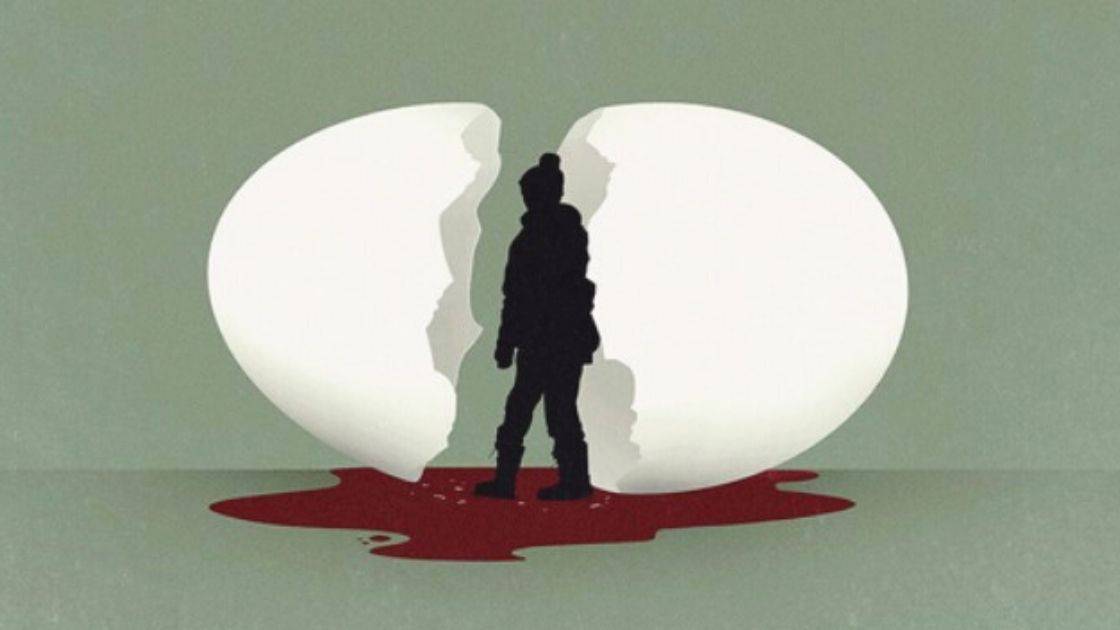

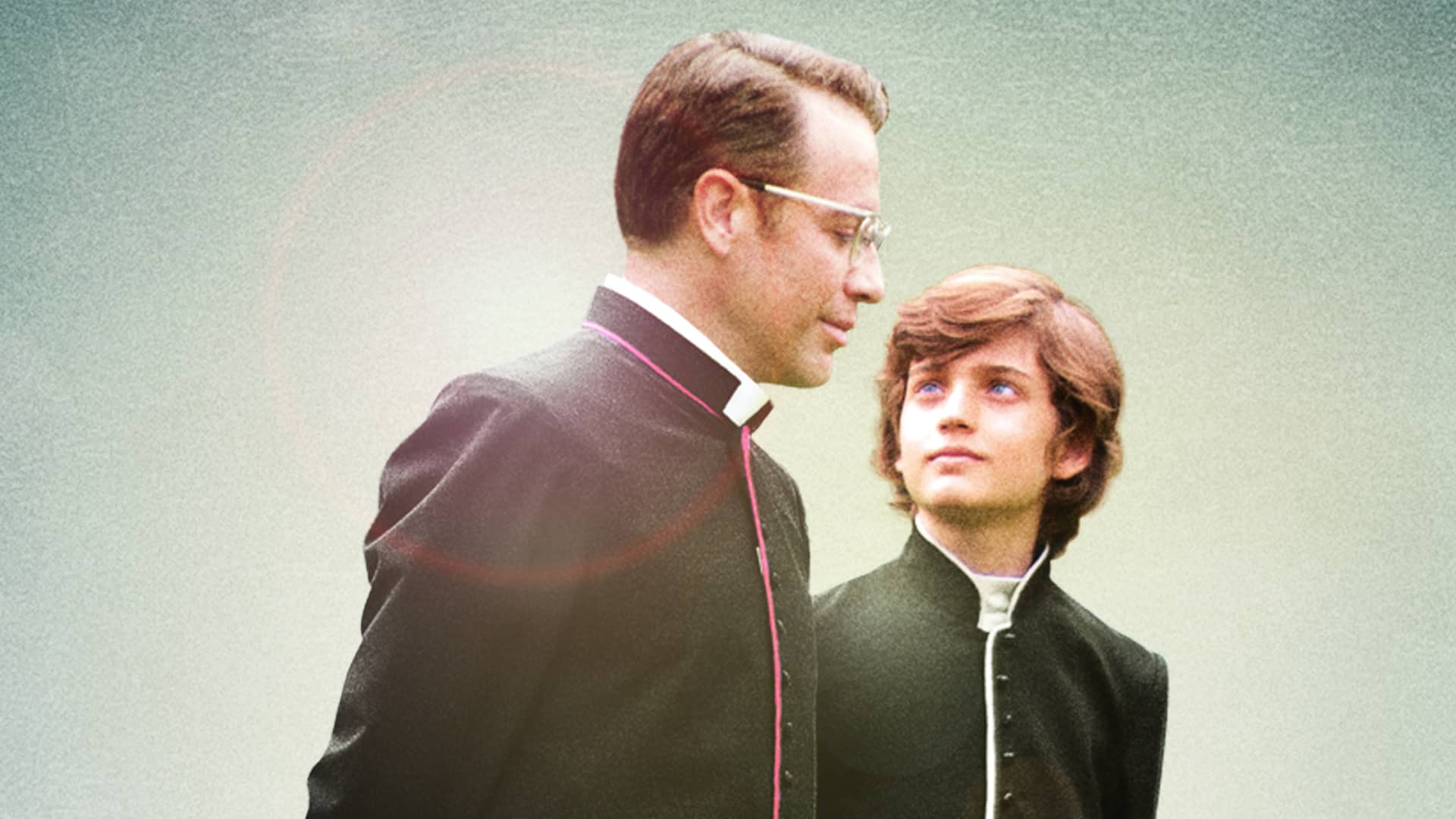
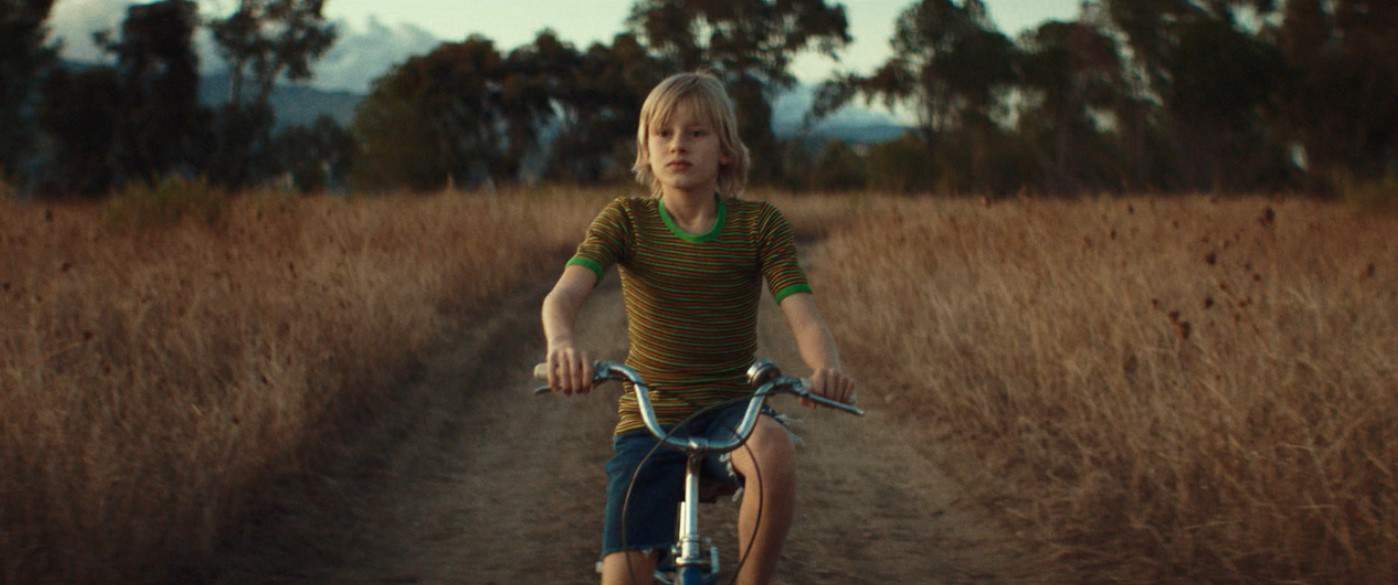
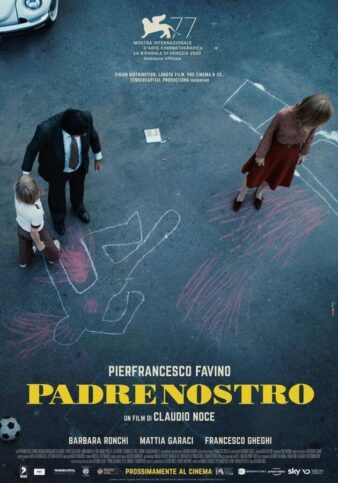 Based on real events, the 2020 Italian film Padrenostro tells the story of 10-year-old Valerio (Mattia Garaci), whose life is turned upside down when he witnesses the attack on his father (Pierfrancesco Favino) by a group of terrorists.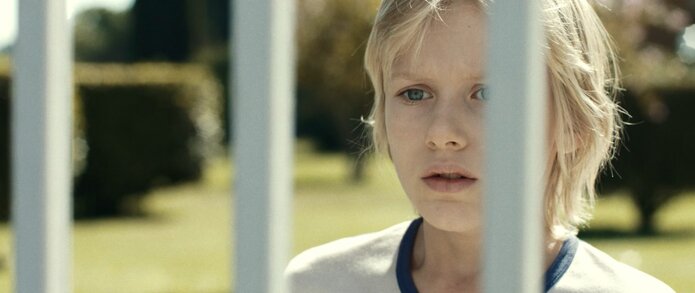
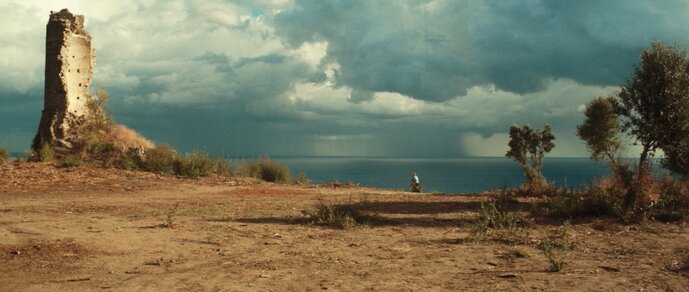
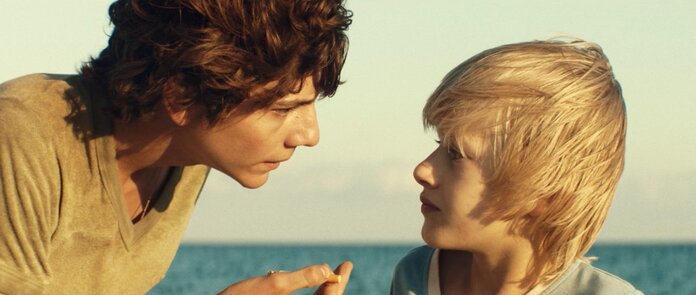
 Before meeting Christian (Francesco Gheghi), Valerio thinks of his father as his only friend in the world, which explains why he is so shaken after the terrorist attempt against him. If anything were to happen to his father, Valerio would be in danger of being alone in the world.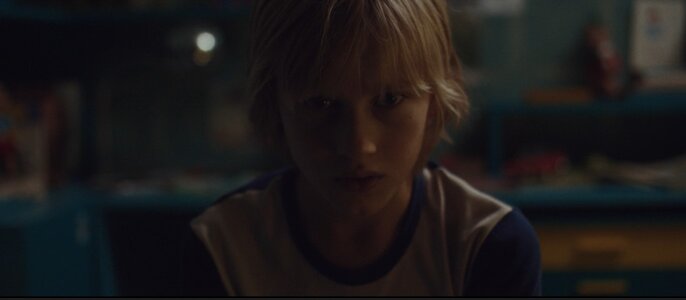



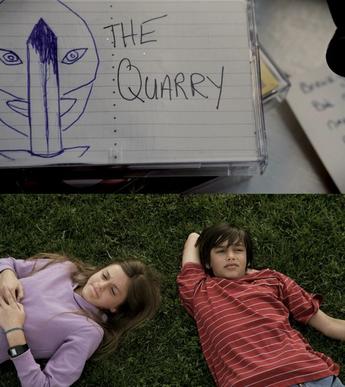 Do you remember that girl, your first love – her smile, the butterflies in your stomach? You probably do, but if you’ve forgotten (how could you??) Ryan Hanson’s 2005 short film The Quarry will revive those magical moments for you.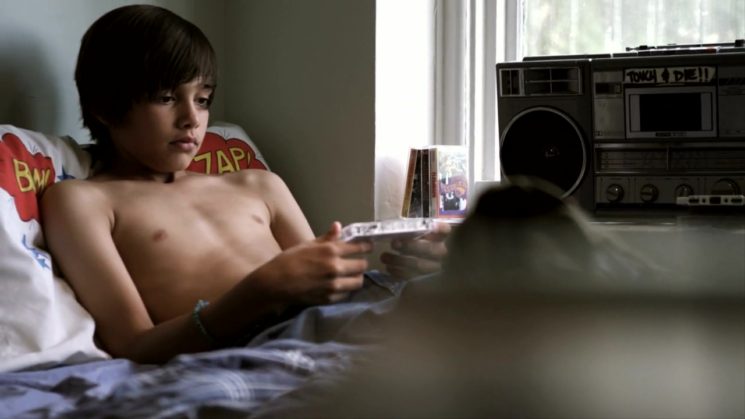


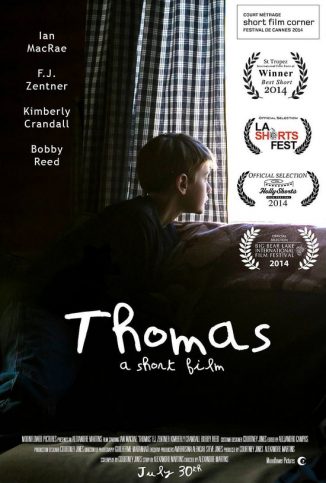 A captivating Coming-of-Age short film, Thomas is an example of a short that manages to be more impactful than a variety of full feature movies one may stumble upon at one time or another. Its main protagonist, twelve year old Thomas (Ian MacRae), is having a hard time meeting the expectations of his authoritarian father, who is on a quest to “man up” the boy. Taking his son on hunting trips and teaching him about weapons is one of the methods he uses.