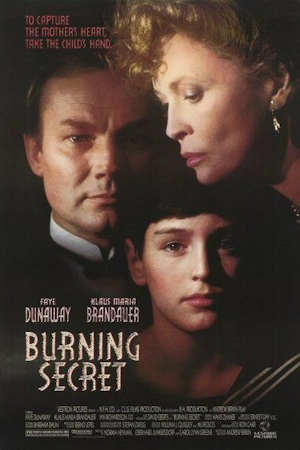
“…An elusive tale of seduction, betrayal and lost innocence in post-war Austria…”
Vestron Pictures
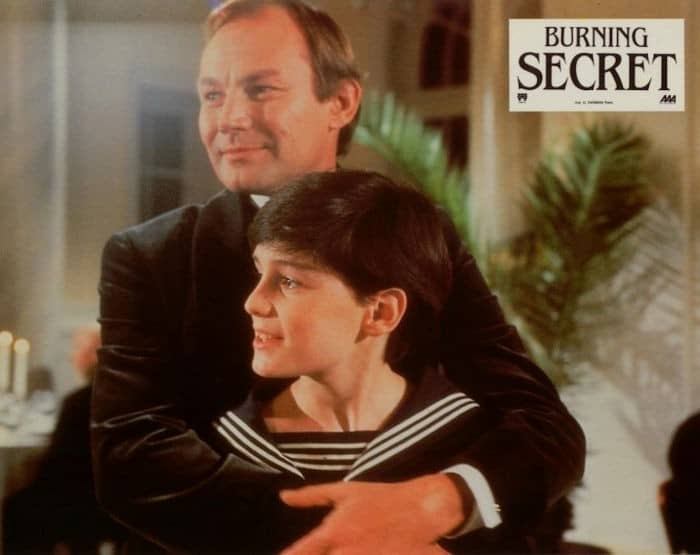
Burning Secret is a 1988 Coming-of-Age drama, based on the short story Brennendes Geheimnis by Stefan Zweig. The lead protagonist is Edmund (David Eberts), a young boy, the son of an American diplomat, who befriends a mysterious baron while staying at an Austrian spa during the 1920s.
Much of the film’s appeal, as both a psychological drama and a Coming-of-Age piece, can be directly attributed to the very competent direction of Andrew Birkin. He had extensive prior experience working with youthful actors while adapting Peter Pan for a TV production, and directing the mini-series The Lost Boys and the short film Sredni Vashtar. This allowed him to inspire and showcase the full potential of the young lead in Burning Secret.
David Eberts manages to portray the anxiety and confusion of his character while, at the same time, emanating childhood innocence. Its loss, as in most Coming-of-Age narratives, constitutes the essence of the story. If for no other reason, his performance alone is reason enough to see the film. It’s a pity that, even though Eberts continued his cinematic career as a producer and editor, Burning Secret remains the only film showcasing his indisputable acting talent.
The musical score of the film is comprised of compositions by the renewed German composer Hans Florian Zimmer. The classical orchestration enhances the atmosphere and provides a posh feel to the already refined mise en scène.
The film’s dramatic structure follows a linear, chronological pattern – limiting the amount of surprising twists and suspenseful situations. This could very well have resulted in a boring film if it were not for the complexity of external (between Edmund, The Baron and his mother) and internal conflicts (within Edmund’s character as he struggles to gain an understanding of himself in relationship to the world around him).
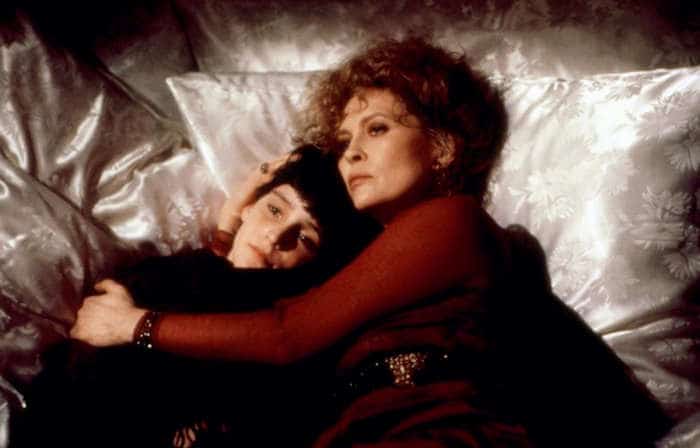
The complexity of intentions and affairs serves to remind one of Mauro Bolognini’s 1962 film Agostino, and the 1982 Dutch movie Nachttocht — vis-à-vis the addressing of intergenerational relationships, jealousy, trust and betrayal. In addition, one could possibly associate the existence of similar motifs such as in Thomas Mann’s Death in Venice (the book and/or the 1971 film), though in Burning Secret these are addressed in a more subdued and subtle manner.
Most films from this period, that share common motifs, end up being tragedies, which is why, for most of the film`s duration, I dreaded the finale resolution of the conflicts being addressed. But while the finale does meet those expectations, its only a tragedy of a metaphorical nature.
Burning Secret Trailer
Burning Secret is available on Amazon instant video
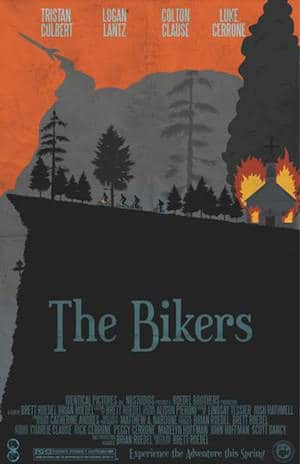
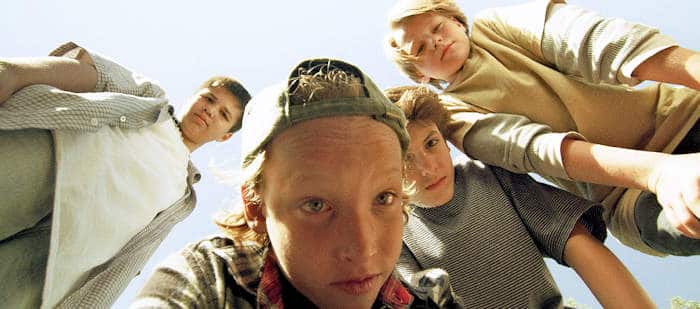
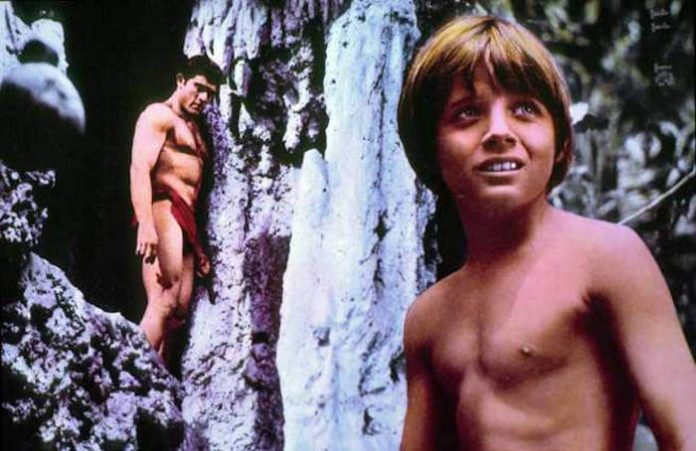
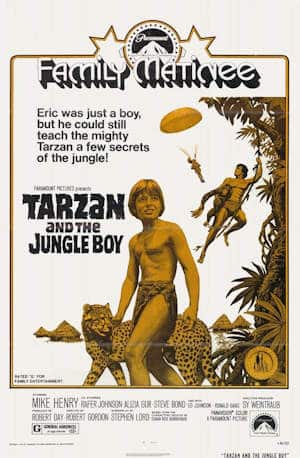 I grew up with the novels of Tarzan and his adventures, which shouldn’t come as a surprise when you consider that I loved reading and Edgar Rice Burroughs’s hero is considered to be one of the best-known literary characters in the world. There are numerous films based on the novels (over 200 are listed on IMDb) and I chose one from among them motivated by a promotional poster promising a Coming-of-Age tale of the sorts. Its title: Tarzan and the Jungle Boy.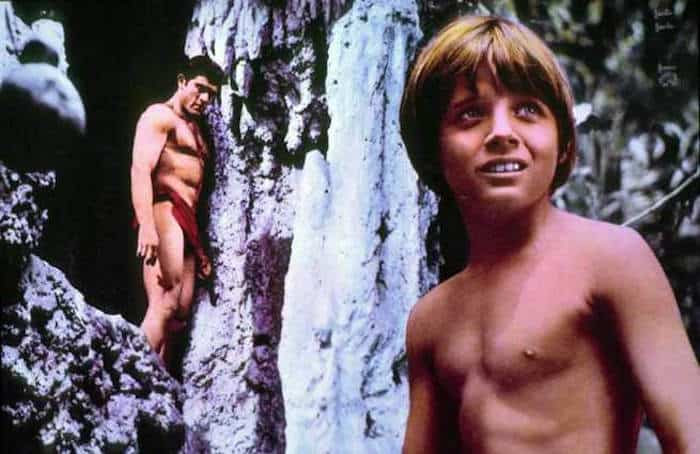

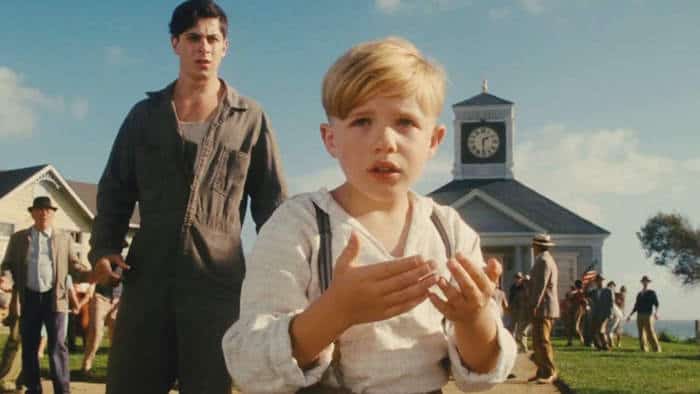
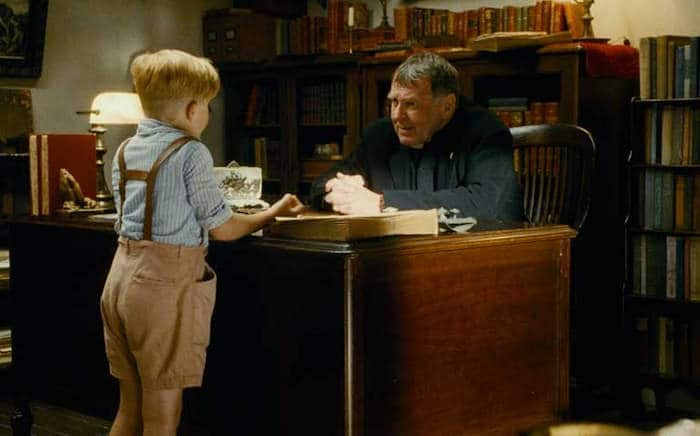
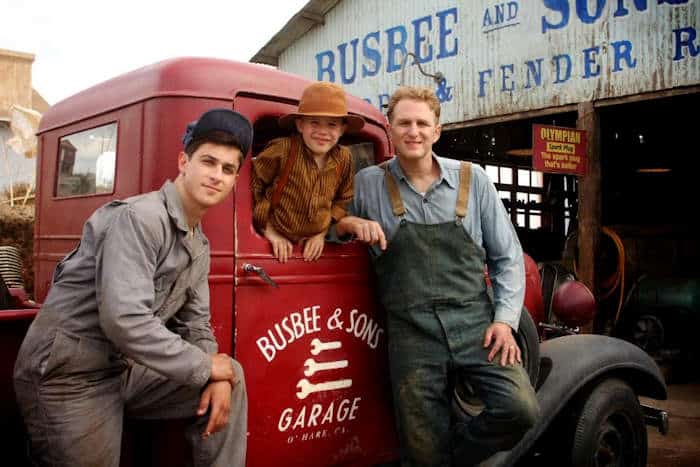
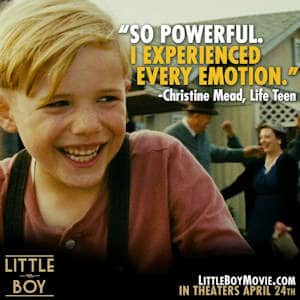 Little Boy’s runtime is a bit short of two hours, yet skillful editing ensures that the viewer is kept engaged at all times. One example of this is the utilization of parallel cuts to quickly alternate between two actions simultaneously taking place at separate locations (in reality and fantasy: from a room in the house, to a pirate ship, to a village street, to the jungles of the Philippines). Another technique effectively used by the director is Inside/Out editing (where the viewer is jolted suddenly from a familiar scene or line of action to a close up detail in a new and unfamiliar place) resulting in dynamic and exciting scenes.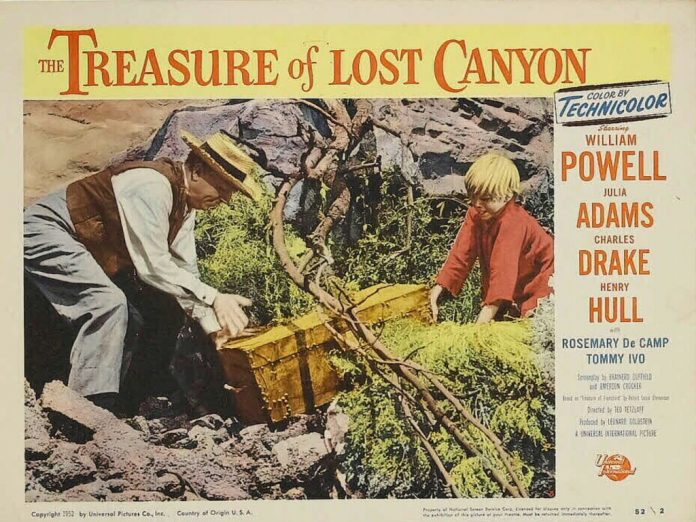
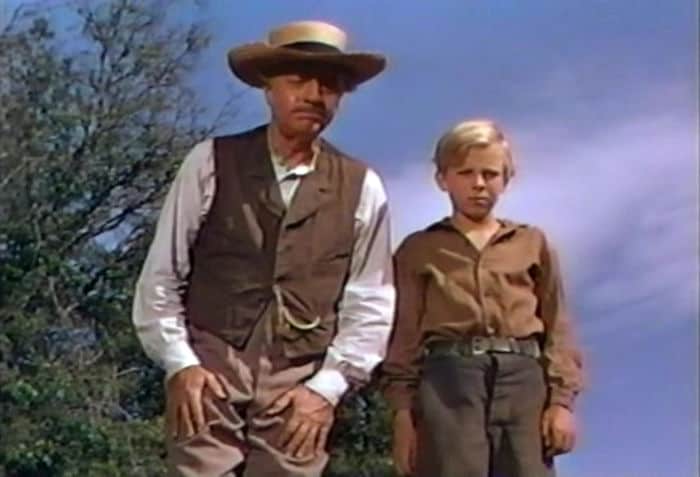
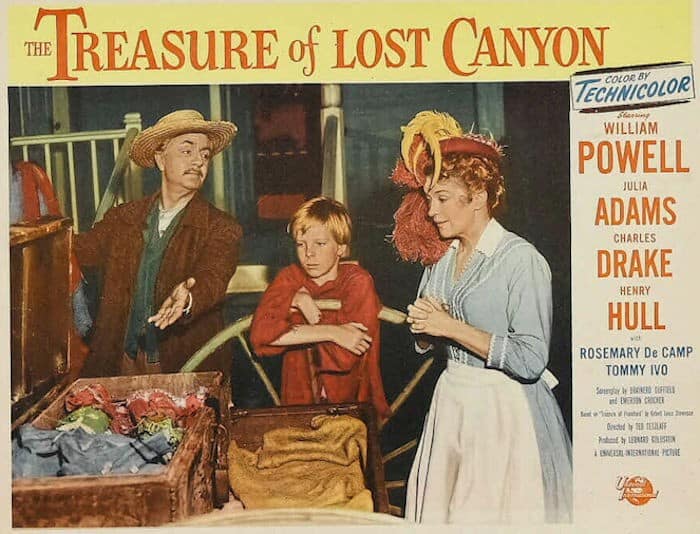
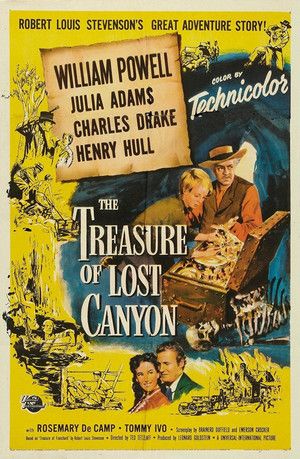 Searching for another film to watch and review, I stumbled upon an actual (but, alas, somewhat forgotten) classic of the Coming-of-Age cinema: Ted Tetzlaff`s The Treasure of Lost Canyon.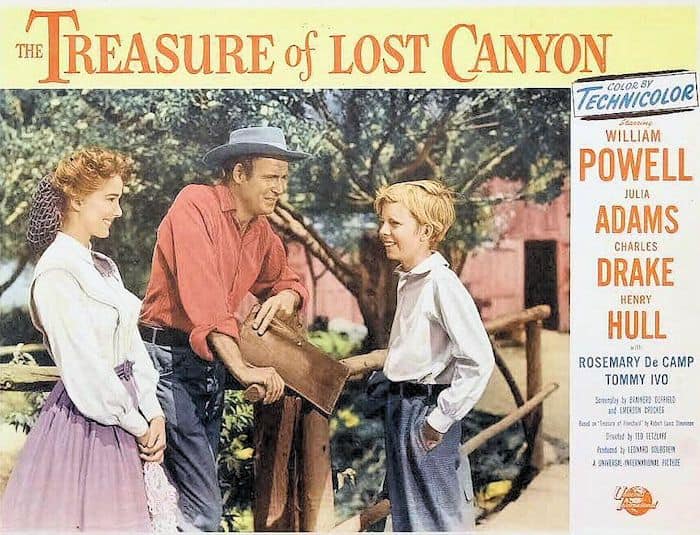

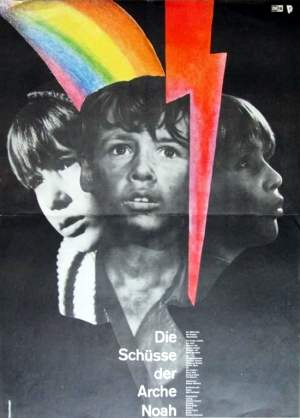
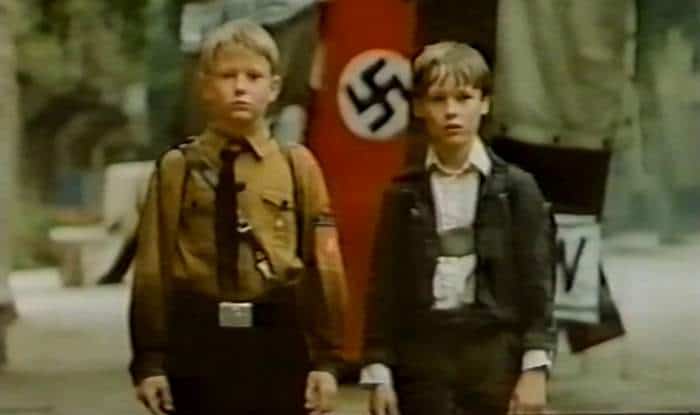
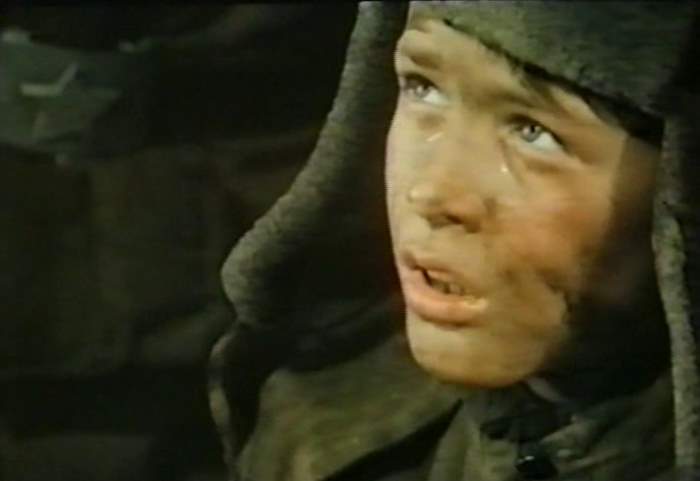
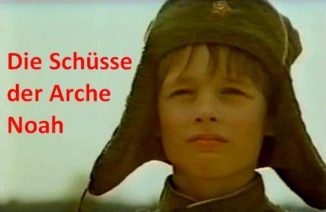 The original story in the film is told in both a dramatic and a human manner. It captures and holds the interest of the audience thanks to the skillful manner in which director Egon Schlegel amplifies the film’s reality. One learns a great deal about the daily life of German youth during the war years, from their exposure to propaganda and distinct ideologies, to witnessing the horrors of war.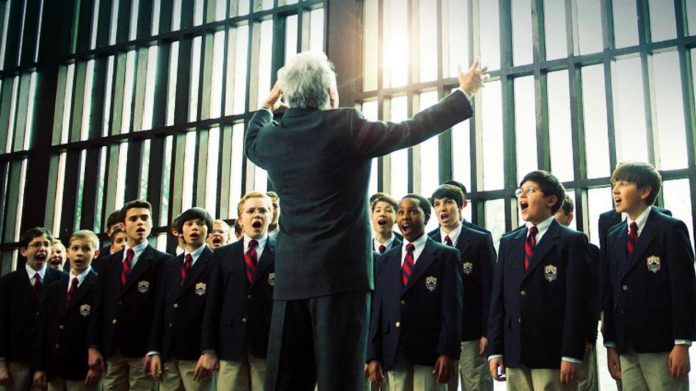
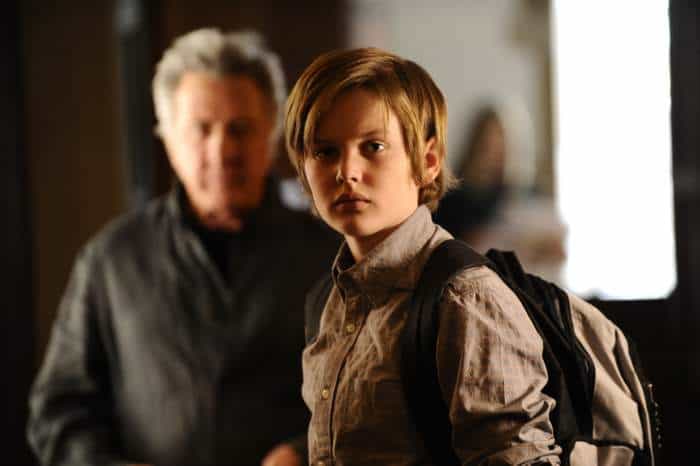
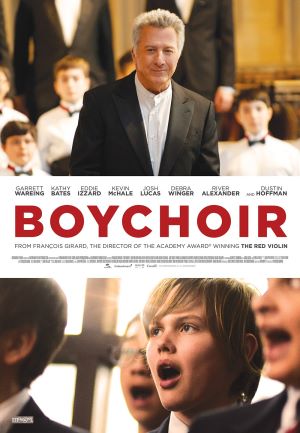 Boychoir.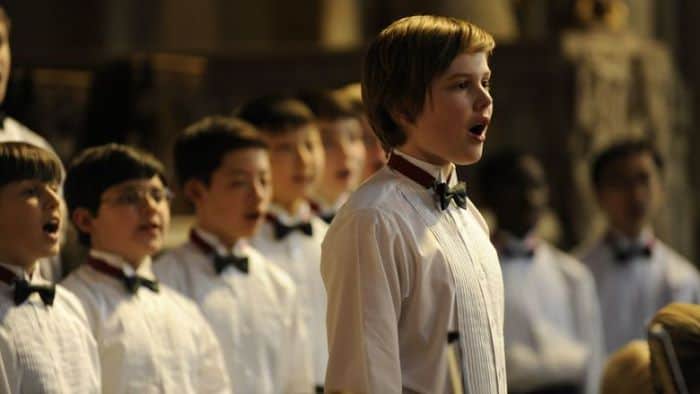


 But this youngster has given some thought to his future as well. In addition to drumming, he likes maths and engineering and can picture himself in the field of science, like his role model Tom Scholz, who went to M.I.T. before starting the band Boston.
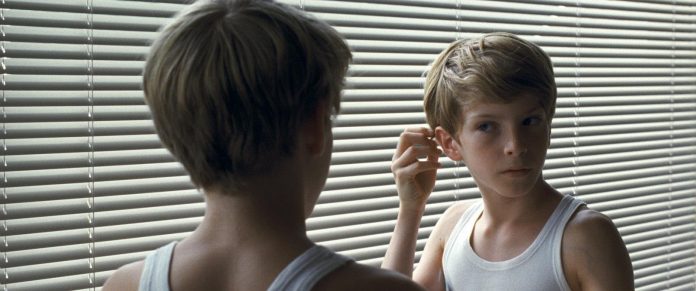
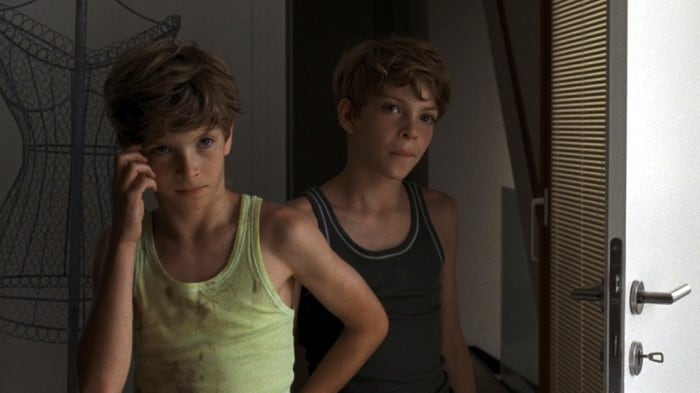
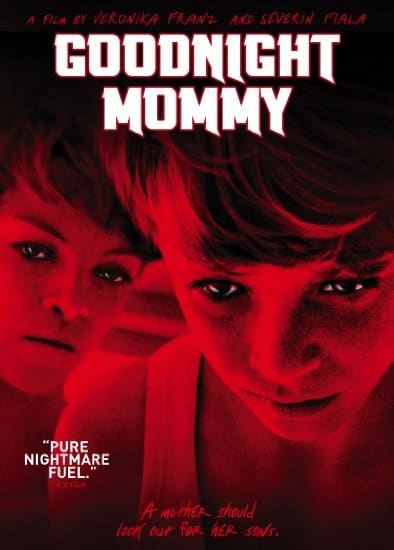
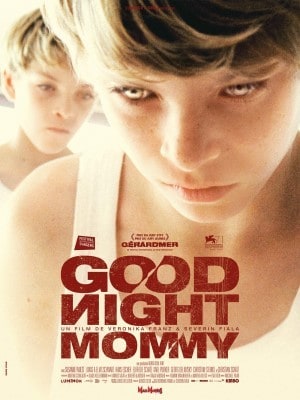 After watching a substantial number of films with somewhat similar plots, one can lose hope that an original narrative still exists out there. That is probably why I was pleasantly surprised by the abundance of plot twists and riddles offered by the Austrian directors Severin Fiala and Veronika Franz in their 2014 movie Goodnight Mommy (Original title: Ich seh, Ich seh).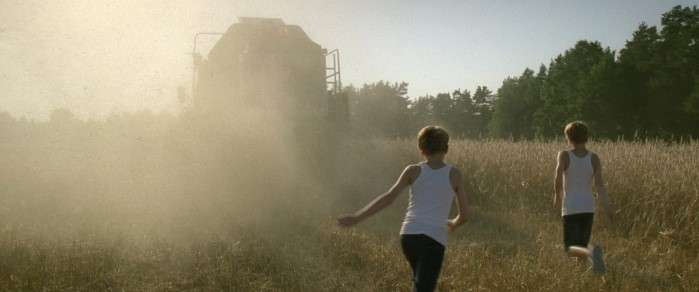
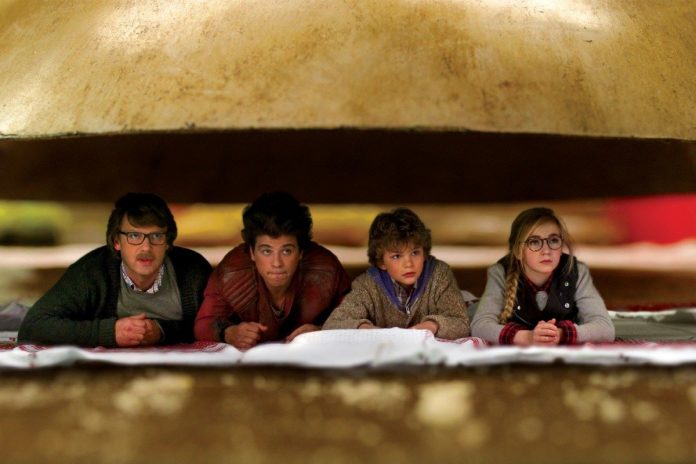
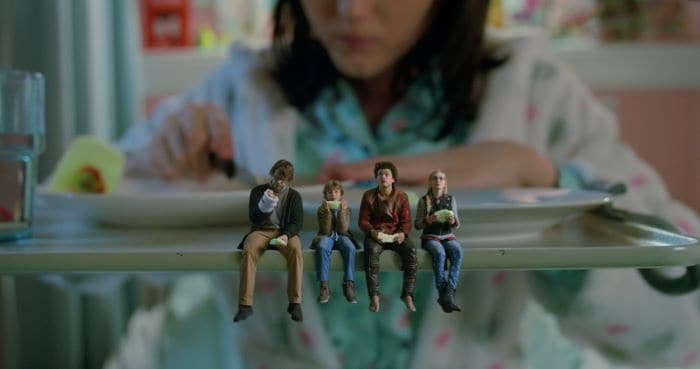
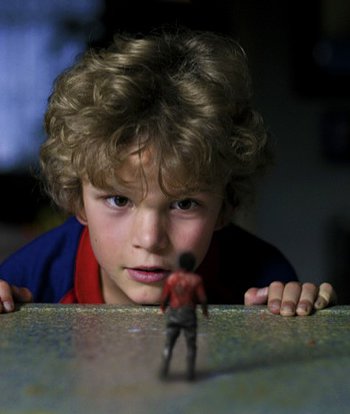
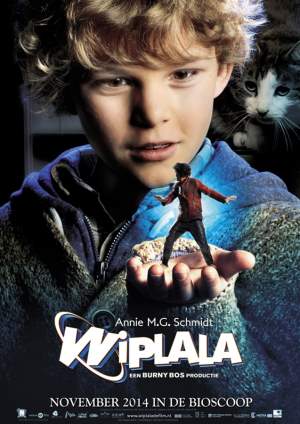 If you thought that the time of magic has long gone by, the children’s movie Wiplala is more than capable to change your mind and amuse you while doing it. Based on a popular Dutch children’s book and directed by Tim Oliehoek the film features an engaging and humorous story which brings back reminiscences of Selma Lagerlöf`s novel The Wonderful Adventures of Nils (A Coming-of-Age masterpiece on its own) and the popular American family films Honey, I Shrunk the Kids and The Indian in the Cupboard (with the latter they even share similar poster artwork).