With an absent mother, frustrated father and an elder sister whose raging hormones turn into a nuisance – life is not easy for 11-year-old Tommaso (Alessandro Morace). He is the protagonist of Along the Ridge (Anche libero va bene), an Italian Coming-of-Age drama with a strong accent on the interpersonal relationship within the family.
The plot focuses on displaying the dramatic in ordinary situations and, while some may not find it has a coherent development – it still manages to encompass a significant number of motifs that frequent Coming-of-Age narratives such as the differences between social classes, friendship, the relationship between parents and kids, first-love, ambitions, and change in general.
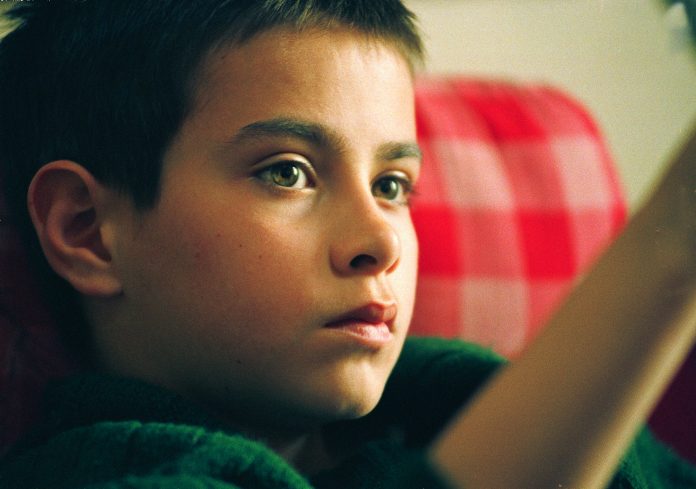
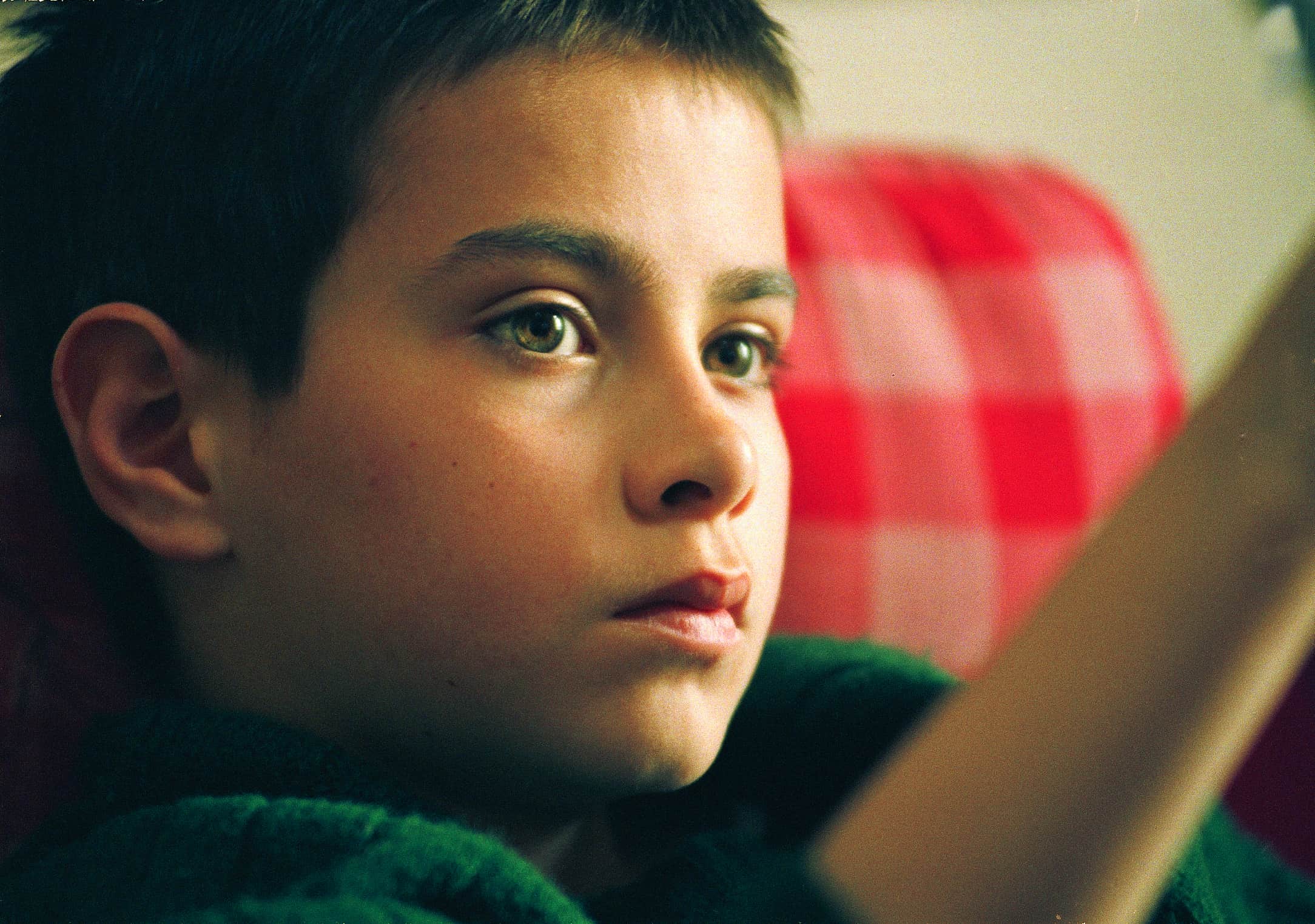
Alessandro Morace as Tommaso in Anche libero va bene
Alessandro Morace delivers a compelling performance in the role of Tommaso. He is on screen in almost every scene (the story is told from his viewpoint after all) and it is his sincere acting which allows the viewers to feel for the struggles and tribulations of his character — a character who is charismatic, yet subjected to an emotional pressure hinted at by his eyes and expressions.
Admittedly I half-expected a much more dramatic ending – yet am not completely disappointed with the one the film has as it is in line with the rest of the narrative – sticking to a reality in which a no easy-way out is rare.
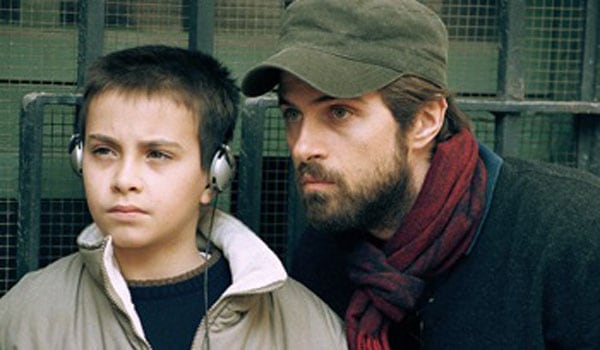
Father and son
If you are not used to the realistic approach to storytelling, the film’s length may not be to your taste – especially for people looking for exciting twists in the story. That’s probably the reason why the film is likely to find fans mostly from among older viewers or those who enjoy the experience of discovering a natural talent in first-time child actors.
Trailer
If you want an uplifting Italian flick with Coming-of-Age overtones, Along the Ridge won’t fill the bill. But you probably will enjoy Gennaro Nunziante’s 2013 comedy Sole a catinelle (Sun in Buckets). If, on the other hand, you like the honesty and realism portrayed and look for similar titles – I recommend the 2011 indie film A Little Closer or the Italian, Incompreso (1966).
Along the Ridge (Anche libero va bene)
In short
An Italian Coming-of-Age drama with a strong accent on the interpersonal relationship within the family.
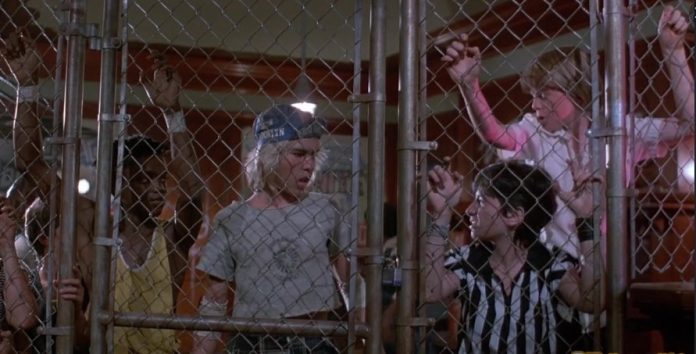
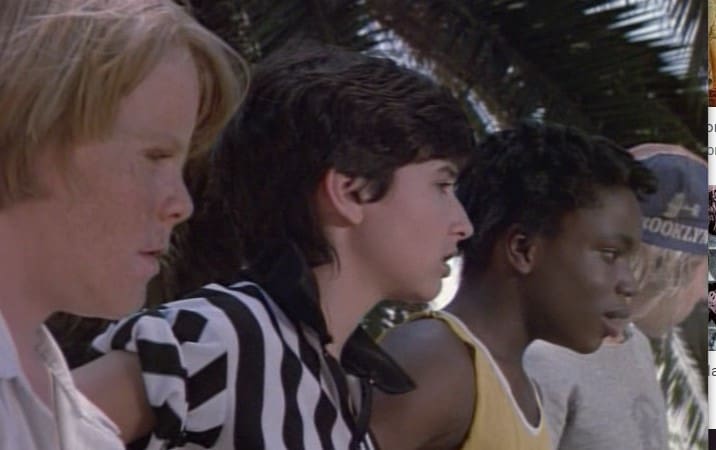
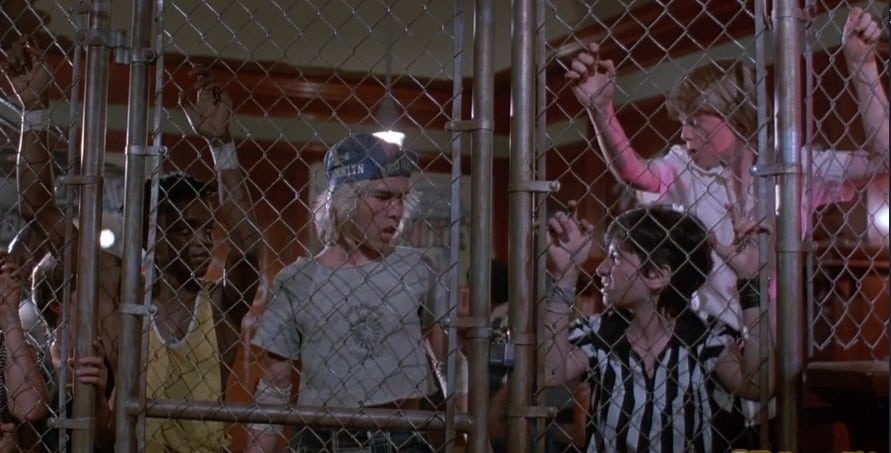
If you like to waste time and feel a bit naughty doing it with the help of a film filled with senseless jokes, Bad Manners is a perfect pick. The best part about it is the rocky musical score and frankly that vintage garb that everyone wears.
In a way, the film is a bizarre satire of life in the 80s in the USA – ridiculous, but so funny at times (and often a bit offensive). In a way, the experience of watching it is enjoying the guilty pleasure of enjoying its jokes.
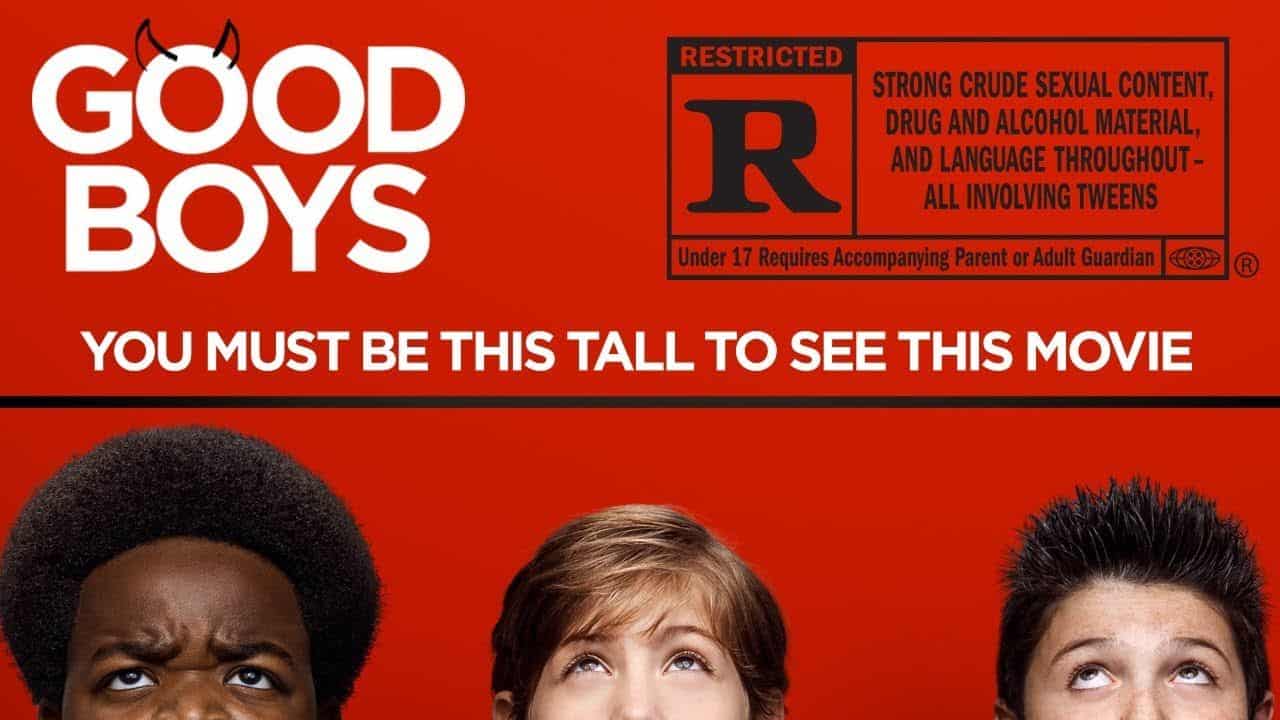
If you are looking for a suitable, more recent, title to compare Bad Manners to – it would be Gene Stupnitsky‘s 2019 American Coming-of-Age film, Good Boys. Though, in all honestly, the scenes in that film don’t quite match the quirkiness of this 1984 flick. After all, scenes in which kids smoke, drink and make remarks about the human anatomy (PARENT ALERT) – are not likely to sneak by today’s morality censorship. It’s still mixing juvenility and vulgarity like in Good Boys but, for some reason, the wild and anarchic action (as there is not that much of a coherent story) is much more fun to watch.
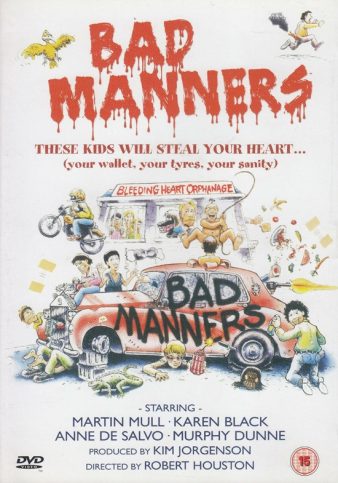
The pace is fast, the thrills are exciting. Watching the film is like a rollercoaster ride. While you may not get much out of it, boy is it wicked fun to watch! It’s about kids with attitude and energy, about disobedience and rebellion – and the slogan printed on the poster does not lie in promising that:
“Those kids will steal your heart …. (your wallet, your tires, your sanity)“
Bad Manners is a bizarre satire of life in the 80s in the USA – ridiculous, but so funny at times. While you may not get much out of it, boy is it wicked fun to watch!
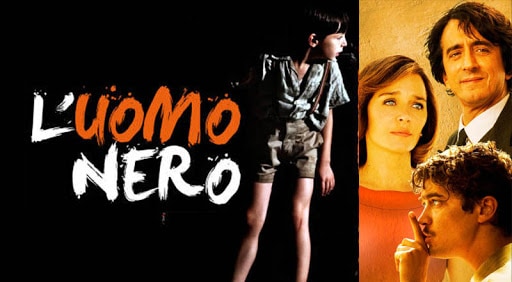
The Black Man (L’uomo nero) is the kind of Coming-of-Age film in which the main protagonist reminisces his childhood and all of the experiences and tribulations that have profoundly shaped and molded his persona. As typical for these kinds of narratives, the story is told from a child’s perspective, which makes it progressively inventive, mischievous and dazzling – all mixed in with bittersweet nostalgia.
Guido Giaquinto
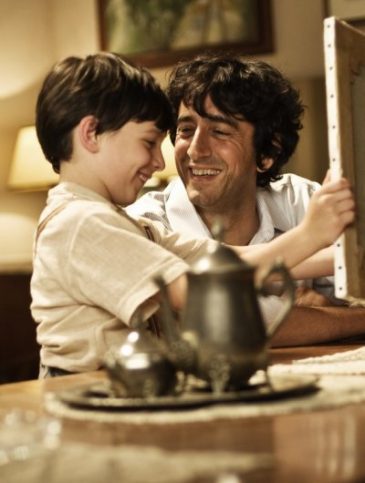
The film takes us back to a small Italian village during the 60s, focusing on the goal of a rail-station employee to realize his artistic inspirations by drawing paintings – a hobby that has transformed into a wholesome obsession, affecting not only his personal life, but that of his family as well and especially of his seven-year-old son Gabriele (Guido Giaquinto).
Childhood is a magical time in most peoples’ lives and its portrayal in this film expresses the imagination of the young Gabriele, who frequently resorts to it when forced by the irrational (to his mind) behavior of the adults around him. Yet this approach only enhances the real world without diminishing the dramatic value of the narrative.
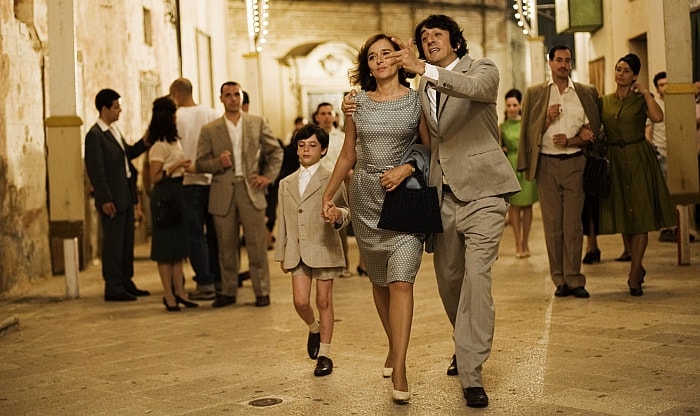
Scene from L’uomo nero (2009)
The excellent casting of the young Guido Giaquinto as Gabriele is wonderful, as the innocence of his character frequently shines through his gaze and facial expressions. He finds himself in all kinds of bittersweet situations typical of children of that age: running barefoot on the streets, stuffing himself with candy, sneaking a peek at some naked ladies while with his uncle, kissing a girl and getting into all kinds of mischievous adventures.
The dynamic relationship between father and son is explored wholesomely with all of its traits – from loving care to frustration and from pride to disappointment. Because of his father’s ambitions, Gabriele’s childhood is a troubled one – yet still full of magic and awe.
The cinematography is beautiful and the way the Italian landscape and characters are portrayed reminds me of I’m Not Scared (2003) – another film with an Italian director with an emphasis on the rite-of-passage of its protagonist.
The experience of watching L’uomo nero (or The Black Man as it’s title is translated) can be compared to reading a good autobiographical book. There are enough story motifs to intrigue the mind of the viewer while, at the same time, allowing for complete immersion into the bittersweet memories of one’s own childhood.
A Coming-of-Age film in which the main protagonist told from a child's perspective, progressively inventive, mischievous and dazzling – all mixed in with bittersweet nostalgia.
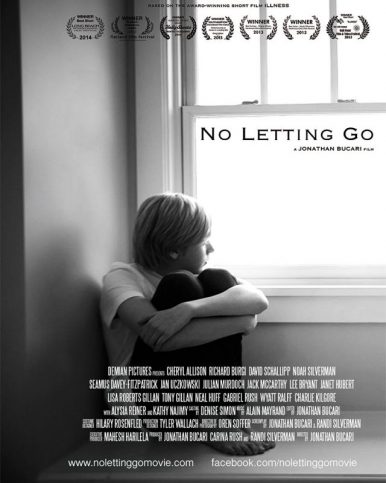
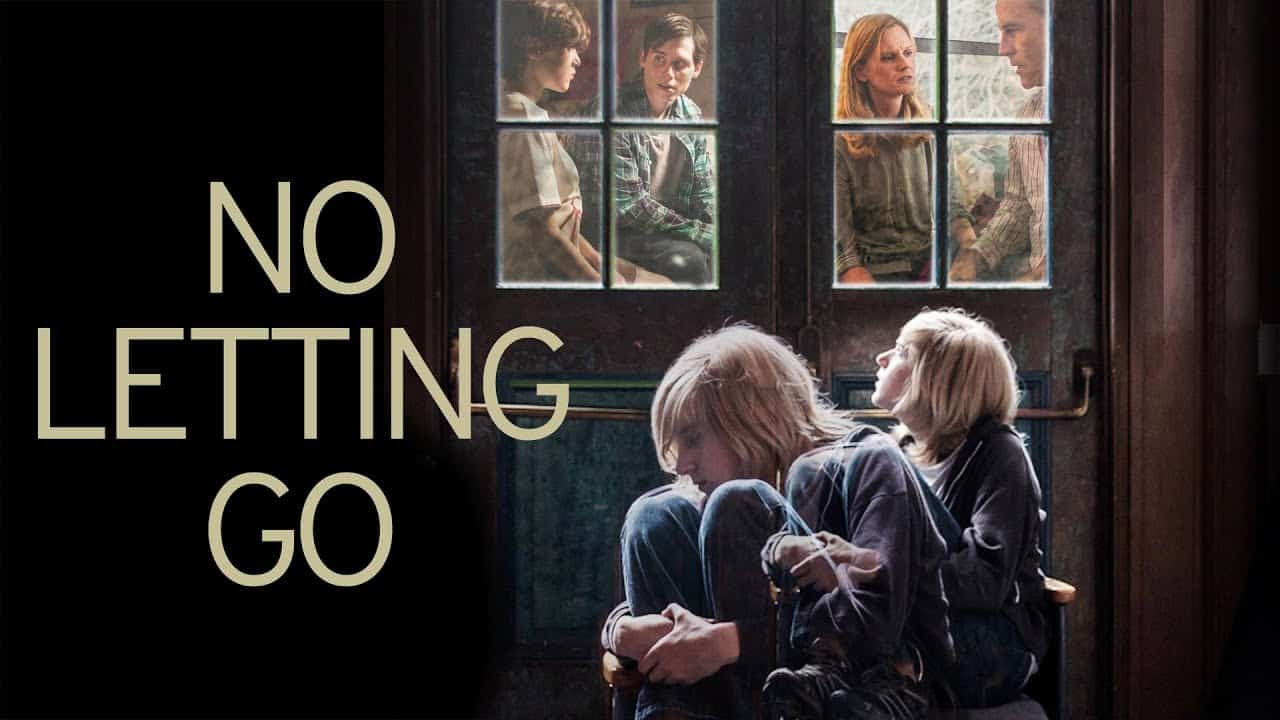
In its essence, JonathanD. Bucari‘s No Letting Go is a Coming-of-Age film. It recounts the trials and tribulations of a young boy suffering from a bipolar disorder, following his life from infancy through adolescence. Yet not only his experiences are in focus, but those of his entire family, allowing the viewer to observe the effects such an illness can have on the family unit as a whole, as well as each single family member individually.
While the story and the acting may not be as provokingly intense as that of Juan Jose Campanella‘s The Boy who Cried Bitch (which in my mind is a pillar when it comes to portraying troubled youth and mental illness), it manages to intrigue the viewer with its sincerity. The characters felt real enough, so eventually one starts to care about their fate. It does not happen quickly however. In the beginning, the acting is not all that convincing. But there is a slow but constant progression in character development as the story unfolds – making the characters more and more relatable. That’s probably the reason why the emotional climax of the film (which interestingly enough does not occur at the finale, but much earlier), pulls heavily on the viewers’ heartstrings and is guaranteed to bring some tears to the eyes of many.
David Schallipp as young Timothy in No Letting Go
The slow-paced family drama No Letting Go has a Hallmark feel to it, which is not necessarily a good or a bad thing, but I describe it that way as hopefully, it will be helpful in setting your expectations.
Fans of Coming-of-Age movies may recognize some familiar faces that starred in Moonrise Kingdom such as Gabriel Rush and Jared Gilman who appear in this film alongside the newcomers David Schallipp and Noah Silverman who portray the main protagonist in different stages of his life.
While not exactly a masterpiece, the film still manages to draw attention to poignant, if often overlooked, subject matter in a humane and subdued way.
Combining a Coming-of-Age theme with feel-good holiday overtones, Alexander Johnston‘s The Angel Doll offers old-time family entertainment soaked with nostalgia for a time when a boy’s biggest dream in the world was to own a bicycle (instead of an iPad).
A trip down the memory lane for the main character, Jerry Barlow, takes us back to a rural American town during the 50s. Back then, ten-year-old Jerry (played by Michael Welch) befriends ‘Whitey’ Black (Cody Newton), a boy of the same age as Jerry, who has recently moved into town along with his mother and terminally ill little sister. The boys come from different social classes, but that does not deter their friendship.
Much of the plot surrounds Whitey’s struggle to acquire an angel doll for his sick sister who adores anything that has to do with angels.
Based on the novel The Angel Doll: A Christmas Story by Jerry Bledsoe, the filmmakers utilize some first-person narrative to introduce the characters and the settings. The movie is filmed in a manner that truthfully presents the boyhood experiences and tribulations of its heroes. The story is neither complex nor overly simplified and manages to capture one’s attention.
Yet the film is likely to appeal more to older audiences as it will be easier for them to appreciate its message without necessarily feeling the need for more action and excitement (the story develops at a rather slow pace).
Michael Welch and Cody Newton
The Angel Doll is a sensible film that owns much of its appeal to the acting of Michael Welch and Cody Newton. The interactions between them feel sincere and are a pleasure to observe. If you are looking for an easy going/feel good film, The Angel Doll will fit the bill perfectly.
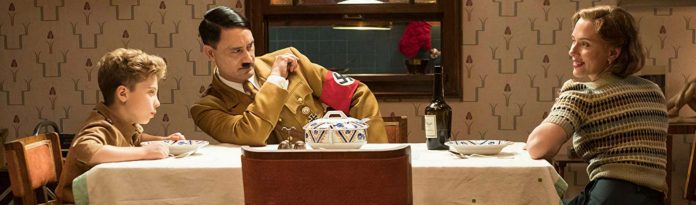
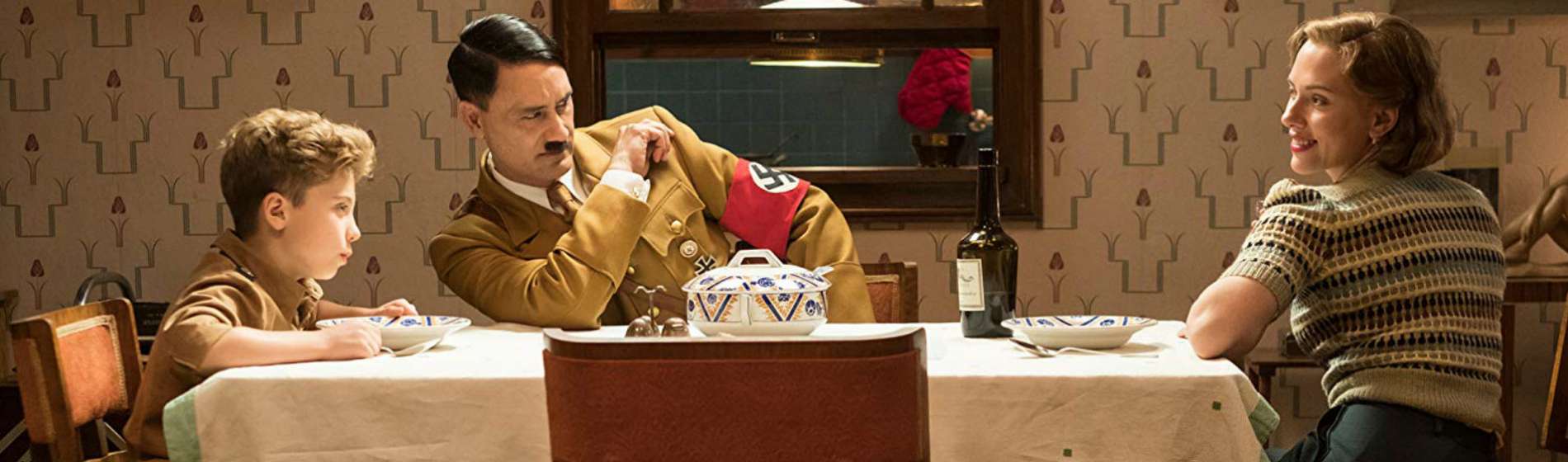
Slightly controversial, yet hilarious, Taika Waititi‘s 2019 film Jojo Rabbit is a refreshing Coming-of-Age film, full of energy and emotion, that guarantees the viewer’s enjoyment.
Ten-year-old JoJo (Roman Griffin Davis) has aspirations to be the best Arian member of The Hitler Youth. Living with his mother (Scarlett Johansson) in 1940s Vienna, JoJo is an impressionable boy, and what sets him apart from the rest of the aspiring youngsters to be good Nazi’s is his imaginary friend – not a funky looking animal or alien – but Adolf Hitler himself.
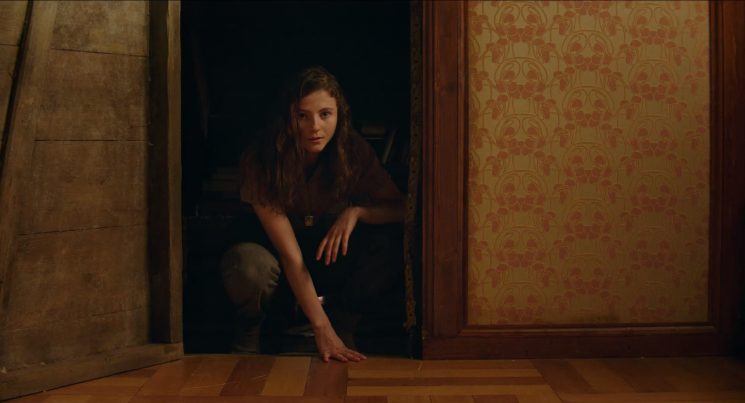
And if that isn’t enough, young Jojo discovers that his family is hiding a Jewish girl in the attic (although she lacks the horns he expects to see in order to tell Jews apart as he has always imagined).
An unusual friend – Adolf Hitler himself
The soundtrack, and its juxtaposition with the most satirical representation of Nazi society, turns what could have been regular documentary footage into an amazing backdrop for the story of young JoJo. There are some funny parallels between the German training camp JoJo attends at the beginning of the story and your average kids’ summer camp in the US – a satirical yet funny way to show how kids are both having fun and being prepared for the future roles that they will have in adult society. It is this satirical view that makes the story narrative much more original than anything you have seen recently while, at the same time, the film does not sink into absurdity and sneaks in a real plausible mindset and thoughts of a young boy growing up surrounded by propaganda and adults’ ideals.
A scene from JoJo Rabbit (2019)
As original as the narrative is, it’s the time period in which the action is set and some of the happenings and motives in the film that bring back reminders of other Coming-of-Age films. This is especially true for young Jews hiding to survive, with people putting their own lives at risk by helping them or just a child’s perspective of the war behind the front lines. Some titles that come to mind are Brian Percival‘s The Book Thief and Søren Kragh-Jacobsen‘s The Island on Bird Street (1997).
Thomasin McKenzie as Elsa in JoJo Rabbit
What sets JoJo Rabbit apart is the wonderful casting. All the actors, their interactions, and dialogue greatly contribute to the overall appeal of the film. It’s hard to judge JoJo for his beliefs – seeing his enthusiasm and innocence shining through the facial expressions and eyes of the young Roman Griffin Davis. Hitler is played by Taika Waititi himself – in what is probably the most ridiculous and bizarre portrayal of a historical figure ever, while Thomasin McKenzie brings out heroism in a special way in her characterization of a Jewish girl in hiding. Some of the most heartwarming scenes in the film – both funny and sad-are related to JoJo and his mother’s interactions – portrayed by Scarlett Johansson. I was mostly impressed by her dance skills, but her character is intriguing on so many different levels.
Jojo Rabbit Official Trailer
Taika Waititi has significant experience directing young actors – and fans of the Coming-of-Age genre will recall his films Hunt for the Wilderpeople (2016) and Boy (2010). Admittedly I’m not a big fan of the mentioned titles, but Jojo Rabbit completely blew me away with the ingenuity and originality of the plot and the finale – which did not disappoint.
Slightly controversial, yet hilarious, Taika Waititi's 2019 film Jojo Rabbit is a refreshing Coming-of-Age film, full of energy and emotion, that guarantees the viewer's enjoyment.
Despite its overly familiar story line of a young boy reaching “the age” in which interest in the opposite sex is awakened, Conor Byrne‘s 2003 film Foureyes is an enjoyable short film. It’s a convincing portrayal of an uncomfortable curiosity turning into agony for the young Jake Ryan as Bobby.
Recognizing that their son will soon be reaching puberty, Bobby’s parents hold an impromptu session to inform him about “the birds and the bees”. Due to the sensitive subject, those sessions turn really awkward, really fast.
The Coming-of-Age nature of the story is evident and the scenes humorous enough. Yet Foureyes never becomes more than a charming little short, due to its stereotypical plot and protagonist and the lack of character development as a whole.
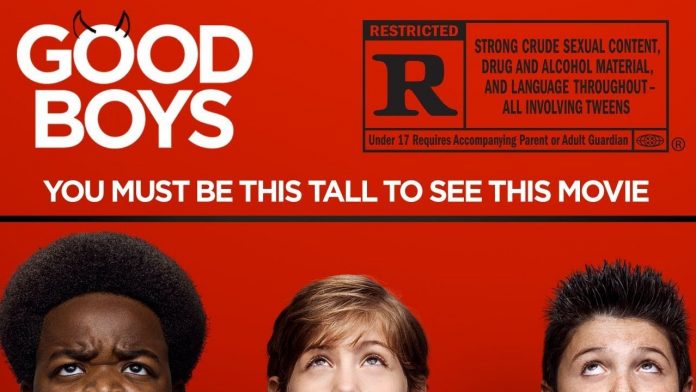
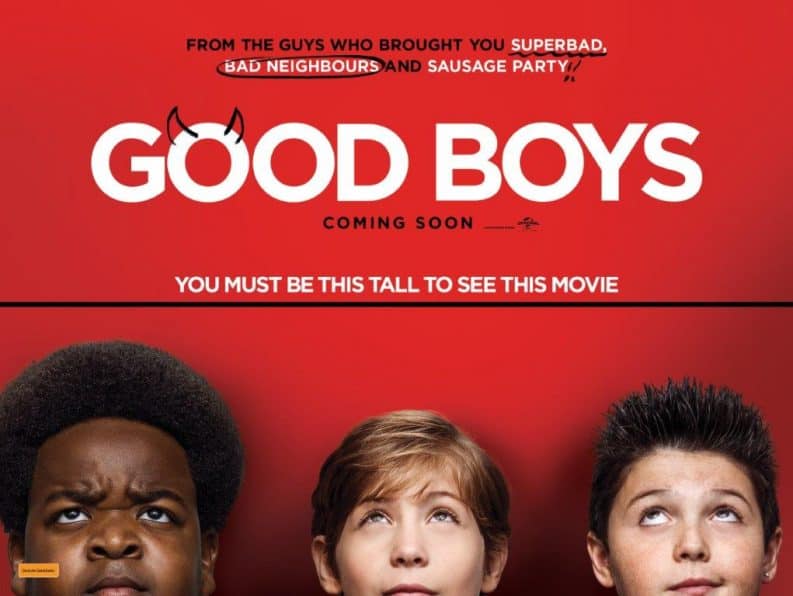
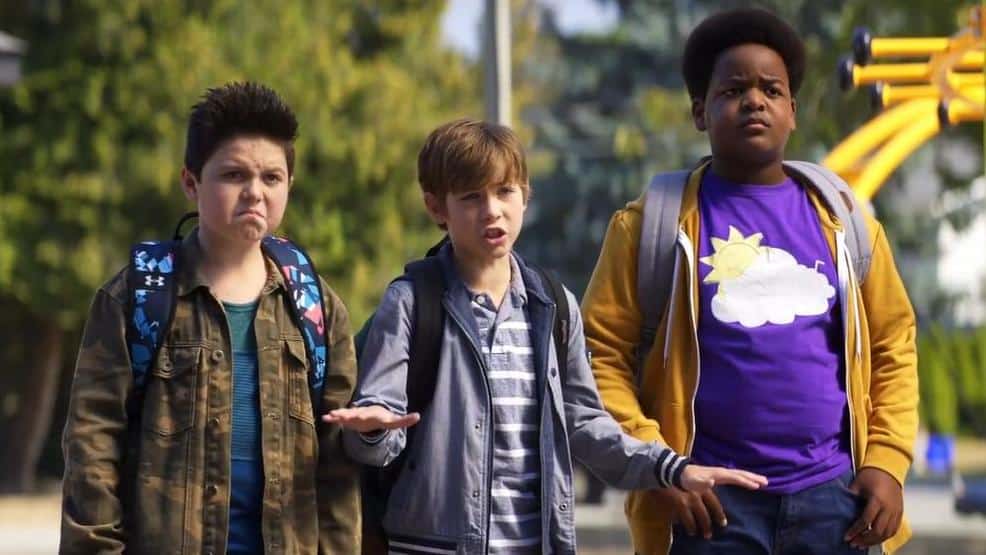
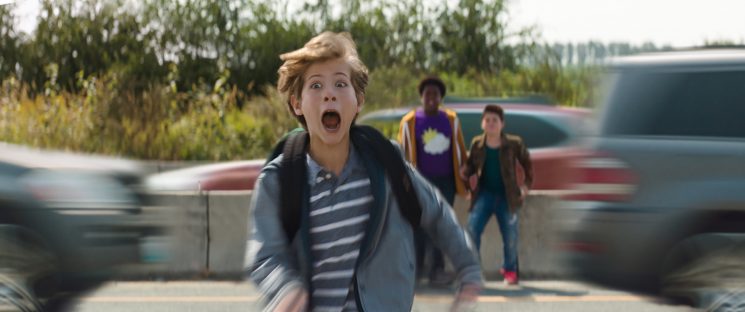
Do you know how people say that kids nowadays know a lot about everything because of the Internet? Gene Stupnitsky‘s 2019 American Coming-of-Age film, Good Boys, is a refreshing (though a little puerile) attempt to visualize that saying. In it, the experienced and well-known child actor Jacob Tremblay partners with other up-and-coming fresh-faced youngsters in order to do all kinds of mischief – like sipping beer, smuggling drugs, and participate in happenings filled with sexual innuendos (like innocently playing with sex toys while lacking the knowledge of the way adults use them). All-in-all the entire film feels like American Pie on steroids, but with preteen protagonists. Of course, all of this is done for a noble cause – the boys need to learn the art of kissing so that their first kissing party won’t be a total disaster.
Brady Noon as Thor, Jacob Tremblay as Max and L. Williams as Lucas
The plot, however, is rather simplistic and the jokes began to wear off after a bit. That’s the paradox in a post-millennial kind of film – most of the scenes appear as if taken from one of the popular social platforms – like Tik Tok or Omegle — and they forget that the attention span of users of these platforms rarely exceeds several minutes at best.
Max (foreground, Jacob Tremblay), Thor (Brady Noon) and Lucas (Keith L. Williams) in “Good Boys,” written by Lee Eisenberg and Gene Stupnitsky and directed by Gene Stupnitsky.
Maybe I’m of an older generation, but as far as the Coming-of-Age genre goes I consider Good Boys to fly a bit flat, especially when comparing it to real controversial flicks such as Thirteen, Kids or light-hearted masterpieces such as Sing Street, Age of Summerhood and The New Kid. The humor in the film is similar that in Seth MacFarlane‘s animated series The Family Guy or American Dad, but most of the hilarious dialogue feels quite odd coming out of the mouths of preteen boys.
You can say that’s all done in order to provoke, that mixing juvenility and vulgarity is the point. But, to me, it seemed that the great potential of the young actors was wasted by the lazy script-writing. As a result most dialogue, and even emotional outbursts, don’t feel very convincing.
Good Boys Trailer
http://youtu.be/zPXqwAGmX04
Am I being a bit harsh on this film? I might be. After all, if someone were to shoot a film about my own childhood, with all of its edgy scenes of self-discovery and learning about the world, and if it were shown on the screen (even without the ever-present sense of information overload coming from the technology nowadays), the end result may be equally ridiculous and disturbing. Yet Good Boys fails to evoke any nostalgic feelings. And, despite its inspiration of originality, it remains a cliché-ridden flick that’s OK for some time-wasting, but not for much more.
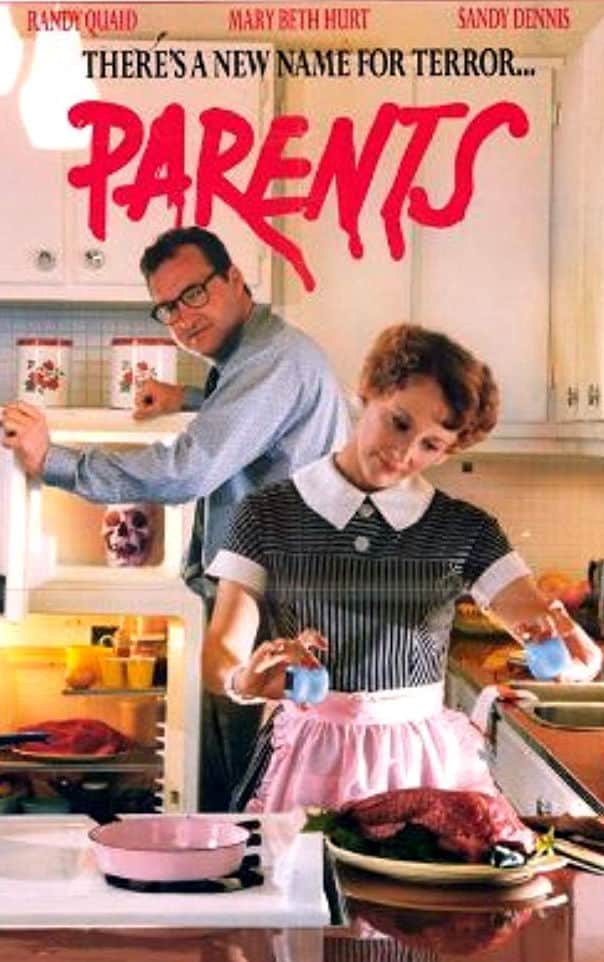
Bob Balaban‘s Parents is a smart little movie. We know Balaban mostly as an excellent actor (for example from Ken Russell‘s Altered States and Peter Hyams‘ 2010), and here he showed himself as a director with a clear vision and great satirical skill.
A mixture of genres
Parents is a mix between horror, comedy and Coming-of-Age that continues the line of movies from the 1980s portraying American suburbia in not so bright colors, but this time going more to the past – to the 1950s – the “golden age”.
Bryan Madorsky
What is this all about? The Laemle family has just moved to a new town – dad Nick (Randy Quaid), mom Lily (Mary Beth Hurt) and son Michael (Bryan Madorsky). The parents can easily navigate in the new environment, but Michael finds it difficult to fit in.
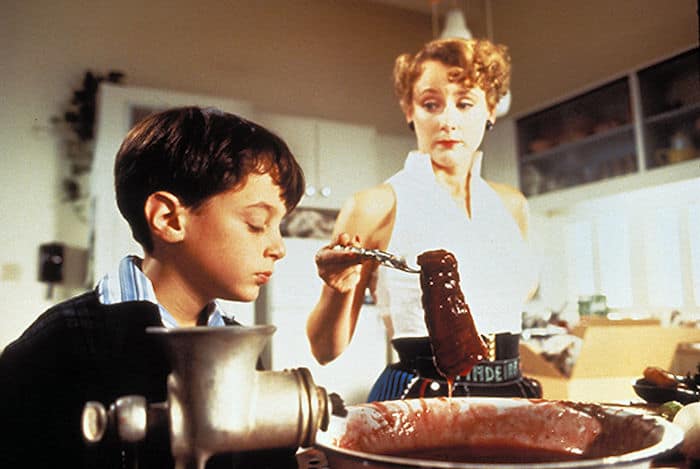
At the same time, he is tortured by horrible nightmares, a thing that has apparently occurred before. Every day, his parents serve meals of barbecue meat (“leftovers from the fridge”, that’s all Michael needs to know, according to his parents). He begins to suspect that the meat is not of the animal variety and that his parents are cannibals.
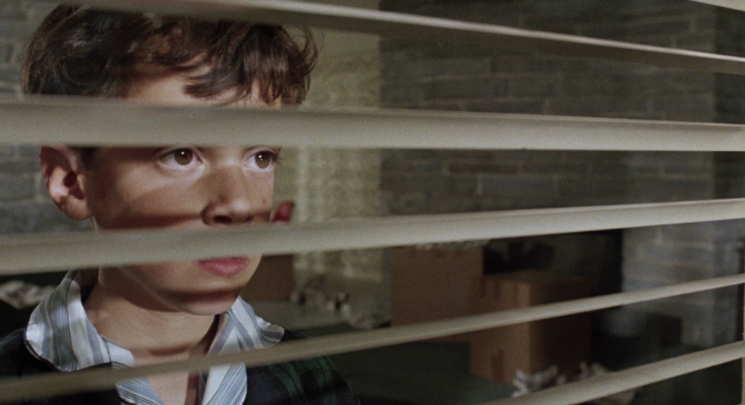
Scene from Parents
Most of the scenes are shown from Michael’s perspective, he is our guide most of the time. In other scenes, mainly where the film describes the external activities of the family, such as parties with friends and similar activities, Balaban makes fun of the customs and behavior of the people with exaggerated band music, color palettes, costumes and acting. Balaban constantly makes fun of an ‘ordinary middle-class family’. That is apparent from the first minute when they arrive in their new city.
The director also goes below the surface, which is where the real problems are hidden. Michael realizes that his parents and the world around him are not as they seem on the surface. Something is constantly hidden from him by the adults. His parents do strange things behind closed doors and his dad has a job that Michael doesn’t understand.
Michael’s suspicions are mostly related to the family, the environment in which he spends most of his time. The film is filled with scenes suggesting a heavy Oedipus complex, which is obviously one of the catalysts of Michael’s confusion. The father is the main threat here, but not only in the Freudian sense. He also becomes a very tangible, physical threat.
The theme of exploitation
If we look at the way the director shows Michael’s family and their acquaintances, we will see that there are a lot of rotten things inside them. The world of Parents is the world of exploitation of people – both on the level of nuclear families and on the wider social level, where classes still exist and their invisible and not so invisible borders cannot be crossed. Balaban pictures a world where the middle and upper classes function by the exploitation of the lower classes and of natural resources.
Dad Nick (Randy Quaid), mom Lily (Mary Beth Hurt) and son Michael (Bryan Madorsky)
It is a world where its laboratories create toxins (Nick works on the production of a new chemical defoliant) and atomic bombs, a world that experiments on human bodies and souls. But the viewer can see that behind the facades of common-looking houses, in which seemingly happy families live, are hidden crimes of the worst kind and where, with the assistance of other social institutions, the creation of docile and anonymous citizens is taking place.
Cannibalism is a metaphor for all those dark secrets behind the walls of the family, and the metaphor for a more comprehensive social cannibalistic order. Michael realizes very early that the world he has entered is not a happy place on many levels. He’s a child who senses that adults are lying to him, that they are hiding things, and making him accept their rules.
Trailer
One of the themes of the film is the role of leaders and servants within the American 1950’s family, which is a mirror for broader societal norms. Strict, unwritten rules are established within the family and need to be followed. In this case, dad is in charge, mom balances between a husband and a son (she is “converted” by the husband) and the child is the one who needs to accept everything served and continue the family tradition. Older men want to transfer their patterns of behavior, customs and norms to younger persons, not asking them for or wanting their opinions (“We’re bound for life, no matter how much you hate us”). It is a process that happens gradually and it’s expected that Michael will accept it.
Home meal
Balaban criticizes the authority which parents exhibit over their children, and also any form of social authority. Michael senses that something is rotten here and rebels against it.
There is another, more intimate level of the movie, which clearly connects with the aforementioned level of social criticism. Balaban rightly realizes that the horror genre connects very well with Coming-of-Age motifs, and he is interested in showing the process of growing up with the help of the horror genre tools. Michael is on the brink of puberty and maturation, still not entering that phase, but the process has already begun.
Therefore, all the elements of cannibalism can be attributed to his wild and troubled imagination, to his changing and sensitive self. That level is present throughout the whole movie and Balaban keeps up the ambiguity until the very end. As is already mentioned, Michael’s Oedipus complex is still not really solved, which adds a lot to the trouble he is experiencing. But it’s clear with whom Balaban’s sympathies lie.
Michael (Bryan Madorsky)
Michael may be experiencing his own inner problems, but something is definitely rotten in his family and he is not making up everything. His changing mind is working on many levels and maybe he’s imagining some things (or perhaps not?), but he may also be seeing stuff other people cannot see. The end of the movie leans more in this direction, still keeping the ambiguity but at the same time making the target of the director’s criticisms clear. The confrontation at the end loses some of the earlier onerous quality of the film, but it’s still a satisfying conclusion to the themes of the movie. The last moments give the film a fitting open ending.
The parallels between this film and Lynch‘s Blue Velvet are obvious. As is the case with Lynch, Parents has several surrealistic scenes where the inner torments of the protagonist come to the fore.
Because he spent most of his career in front of the camera, Balaban’s selection and guidance of all the actors is excellent. Randy Quaid is perfect as the authoritative father, the head of the family that doesn’t like complaints. He is mostly seen from Michael’s perspective – his face is dark and creepy and it seems like darkness will break out at any moment.
Mary Beth Hurt plays a loving mother who wants to help her child to overcome difficulties related to the new environment but shares the views of her husband about Michael’s future. A special revelation is Brian Madorsky, who plays Michael, an eight-year-old who begins to realize that the world is not exactly how he imagined it. There is a mix of confusion, doubt, and fear in his character, and Madorsky is perfect in all the scenes he appears.
Parents is an excellent and unjustly neglected horror-comedy-Coming-of-Age film from a very talented director. It’s an angry little movie with identity, made with love and care from all involved, and it has my highest recommendation.
Reed Van Dyk’s 2018 film Interior is a prime example of a naturalistic portrayal of a grim childhood in which the behavior of adults influences the adolescent development of a young Norwegian boy.
The cinematography is as bleak as the story itself – as one observes the isolated existence of a single mother and her son – each looking for love of a different nature, and neither finding it.
As its director described it in an interview for Stuff Pick Premiere at Vimeo: “the film is ultimately about mothers and sons, and the deprivation and confusion that’s born in a loveless home.”
The result is a modern-day grim urbanistic tale in which the audience is left to form an opinion of the film’s characters from their actions in an attempt to rationalize their behavior. While the story development is rather slow, the pace of the film lets the viewer absorb the sense of loneliness that both mother and son feel in their own way.
Interior is a film that inspires reflection rather than enjoyment. If you like the naturalistic approach of Scandinavian cinema, you will appreciate this story.
Based on the film’s poster and the share number of recognitions from International festivals, I had high expectations for the French 2018 psychological thriller Daniel. Yet while the plot features loss of innocence and first love motifs which would otherwise enhance the film’s narrative, it is delivered in such a poetic, surreal manner that one starts to lose interest in the action.
The main ideas are easily identifiable and the acting is on par – so much so that one can sense the emotional struggle and confusion of the ten-year-old protagonist of the film (played by Theo Polgar). An accidental encounter in the changing room with Marthe (Madeleine Follacci), Daniel’s female classmate, stolen glances of her long hair trailing down her bare back and the tenderness of her body, awakens unfamiliar emotions that confuse the hell of the young boy. Is it, love? Or is it appreciation? He is unsure himself, and it’s a question which viewers are expected to answer for themselves.
Per se, the story in Daniel, would have been better told in a shorter, more concise format, as the 59 minutes of run-time requires an effort from all but the most devoted of viewers. The film is aimed at children, but I doubt that a child would be grabbed by the story. As simple as it is, it’s likely to confuse even adults with no previous theatrical experience. There are metaphors of desire, doom and love all tied within the story, which can only be discovered with careful analysis. Overly ambitious, perhaps, Daniel is undoubtedly a Coming-of-Age film, which you can skip in favor of another one.
Under the Sun (Bajo el Sol) offers an intriguing visual take on sibling rivalry. Its action takes place on a remote beach where a young mother has decided to spend the day with her two six-year-old sons (Pablo González and Iñaki González). The boys appear to happily play together, but a jealous glance every once and a while hints of a something lurking in the back of their minds.
The film score and cinematography shape the tranquil, almost poetical, atmosphere of the picture, and although no dialogue is spoken, the casting of the young boys is done in a manner that the innocence shines through their every move and action. The filmmakers describe the film as a “biblical story of fraternal envy.” But somehow the plot feels underdeveloped – although one will not miss the film’s point thanks to the well-crafted ending.
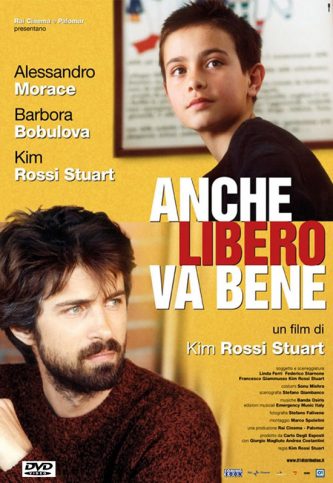 With an absent mother, frustrated father and an elder sister whose raging hormones turn into a nuisance – life is not easy for 11-year-old Tommaso (Alessandro Morace). He is the protagonist of Along the Ridge (Anche libero va bene), an Italian Coming-of-Age drama with a strong accent on the interpersonal relationship within the family.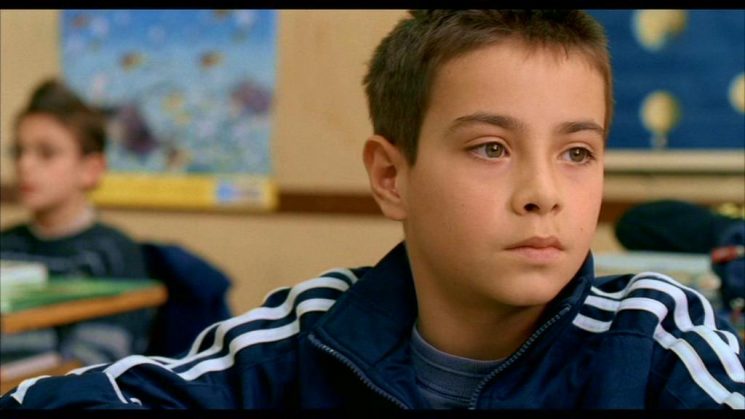
 If you like to waste time and feel a bit naughty doing it with the help of a film filled with senseless jokes, Bad Manners is a perfect pick. The best part about it is the rocky musical score and frankly that vintage garb that everyone wears.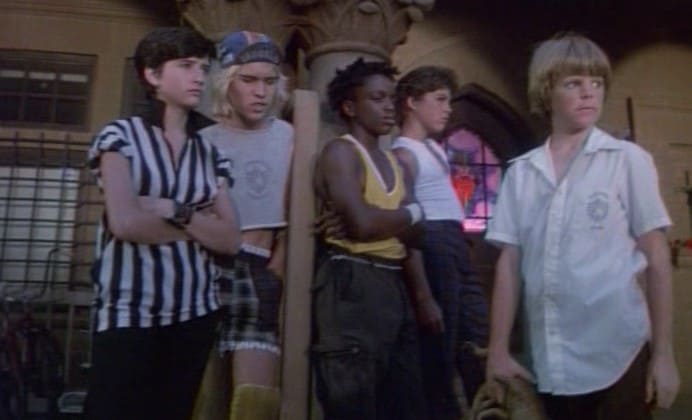

 The dynamic relationship between father and son is explored wholesomely with all of its traits – from loving care to frustration and from pride to disappointment. Because of his father’s ambitions, Gabriele’s childhood is a troubled one – yet still full of magic and awe.
 In its essence, Jonathan D. Bucari‘s No Letting Go is a Coming-of-Age film. It recounts the trials and tribulations of a young boy suffering from a bipolar disorder, following his life from infancy through adolescence. Yet not only his experiences are in focus, but those of his entire family, allowing the viewer to observe the effects such an illness can have on the family unit as a whole, as well as each single family member individually.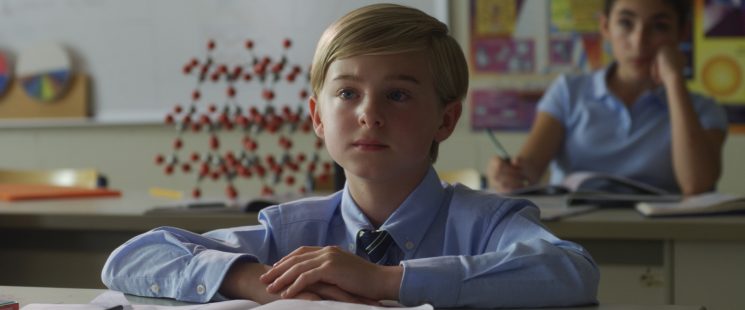
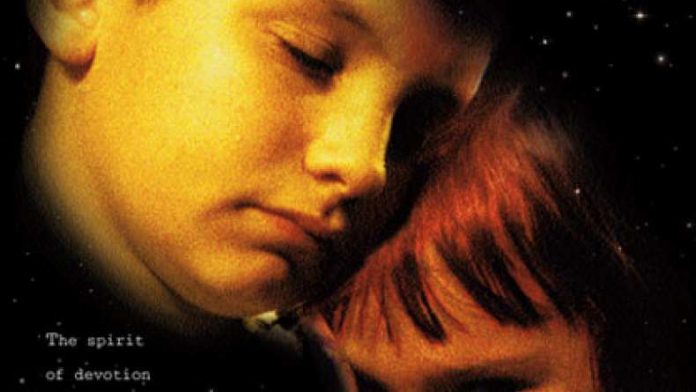
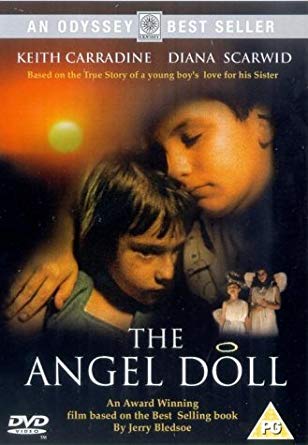 Combining a Coming-of-Age theme with feel-good holiday overtones, Alexander Johnston‘s The Angel Doll offers old-time family entertainment soaked with nostalgia for a time when a boy’s biggest dream in the world was to own a bicycle (instead of an iPad).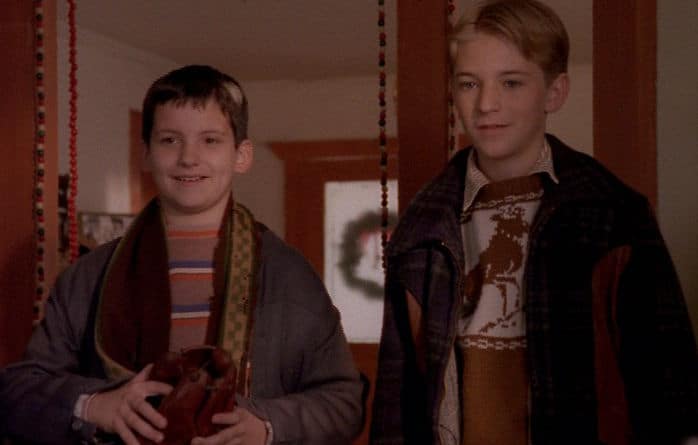
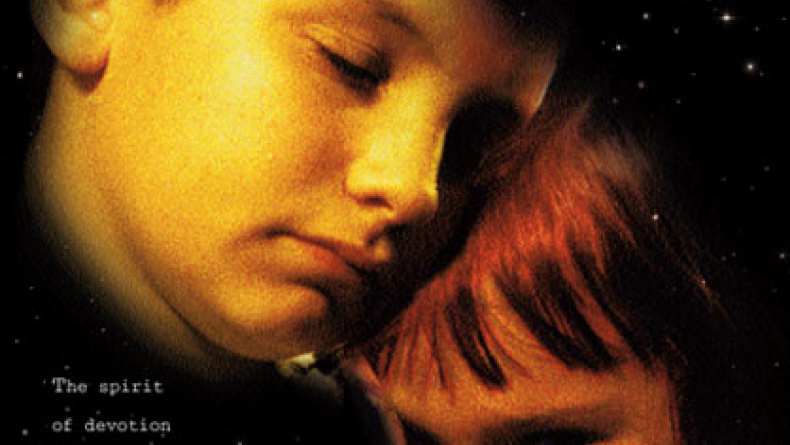
 Slightly controversial, yet hilarious, Taika Waititi‘s 2019 film Jojo Rabbit is a refreshing Coming-of-Age film, full of energy and emotion, that guarantees the viewer’s enjoyment.

 Despite its overly familiar story line of a young boy reaching “the age” in which interest in the opposite sex is awakened, Conor Byrne‘s 2003 film Foureyes is an enjoyable short film. It’s a convincing portrayal of an uncomfortable curiosity turning into agony for the young Jake Ryan as Bobby.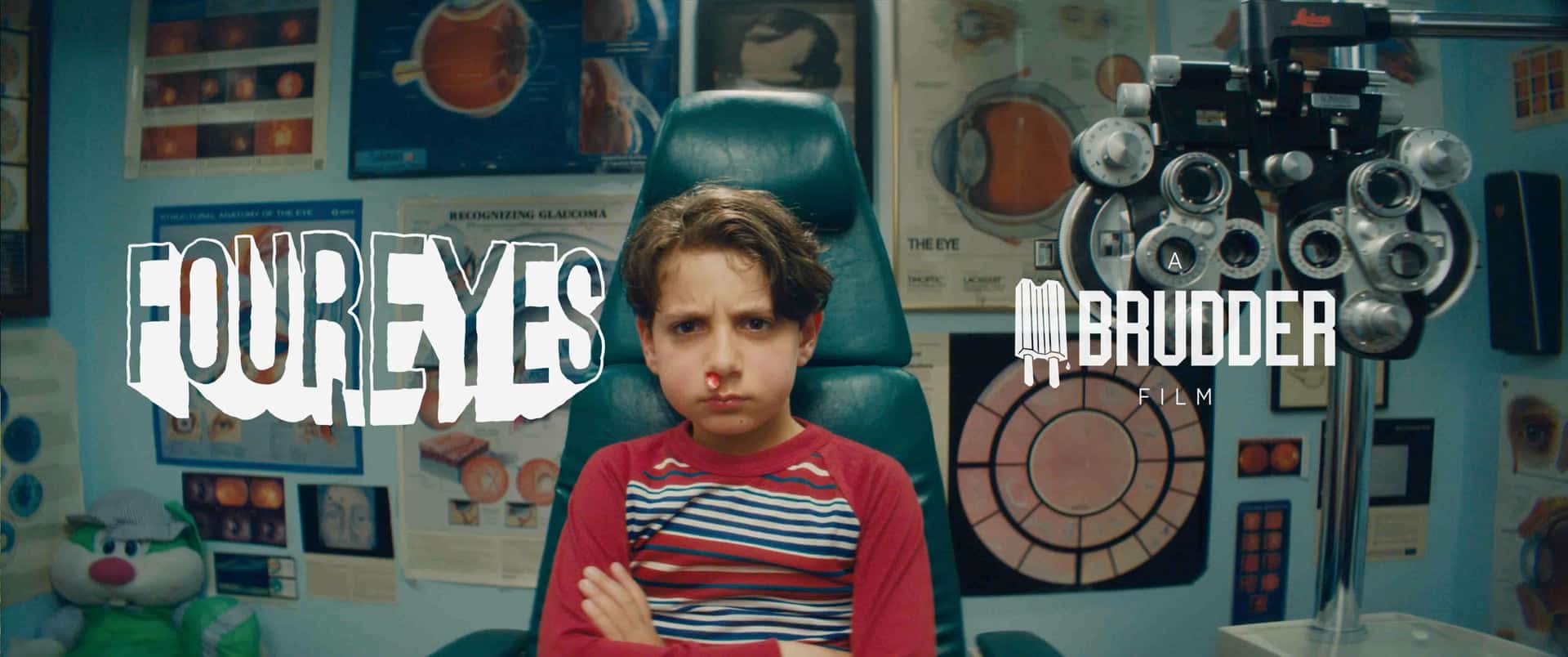
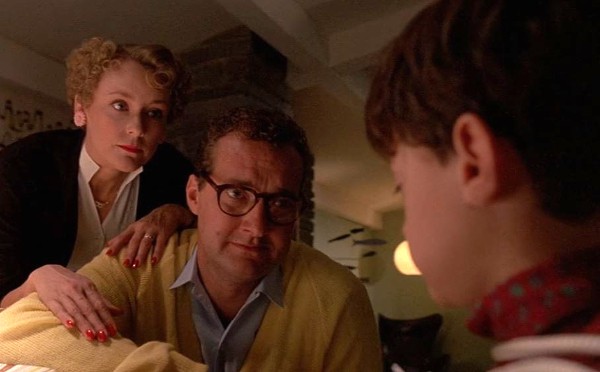
 The director also goes below the surface, which is where the real problems are hidden. Michael realizes that his parents and the world around him are not as they seem on the surface. Something is constantly hidden from him by the adults. His parents do strange things behind closed doors and his dad has a job that Michael doesn’t understand.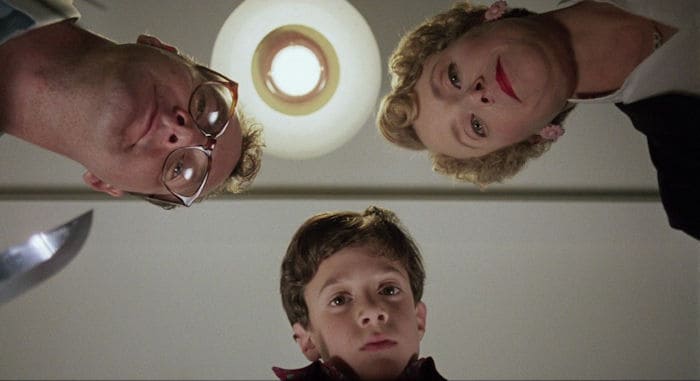
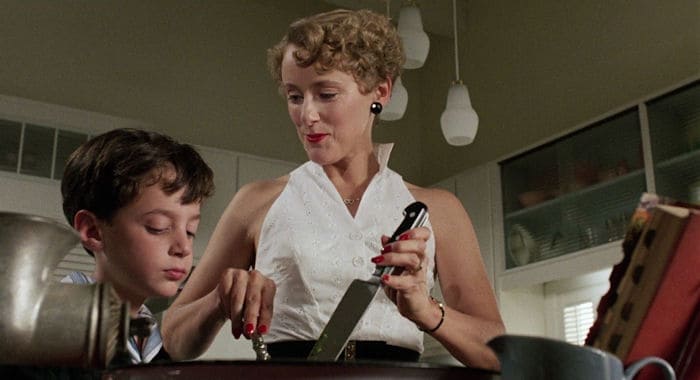
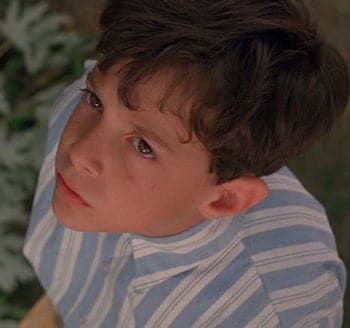 There is another, more intimate level of the movie, which clearly connects with the aforementioned level of social criticism. Balaban rightly realizes that the horror genre connects very well with Coming-of-Age motifs, and he is interested in showing the process of growing up with the help of the horror genre tools. Michael is on the brink of puberty and maturation, still not entering that phase, but the process has already begun.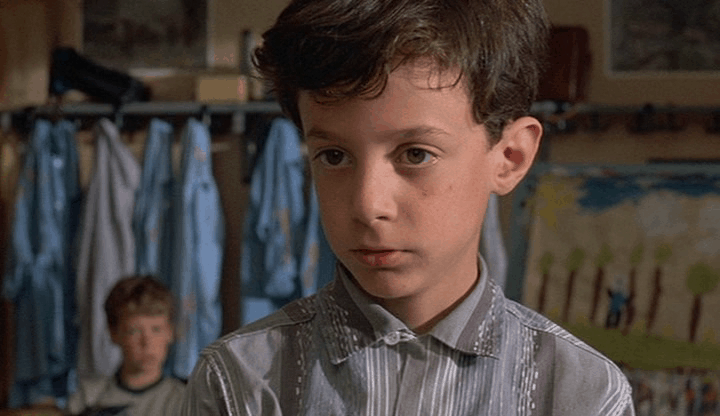
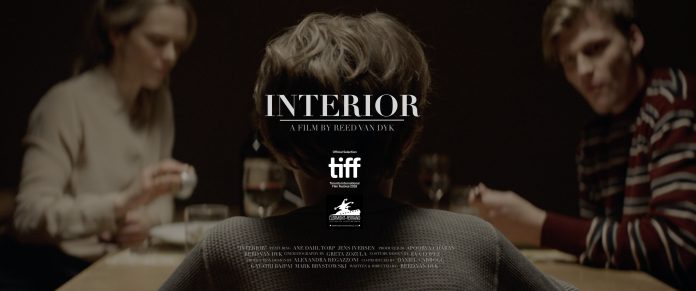
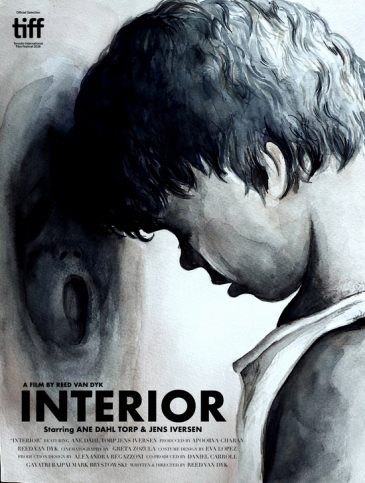 Reed Van Dyk’s 2018 film Interior is a prime example of a naturalistic portrayal of a grim childhood in which the behavior of adults influences the adolescent development of a young Norwegian boy.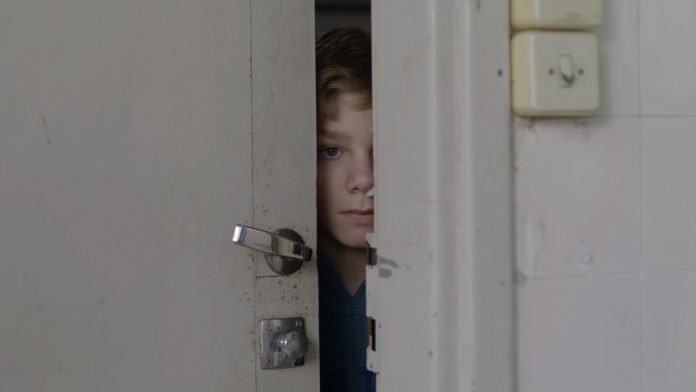
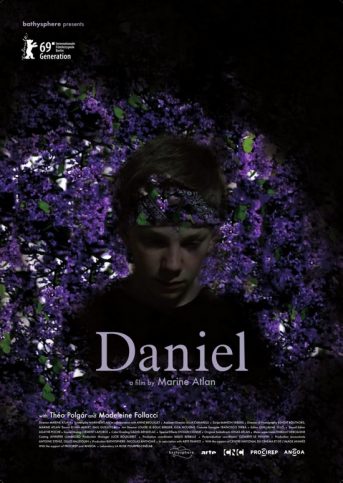 Based on the film’s poster and the share number of recognitions from International festivals, I had high expectations for the French 2018 psychological thriller Daniel. Yet while the plot features loss of innocence and first love motifs which would otherwise enhance the film’s narrative, it is delivered in such a poetic, surreal manner that one starts to lose interest in the action.
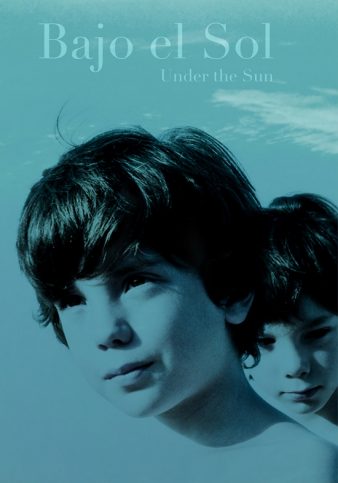 Under the Sun (Bajo el Sol) offers an intriguing visual take on sibling rivalry. Its action takes place on a remote beach where a young mother has decided to spend the day with her two six-year-old sons (Pablo González and Iñaki González). The boys appear to happily play together, but a jealous glance every once and a while hints of a something lurking in the back of their minds.