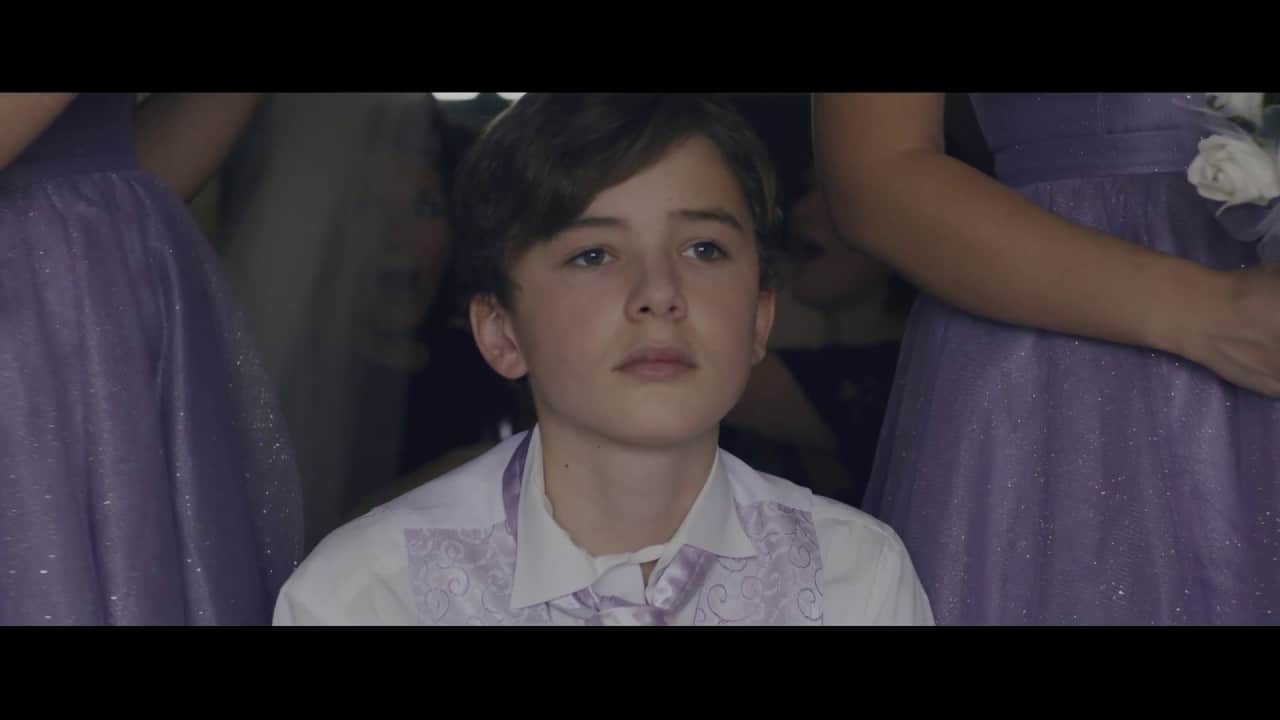
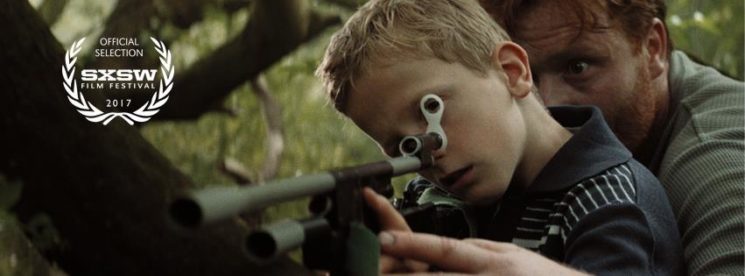
On the way to work, a thirty-year-old man encounters two young boys playing war with their self-made toy guns. Something stirs inside the man and suddenly he finds himself joining the children’s game. Completely wrapped up in the action, the man (thanks to his superior life experience) changes the rules of the game, which soon causes him to lose his grip on reality.
Whereas there is no doubt that the loss of one’s innocence is a central theme for the film (that can be argued for the kids and even the man in more abstract terms), underneath there is a warning of the dangers of pretending and not acting one`s real age. Message understood (Anti Peter-Pan Syndrome), yet sometimes warnings are easy to dismiss.
The plot of the Dutch short film Gamechanger is void of clichés, which enhances one`s viewing experience by boosting the uncertainty of what is going to happen next. As a result, the tension levels automatically rise. Hand-held camera techniques and excellent sound design (reminiscent of Jason Lapeyre and Robert Wilson inI Declare War ) – further enhances the believably factor and atmosphere of the action. Brilliantly directed by Christian van Duuren, Gamechanger is an impactful short film well worthy of anyone’s time.
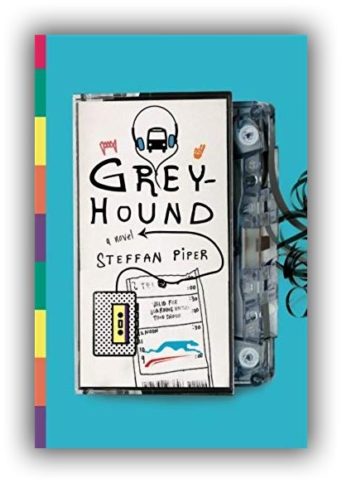
Occasionally a novel exceeds my expectations, and that is the case with Greyhound. Written by Steffan Piper, it tells the tale of twelve-year-old Sebastian Ranes, a young boy who finds himself alone on a Greyhound bus on a coast-to-coast journey across the United States.
With a distant mom, and an ever-changing succession of would be stepdads, being alone on a bus might have been the better variant for Sebastian who recalls his troublesome home life – making us understand that he had little to look forward to :
“…I was again an outsider on the edges of my mother’s love life. I was always more like an unwanted roommate than her son was. I knew it was only a matter of time before I’d be shuttled off to live somewhere else or beaten half to death, which had happened before and probably wasn’t yet out of the question…”
It is practically impossible not to sympathize with Sebastian as he recounts his story in a sincere tone allowing the reader to familiarize himself with his personality, with all of his naiveté, aspirations, hopes, and fears. Narrated in the first person, and filled with engaging inner dialogues, Greyhound could be seen as just a Coming-of-Age road-trip novel. But, in reality, the wisdom that is contained within its pages turns it into something different altogether.
During his cross-country journey, Sebastian encounters waiters, drivers, cops, clerks, maniacs and just “regular folk” among many other characters. Some treat him kindly, some are rude and some straight-out creep him out. It’s a crash course in surviving – as the interactions with them and his observations on the world around him play an important role in the shaping and developing of his character.
The most valuable life lessons for Sebastian come from his interactions and unlikely friendship with Marcus – a young black man recently released from prison, travelling to visit his mother in New York City. Genuinely interested in the fate of the young boy, Marcus becomes Sebastian’s first real friend and protector.
“…I felt strange talking with Marcus. I wasn’t hesitant to tell him what was on my mind. He was probably the only adult who had ever listened to me or asked me questions, or rather the only adult who asked me questions not related to some kind of trouble I was in…”
The story develops at a good pace and is filled with events throughout. Along the way, Sebastian becomes a victim of hijacking, sees dead people (alas not in the Sixth Sense manner), learns about poetry, music, friendship — and even a thing or two about girls and how to manage one’s feelings around them.
“…I admitted to Marcus that I thought she was the most beautiful girl I’d ever seen. He just laughed out loud and told me I’d feel that way about a lot of girls in the next few years and that it was perfectly natural. If I can tell you anything about girls, the one thing you need to remember—and never forget, he emphasized, is that you can’t choose who you’ll fall in love with….”
Although the action takes place in the span of only three days, for Sebastian the trip is a life changing experience. He is is initiated into the realities of life and his psychological and moral growth become evident even to himself:
“…Seeing myself in the mirror, I realized that even though I felt older, I was still twelve years old. I couldn’t quite recall how I’d felt getting on the bus, but I knew getting off that things would have to be at least a little different…”
Having a strong affinity for the Coming-of-Age genre, I truly enjoyed Steffan Piper’s Greyhound. Having spent a significant amount of time traveling by bus or train in my own childhood, some of the events or characters within the pages brought back memories – both pleasant and unpleasant — and I believe that most readers will feel somewhat enriched and enlightened alongside the novel’s protagonist. That’s often the result from the best Coming-of-Age movies and is even more profoundly felt after finishing a novel of the same nature.
Finally, yet importantly, it should be mentioned that I first enjoyed this novel in an audio-book format (Nick Podehl‘s narration is completely awesome and really enhances the story’s appeal). Yet, after finishing it as an audio-book, I decided to get a copy so I could highlight favorite passages. Reading the novel, immediately after having listened to it, felt as engaging as if I had opened it for the first time, as I was able to pick out a lot more of the subtle nuances from throughout the story. So, while I do suggest that anyone interested in the story first start with its audio version, I urge you to get a paper or digital copy as well. It’s well worth it.
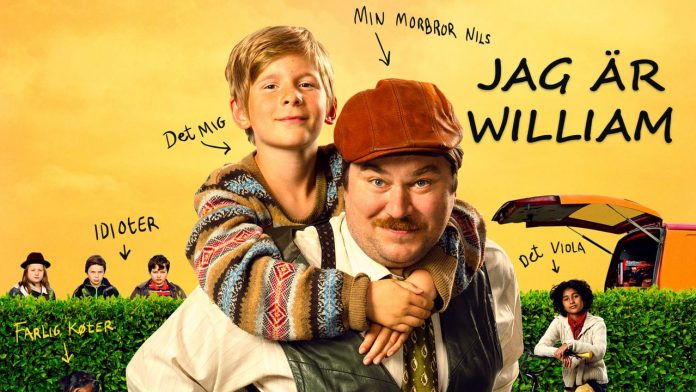
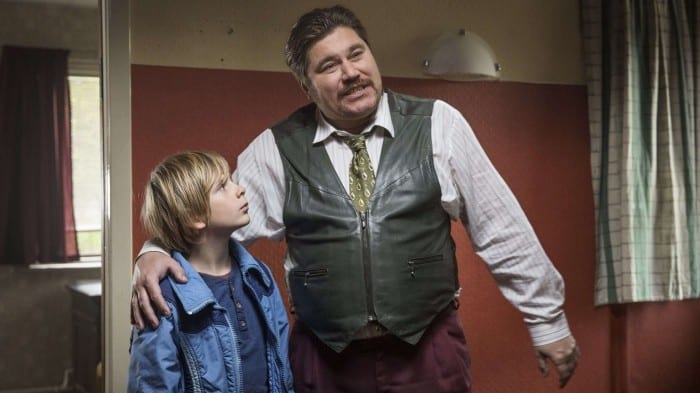
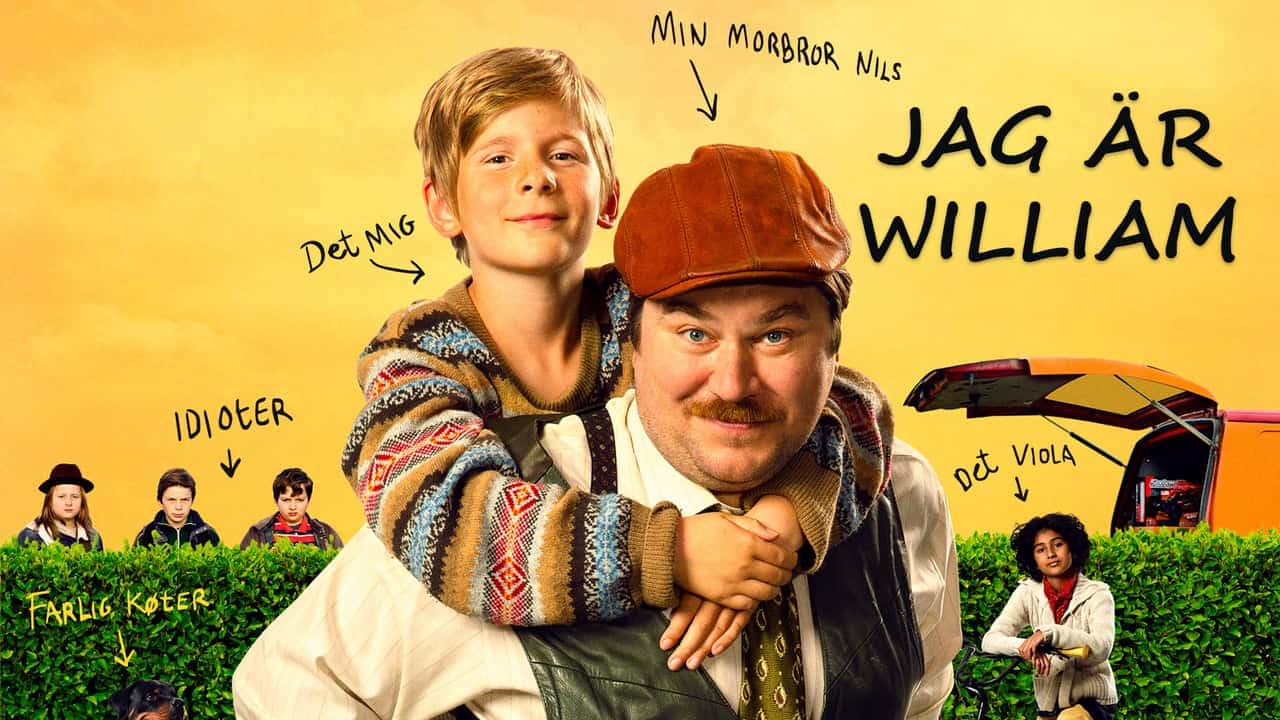
The ten-year-old Danish boy William (Alexander Magnússon) has not had much luck in life. His father passed away, while his mother suffers from a mental illness that prevents her from taking care of her son. With both parents unavailable, it is lucky that there is an uncle who agrees to look after William’s well-being. However, uncle Niels (Rasmus Bjerg) is anything but a conventional adult – quirky, unstable (bi-polar perhaps), a con artist and, worst of all, a gambler. Yes, not exactly a role model for a sensitive and impressible young boy. So, since a role model is missing, William must find his own way and place in the world, which is a daunting task even for children with a luckier fate.
William (Alexander Magnússon) and his uncle (Rasmus Bjerg)
The motifs of bullying, first love and overcoming one’s fears, ever-present in the majority of Coming-of-Age films, are not treated with any particular originality in I am William. However, the film somehow manages to remain delightfully refreshing and engaging. It is not a masterpiece, but it is entertaining and features a pleasant, easy-going story. Like most Scandinavian lighthearted family flicks, one is entertained with funny looking scene cuts and some slightly bizarre scenes (such as an extreme close-up of a hen’s butt while laying an egg). That and the quirky behavior of some of the film’s protagonists (like William’s uncle for one) are the factors that boost the fun fairy tale like atmosphere of the picture.
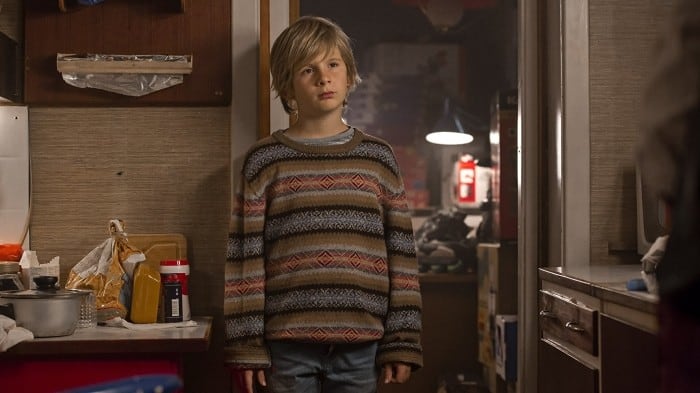
Alexander Magnússon in I am William
Despite the easy-going story, character development does occur, as we witness how the happenings in the young protagonist’s life shape his personality. The charismatic appearance of Alexander Magnússon as William greatly influences the film’s appeal, especially considering that the story is told from the perspective of his character (often emphasized by the camera angles used in addition to the first-person narrative). Alexander is on screen in almost every scene. While one is unlikely to associate with the young boy, sympathizing with him and wishing him a lot of luck during his rite-of-passage adventure comes naturally to young and older viewers alike.
Trailer
An uplifting Coming-of-Age flick from Denmark based on the book of Kim Fupz Aakeson of the same name, I am William is a nice family-friendly film with a pleasant aesthetic and a lovable central character. You won’t be sorry for picking it up.
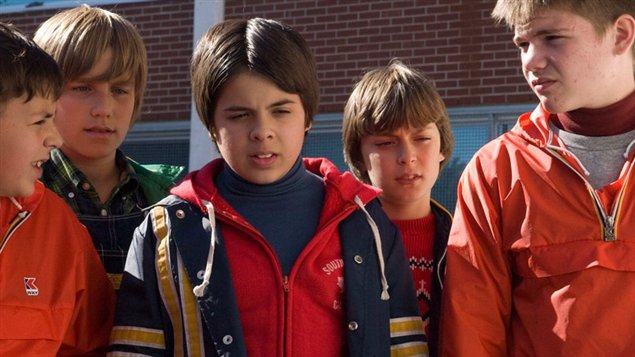
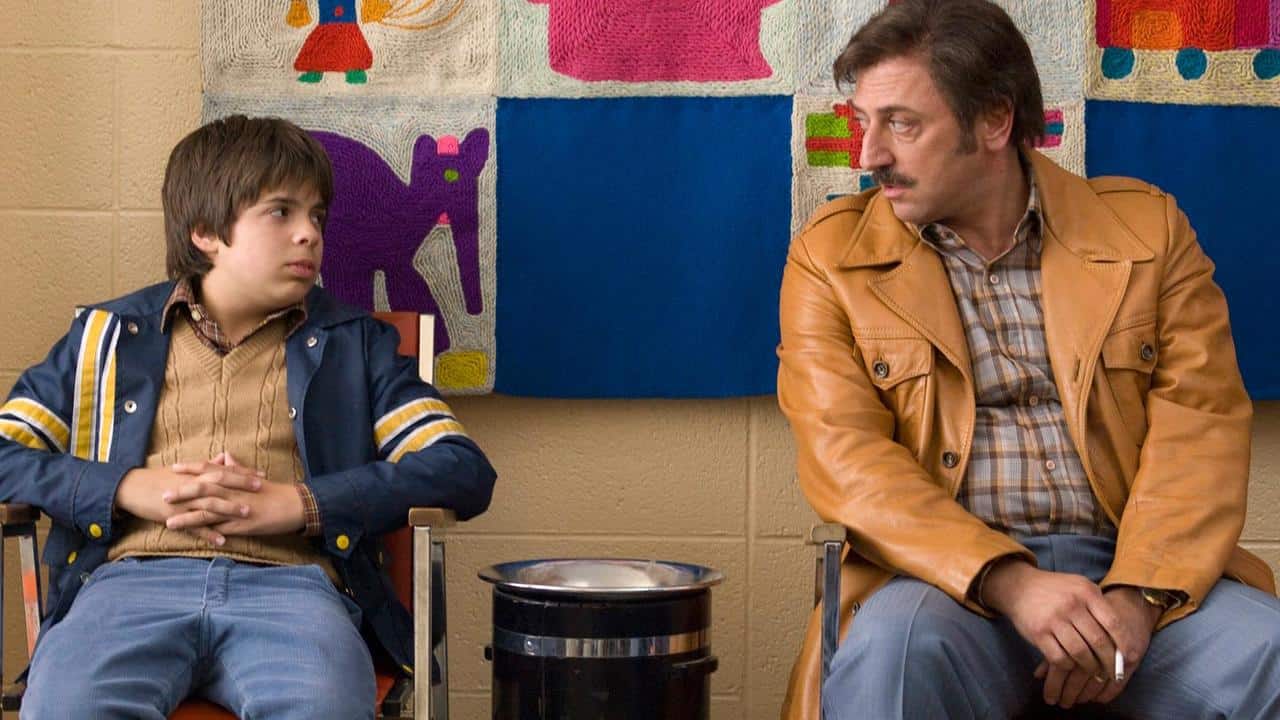
Ricardo Trogi‘s The Year I Became a Liar is a delightful autobiographical Coming-of-Age movie narrated in the first person by its protagonist: 11-year-old Ricardo Trogi (Jean-Carl Boucher). The grown-up Ricardo recalls the story of his childhood utilizing a voice-over narration resembling that of the best Coming-of-Age film of 2015, Cider with Rosie. This approach greatly enhances the likelihood that the viewer will become familiar with the states of mind of the young protagonist and relate to the experiences of his childhood.
Jean-Carl Boucher as Ricardo Trogi
Ah…to be taken back to the time when the stories were told to impress girls (or, in some cases, boys), the desire to be accepted was so important and the newest technology (not the new i-Phone, but the miracle of Sony’s first “Walkman”) were the pillars around which one’s life revolved. Such nostalgic aspirations are expected and well served in this autographical movie, turning it into a real gem of the Coming-of-Age cinema genre. It was a time of change or, in Ricardo’s own words:
“…I had no toys. I’d thrown them all away. I was changing. I was getting interested in girls. I needed stuff that was flashy …”
The Year I Became A Liar is often considered a Canadian version of Little Nicholas
The story is both engaging and authentic from the opening scenes throughout its entire duration. Its charm lies in its apparent simplicity (although older viewers may notice the serious issues of social inequality, consumerism, and, in the case of Ricardo’s parents, the struggle to provide for the family) as well as thanks to the naivety and innocence of the young protagonist’s humorous nature.
When it comes to delightful Coming-of-Age films with original and engaging storytelling – the Canadian cinema, (especially those in the French language) has well established traditions. One just has to recall some of most notable flicks such as the 2012 I Declare War; It’s Not Me, I Swear! (C’est pas moi, je le jure!), Jacob Medjuck’s 2013 film Age of Summerhood and The Young and Prodigious T.S. Spivet (narrated in first person by its protagonist as well) to realize this fact. The Year I Became a Liar shares some of the best features of these films: first class production design, capable acting, clever editing and a captivating story.
The musical score of The Year I Became A Liar enhances the scenes without calling too much attention to itself. The dialogue is funny and witty at times, and the finale brings in more surprises in the form of an original and fun montage. All-in-all I have no hesitation in recommending The Year I Became a Liar. It’s a heartwarming and original flick well-worth anyone’s time and guaranteed to please viewers of all ages.
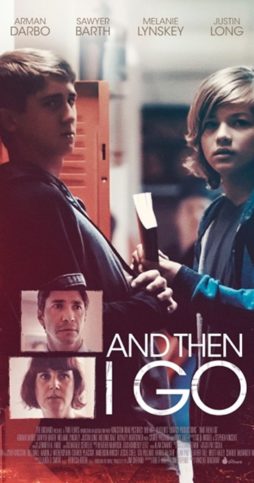
The gun-control debate is an ongoing issue in the US, which is why it does not come as a surprise when filmmakers decide to point their lens at it. One such example is Vincent Crashaw’s 2007 film, And Then I Go. Adapted from Jim Sheppard’s novel Project X, the film tells a story of teenage anguish, confusion, aspirations, failures, and ultimately loss of innocence, resulting in a contemporary and compelling Coming-of-Age drama.
Each of us can remember the confusion of our youthful years…when we want to fit in, but every so often meet a lack of understanding from peers and adults. These universal teenage traits make it easy to associate with the film’s protagonist Edwin (Arman Darbo), a socially awkward kid trying to navigate junior high alongside his only real friend Flake (Sawyer Barth).
From the film’s opening scene, featuring an insightful and intimate first-person narrative by Edwin about his life, the viewer is treated to a bit of information about his character to help understand Edwin’s personality while unveiling the motives behind his actions. The frustration, anger and confusion are ever-present on Arman Darbo’s face, which again demonstrates the importance an actor can have on a story – especially a character-based one like in And Then I Go. Lingering close-ups of his face and eyes make sure one gets insight into the young protagonist’s internal turmoil.
Arman Darbo and Sawyer Barth in And Then I Go
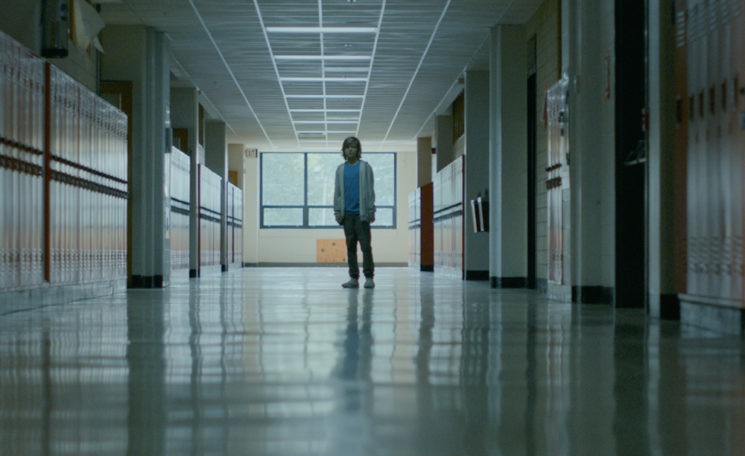
Cinematographically, the film has the feel of an independent art-house flick, thanks to creative usage of picture sequences, natural light sources and hand-held camera techniques. As in most reality-focused movies (think Larry Clark’s Kids), the buildup is slow-paced, but the film never becomes dull –providing the right amount of tension to keep the viewer’s attention invested in the story. That’s achieved thanks to the fact that the director addresses a social issue by focusing on his protagonist’s personal one, almost convincing viewers to justify their irrational life choices. Justifying, in this case, is morally wrong – yet no easy solutions are provided, and many questions are being raised.
My only complaint with the film lies in the overuse of musical motifs to the point where the score starts calling attention to itself rather than simply enchanting the scenes.
Arman Darbo in “And Then I Go”
A realistic Coming-of-Age story with a finale void of clichés, And Then I Go is a harsh film that encourages its viewers to reflect on the story, its protagonists, and society as a whole. The topics it addresses may appear familiar to some, but the storytelling and the excellent acting performances are enough to justify the time invested in front of the screen.
And Then I Go (2017)
Conclusion
A story of teenage anguish, confusion, aspirations, failures, and ultimately loss of innocence, resulting in a contemporary and compelling Coming-of-Age drama.
The best scenes in the 2015 Dutch film Little Gangster (Original title: De Boskampi’s) are at the beginning and the end. They contain vibrant images, a wild musical score and funny original editing — enough to convince the viewer that an original twist of the all too familiar anti-bullying theme will make the film truly enjoyable to watch.
But alas. For a film with a duration a little short of two hours – most of the content in between is cliché-ridden and silly.
The silly part comes from the desire of the filmmakers to make the story suitable for the youngest audiences. But, in this day and age, I’m convinced that the key to a well done film lies in originality, as proven by another film dealing with bullying, My Best Enemy(Original title: Min bedste fjende) (Denmark, 2010).
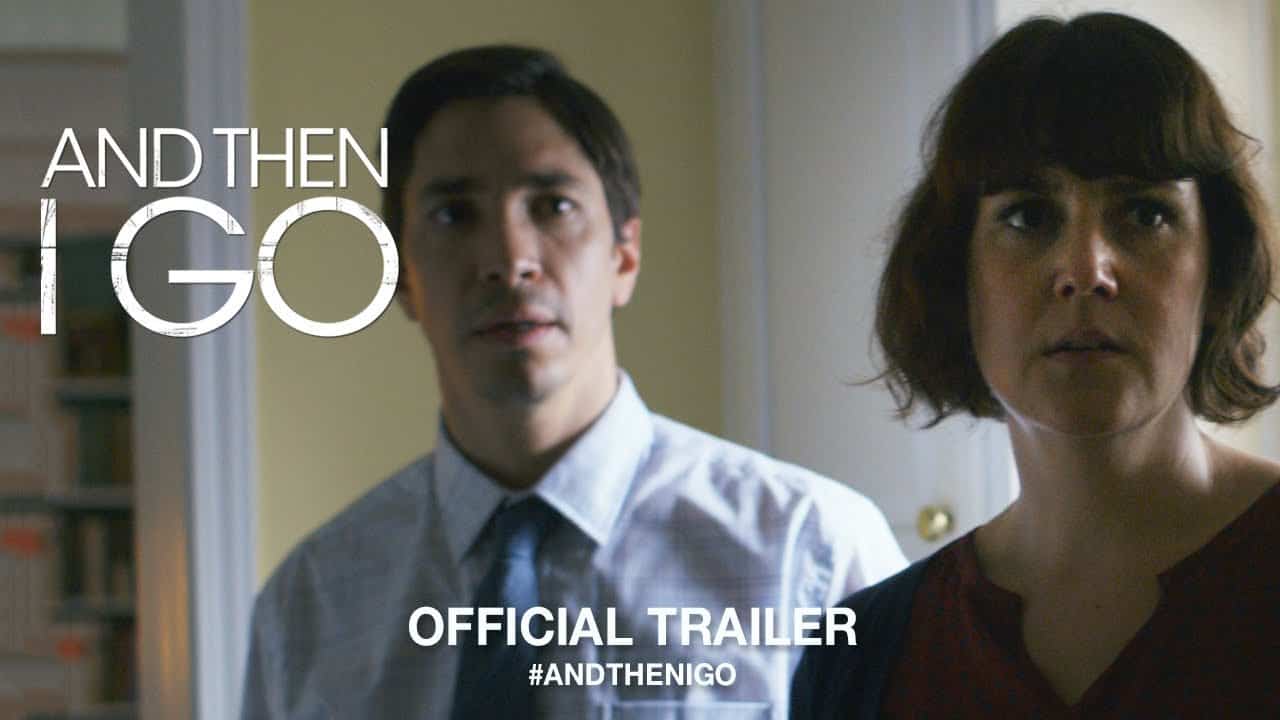
Trailer
Little Gangster screened at the Sundance Film Festival in 2016 and is now available on DVD and Netflix
While most of the film’s content does not impress, the few good scenes, filled with witty humor and the message of reinventing oneself, friendship and determination, do come across well — in a non-preachy, family-friendly manner. That, despite the stereotypical characters and their amplified quirkiness (or may be because of it), is used as comedy relief.
Scene from Little Gangster
The plot of the film will feel quite familiar to fans of the Coming-of-Age genre. Rikkie Boskamp (Thor Braun) is a twelve year old boy who is fed up with being bullied all the time. His father, Paul Boskamp (Henry van Loon), works as an accountant and, in Rikkie’s eyes, is as far from a role model as one can get. In fact, if anything, his “dorky” appeal influences Rikkie’s own image at school.
The teen then decides to take things into his own hands. His father gets a job promotion which necessitates them moving to a new town. Rikkie uses the move to a new city to reinvent himself… into the son of an Italian Mafia boss, Paolo Boskampi.
The biggest issue I have with the film lies in its lost potential. For example, if it had managed to retain throughout the picture the appeal of the visual effects and the editing of the 2010 Norwegian film by Arild Andresen, The Liverpool Goalie, all the imperfections of the story line could have been easily forgiven. But, sadly, that’s not the case and the film delivers a “dumbed down” kid’s story with few good moments – nothing more.
A twelve year old boy, fed up with being bullied all the time, uses his family's move to a new city to reinvent himself: into the son of a Mafia chieftan.
If you are looking for an entertaining comedy with strong Coming-of-Age motifs, the Norwegian Markus and Diana (original title: Markus og Diana) is an excellent option.
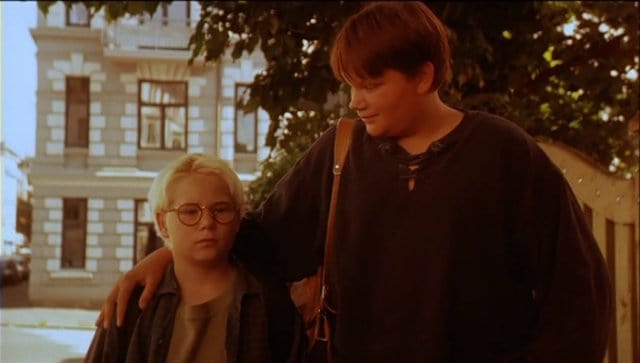
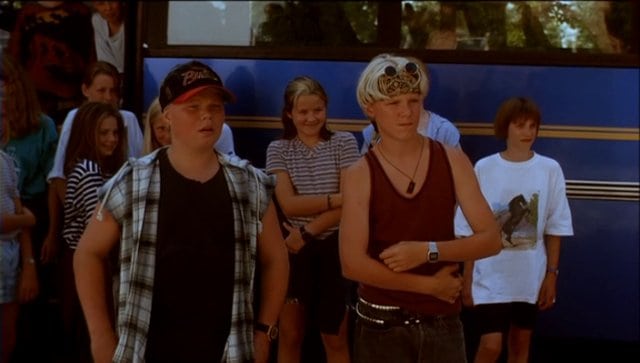
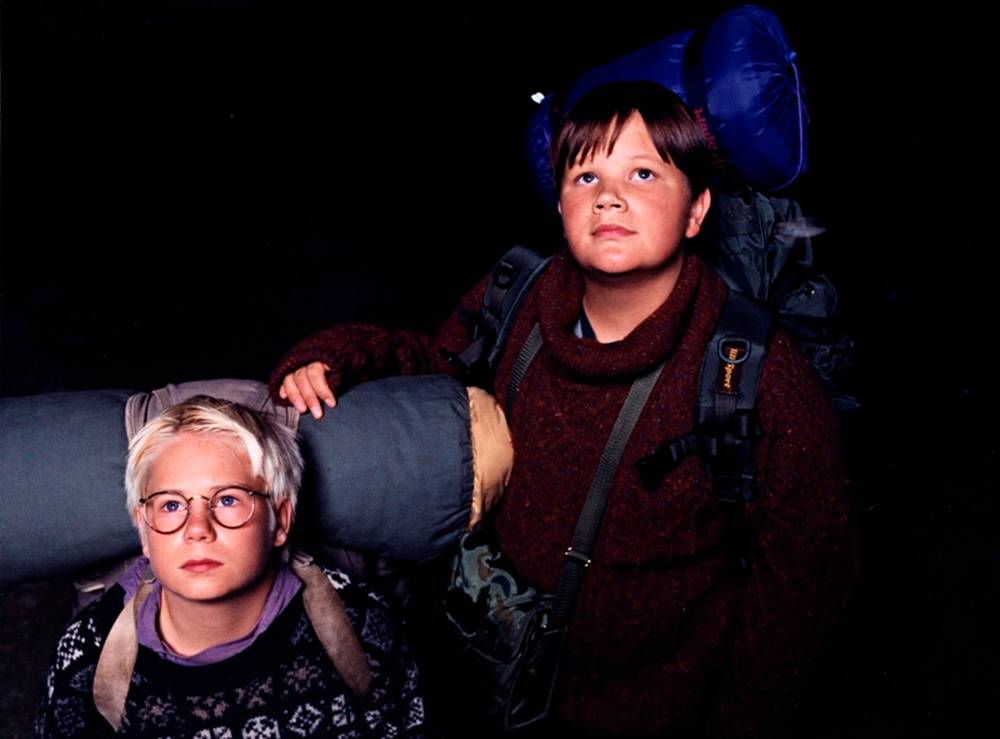
Based upon Klaus Hagerup‘s novel Markus and Diana: The Light from Sirius and directed by Svein Scharffenberg, the film tells the story of the thirteen year old blond-haired Markus. The low stature and relative shyness of the young teen turns him into a preferred target for the jokes of his schoolmates who often compare him to a little mouse. Having an overprotective father who feels obligated to check on his son every few hours doesn’t help Marcus’s social status either.
Robert Reierskog as Marcus
Marcus’s hobby is to collect autographs from famous people and when he finds out about Diana Mortensen, who is a gorgeous Norwegian actress with a successful career in Hollywood, the boy doesn’t hesitate to write her a letter. Instead of a simple autograph request, the boy decides to introduce himself as a wealthy millionaire. To his surprise, he receives a personal reply and soon a friendship ensues. Marcus could not be happier until he learns that Diana Mortensen is planning to return to Norway and she is just dying to meet him in person.
Markus and his best friend Sigmund (Herman Bernhoft)
The film’s exposition is unremarkable, while the bullying issues that the young Norwegian boy faces may lead to one’s belief that the story is clichéd. Yet, twenty minutes into the film, the story shapes into a humorous adventure, shaking off all clichés in favor of original (if bittersweet) development. The focus shifts onto issues such as self-esteem and the inner emotional lives of unpopular kids and the film manages to deliver a real message without turning into preachy moralistic tale.
Scene from Markus and Diana (1996)
The film’s cinematography and score do not call attention to themselves, placing the film on par with many made for TV productions aimed at young audiences. Yet the tasteful humor and good performance of Robert Reierskog as Marcus ensures that older viewers will be equally engaged with his character and entertained by the story. A bonus for them is the references to the 1936 drama Little Lord Fauntleroy, which clearly influenced both the writer and director of this Norwegian movie.
While I would not consider Markus and Diana as a film with a significant re-watch value or one that is memorable, it is fresh and entertaining and I don’t hesitate to recommend it to audiences looking to brighten their days.
Twelve-year-old Jonathan Grisby is in a big trouble. Sentenced for a horrid crime, he is on his way to a reformatory school. And not just an ordinary one, but an ancient crumbling dark and foul place — an old crumbling fortress located on an isolated island. The school for young boys (or perhaps better said: “prison”) is run by an evil man who calls himself “The Admiral” and, together with his equally crooked staff, abuses his youthful charges on a daily basis with the excuse that he’s trying to reform them for the better and save their souls from evil. When a freak accident takes the lives of all the adult staff, the boys find themselves alone on the island. Yet their newfound freedom brings unexpected danger.
Author Dan Gemeinhart manages to maintain the suspense level in his novel by withholding pieces of important information, such as the nature of the crime that sent Jonathan Grisby to the Slabhenge Reformatory School. We witness the guilt ridden sorrow of the troubled boy, and can’t help but wonder if he will ever be able to find redemption.
It can be a bit challenging to place the action in the right time period. Because of the story’s nature, one may initially feel it is set in the Victorian Age, such as Dicken’s Oliver Twist, or perhaps in the early 50’s like William Golding‘s Lord of the Flies. Yet, at other times, the story feels quite contemporary.
Book Trailer
But the inconsistency of time does not ruin the reader’s experience, mainly because one develops a true interest in the characters. The young Jonathan Grisby is an intriguing main protagonist and, as his character develops, one begins to understand his motives and even perhaps begin to admire him — despite his shortcomings. Unfortunately, not all the characters in the novel are as well developed. An exception is another young boy named Colin, “a sneaky, sneaky thief” as he calls himself, with whom many readers will greatly sympathize, especially if one chooses the audio version of the novel. Hearing Colin’s lisp becomes a defining trait of his character, in quite an adorable manner.
Scar Island is a dark and compelling Coming-of-Age adventure and I really enjoyed it. Clearly inspired by Lord of the Flies, its narrative is fast paced and engaging, while the way in which the settings are described really helps one to feel the atmosphere of this God forsaken prison. Recommended!
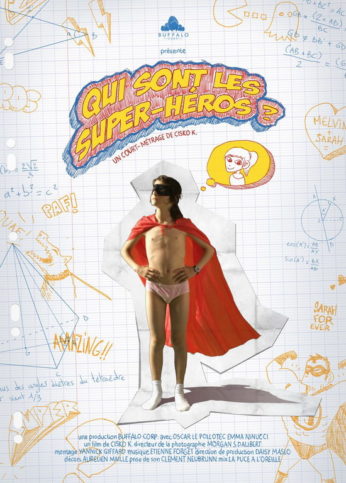
We have all asked ourselves who the superheroes are in this world. A plausible answer is to be found in Mathieu Lalande‘s 2012 short film: Who Are The Superheroes?
A simple yet sweet and heartwarming story about first love, the film relates the story of twelve-year-old Melvin (Oscar Le Potollec Fiorani) who has to gather the strength and courage of his favorite comic’s superheroes to confess his sympathy towards his beautiful classmate Sarah (Emma Ninucci).
The funny comic’s stylish montages and split screen cinematography delivers a unique feel of aesthetics bringing dynacism to the story. As result Mathieu Lalande’s film manages to both engage and entertain its audience.
Oscar Le Potollec Fiorani and Emma Ninucci
Both Oscar Le Potollec Fiorani and Emma Ninucci deliver great performances characterized by adorable smiles and a very credible portrayal of their characters, so much so that associating with their feelings comes naturally and many will remember with nostalgia a similar event in their own lives.
Trailer
The entire short film with English subtitles is available at the web page of its distributing company Buffalocorp.
Who Are The Superheroes? (2012)
Conclusion
A simple yet sweet and heartwarming story about first love.
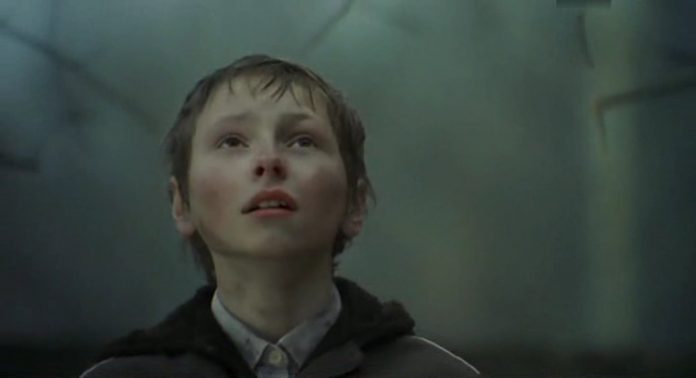
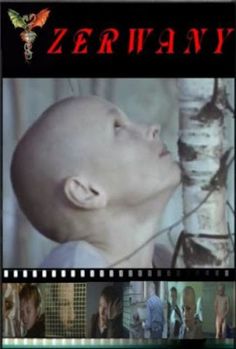
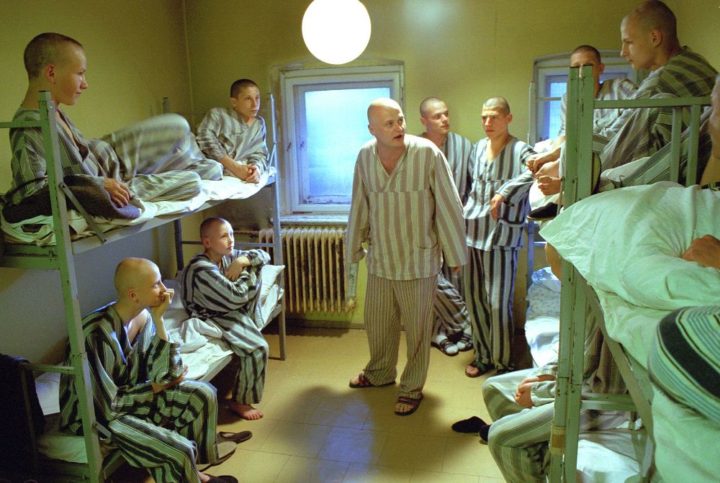
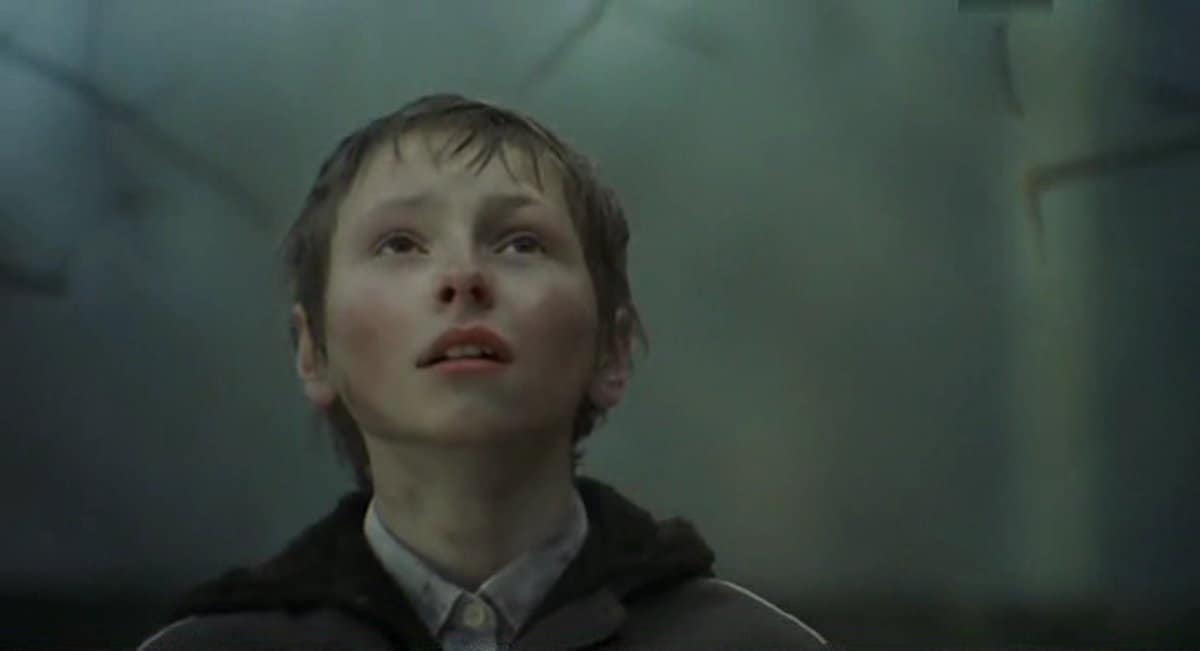
Polish cinema has good traditions in the Coming-of-Age genre, which is probably why I had high expectations of Jacek Filipiak’s 2003 film Torn (Original title: Zerwany). Starring Krzysztof Ciupa in the role of ten-year-old Mateusz, Torn focuses on the hardships and tribulations that the young boy experiences circulating between foster home, orphanages, and finally a correctional facility where, as one of the youngest pupils, he goes through the real school of life. Despite his traumatic experiences, intimidation and humiliations, Mateusz does not give up his great dream of becoming a sports commentator.
Krzysztof Ciupa
The Coming-of-Age experienced by the film’s protagonist can be followed throughout the story, but inconsistent editing and continuity issues prevent the viewer from investing strong emotions or in developing a connection with him. This is hardly the fault of Krzysztof Ciupa‘sacting performance. He manages to portray a wide array of emotions ranging from painful despair to strong determination.
The film’s cinematography and its overall atmosphere is not on par with the visual masterpieces of the Polish Coming-of-Age cinema such as Dorota Kedzierzawska‘s Jestem (I am) and Jutro bedzie lepiej (Tomorrow Will Be Better). Yet the visual design is comparable with that of similarly themed movies such as the 2011 Hungarian film Abandoned (Torzók) and the Russian movie Lessons at the End of Spring (Uroki v kontse vesny). Unlike the similarly themed films, struggling to survive in a world of violence and neglect while preserving one’s dignity is not an uncommon theme in the Coming-of-Age cinema. Jacek Filipiak falls short in making a point or even striking an emotional chord in the hearts of the film’s viewers which, given the subject matter, is a significant failure.
At the correctional institution
Aside from Krzysztof Ciupa‘s performance, the film score (composed by Waldemar Wróblewski) is one of its few redeeming qualities as, while it did not call much attention to itself, it did help to establish the mood of the scenes.
http://youtu.be/PvrQY7d9Pkg
My expectations for the film were not met. Given my strong preference for powerful dramas, I am disappointed that the obvious potential of the plot is never fully realized.
Torn (2003)/Zerwany
Conclusion
Film protagonist Krzysztof Ciupa's acting performance and the movie's score are the strong points of the Polish film "Torn".
Update : 20/04/2018 – RutgerGarekht wins The Voice Kids Russia !
Youth talent aficionados are well aware of the music talent show for children, from 8 to 14 years, called The Voice Kids — and its many international variants. Whether one approves the reality formats or not, they do offer a chance for kids to display their talents to a wilder audience. Now, thanks to the Internet and social media, that audience is often an international one.
We have spotted many performers through the years thanks to those formats and it’s time for us to present yet another amazing performer – twelve year old RutgerGarekht(Рутгер Гарехт), participant in the 2018 edition of Golos Deti (the Russian version of The Voice Kids).
Coming from the city of Orenburg (southwest Russia, near the border with Kazakhstan) Rutger (a German name after his father who is from Germany) blew the jury away with his amazing rendition of the Russian song: I recognize the sweet on the walk…
Rutger delivers his performance barefooted, as to better feel the songs’ moods and express them. He’s achieved great success, turning his act into a whole musical spectacle that awes and is fully capable of capturing a viewer’s attention even if one does not understand the language in which the song is being performed.
Coming from a family with an affinity for music (Rutger‘s two older sisters both have a musical education and play violin), Rutger started dancing and performing from the tender age of five years old, combining his arts education with aerobic and gymnastics classes. He practices with the theater of music and dance “The Nutcracker”(official web site), which annually releases a new musical piece starring their youthful charges – boys and girls of all ages. One of the theater’s vocal coaches, Liudmila Galputdinova, outlines the importance of both vocal abilities and charisma for a performer. He says it’s evident, that thanks to his talent and hard work, Rutger has the ability to transmit the emotions and the mood of the songs to the audience in an immaculate manner.
In addition to his rendition at The Voice Kids Russia, one can find other of Rutger‘s performances on YouTube — such as his cover of the song The Officers (Офицеры), which also impresses with his ability to project his voice using the intonation and accent like artists with a lifetime of stage experience. By visiting his YouTube channel and searching for more clips, one can follow up on the development of his talent – a rewarding experience!
We have been introducing youth talents for more than a decade at TheSkyKid.com and feel fortunate that we are able to share with you the performances of this gifted Russian youth. Inspirational and moving – his performances are well worth beholding.
Rebekah Fortune’s 2017 intense Coming-of-Age family drama, Just Charlie, tells the story of Charlie (Harry Gilby), a promising young football player who is suffering from an identity crisis. Charlie feels uncomfortable, even trapped in his own body, and is torn between wanting to live up to everyone’s expectations (especially those of his father) and just being who he feels he is – a female.
Gender identity is a topic that has been addressed more than once in the Coming-of-Age genre, frequently portraying tomboyish girls like in Céline Sciamma’sTomboy and Chris Bould’s 1996 My Friend Joe.On the other side of the spectrum lies such films as Ready? OK,But I Am A Cheerleader and, the most popular one, Alain Berliner’s 1997 colorful and poetic My Life in Pink (Ma Vie en Rose). Just Charlie is somewhat similar to Tomboy (reversed) yet, unlike the abstractionism and quirkiness that often seem to characterize male characters that feel like female, it does its storytelling in much blunter terms – trying to be as accurate as possible to “real life.”
Harry Gilby as Charlie
Admittedly, I do not have firsthand experience – so I could only speculate as to the accuracy of the story regarding what would actually have occurred (meaning beyond the film’s storyline). Yet I (and I assume many of you who are reading this review) know what it feels like to feel different, as one of the film protagonists put it “This f**king planet. It is a f**king horrible place to be if you are different!” In the end, one finds a solution – and it may or may not be the right one — a compromise or a lack of one, being who you are or living with a mask…
Much more than just a character study, which one would expect from most Coming-of-Age films, Just Charlie explores some distinct perspectives and reactions — resulting in a portrayal of our society as a whole. No one says life should be easy – and it usually is not. Rebekah Fortune causes viewers of her film — to not only witness the struggle of the film’s protagonists — but to pause and reflect on it.
While not all actors in the movie are entirely convincing, the performance of Harry Gilby as Charlie is nothing short of phenomenal. In a demanding role requiring a tremendous focus of emotions and subtle nuances, Gilby’s acting results in a character that one is guaranteed to identify with or at least deeply care for.
With delicate storytelling, terrific acting, and a first-class cinematic execution – Just Charlie is a Coming-of-Age film guaranteed to enrich its viewers.
http://www.imdb.com/title/tt4838248/reference
Just Charlie (2017)
Summary
With a delicate storytelling, wonderful acting, and a first-class cinematic execution – a Coming-of-Age film guaranteed to enrich its viewers




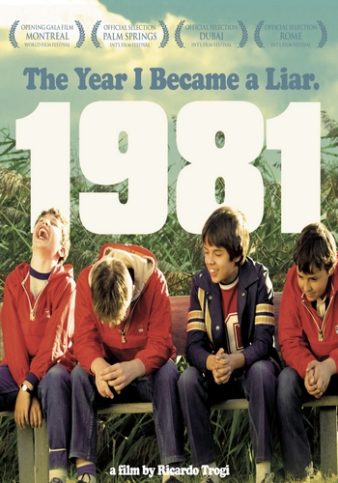 Ricardo Trogi‘s The Year I Became a Liar is a delightful autobiographical Coming-of-Age movie narrated in the first person by its protagonist: 11-year-old Ricardo Trogi (Jean-Carl Boucher). The grown-up Ricardo recalls the story of his childhood utilizing a voice-over narration resembling that of the best Coming-of-Age film of 2015,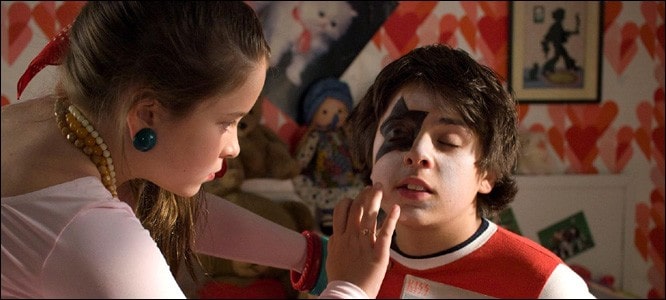
 The gun-control debate is an ongoing issue in the US, which is why it does not come as a surprise when filmmakers decide to point their lens at it. One such example is Vincent Crashaw’s 2007 film, And Then I Go. Adapted from Jim Sheppard’s novel Project X, the film tells a story of teenage anguish, confusion, aspirations, failures, and ultimately loss of innocence, resulting in a contemporary and compelling Coming-of-Age drama.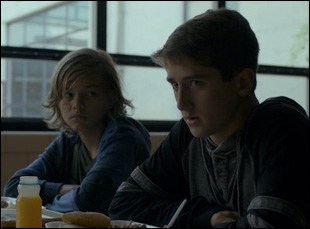
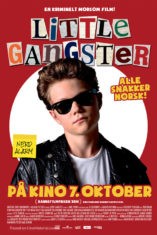 The best scenes in the 2015 Dutch film Little Gangster (Original title: De Boskampi’s) are at the beginning and the end. They contain vibrant images, a wild musical score and funny original editing — enough to convince the viewer that an original twist of the all too familiar anti-bullying theme will make the film truly enjoyable to watch.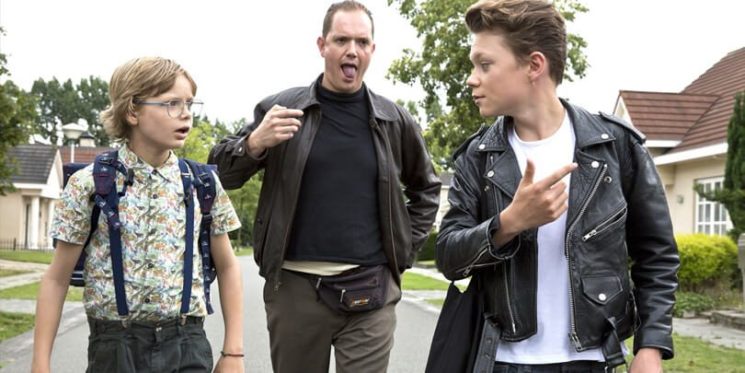
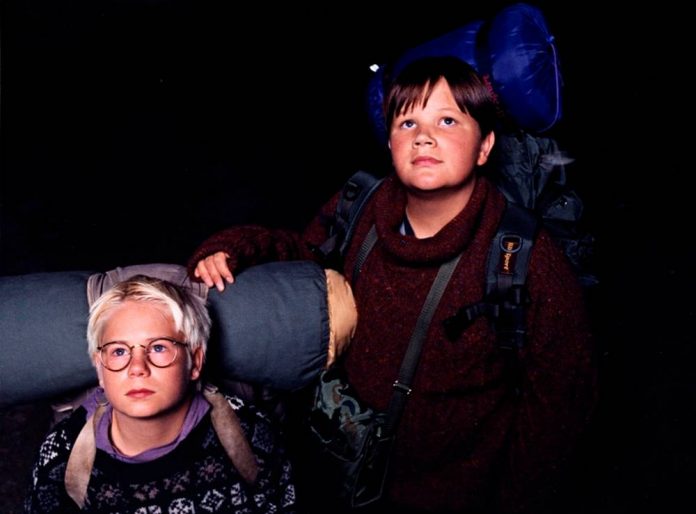
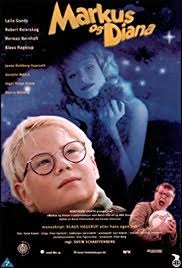 If you are looking for an entertaining comedy with strong Coming-of-Age motifs, the Norwegian Markus and Diana (original title: Markus og Diana) is an excellent option.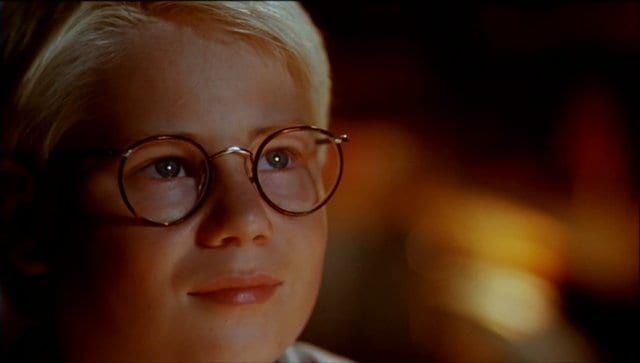

 Twelve-year-old Jonathan Grisby is in a big trouble. Sentenced for a horrid crime, he is on his way to a reformatory school. And not just an ordinary one, but an ancient crumbling dark and foul place — an old crumbling fortress located on an isolated island. The school for young boys (or perhaps better said: “prison”) is run by an evil man who calls himself “The Admiral” and, together with his equally crooked staff, abuses his youthful charges on a daily basis with the excuse that he’s trying to reform them for the better and save their souls from evil. When a freak accident takes the lives of all the adult staff, the boys find themselves alone on the island. Yet their newfound freedom brings unexpected danger.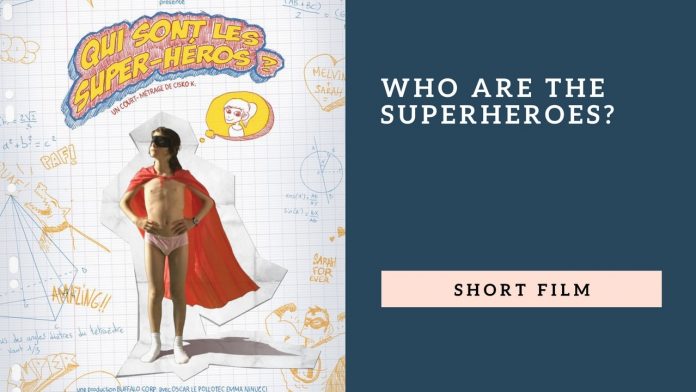
 We have all asked ourselves who the superheroes are in this world. A plausible answer is to be found in Mathieu Lalande‘s 2012 short film: Who Are The Superheroes?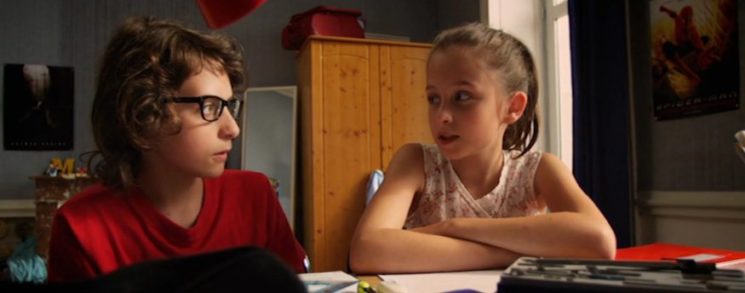
 Polish cinema has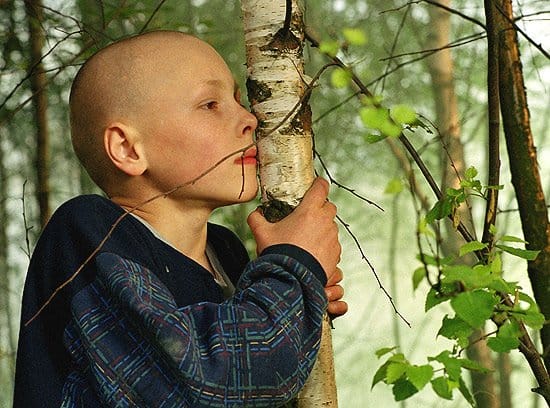


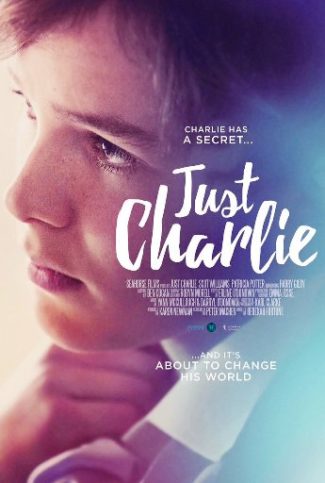 Rebekah Fortune’s 2017 intense Coming-of-Age family drama, Just Charlie, tells the story of Charlie (Harry Gilby), a promising young football player who is suffering from an identity crisis. Charlie feels uncomfortable, even trapped in his own body, and is torn between wanting to live up to everyone’s expectations (especially those of his father) and just being who he feels he is – a female.