 The best scenes in the 2015 Dutch film Little Gangster (Original title: De Boskampi’s) are at the beginning and the end. They contain vibrant images, a wild musical score and funny original editing — enough to convince the viewer that an original twist of the all too familiar anti-bullying theme will make the film truly enjoyable to watch.
But alas. For a film with a duration a little short of two hours – most of the content in between is cliché-ridden and silly.
The silly part comes from the desire of the filmmakers to make the story suitable for the youngest audiences. But, in this day and age, I’m convinced that the key to a well done film lies in originality, as proven by another film dealing with bullying, My Best Enemy (Original title: Min bedste fjende) (Denmark, 2010).
Trailer
Little Gangster screened at the Sundance Film Festival in 2016 and is now available on DVD and Netflix
While most of the film’s content does not impress, the few good scenes, filled with witty humor and the message of reinventing oneself, friendship and determination, do come across well — in a non-preachy, family-friendly manner. That, despite the stereotypical characters and their amplified quirkiness (or may be because of it), is used as comedy relief.
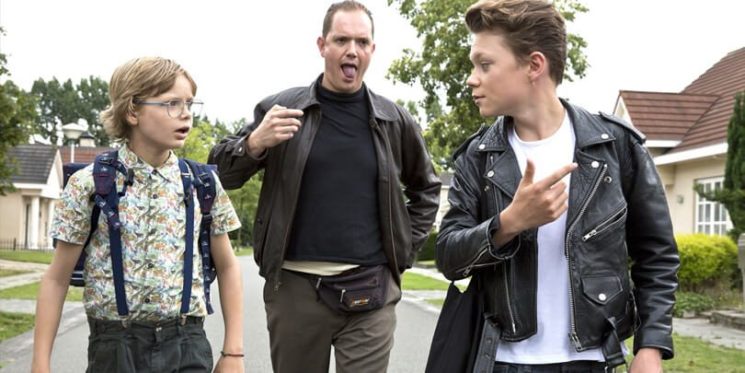
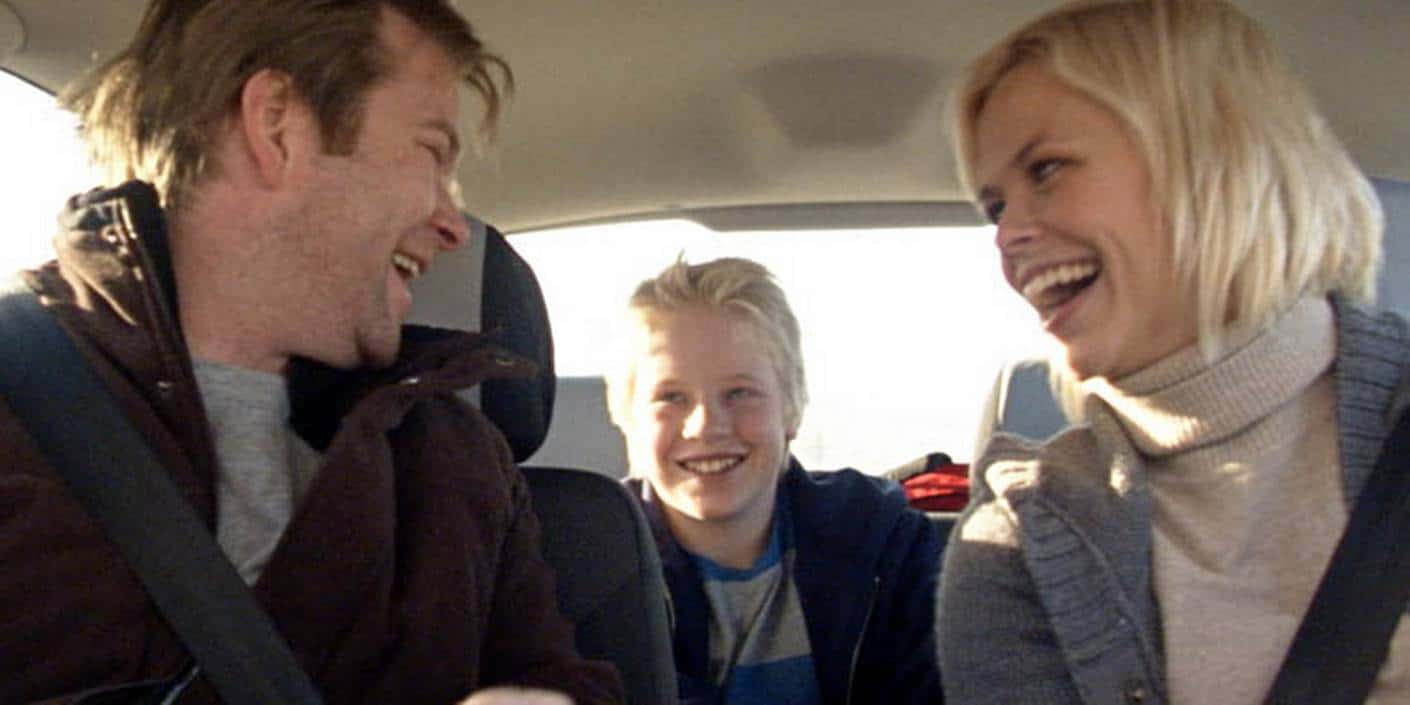
The plot of the film will feel quite familiar to fans of the Coming-of-Age genre. Rikkie Boskamp (Thor Braun) is a twelve year old boy who is fed up with being bullied all the time. His father, Paul Boskamp (Henry van Loon), works as an accountant and, in Rikkie’s eyes, is as far from a role model as one can get. In fact, if anything, his “dorky” appeal influences Rikkie’s own image at school.
The teen then decides to take things into his own hands. His father gets a job promotion which necessitates them moving to a new town. Rikkie uses the move to a new city to reinvent himself… into the son of an Italian Mafia boss, Paolo Boskampi.
The biggest issue I have with the film lies in its lost potential. For example, if it had managed to retain throughout the picture the appeal of the visual effects and the editing of the 2010 Norwegian film by Arild Andresen, The Liverpool Goalie, all the imperfections of the story line could have been easily forgiven. But, sadly, that’s not the case and the film delivers a “dumbed down” kid’s story with few good moments – nothing more.
[imdb]https://www.imdb.com/title/tt3845822/reference[/imdb]
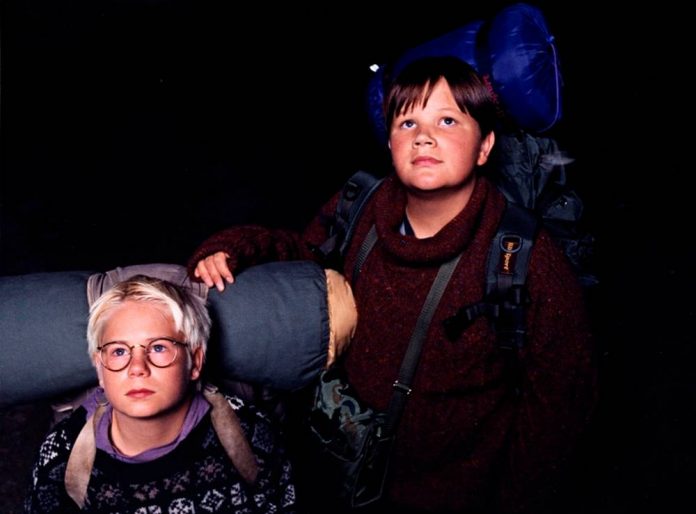
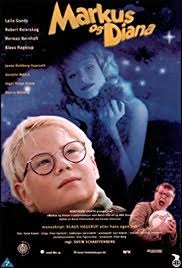 If you are looking for an entertaining comedy with strong Coming-of-Age motifs, the Norwegian Markus and Diana (original title: Markus og Diana) is an excellent option.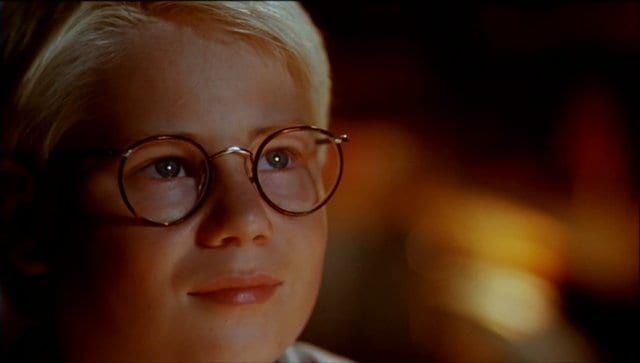
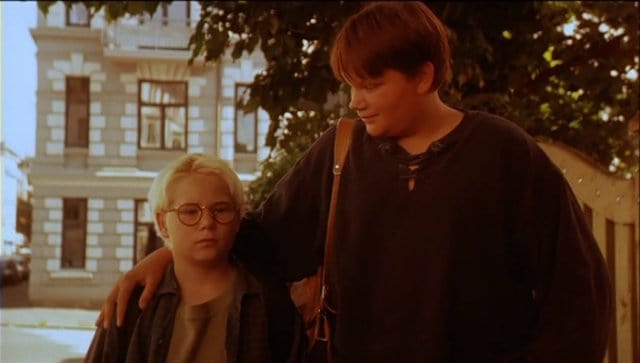
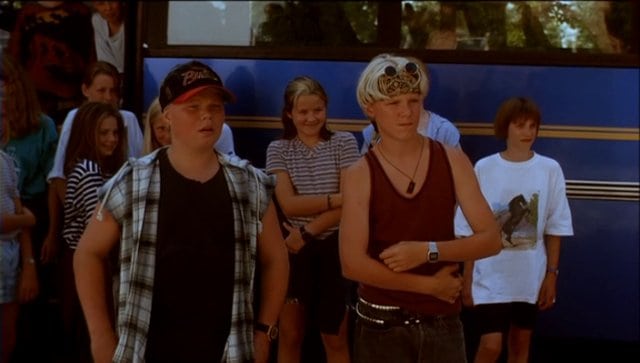
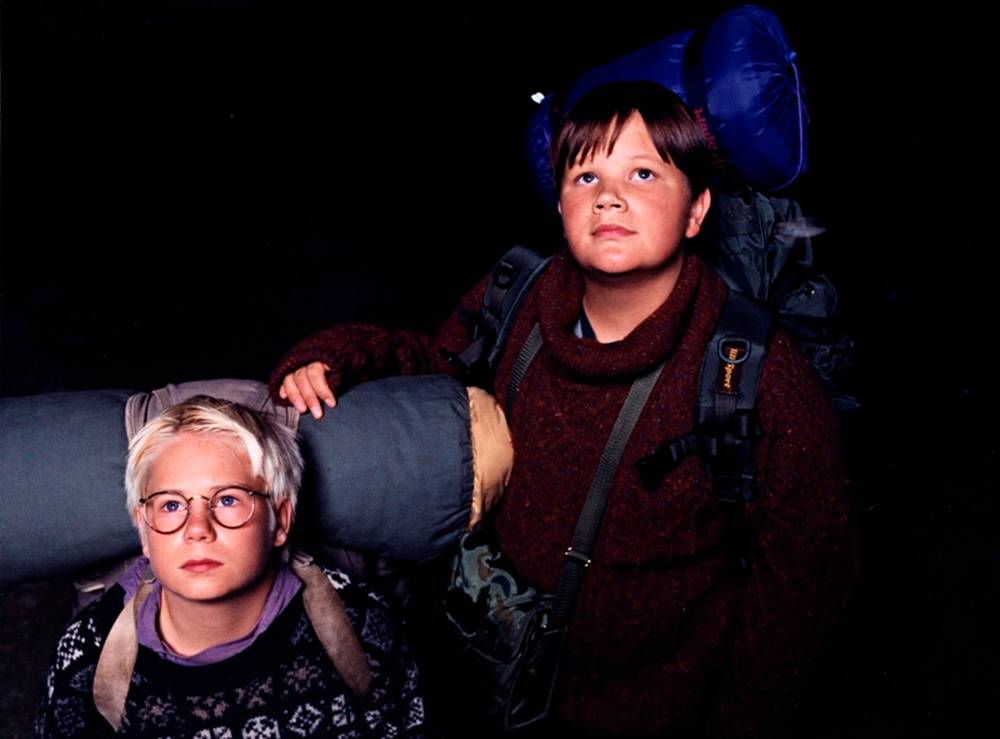

 Twelve-year-old Jonathan Grisby is in a big trouble. Sentenced for a horrid crime, he is on his way to a reformatory school. And not just an ordinary one, but an ancient crumbling dark and foul place — an old crumbling fortress located on an isolated island. The school for young boys (or perhaps better said: “prison”) is run by an evil man who calls himself “The Admiral” and, together with his equally crooked staff, abuses his youthful charges on a daily basis with the excuse that he’s trying to reform them for the better and save their souls from evil. When a freak accident takes the lives of all the adult staff, the boys find themselves alone on the island. Yet their newfound freedom brings unexpected danger.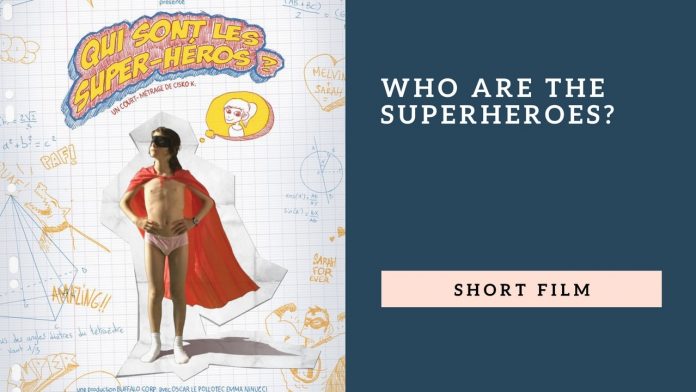
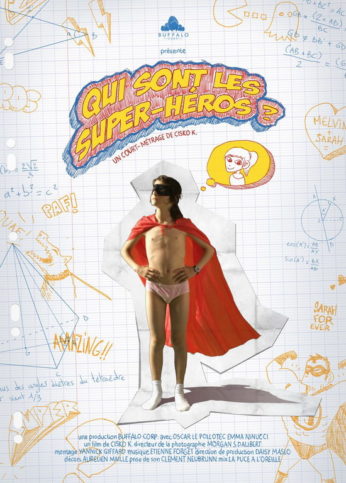 We have all asked ourselves who the superheroes are in this world. A plausible answer is to be found in Mathieu Lalande‘s 2012 short film: Who Are The Superheroes?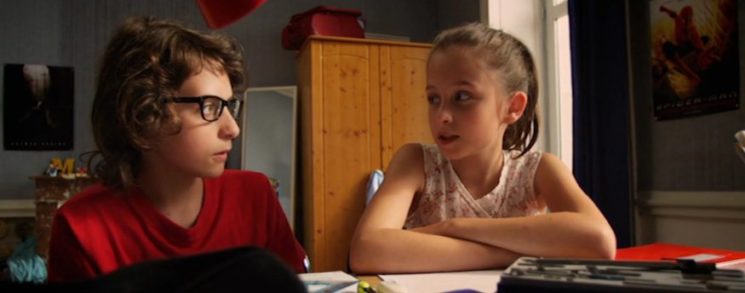
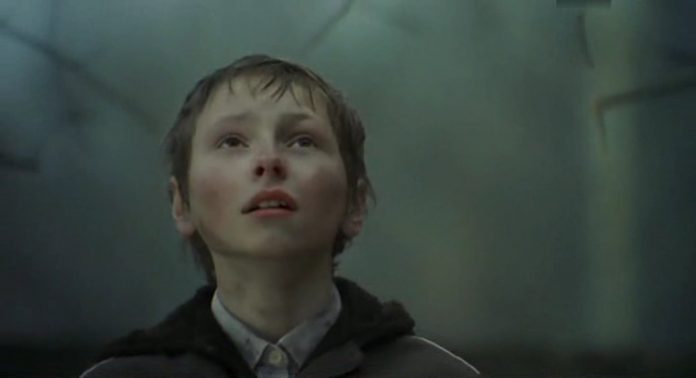
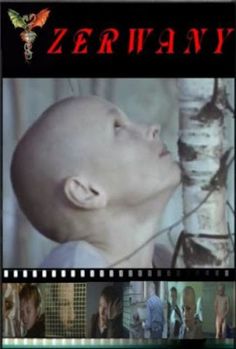 Polish cinema has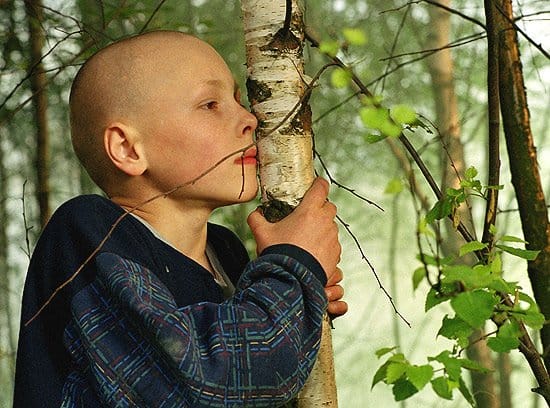


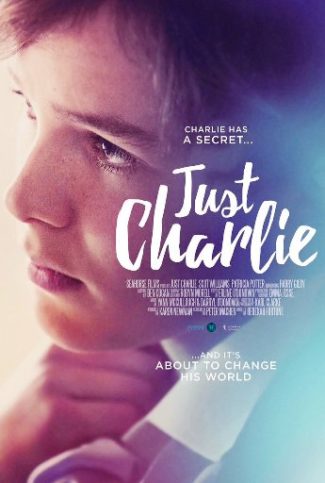 Rebekah Fortune’s 2017 intense Coming-of-Age family drama, Just Charlie, tells the story of Charlie (Harry Gilby), a promising young football player who is suffering from an identity crisis. Charlie feels uncomfortable, even trapped in his own body, and is torn between wanting to live up to everyone’s expectations (especially those of his father) and just being who he feels he is – a female.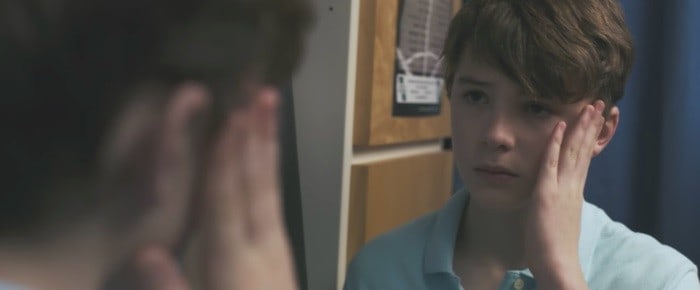

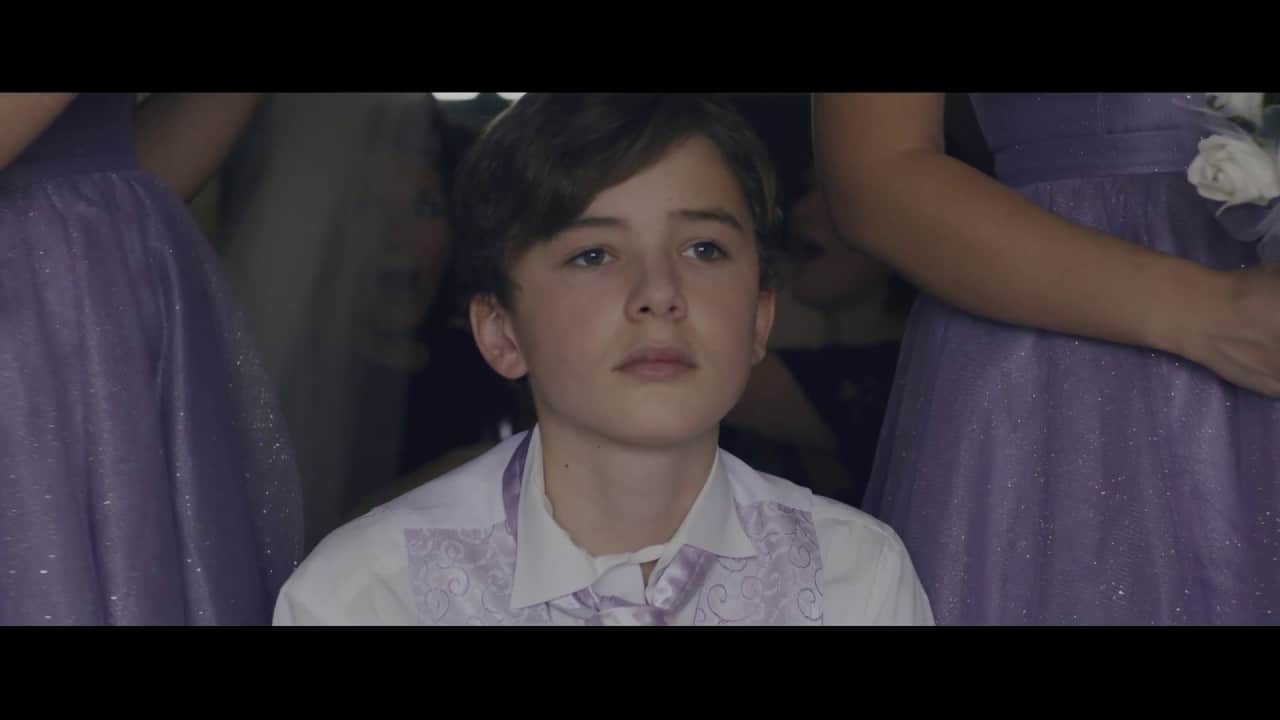
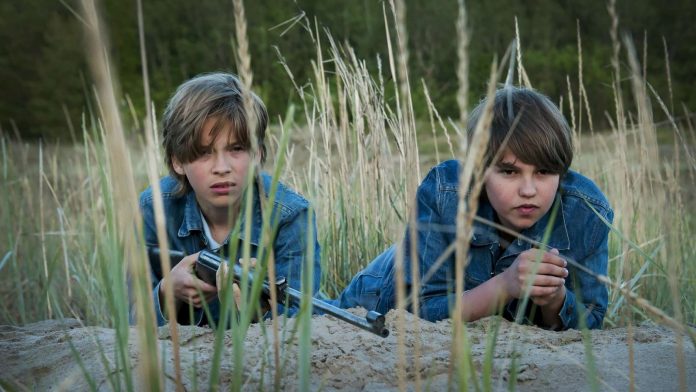
 If one decides to watch a Coming-of-Age film, a movie from the Nordic countries usually guarantees the story will portray that important period in anyone’s life as realistically as possible. The 2017 movie Star Boys (Original title: Kaiken se kestää) is no exception and juxtaposes the peculiarities of the adult world with the inexperience/innocence of childhood.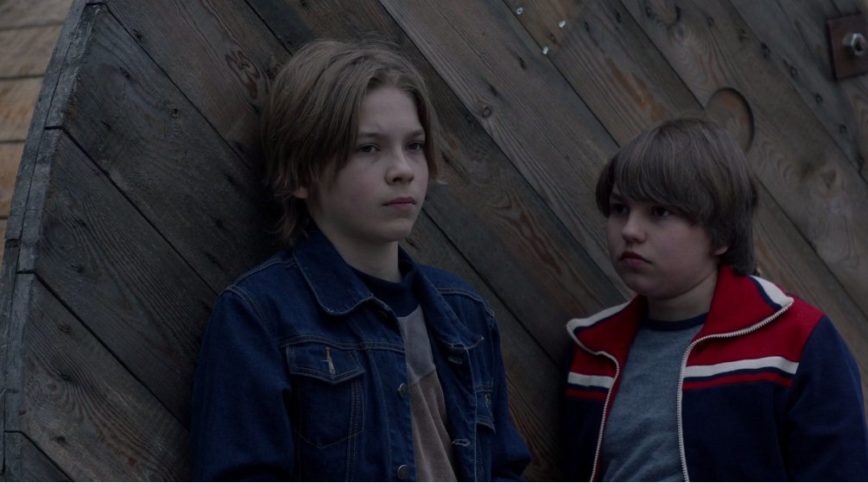
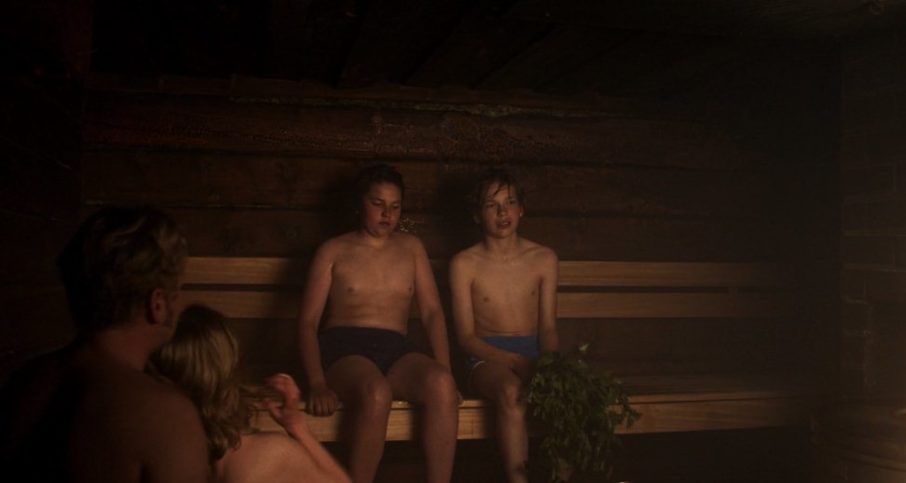
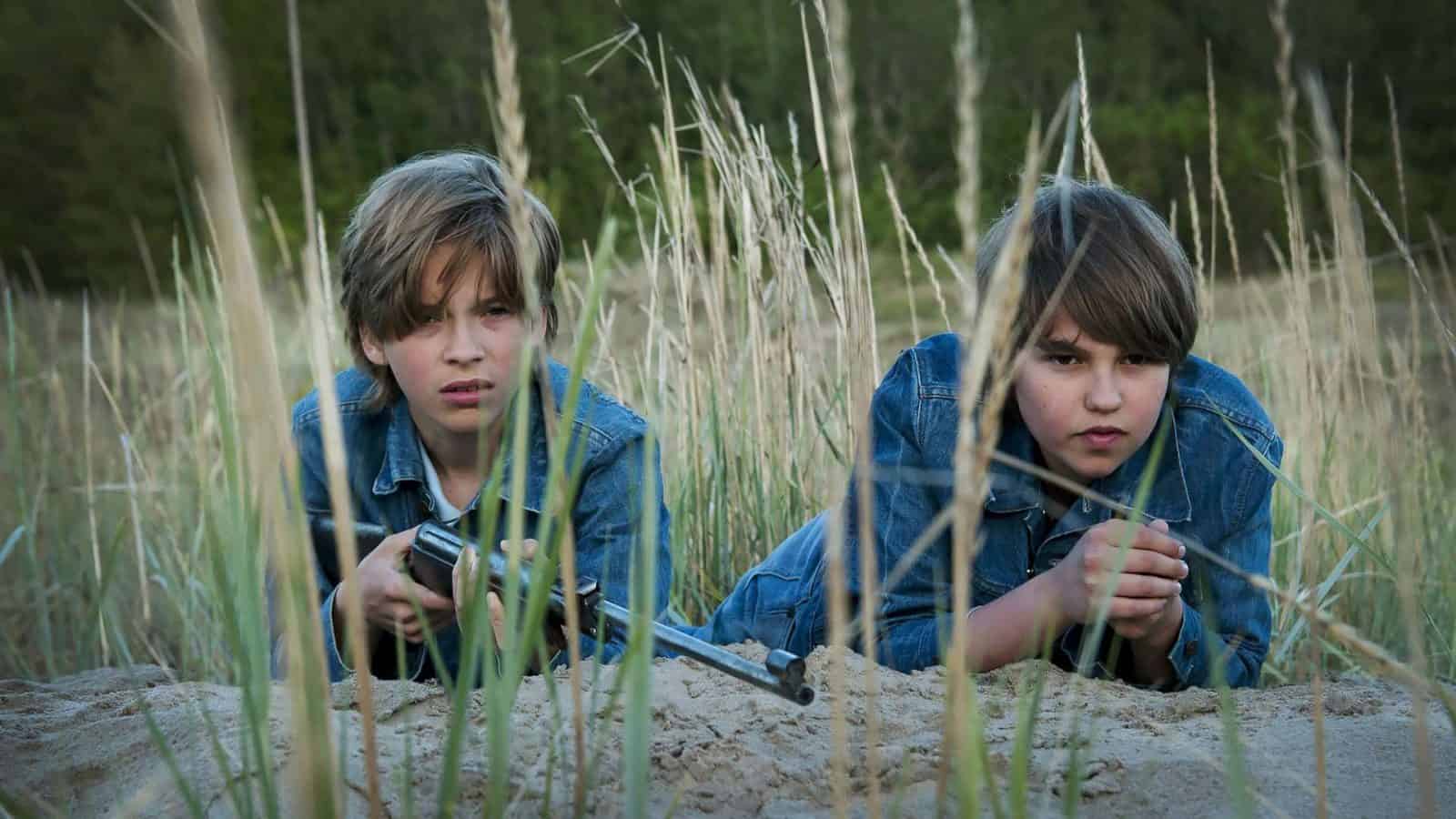
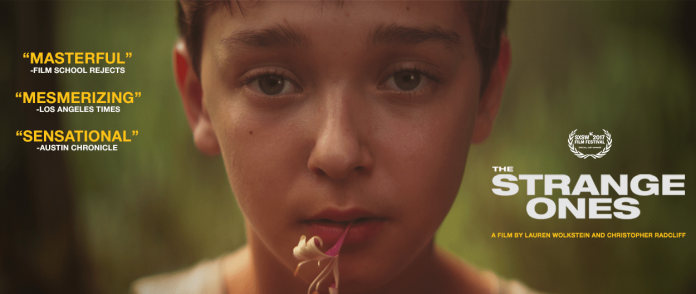
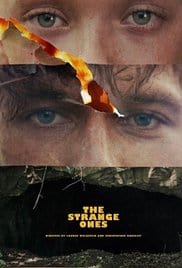 A few years ago (2011), I stumbled upon a short film with a peculiar title, The Strange Ones (Deux inconnus). It piqued my interest (as mentioned in that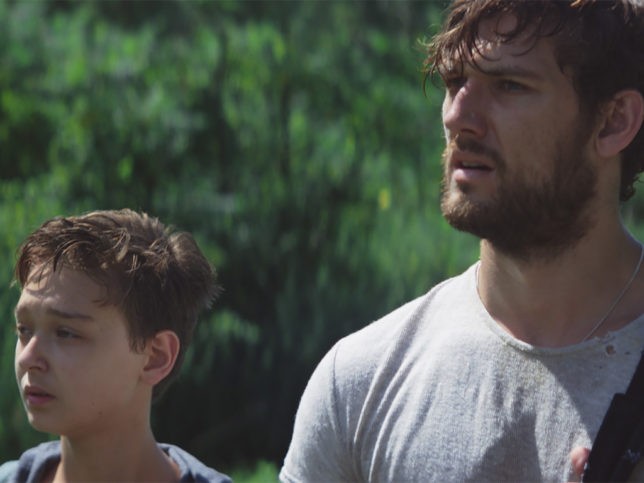
 The resulting intriguing mix of drama, thriller, and mystery includes significant Coming-of-Age overtones, thanks primarily to the stellar performance of actor James Freedson Jackson in the role of the young teenage boy — who is essentially the main protagonist of the film. His excellent performance was authentic in the 2015 American movie
  The dream-like cinematography features some stunning lingering shots of nature, the main characters and the environment, which gives the film its unique visual atmosphere, further enhanced by the frequent usage of reappearing visual motifs.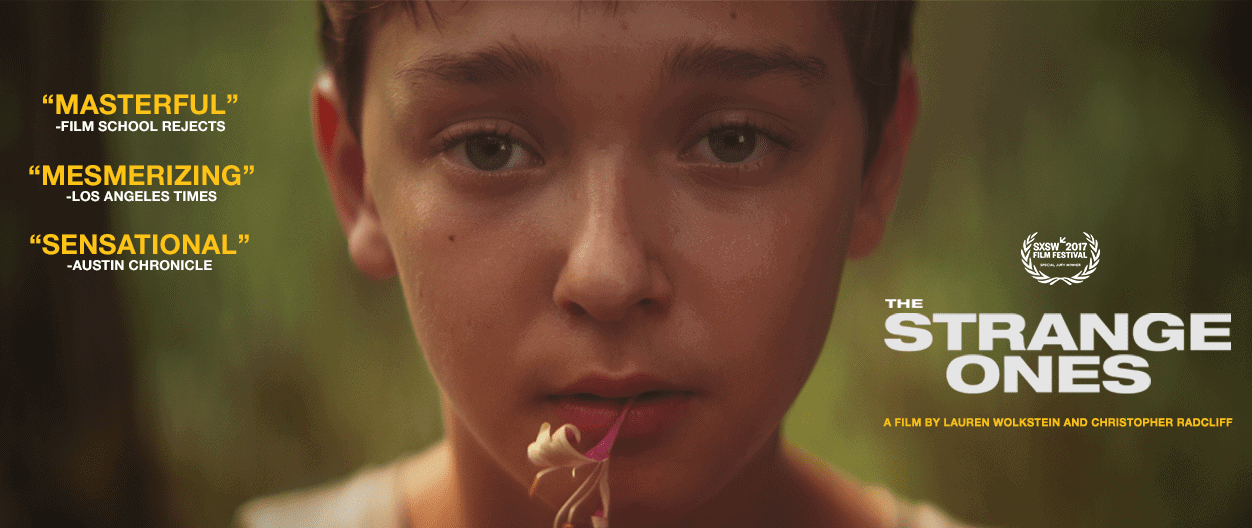
 Adapted from a book by Jack Ketchum, The Girl Next Door is one the harshest films that I have ever seen.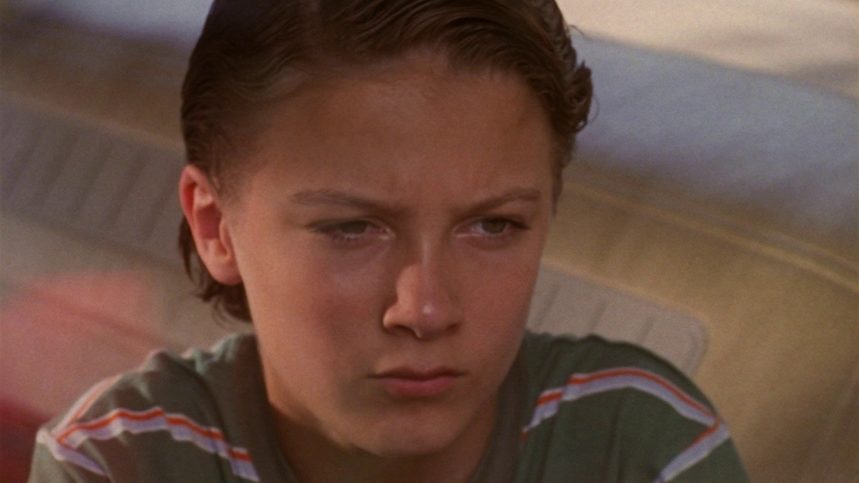
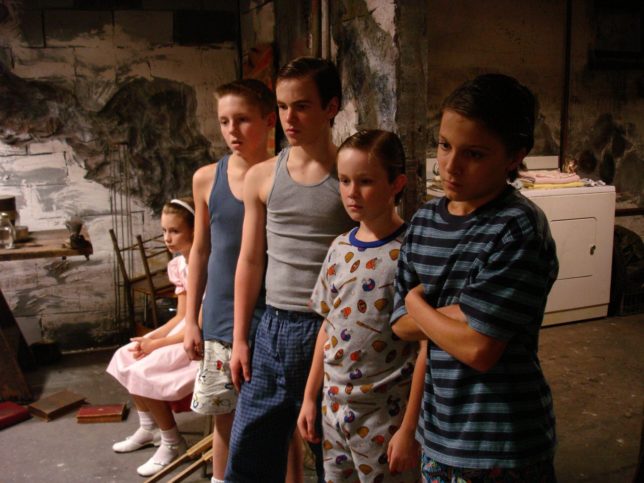
 While not a typical first-love Coming-of-Age film, The Girl Next Door is a film about love – albeit a tragic one. People say true love is always tragic – which I can vouch for based on my real-life experiences (as unorthodox as they might be). The Girl Next Door’s narrative is beautiful, yet it is not easy to focus on higher ideals considering the excessive violence and cruelty on screen. The filmmakers have not spared viewers, and many gruesome details are there to observe. Knowing that the film is based on a true story (Sylvia Likens) and that it’s not implausible that similar events are happening behind closed doors in an otherwise idyllically looking neighborhood makes the story even more stomach-turning.
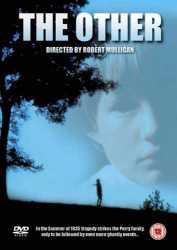 I am excited about reviewing the 1972 film by Robert Mulligan – The Other. Some people are not fond of films released more than ten years ago. In this case, I can assure you that if you didn’t know the year it was made in advance of watching the film — with its excellent camerawork and good cinematography — you wouldn’t be able to date this flick.